
Avoid costly blocked pipes and drains. From wet wipes to tissues, here are some of the most common items that should ever be flushed down the toilet.
Property
How to unclog a dishwasher: a step-by-step guide
Is your dishwasher failing to drain correctly? Here's how to unclog your dishwasher and prevent a blockage from occurring.
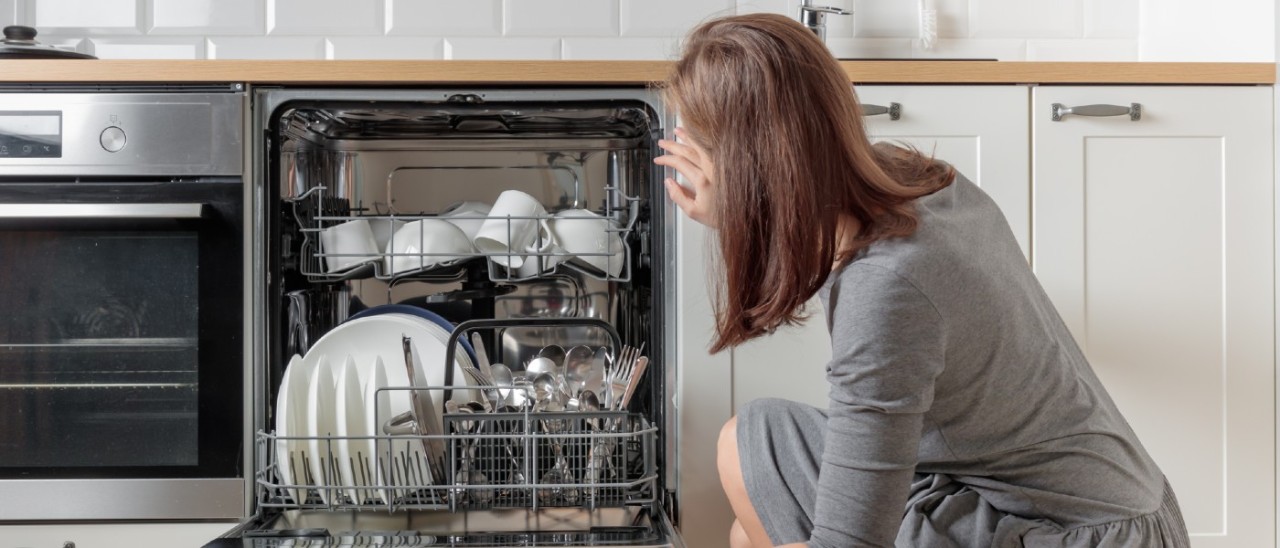
If your dishes are still dirty after a cleaning cycle in the dishwasher or water keeps mysteriously appearing on your kitchen floor, you might have a clogged dishwasher on your hands.
Read on to learn about how dishwasher blockages occur, how to fix a minor dishwasher clog and when it's time to call a professional plumber to fix a dishwasher that's not draining properly.
Services such as RACV Emergency Home Assist can support households when unexpected and urgent plumbing problems arise.
How do I know if my dishwasher is clogged?
You may need to unclog your dishwasher if you notice:
- an error message on the dishwasher's display
- water pooling at the bottom after a cycle
- dishes not cleaning properly
- a gurgling or thumping noise when draining
- a bad smell inside the machine
- water backing up into the sink.
If water is leaking onto the floor, turn the appliance off at the power point and avoid running it again until the issue is resolved.
Why is my dishwasher clogged?
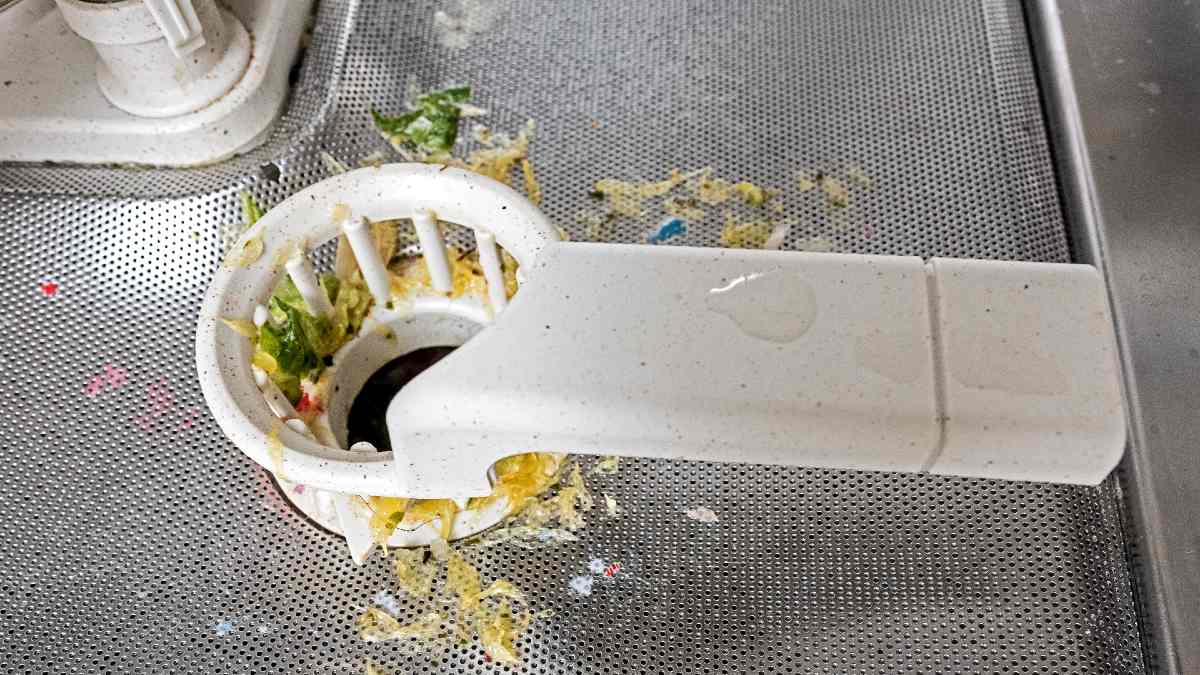
Food scraps are the number one cause of dishwasher clogs. Dishwashers are designed to handle small food particles, but they're not waste disposals. Over time, debris can accumulate in filters and pipes, restricting water flow and preventing proper drainage.
The most common reasons your dishwasher is clogged include:
- food scraps and grease buildup
- a blocked filter
- a clogged drain hose
- a jammed or obstructed drain pump
- issues with your kitchen sink drain or garbage disposal (if connected).
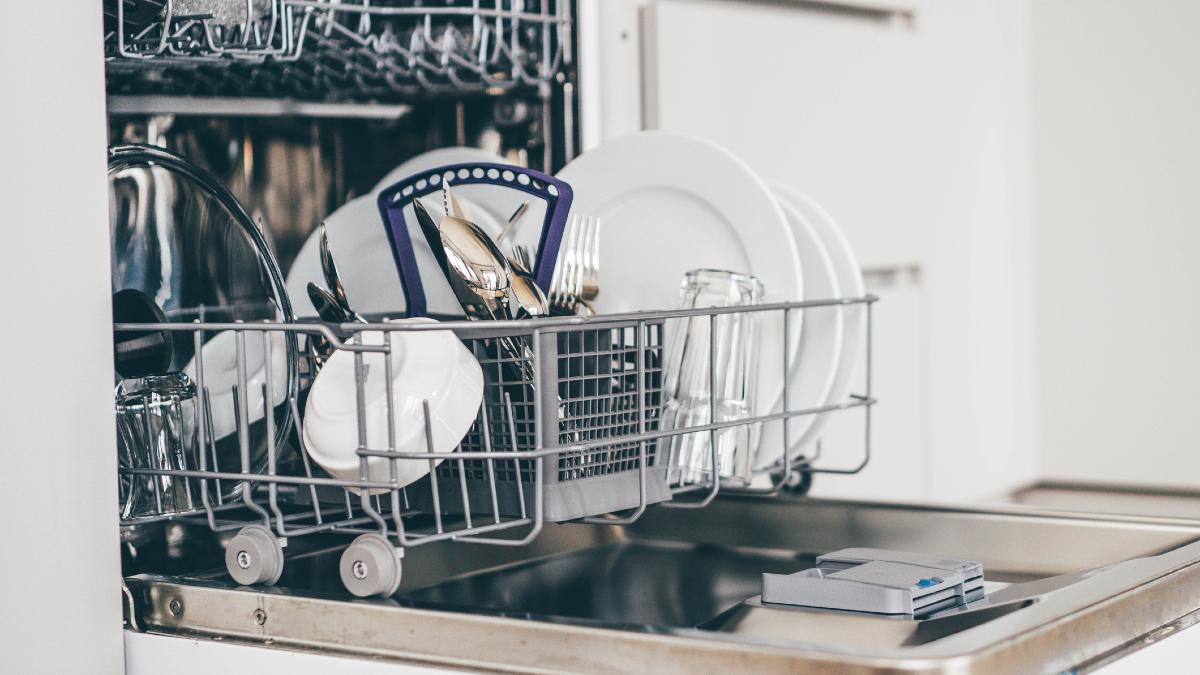
A clogged dishwasher turns a helpful appliance into a nuisance. Image: Getty
How to unclog a dishwasher: step-by-step guide
Step 1: Prepare the dishwasher
Remove and set aside any dishes and racks that were inside the dishwasher.
Step 2: Attempt a natural fix
You can pour a cup of baking soda followed by a cup of vinegar into the standing water at the bottom of your dishwasher, then leave it for about 20 minutes.
If the mixture has started draining, rinse it with some hot water and run the dishwasher's rinse cycle.
Step 3: Disconnect your dishwasher
Baking soda and vinegar can remove grease buildup but won't clear a solid obstruction like glass or food debris. If they didn't clear your dishwasher, it's time to investigate.
Dishwashers combine water and electricity, so always take basic precautions:
- Turn off the dishwasher.
- Switch off the power at the wall or circuit breaker and unplug the dishwasher.
- Turn off the water supply if you plan to disconnect hoses.
- Scoop out any standing water pooled at the bottom of your dishwasher with a cup or bowl, then dry the remaining dampness with an old towel.
If you're unsure or uncomfortable working with appliances, contact a qualified appliance technician or plumber.
Step 4: Check and clean the dishwasher filter
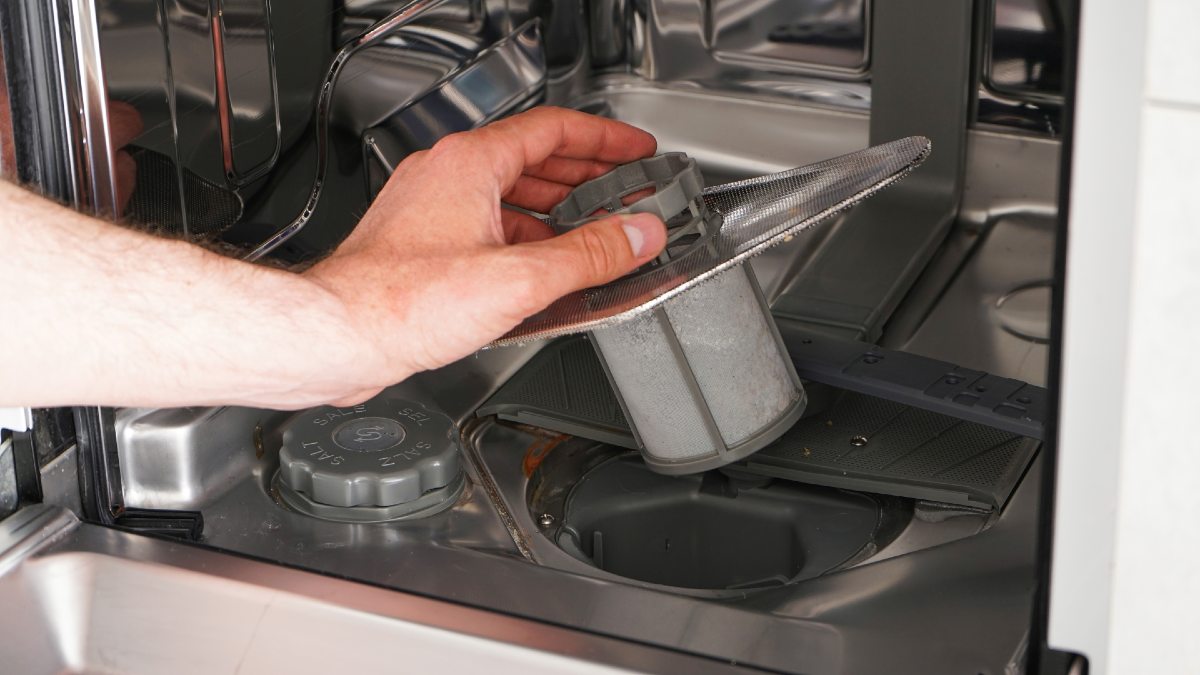
Most modern dishwashers have a removable filter located at the bottom of the tub. This is the most common source of blockages.
- Remove the filters (usually a twist-off cylindrical filter plus a flat, grate-like filter at the bottom)
- Rinse the filter under warm water.
- Use a soft brush (like an old toothbrush) to remove grease and debris.
- Inspect the filter housing as well. Food scraps often collect underneath.
- Reinstall the filter securely before running the machine again.
Step 5: Inspect the drain area
If water is still pooling after cleaning the filter, check the drain area and remove any visible debris around the drain opening. Use thick gloves to prevent cuts from possible glass shards.
Some dishwashers have a drain cover that can be removed with a screwdriver. If accessible, inspect underneath for blockages.
Step 6: Check the drain hose
The drain hose carries wastewater from your dishwasher to the sink drain or plumbing system. A kink, blockage or buildup can prevent proper drainage.
- Pull the dishwasher out carefully (if freestanding or accessible).
- Locate the drain hose at the back of the appliance.
- Check for obvious kinks or bends.
- Disconnect the hose (have a bucket ready to catch water from the hose).
- Flush the hose with water or use a flexible cleaning brush to clear debris.
If your dishwasher connects to a sink trap or garbage disposal, check that connection point as well. A blocked sink drain can cause dishwasher water to back up.
Step 7: Examine the garbage disposal (if applicable)
If your dishwasher drains through a garbage disposal unit, a clog there may be the real problem. Run the disposal to clear food waste and ensure the disposal itself is not blocked. In new setups, check that the knockout plug was removed during installation.
If your sink is draining slowly too, the issue is likely in your plumbing rather than the dishwasher.
Step 8: Clean with a dishwasher-safe solution
After clearing physical blockages, run a cleaning cycle to remove grease and mineral buildup.
Avoid using harsh chemical drain cleaners, as they can damage internal components and seals. Instead, place a cup of white vinegar in a dishwasher-safe bowl on the top rack and run a hot cycle.
Step 9: Call a professional
If you haven't been able to locate the problem, or your dishwasher is still not working properly, it's time to call a qualified professional.
Large food scraps are usually the culprit of dishwasher clogs in the home. Image: Getty
How to prevent dishwasher clogs
A clogged dishwasher is often a maintenance issue rather than a major fault. Regular cleaning, proper loading and prompt attention to drainage problems can keep your appliance operating efficiently for years.
Scrape, don't rinse
Scrape large food scraps into the bin before loading dishes.
However, refrain from heavy rinsing before loading dishes into your dishwasher. Clean dishes can fool the dishwasher's internal sensors into thinking that your dishes are cleaner than they are.
Clean the filter regularly
Set a reminder to check and clean the dishwasher filter every few months. Wash in warm, soapy water using an old toothbrush. If your dishwasher uses hard water, soaking the filter in a bit of white vinegar can help remove deposits from the holes.
Run monthly dish-free hot cycles
Once a month, run a cycle with no other dishes to blast away built-up grime before it becomes a problem.
Place a dishwasher-safe cup or bowl with white vinegar on your dishwasher's upper rack and run a hot cycle. Then sprinkle a cup of bicarb soda along the bottom of your dishwasher and run a hot rinse cycle.
The acidic vinegar and alkaline bicarb soda will help break down scum, remove stains and absorb odours, keeping your dishwasher sparkling clean.
Use the right detergent
Always use dishwasher-specific detergent. Regular dishwashing liquid creates excessive suds and can cause drainage problems.
Check spray arms
Remove and rinse spray arms periodically to ensure food particles aren't blocking the water jets.
You should check your dishwasher's filters regularly for clogs. Image: Getty
When to call a professional for a clogged dishwasher
Many dishwasher clogs cannot be solved through DIY efforts. If you've tried the above steps and the dishwasher still won't drain, the issue may involve:
- a faulty drain pump
- a blocked air gap
- an electrical component failure
- a deeper plumbing blockage.
If you're ever unsure, seek professional advice - especially if electrical components or internal parts are involved. Attempting complex repairs yourself could void warranties or cause further damage.
RACV Trades is a trading name of RACV's trade partner, Club Home Response Pty Ltd (Victorian registered domestic building practitioner number CDB-U 100178). All works are performed or arranged by Club Home Response Pty Ltd. trading as RACV Trades. See RACV Trades terms and conditions.

