We've recently reviewed and updated our Privacy Charter, which describes how we use cookies and other technologies to understand and improve your browsing experience. By using our site, you agree to us collecting this information and to our Privacy Charter.
You’ll be sent the latest news, exclusive offers and competitions to your inbox.
Review
2026 Leapmotor B10 Design Long Range review
Terry Martin
November 05, 2026
The Leapmotor B10 small electric SUV is affordable, stylish, tech-heavy and roomy, but can the Design Long Range live up to its name?
Leapmotor is yet another Chinese EV brand that’s made a significant move into the Australian market, winning lots of attention with its new affordable small SUV: the Leapmotor B10.
Joining the C10 medium SUV in a fast-growing line-up that also now includes the B03X compact crossover and B05 hatchback, the Leapmotor B10 hits a sweet spot with its sub-$40,000 starting price and the novel, spacious and practical interior created in such a small package.
It also has a degree of cut-through and credibility that all Chinese brands are aiming to achieve in Australia, thanks to Leapmotor being part of a joint venture with Stellantis, which is the parent company of brands such as Alfa Romeo, Fiat and Jeep.
That doesn’t mean the B10 moves straight to the top of the pack when there’s so much competition among cheap battery-electric SUVs, but there’s good reason to take a closer look.
2026 Jaecoo J5 EV review | 🔎 RACV car reviews video
How much does the Leapmotor B10 cost and how does it compare?
Competition is now so fierce among Chinese EV brands at the budget end that pricing can be fluid, and the 2026 Leapmotor B10 is a case in point. The brand insists it’s a “price on application” process through its small retail and service network, which at the time of writing stood at 25 outlets, but the bottom line was a quoted $39,980 drive-away for the B10 Style.
The Leapmotor B10 Design LR (Long Range) on test here was available for $41,990 drive-away at the time of writing. White exterior paint is standard, leaving higher-grade premium colours at $990 – the blue you see here, plus black, silver, grey and even purple.
The B10’s major competitors are all more affordable at around the $36,000 mark – or below $40,000 in higher-grade variants, where available – including the Jaecoo J5 EV Summit (from $36,990 national drive-away), BYD Atto 2 Premium (from $39,697 drive-away for Victorian private buyers) and GWM Ora 5 Ultra (from $36,990 drive-away).
Service intervals for the Leapmotor B10 are every 12 months or 20,000km, whichever comes first. Check with your local dealer for the latest costs involved for routine maintenance, but an eight-year capped price scheme has been in place, totalling about $3000 over the entire period or $370 a year.
Leapmotor has a six-year/150,000km new vehicle warranty in place, extending to eight years/160,000km for the high-voltage battery.
The ‘Long Range’ in the Leapmotor B10 Design refers to a claimed 434km WLTP.
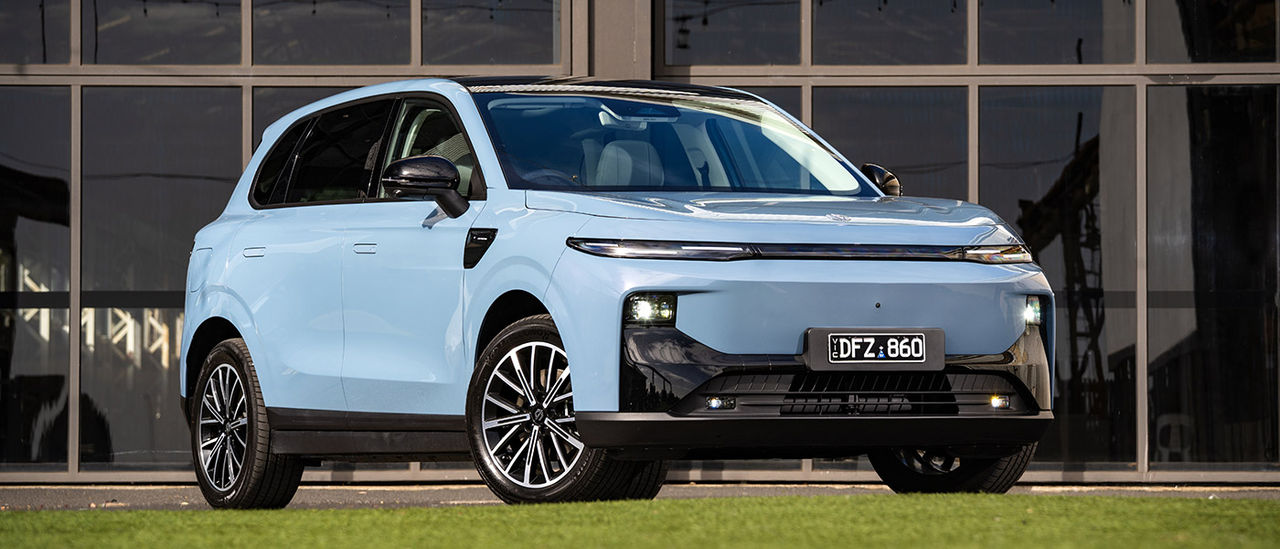
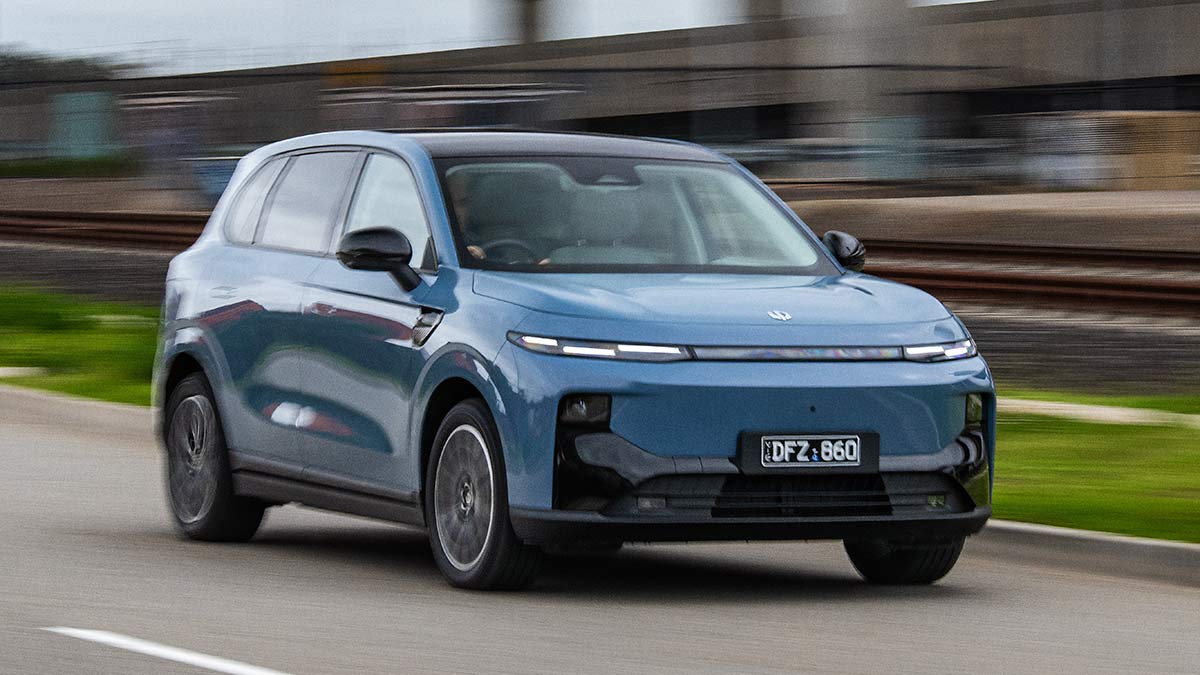
The Leapmotor B10 Design looks the goods when approaching it from this angle.
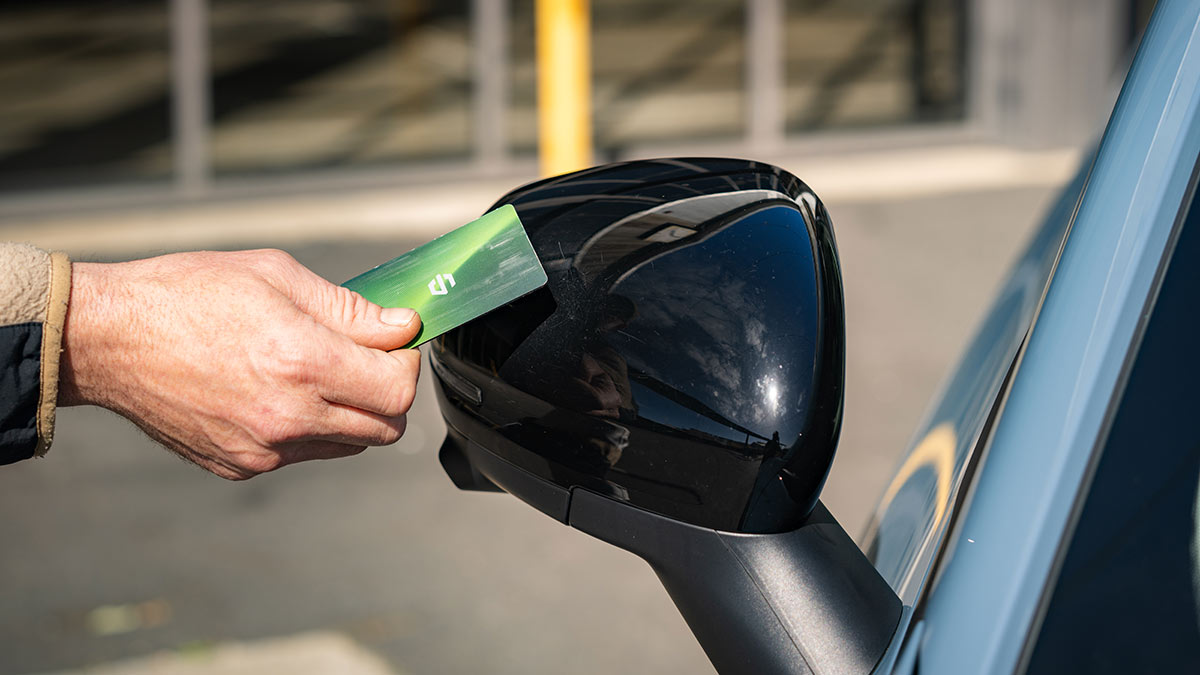
The NFC card system for accessing and starting the Leapmotor B10 is inconvenient, to say the least.
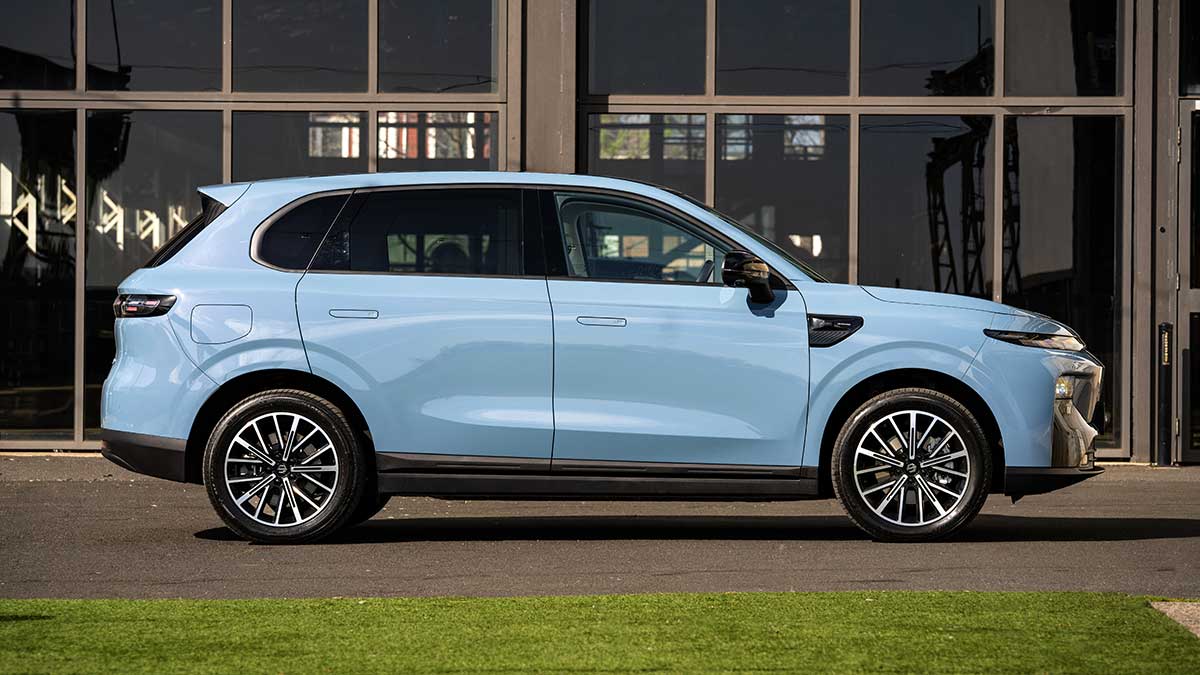
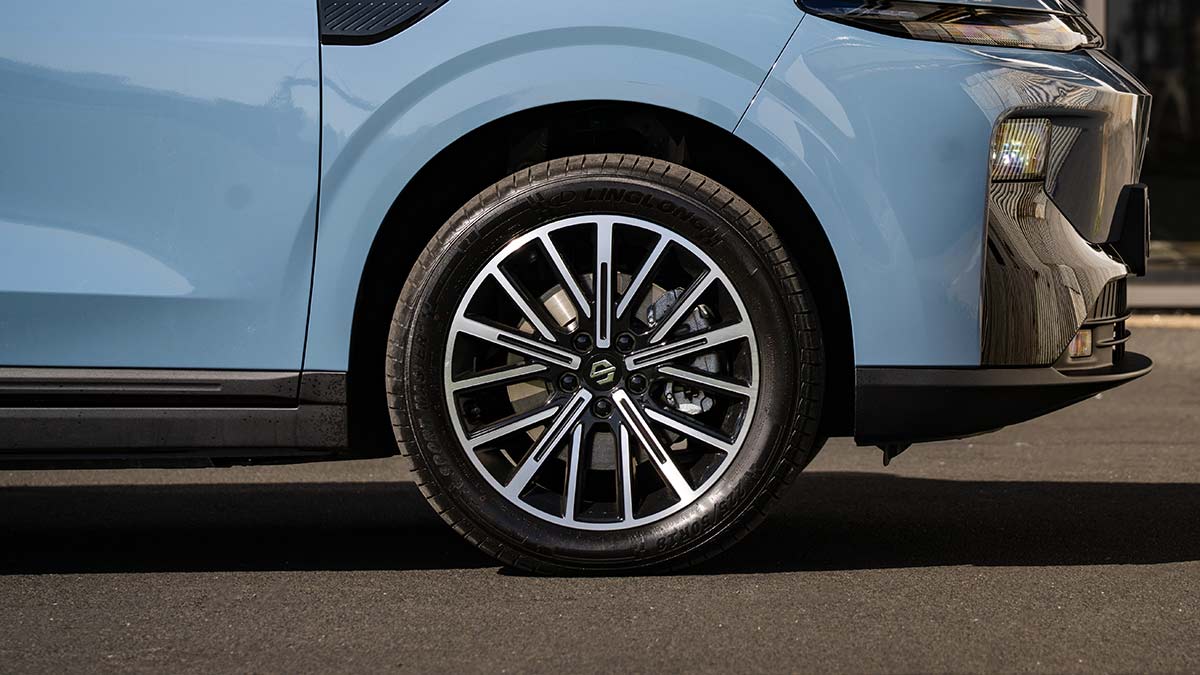
The 18-inch wheels on the Leapmotor B10 look the goods, but the tyres are less impressive.
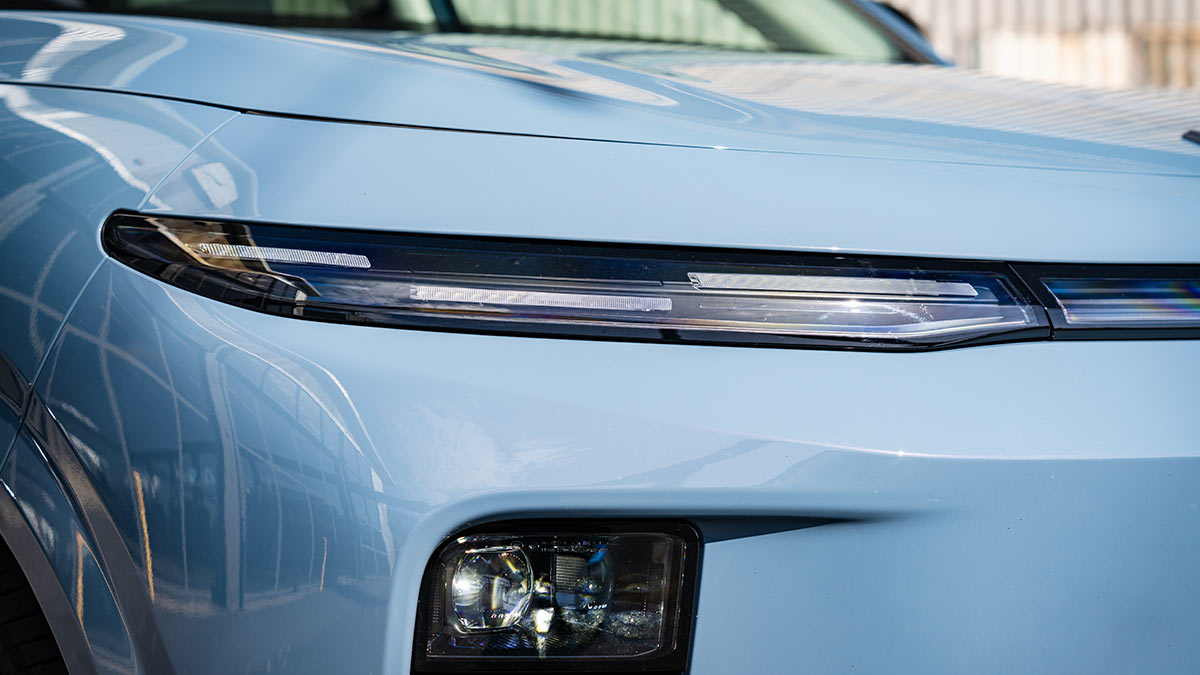
The ultra-slim headlights on the Leapmotor B10 are ultra-effective at night.
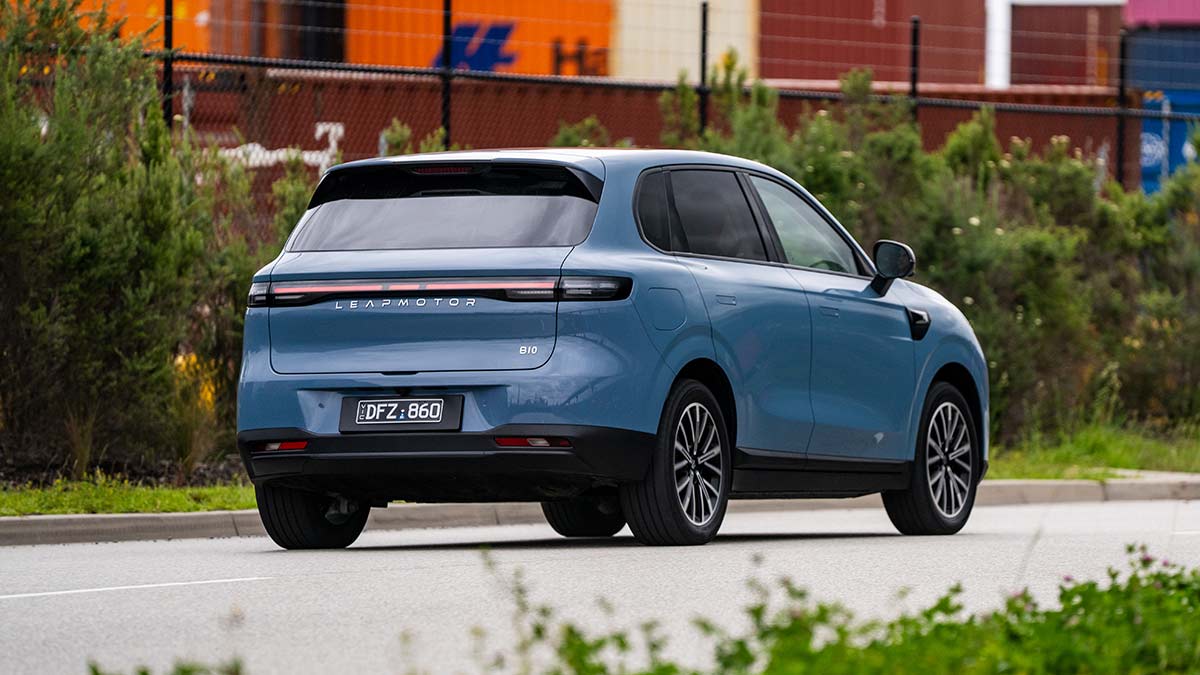
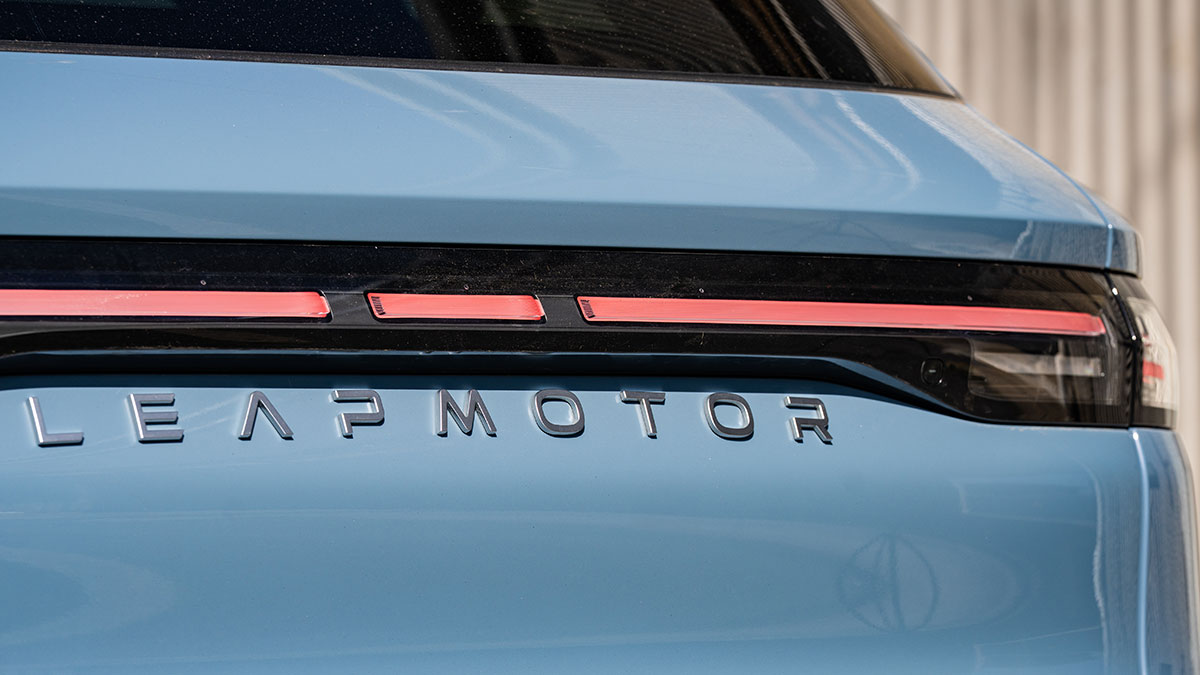
Full-width LED light bar on the Leapmotor B10 is a distinctive element.
1 of 6
What is the Leapmotor B10 Design LR like inside and out?
The premium positioning of the 2026 Leapmotor B10 relative to the cheapest small electric SUVs doesn’t feel uncomfortable when considering the total package, starting with its contemporary looks and the equipment loaded onto the EV.
Headline exterior features across the B10 line-up include 18-inch alloy wheels, a fixed panoramic glass roof (with electric sunshade), an effective set of LED lights (including auto headlights and a prominent rear light bar), electric pop-out doorhandles, tinted rear windows and auto power-folding mirrors, which on the driver’s side doubles as the locking/unlocking point with the NFC access card.
Thankfully, there’s scope to use a smartphone for vehicle access, given the NFC card process is far from ideal. Most notably, it prevents an earlier chance to unlock the B10, which is an issue when approaching the car at night, for example.
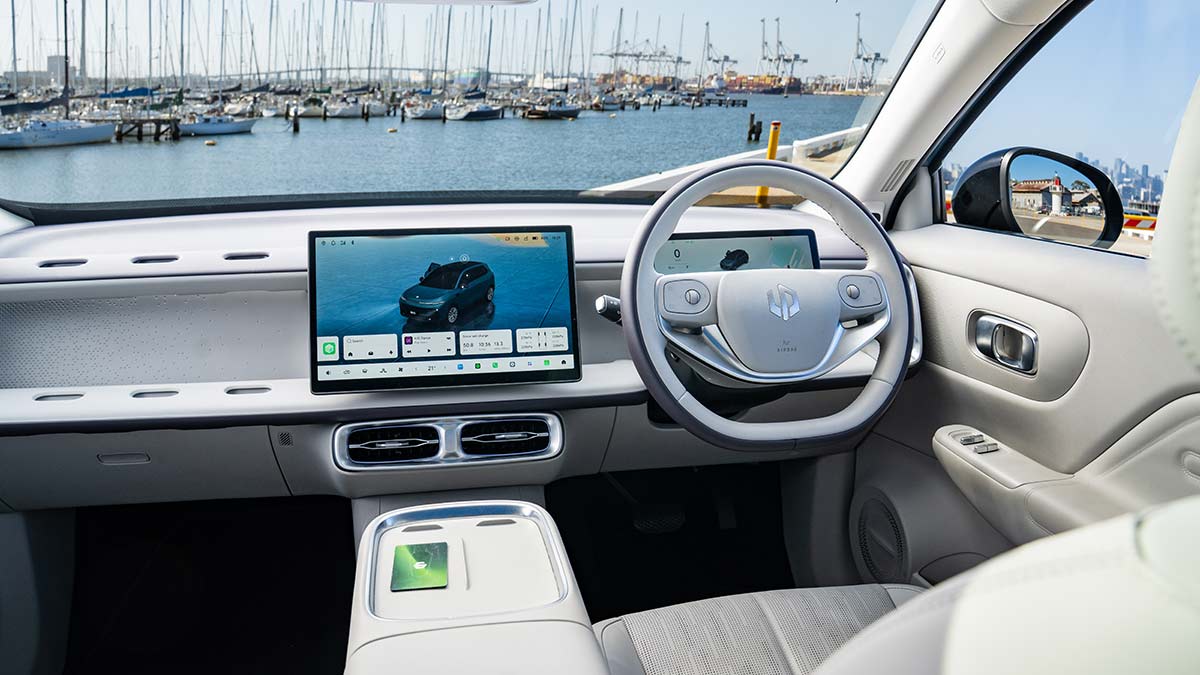
When inside, the driver must then place the card on a dedicated reader on the centre console’s phone charging pad to operate the car, which can require repeated efforts before being recognised. It also gets messy having to juggle the card around the phone.
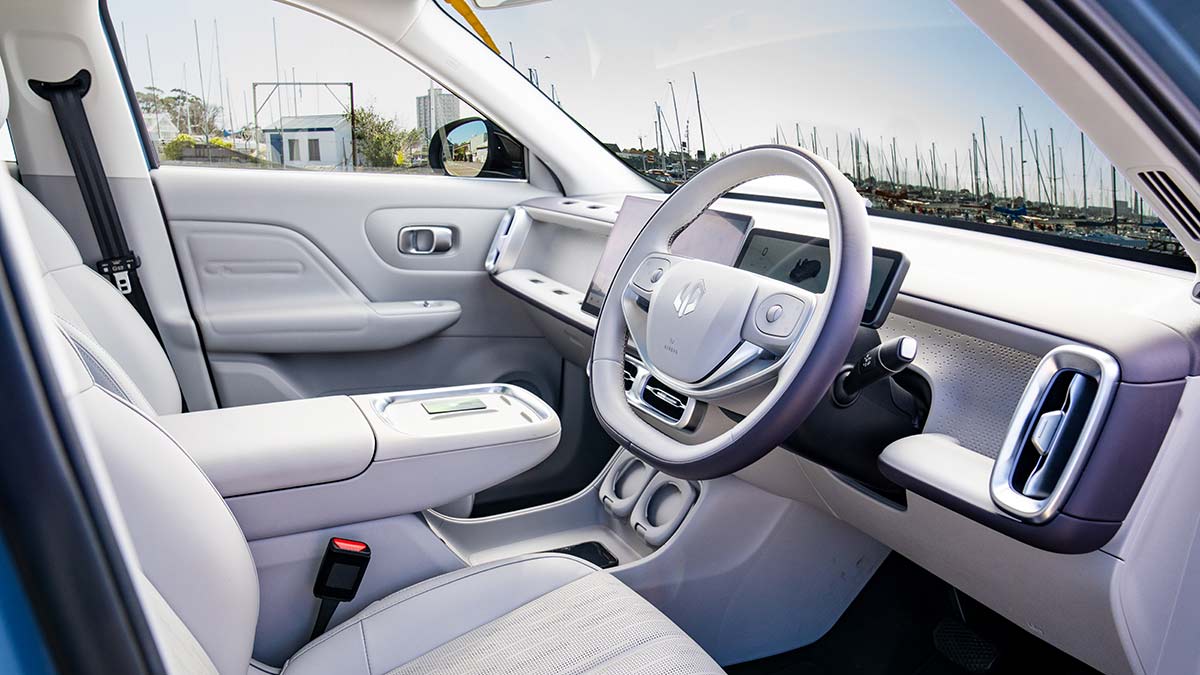
This is just one of the quirks the B10 presents its occupants in a roomy and minimalist cabin that’s highly equipped but hides a lot of functions in menus within the 14.6-inch central touchscreen – including one part of the process for adjusting the exterior mirrors (the other part is handled via steering controls).
Scrolling through menus can be a handful when driving, the screen can be hard to read in direct sunlight and, not least of all, we also found it all too easy to unintentionally engage vehicle functions when swiping up or down.
The dash is mounted low which helps maximise forward visibility, and while the rearward view is supported by the relatively large exterior mirrors and the main screen’s high-res camera views, they are needed to compensate for poor vision out the back window. There’s also no rear windscreen wiper, which is less than ideal in wet and dusty road conditions.
Clad in fake leather trim, the B10 Design’s front seats are comfortable and come with electric adjustment (sans lumbar and with a limited range that won’t suit some drivers) and effective heating and ventilation. The steering wheel has heating, too.
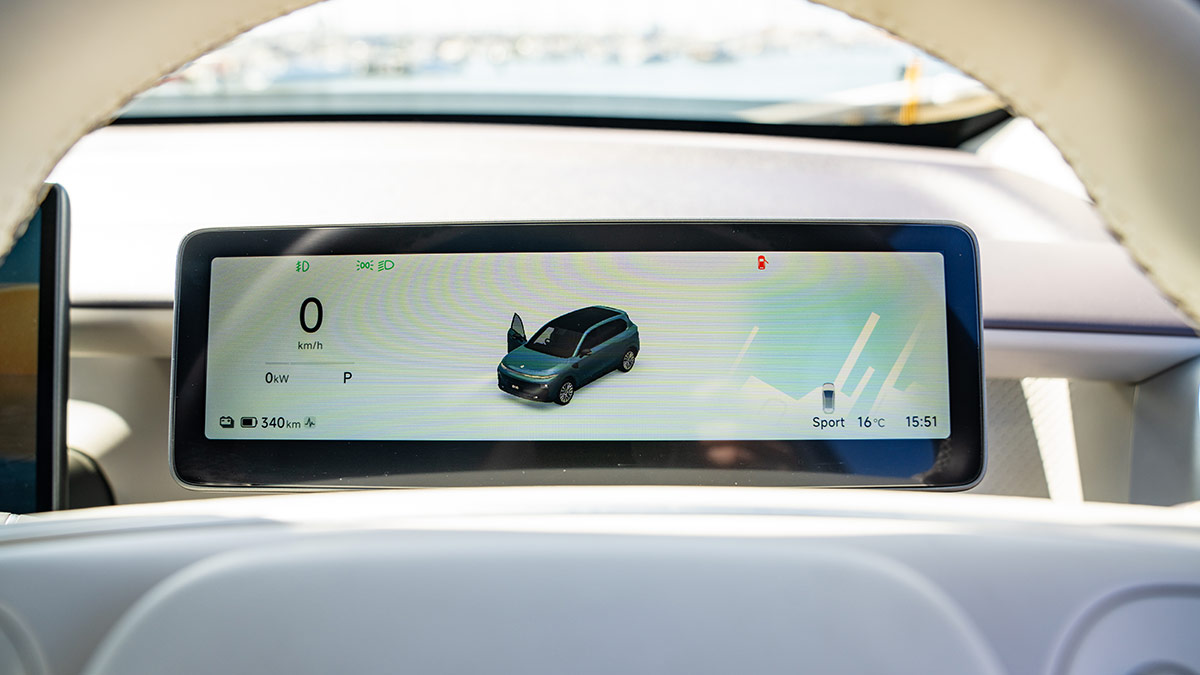
Worryingly from a quality standpoint, the steering column-mounted driver’s display on our test car wasn’t positioned straight, proving a major distraction for me but which went completely unnoticed by a couple of other drivers (until pointed out).
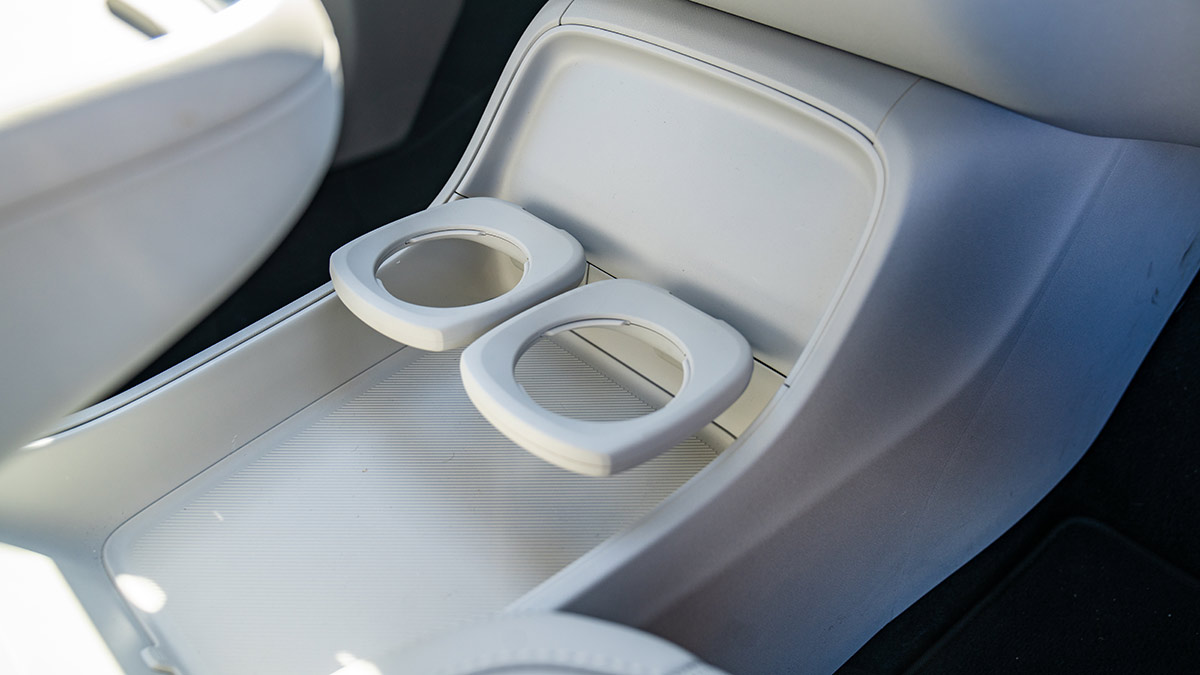
Other hits and misses? The stereo has 12 speakers but still drew criticism from audiophiles for sound quality. We found Apple Music would falter in CarPlay when switching between vehicle settings, such as driving modes. Access to charging points under the console bridge is awkward. The flip-up front cupholders aren’t practical for various bottle and cup sizes and don’t come easily to hand. (Don’t mention to the kids that they look like dunny seats, either, because the running joke will never end!)
On that point, the holes along the dashboard are another interesting design feature – giant toothbrush holder, anyone? (continuing the bathroom theme) – but appear to serve no practical purpose. In China, we’ve seen these holes transformed into a bar for applying cosmetics, but for Australia it’s all very quiet on the accessories front for the dashboard.
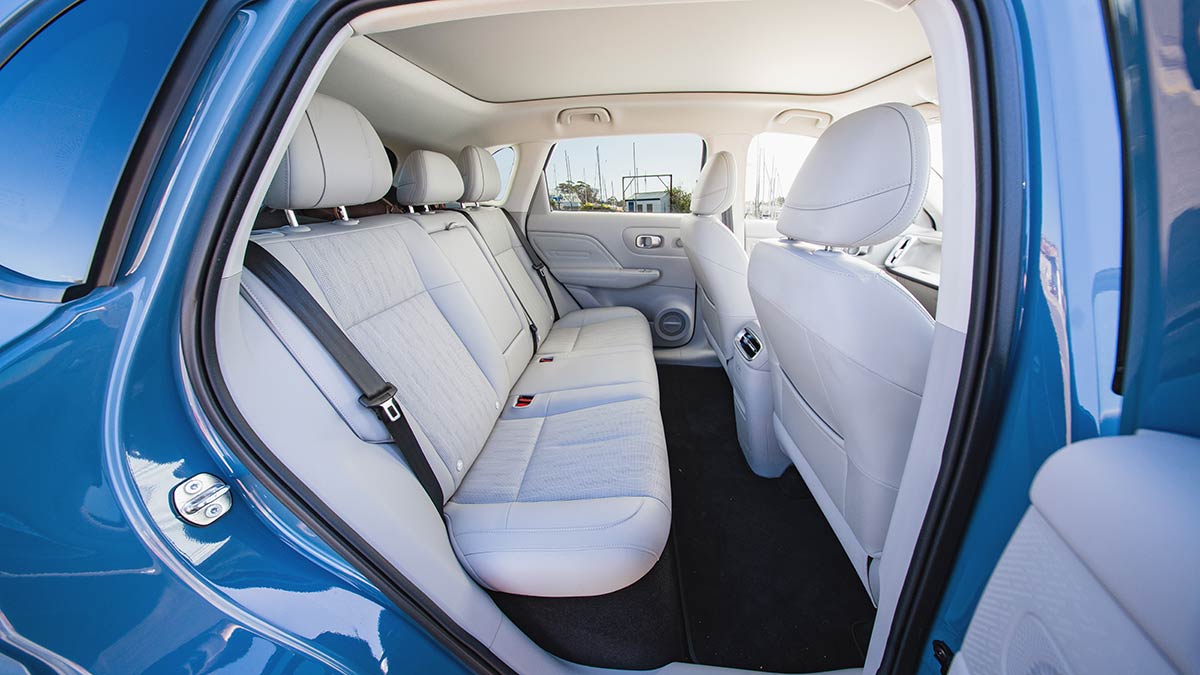
Across the B10’s back seats, the roominess for a small SUV is marvellous. Occupants sit up higher, so there’s good visibility without any concern over headroom, while legroom and foot space is quite outstanding. Window-seat passengers fare best with the generous seat dimensions and cushioning, leaving the centre position with compromises that come with the pull-down armrest.
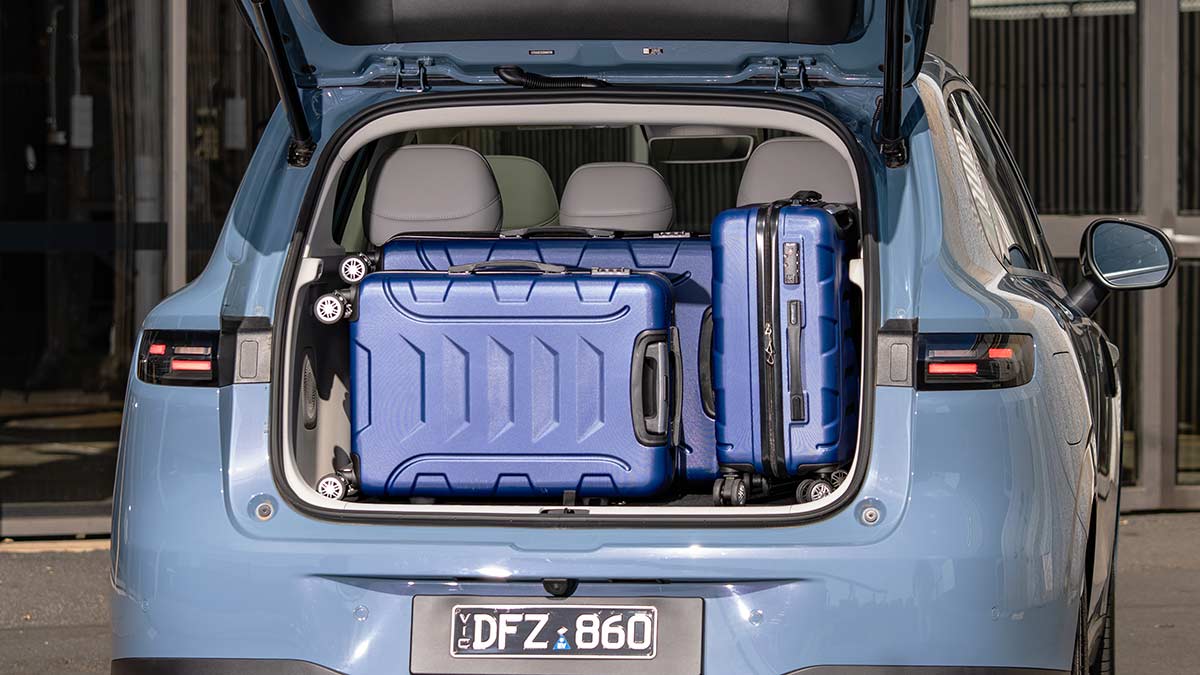
The rear seat compartment has air vents, charging points and sufficient storage options for small items and cups/bottles. The bench has a simple-to-use 60/40 split-fold that goes close to creating a flat floor and liberates up to 1475 litres of cargo room from the standard 490L behind the seats when upright.
The cargo area has sufficient space, remembering this is not a large or even a medium-sized SUV, and makes life easier with the B10 Design’s power tailgate (with height adjustment available from the touchscreen), convenient load height, retractable blind, shopping bag hooks, a light in the side trim and enough underfloor storage for charging cables and puncture repair kit (no spare wheel).
There’s no storage area under the bonnet, which is disappointing seeing there’s plenty of room to have packaged one in. And while the car has a handy 3.3kW vehicle-to-load (V2L) function to run small appliances, it’s accessed via an adapter using the external charging point rather than a three-pin power outlet inside the cabin.
Interesting cabin design for the Leapmotor B10, complete with holes in the dash.
Light-coloured faux leather trim is found throughout the Leapmotor B10 Design.
The driver’s display on our Leapmotor B10 Design LR wasn’t positioned straight!
Cupholders masquerading as toilet seats? Oddities and impracticalities are easily found in the B10.
Abundant rear seat space is one of the best features of the Leapmotor B10.
You can cram a fair bit into the cargo area of the Leapmotor B10 small SUV.
1 of 6
How does the Leapmotor B10 Design Long Range drive?
The 2026 Leapmotor B10 Design LR has well-rounded performance, offering a competent drive in an urban environment and enough range from its 67kWh LFP battery to manage longer trips – up to a claimed 434km, based on the lab-based WLTP standard (more on that in a moment).
As with others in this class, the B10 manages the cut and thrust of city driving with ease and is simple to wedge into tight parking spots, supported by surround-view cameras and clever tech like the distance calculator to objects behind.
Acceleration is sufficient in Standard mode, feeling a little too lethargic in the Comfort setting and much stronger in Sport. You can also adjust the steering feel, which does benefit from a bit more weight behind it, while the one-pedal driving mode is a strange beast to contend with – you need to have the car at a complete stop to engage or disengage it, which defeats the purpose sometimes.
There’s a further need for the driver to put the brake regen into the highest setting for the one-pedal driving mode to work effectively.
The suspension is tuned for comfort, but the rear-wheel-drive B10 maintains good control and strikes a decent balance between ride and handling. Overall, it feels composed on the road, with the main blemishes being tyre roar from the standard-issue Linglong hoops over coarse road surfaces and wind noise off the exterior mirrors at higher speeds.
Noises like these can be heightened on EVs because there’s no combustion engine, but the B10 isn’t as refined overall as some others in class. As we’ve seen before in EVs of this ilk, the voice assistant can manage some simple requests like seat heating or window opening/closing, but more complex tasks aren’t in its remit. Be prepared for lots of excuses like “this function is not supported at present”.
A mix of city and country driving saw us average 17.1kWh per 100km, which is just under Leapmotor’s 17.3kWh/100km (WLTP) energy consumption claim and created a comfortable 350km-plus range ‘envelope’ over our test route. At 20 per cent battery power remaining, the EV started urging us to “charge immediately” and, at 10 per cent, e-motor performance was muted as a protective measure for the 67kWh LFP power pack, we suspect.
The B10 Design LR can handle DC fast-charging speeds up to 168kW, with a quoted 20 minutes from 30-80% at that rate. The public charger we used never got close to this output, needing half an hour to replenish from 45-80% at a 50kW average, for example.
On that occasion, the quoted time to then move from 80-100% was another 50 minutes, which shows how a full battery recharge can be quite a long, slow process for EV owners in Australia and that regular top-ups will make for a more convenient drive – noting, of course, the inconvenience of route planning around charging points and the need to stop more often.
The Leapmotor B10 earned a maximum five-star ANCAP rating in 2025, earning praise from the independent safety authority for its high levels of adult and child occupant protection. Overall, it was deemed the safest affordable EV in 2025 (below $50,000) with a weighted score of 90.2 per cent – and that’s good reason to place it on your shortlist if you’re considering a small electric SUV, with some caveats (see below).
It also rated highly in the Safety Assist category, based on the high number of advanced driver assistance systems (ADAS) fitted standard under the so-called Leap Pilot tech umbrella. These cover all the major bases including adaptive cruise control, various lane controls and warnings, driver distraction and drowsiness alerts, rear cross traffic braking, and more.
That said, real-world experience of these driver aids was not tested as they are under the latest ANCAP protocols (2026 onwards), and in general we found the constant warnings and interventions in areas such as lane keeping and driver distraction (ie. spending too much time deciphering info from the digital screens) to be over-intrusive for Australian road conditions.
Nowhere was this more evident than on single-lane dirt roads where audible warnings and steering corrections were overbearing. We note that some ADAS functions, including lane control, were said to have been refined via an over-the-air (OTA) software update earlier in 2026, but more work is clearly needed in this area.
Automatic collision notification with emergency call (eCall) is also not yet available on the B10.
The 2026 Leapmotor B10 Design LR isn’t the cheapest small electric SUV but has an abundance of features, advanced tech and a spring in its step to charm would-be owners.
Parents should take a closer look on the strength of its crash testing performance and with the sheer space it offers in the back seat, while the quirkiness to its interior design – dunny seats and monster toothbrush holder included! – kept us smiling amid the niggles we encountered with the NFC card, other vehicle functions, the crooked instrument panel and elements of the drive.
The B10 is another disrupter, a challenger to our idea of convention, with a small support network but a big backer in the form of Stellantis. In a sense, it’s a leap into the unknown, but that won’t rule it out for those lured by its charms.
The information provided is general advice only. Before making any decisions please consider your own circumstances and the Product Disclosure Statement and Target Market Determinations. For copies, visit racv.com.au. As distributor, RACV Insurance Services Pty Ltd AFS Licence No. 230039 receives commission for each policy sold or renewed. Product(s) issued by Insurance Manufacturers of Australia Pty Ltd ABN 93 004 208 084 AFS Licence No. 227678.
Want more articles like this?
Subscribe to RACV News for advice on cars, safety, home and travel.