
Many Victorians now know about solar systems for households. But what is a solar feed-in tariff, and how could it benefit your energy bills?
Solar Power
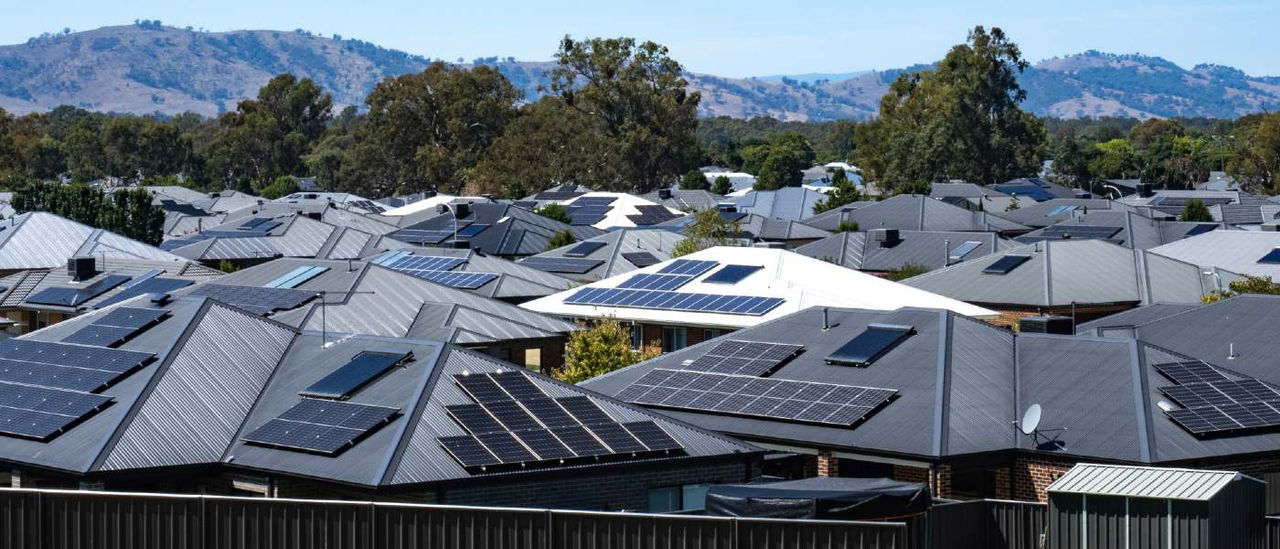
Solar power for home: the ultimate guide
Explore home solar and battery systems, including panels, battery storage, installation, rebates, energy savings, maintenance and upgrades.
Whether you're considering solar panels for the first time, looking to add a battery to an existing system or planning an upgrade, understanding your options can help you make the most of solar energy at home.
A home solar and battery system can help reduce household electricity bills, make better use of renewable energy and reduce reliance on electricity from the grid. But choosing the right setup involves more than selecting solar panels or a battery.
From solar panels and inverters to battery storage, rebates, installation and maintenance, several factors can influence how your system performs and how much you save.
Here's a comprehensive guide to home solar and battery systems, whether you're starting from scratch or looking to get more from the solar power you already generate.
RACV Solar offers reliable, quality solar panels, batteries, EV chargers, and more.
How does home solar power work?
Solar photovoltaic (PV) panels convert sunlight into direct current (DC) electricity. A solar inverter then converts this into alternating current (AC) electricity that can be used by appliances around your home.
When your panels are producing electricity, your home generally uses this solar energy before drawing additional power from the electricity grid. Any excess solar electricity can be exported to the grid or, if you have a compatible home battery, stored for later use.
A solar battery allows households to use more of the electricity they generate, including during the evening when solar panels aren't producing power. This can help reduce the amount of electricity purchased from the grid.
The amount of electricity a solar system produces depends on factors including system size, panel orientation and angle, shading, weather and the condition of the equipment.
Understanding how solar power works is useful whether you're installing a new system or considering adding battery storage to an existing one.
More: How does home solar power work? Solar panels & batteries explained
What are the main parts of a home solar and battery system?
A typical residential solar system is made up of several components working together to generate, convert, use and potentially store electricity.
Solar panels generate electricity from sunlight, while a solar inverter converts that electricity into a form your household can use. Mounting equipment secures panels to the roof, while electrical cabling and safety equipment connect the system.
Your electricity meter records electricity imported from and exported to the grid. Many modern solar systems also provide an app or online portal for solar monitoring, allowing you to track generation and sometimes household electricity consumption.
A home battery is optional but can store surplus solar electricity generated during the day for use later, such as in the evening or during periods of higher electricity demand.
Depending on the system, a battery may connect through a compatible hybrid inverter or use its own battery inverter. Some batteries can also provide backup power during an outage, although this depends on the equipment and installation configuration.
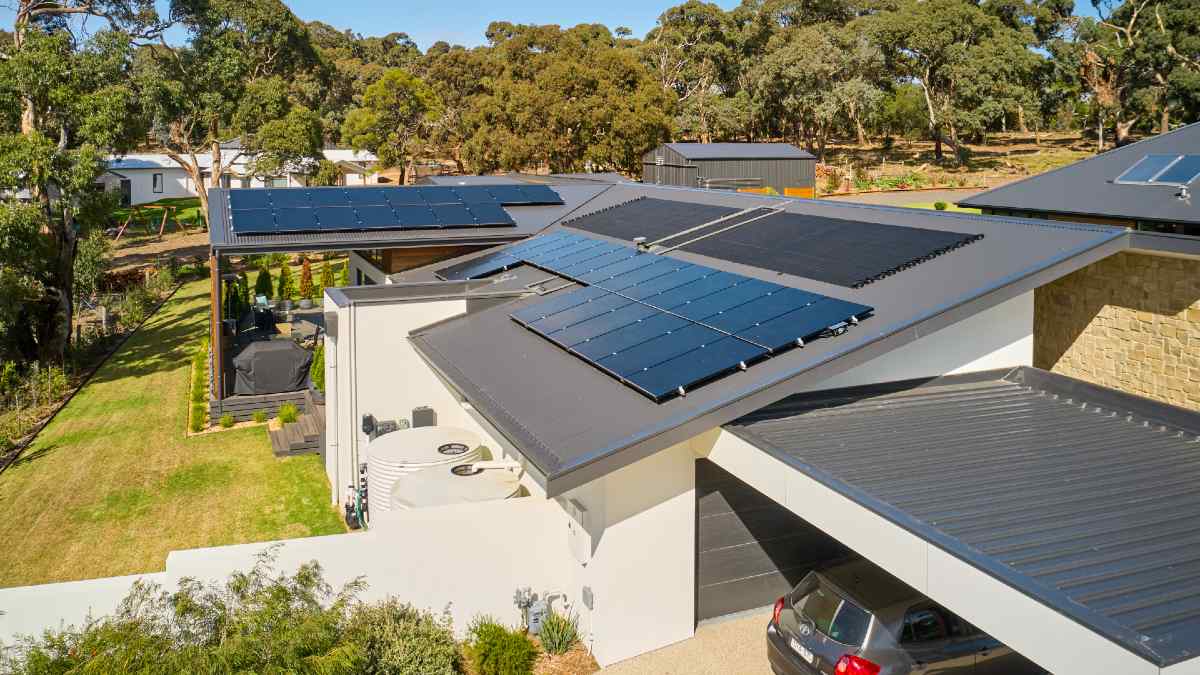
A home solar power system includes more than rooftop panels, with components such as an inverter, smart meter, and optional battery storage working together to generate, convert and manage electricity.
Should you add a solar battery?
A solar battery stores excess electricity that might otherwise be exported to the grid, allowing you to use more of your own solar energy later.
For households that already have solar panels, adding a battery can be a way to increase solar self-consumption without necessarily replacing the existing system.
For those considering solar for the first time, installing panels and a battery together may be worth exploring, particularly if a significant proportion of household electricity is used in the evening.
Whether a solar battery is worth it will depend on your household's circumstances, including electricity consumption, solar generation, electricity tariffs, battery cost and how much electricity you could realistically shift from grid use to stored solar energy.
Some households may also be able to participate in a virtual power plant (VPP), where eligible batteries can work together to support the electricity grid in exchange for potential financial or other benefits.
Before purchasing a battery, consider its usable storage capacity, compatibility with your solar system, warranty, expected lifespan and whether backup power is important to your household.
More: How to choose the best home battery for your solar system
Can you add a battery to an existing solar system?
If you already have solar panels, you may be able to add a home battery without replacing your entire solar system.
Retrofitting a solar battery allows you to store excess electricity generated during the day and use it later, such as in the evening when your panels aren't producing electricity.
However, not every existing solar system is immediately compatible with every battery. Depending on your inverter, system age and electrical setup, you may need additional equipment or upgrades to connect battery storage.
Some batteries can be installed alongside an existing solar inverter, while others may require a compatible hybrid inverter. The best option will depend on your current equipment and household energy needs.
Before adding battery storage, consider how much excess solar electricity your system generates, your household's evening electricity consumption and the battery capacity that may suit your needs.
A qualified solar and battery installer can assess your existing equipment, identify any compatibility issues and recommend a suitable solution.
More: How to choose the best home battery for your solar system
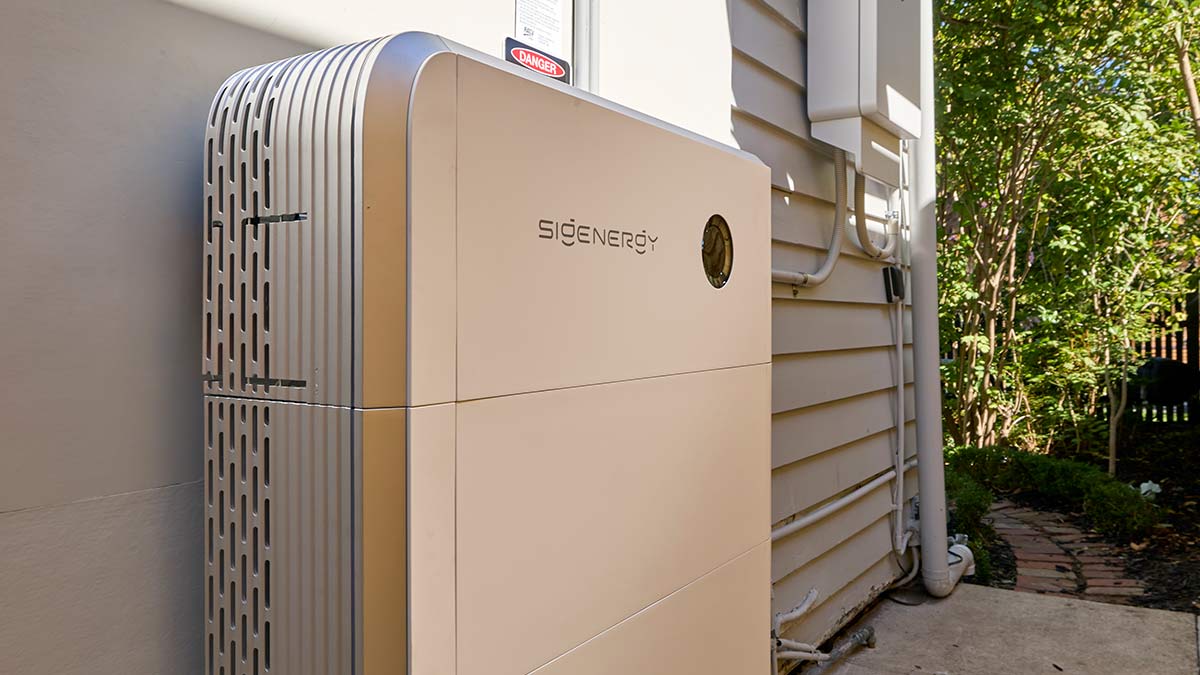
A home battery can store excess solar energy for later use.
How much do solar panels and batteries cost?
The cost of installing solar panels varies considerably depending on the size of the system, number and type of panels, inverter, installation requirements and the property itself.
For households installing solar for the first time, costs will depend on factors including the number and type of panels, inverter, mounting equipment and installation complexity.
Adding a home battery increases the upfront investment, whether it's installed alongside a new solar system or retrofitted to an existing one.
If you already have solar panels, the cost of adding a battery will depend on factors such as battery capacity, inverter compatibility and whether additional electrical or switchboard upgrades are required.
When comparing solar and battery quotes, consider more than the initial price. Equipment quality, warranties, installer credentials, expected system lifespan and after-sales support can all affect long-term value.
It can also be useful to compare the upfront cost with estimated electricity-bill savings and the expected payback period for your household.
More: What is a green loan for electric vehicles, solar and energy-efficient homes?
What solar and battery rebates are available in Victoria?
Victorian households may be eligible for government incentives that reduce the upfront cost of installing solar panels, batteries or other eligible energy upgrades.
These incentives may be relevant whether you're installing solar panels for the first time, purchasing a new solar and battery system or adding battery storage to an existing system.
Federal incentives may also reduce the effective cost of eligible small-scale renewable energy systems, including qualifying solar and battery installations.
Eligibility, rebate amounts and available programs can change, so it's important to check current Victorian solar rebates and incentives before making a purchase.
Some programs may have specific requirements relating to the property, existing solar equipment, battery eligibility, installer accreditation or household circumstances.
Always check the latest eligibility requirements and use appropriately accredited installers where required before committing to an installation.
More: Solar panel & battery rebates in Victoria
How can you get more value from solar?
Installing solar panels or adding battery storage is only part of the equation. When and how you use electricity can have a significant impact on the financial benefit you receive.
Where practical, running appliances such as dishwashers, washing machines and pool pumps while your panels are generating electricity can increase solar self-consumption.
Depending on your electricity plan, surplus electricity exported to the grid may earn a solar feed-in tariff. However, using your solar electricity within the home can sometimes provide greater value than exporting it.
Households with EVs can also investigate charging an electric car with solar, helping use more of the electricity generated during the day.
Regularly reviewing your solar monitoring data and electricity bills can help identify opportunities to adjust energy usage and improve the value of your system.
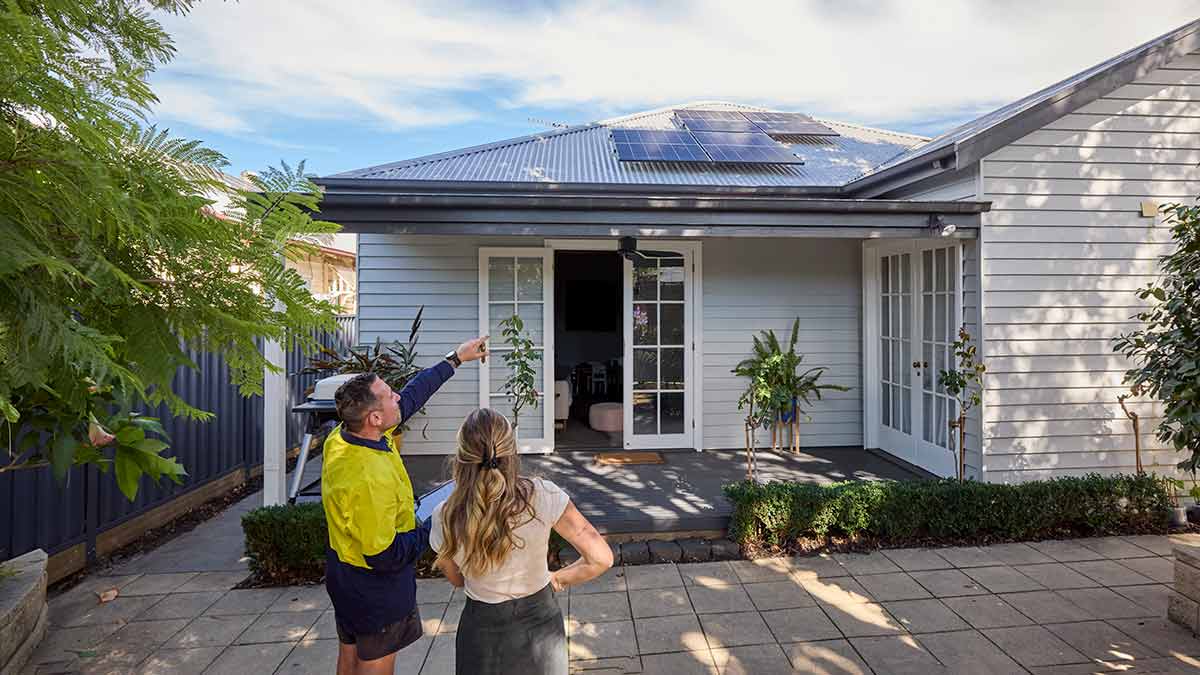
RACV Solar can assess whether your roof is suitable for solar panels. Image: Getty
Is your roof suitable for solar panels?
Before installing solar, it's important to determine whether your roof is suitable.
The condition and age of your roof should be considered because solar panels can remain in place for decades. If major roof repairs or replacement are likely to be required soon, it may make sense to complete this work before installing panels.
Installers will also consider available roof space, orientation, pitch and shading from trees, neighbouring buildings and other structures.
While north-facing panels traditionally provide strong overall generation in Australia, east- and west-facing panels can also be useful, particularly when electricity use is concentrated in the morning or afternoon.
A professional assessment can help determine whether your roof is ready for solar and where panels should be positioned.
More: Is your roof ready for solar panels?
Choosing the right solar system size
Solar systems aren't one-size-fits-all. How many solar panels you need depends on factors such as your household electricity consumption, available roof space, budget and future energy needs.
Looking at your electricity bills can help establish how much energy your household typically uses and when you use it. A household planning to switch from gas appliances to electric alternatives or purchase an EV may also want to account for increased future electricity consumption.
If you're considering installing solar panels and a battery together, it's worth understanding how much electricity your panels are likely to generate and how much surplus energy may be available for storage.
For households with an existing solar system, monitoring generation and electricity usage can help determine whether adding panels, installing a battery or making other changes could be worthwhile.
More: How much do you save with solar panels and batteries?
What happens during solar panel installation?
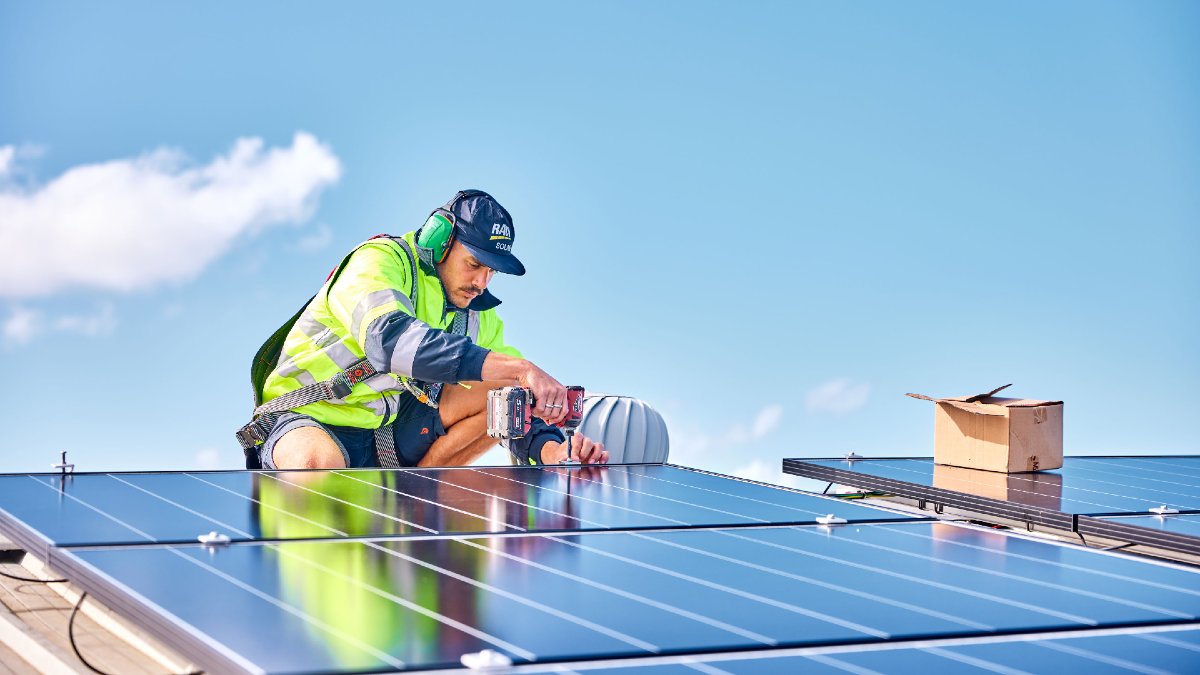
Solar installation should be completed by appropriately qualified and accredited solar professionals and comply with relevant Australian and Victorian requirements.
The process generally involves assessing the property, designing the system, mounting panels, installing an inverter, completing electrical work and connecting the system to your home's switchboard.
Your electricity meter may also need to be configured or replaced to record electricity exported to the grid.
For households adding a battery to an existing solar system, installation may involve connecting new equipment to the current system and completing any necessary upgrades.
Before choosing an installer, compare quotes and look beyond price alone. Consider the proposed equipment, warranties, installer credentials, after-sales support and whether the system design is appropriate for your property and energy usage.
Does solar still work in winter and cloudy weather?
Solar panels don't require hot weather to generate electricity – they require sunlight. They can therefore continue producing electricity on cloudy days and throughout winter, although generation will typically be lower when daylight hours are shorter or cloud cover reduces available sunlight.
For households with a solar battery, reduced solar generation can also mean less excess electricity is available to store for evening use.
Depending on your household's energy consumption and battery settings, you may need to draw more electricity from the grid during periods of lower solar generation.
Understanding how solar performs in winter can help you set realistic expectations about seasonal changes in generation and electricity bills.
More: Winter solar panel performance explained
How do you maintain solar panels?
Solar systems generally require relatively little maintenance, but that doesn't mean they should be ignored.
Regularly checking your system's monitoring data can help identify an unexpected drop in generation. Panels should also be visually checked where it is safe to do so for obvious damage, excessive debris or other issues.
Professional inspections may help identify faults involving panels, wiring, mounting equipment, isolators or the inverter. Avoid climbing onto the roof yourself; solar panels and associated electrical equipment should be inspected and serviced by suitably qualified professionals where required.
If you have a solar battery, it's also worth monitoring its performance and following the manufacturer's maintenance and safety recommendations.
Knowing how to maintain solar panels and associated equipment can help keep the system operating safely and efficiently over its lifespan.
More: Solar panel maintenance and system troubleshooting
How do you clean solar panels?
Rain can help wash away some dust and dirt, but solar panels may still accumulate grime, leaves, bird droppings and other debris that can affect their performance over time.
If your panels need cleaning, avoid climbing onto the roof yourself. Working at heights and around electrical equipment can be dangerous, so consider using a suitably qualified professional. The frequency of solar panel cleaning will depend on factors such as your location, surrounding trees, weather conditions and how quickly dirt builds up.
Monitoring your system's output can also help identify an unexplained reduction in performance that may warrant further investigation.
Solar systems generally require little maintenance.
When should you upgrade your solar system?
Older or undersized solar systems may no longer meet a household's needs, particularly after adding an EV charger, solar battery, electric hot water system, induction cooking or other electric appliances.
Depending on your existing equipment, an upgrade could involve adding panels, replacing an inverter, installing a battery or replacing the existing system.
Before upgrading your solar system, check whether existing components are compatible with the proposed changes and whether additional approvals or switchboard work may be required.
More: What to consider when upgrading your solar power system
Make your home solar system work harder
A well-designed solar and battery system should reflect how your household uses electricity today while leaving room for how those needs could change in the future.
Knowing more about solar panels, inverters, solar batteries, feed-in tariffs, monitoring and maintenance can make it easier to choose the right system and identify opportunities to improve performance.
Whether you're installing solar panels for the first time, adding battery storage to an existing system or planning an upgrade, understanding your options can help you make informed decisions about your home's energy needs.

