
Potholes and deteriorating roads are the biggest road safety concern in regional Victoria, according to RACV's 2026 My Country Road results.
Safety
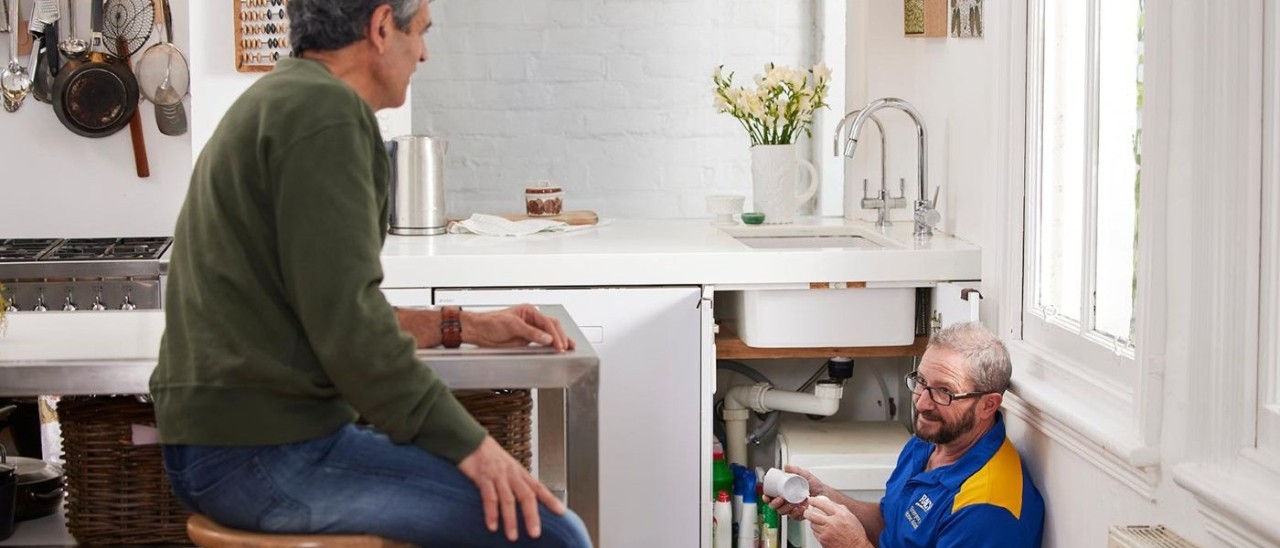
Don't be a drainer - 10 things to avoid pouring down the sink
We all know winter fog on the road can be hazardous, but did you know is there another type of ‘FOG’ in the home that can damage your drains – fats, oils and grease.
FOG is among 10 household liquids and items RACV says to avoid putting down the drain, alongside other offenders such as coffee grounds, food scraps, baking ingredients and dairy products.
Pouring the wrong substances down pipes can lead to costly plumbing issues, unpleasant odours, environmental harm and even health risks.
Across the last three financial years there has been more than 114,000 callouts alone for plumbing related incidents to RACV Emergency Home Assist (EHA), with plumbing accounting for 72.5 per cent or nearly three quarters of all jobs.
With a year-on-year increase for blocked drain callouts from 2023-2026 RACV recommends 10 items not to pour – or squish – down your drains and sink.
- Cooking oil, fats and grease (FOG) – One of the biggest culprits in blocked drains. While they go down as liquids, these substances solidify as they cool and stick to the inside of pipes, building up over time and trapping other debris into a congealed, greasy sludge that seriously clogs drains.
- Coffee grounds – One of the most common causes of kitchen sink clogs. Coffee grounds aren't fully water-soluble and stick together when wet, accumulating in pipes – especially when combined with grease.
- Food scraps – Even with a sink strainer or garbage disposal, large amounts of food waste shouldn't go down the drain. Rice, pasta and noodles expand with water and stick to other debris, eggshells can bind with grease to create blockages, and fibrous vegetables and starchy leftovers cause problems too.
- Cleaning chemicals and harsh liquids – These substances can corrode pipes, disrupt wastewater treatment systems and contaminate local waterways. Avoid paint and paint thinners, solvents and adhesives, strong household cleaners in large quantities, and bleach mixed with other chemicals.
- Medications – Medications may not block your pipes, but they pose a severe environmental risk. Dissolved medications can end up in our drinking water, pollute groundwater and soil, and harm livestock and wildlife – and wastewater treatment plants aren't always equipped to fully remove them.
- Personal care products – Many bathroom items are marketed as 'flushable', but that doesn't mean they're safe for your pipes. Hair, wet wipes, cotton buds and balls, dental floss and sanitary products don't break down easily and can cause significant blockages in both household plumbing and municipal sewer systems.
- Flour and baking ingredients – Flour mixed with water creates a thick, glue-like slurry that clings to pipes and contributes to clogs. Dough and batter can also expand and harden inside your plumbing.
- Dairy products – Milk, cream and cheese can contribute to grease build-up in pipes. Small amounts are unlikely to cause immediate issues, but regularly pouring dairy down the drain adds to long-term blockages.
- Cat litter and pet waste – Even when labelled 'flushable', cat litter and pet waste can create serious plumbing problems – cat litter absorbs water and expands, which can quickly block pipes.
- Fruit and vegetable stickers – These little stickers are surprisingly harmful to water systems. Made of plastic and adhesive, they don't dissolve – instead they stick to the insides of pipes, get caught in wastewater treatment filters, or end up in rivers and oceans where they can be eaten by aquatic wildlife.
General Manager RACV Trades, Solar & Home Security Adrian Steidle said most blockages are easy to avoid.
"Most of the drain blockages we see are completely avoidable – they build up gradually from everyday habits in the kitchen and bathroom," Steidle said.
"A few small changes to what you put down the sink can save households the cost and hassle of an emergency call-out.
"Cooking oil, fats and grease are the number one offender. They pour away as a liquid but set hard inside your pipes, and over time they trap everything else that goes down the drain. The simplest fix is to let them cool in a container and put them in the bin.
"It's not just about your own plumbing – things like medications, wet wipes and even the little stickers on your fruit and veg don't break down, and they can end up harming our waterways and wildlife.
“Beyond keeping the wrong things out of your drains, a few simple steps make a real difference – use sink strainers to catch food and debris, run hot water after washing up to help clear any residue, clean your drains regularly with mild, non-corrosive solutions, and always dispose of waste properly using your bin, compost or recycling.
"If you're noticing slow drains, gurgling or odours, don't wait – sorting it early is far cheaper than dealing with a major blockage down the track. For anything persistent, it's best to call a licensed plumber, and RACV Trades can help.”
For more information or to request a quote, visit RACV Trades.
For all media requests, contact our Media and Communications team.

