
The end of premium and minimum solar feed-in tariffs represents a shift in the financial landscape for solar energy users, but it also presents an opportunity to reassess and optimise your solar energy system.
Solar Power
Solar panel & battery rebates Victoria 2026
Learn how to save on solar PV and batteries in Victoria, with the Solar Homes rebate and federal government STC discounts.
With energy prices fluctuating and sustainability front of mind for many households, installing solar panels and battery storage has become an increasingly attractive option for Victorians. The upfront cost, however, can still be a barrier. Fortunately, a range of solar panel and battery rebates in Victoria can significantly reduce installation costs and improve long-term savings.
The key rebates and incentives available across Victoria, how they work. and what to consider before applying, are outlined in this guide, as well as important Solar Victoria eligibility updates due to come into effect 1 July 2026.
Solar panel rebates in Victoria
Solar Homes Program: Solar panel (PV) rebate
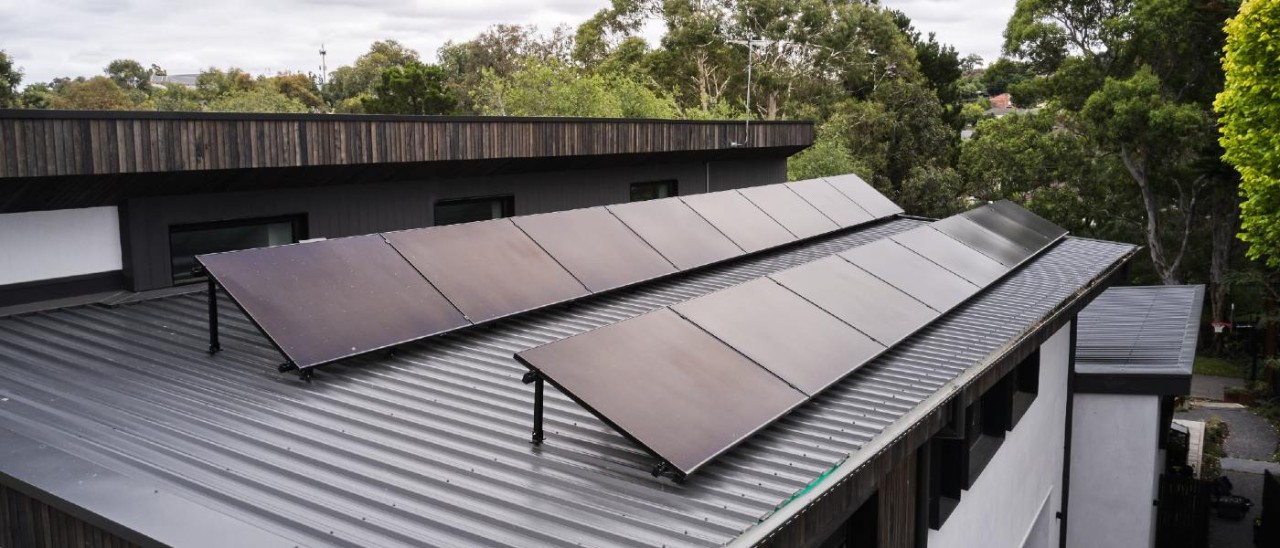
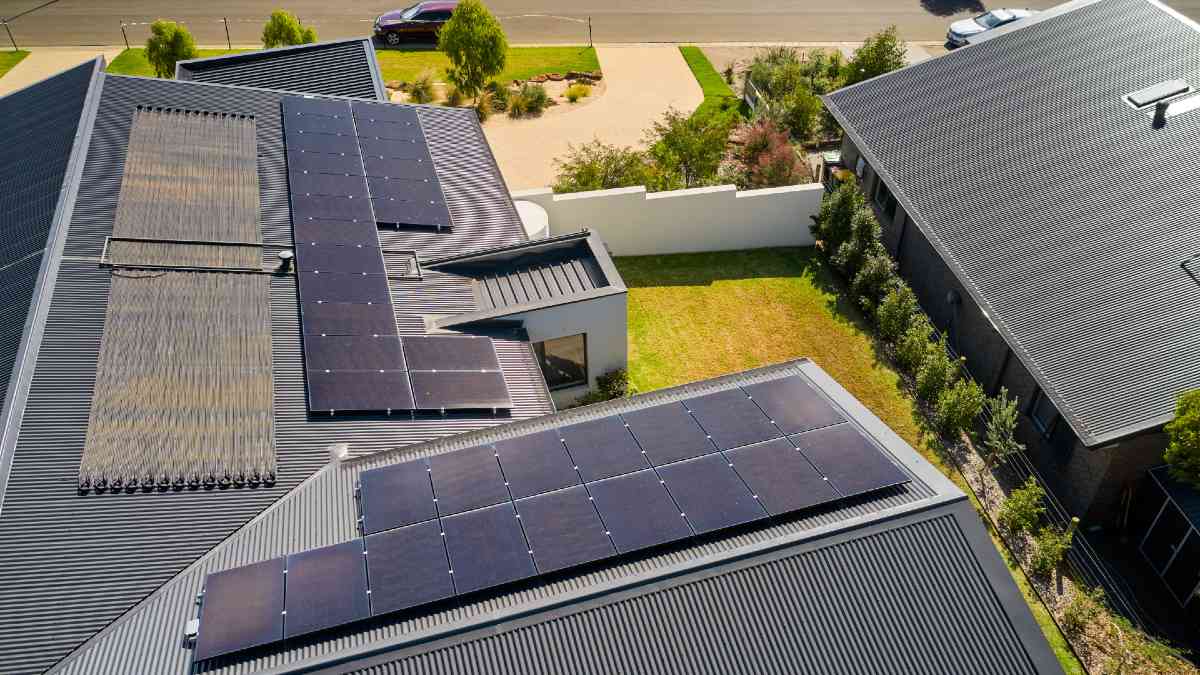
The Victorian Government's Solar Homes Program is the primary incentive for households installing solar panels.
It's important to note that there will be changes to income eligibility from 1 July 2026, when the income cap will drop from $210,000 to $150,000. To be considered under the current $210,000 income threshold, households have until 5pm, 30 June 2026 to submit their application to Solar Victoria. Applications lodged after this date will be assessed under the updated $150,000 income threshold.
Eligible owner-occupiers can access:
- a rebate of up to $1,400 on the cost of installing a solar panel (PV) system
- an optional interest-free loan of up to $1,400, repayable over four years.
To qualify, you must meet the following criteria:
- be the owner-occupier of an existing property, or the owner of a home under construction, where the system is to be installed
- property value below a specified threshold ($3 million)
- combined household taxable income under a set limit
- property address that hasn't had a solar panel system installed in the last 10 years
- property address that hasn't previously received a solar panel or solar battery rebate under the Solar Homes Program
- installation of approved solar products by an approved solar retailer (like RACV Solar).
The rebate is applied upfront, meaning you pay less at the time of installation rather than claiming it later.
This program has already helped hundreds of thousands of Victorian households install solar panels, making it one of the most widely used renewable energy incentives in the state. To apply for the Solar Victoria rebate, you must first first get a quote from an authorised/approved retailer such as RACV Solar.
Solar panel interest-free loan
You can reduce your upfront cost further by getting an interest-free loan to match your rebate amount. If approved, the loan amount is processed with your rebate and paid directly to your solar retailer.
Your loan repayments:
- are paid monthly over four years
- are automatically debited from your bank account
- begin 30 days after your installation is approved.
How to apply
To apply for a solar rebate in Victoria under the Solar Homes Program, you should:
- check your eligibility
- talk to an authorised solar retailer like RACV Solar to select an appropriate system
- ask for a written quote, which your retailer will upload into the Solar Victoria portal
- Wait for an email confirming the quote has been uploaded
- get pre-approval from the program
- prove you are eligible by uploading your paperwork into the portal
- wait for the program to confirm your eligibility and send your QR code
- installation of the new system (typically within 120 days, or 270 days for homes being built)
- pay the difference (total cost minus rebate) to the retailer
- start repaying the interest-free loan (if you opted for one)
You must not install your system before your eligibility is approved, or you will not receive a rebate.
More: What makes a good solar provider?
Solar for Rentals
Landlords can also benefit from the Solar Homes Program.
Under the solar for rentals stream, eligible rental providers can receive a rebate of up to $1,400 for the installation of solar panel (PV) systems on a maximum of two rental properties each financial year. They can also apply for an interest-free loan to match the rebate amount.
Landlords must meet certain criteria, including:
- a Solar Homes Program Agreement signed by you and your tenant(s)
- a property value under $3 million
- your tenants have a combined household taxable income under a set limit
- a property address that hasn't previously received a solar panel or solar battery rebate under the Solar Homes Program
- installation of approved solar products by an approved solar retailer (like RACV Solar).
This initiative aims to help renters save on their energy bills, while encouraging landlords to invest in energy-efficient upgrades that can also increase property value.
The Solar Homes Program provides rebates for installing solar panel (PV) systems.
Solar battery discount in Victoria and Australia
Cheaper Home Batteries Program
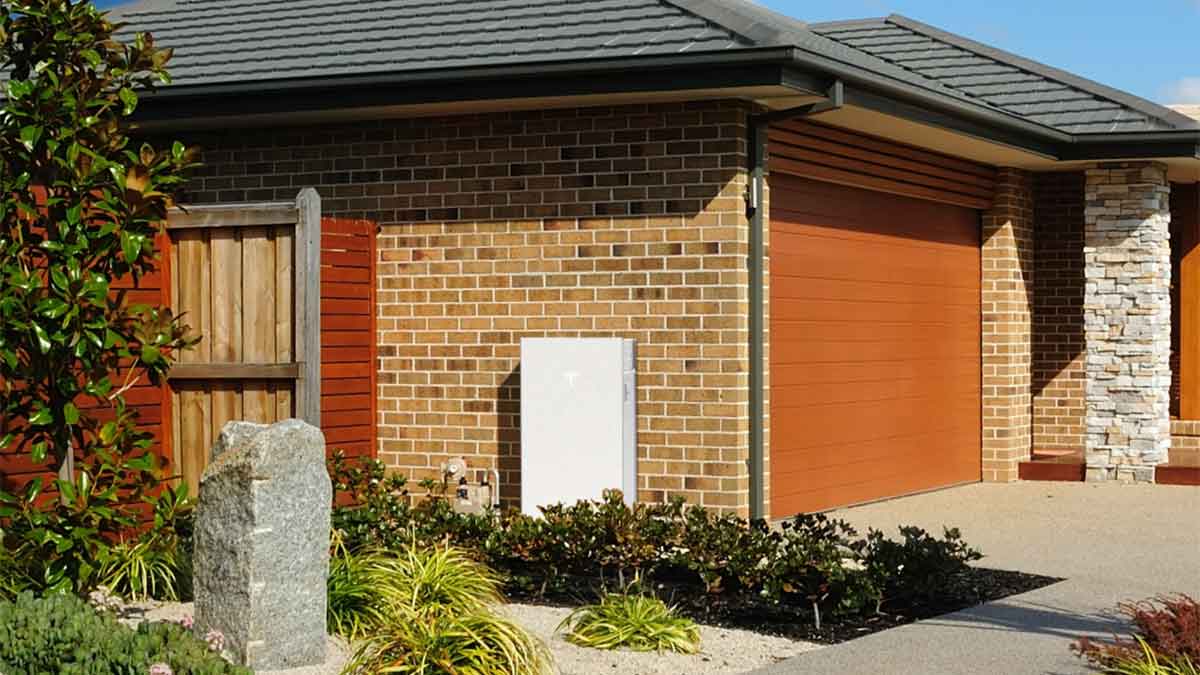
The federal Cheaper Home Batteries Program is available to help more households install solar batteries.
This discount is based on small-scale technology certificates (STCs) which are generated when a household battery is installed, and is calculated based on the battery's useable capacity.
Eligible Australian households can receive a discount of around 30 per cent on the upfront cost of installing a range of small-scale battery systems (5kWh to 100kWh) connected to new or existing solar PV systems.
The Cheaper Home Batteries Program is not means tested. Instead, the battery system must be:
- in the range of 5kWh to 100kWh in nominal capacity
- accredited by the CEC and listed on the relevant CEC approved product list
- have the technical capability to participate in a VPP, if an on-grid system.
Read more on eligibility criteria on the program's website.
More: Guide to Tesla Powerwall 2 for solar
How to apply
You do not need to apply for the Cheaper Home Batteries discount.
Your accredited installer/retailer will either offer an upfront reduction on the cost of the battery, or a rebate after installation. Talk to your installer/retailer to ensure your battery will meet eligibility criteria.
The Cheaper Homes Battery program can help households afford solar battery installation.
Solar hot water rebates in Victoria
Hot water accounts for 15 to 30 per cent of household energy use, according to Solar Victoria. Therefore, switching to a more efficient system can deliver significant savings over time.
Solar Homes Program: hot water rebate
The Victorian Government's Solar Homes Program also includes a hot water rebate.
The rebate is calculated, after any other discounts have been applied, as a 50 per cent rebate on the purchase price of the product:
- up to $1,000 for installing an approved solar or heat pump hot water system; or
- up to $1,400 if you install an eligible Australian-made system.
Eligible systems generally include:
- solar hot water systems (roof-mounted collectors using sunlight)
- heat pump hot water systems (which extract heat from the air).
Both options are significantly more energy-efficient than traditional electric or gas storage systems and can reduce ongoing energy bills.
To qualify for the hot water rebate, households typically must:
- be owner-occupiers of an existing property
- have a property value under $3 million
- have a household taxable income under a set limit
- have a property address that hasn't already received a hot water or a solar battery rebate under the Solar Homes Program
- be replacing a hot water system that is at least three years old from the date of purchase
- use eligible products and an authorised hot water retailer (like RACV Trades).
The rebate is not available for new builds, as it's designed to encourage upgrades from less efficient systems.
How to apply
To apply for solar rebates in Victoria under the Solar Homes Program, you should:
- check your eligibility
- talk with an authorised retailer like RACV Trades to select an appropriate system
- ask for a written quote, which your retailer will upload into the Solar Victoria portal
- wait for an email confirming the quote has been uploaded
- get pre-approval from the program
- prove you are eligible by uploading your paperwork into the portal
- wait for the program to confirm your eligibility and send your QR code
- install the new system (typically within 120 days, or 270 days for homes being built)
- pay the difference (total cost minus rebate) to the retailer
- start repaying the interest-free loan (if you opted for one).
You must not install your system before your eligibility is approved, or you will not receive a rebate.
More: What makes a good solar provider?
Victorian Energy Upgrades (VEU)
Under the Victorian Energy Upgrades (VEU) program, households that install or replace an inefficient gas hot water heater or inefficient electric hot water system can claim:
- a discount between $560 and $910
- $400 in operating costs annually when replacing an existing gas hot water heater with a heat pump water heater.
The house where the upgrade takes place must be at least two years old, and the replacement must be an eligible heat pump hot water heater or solar-boosted water water system.
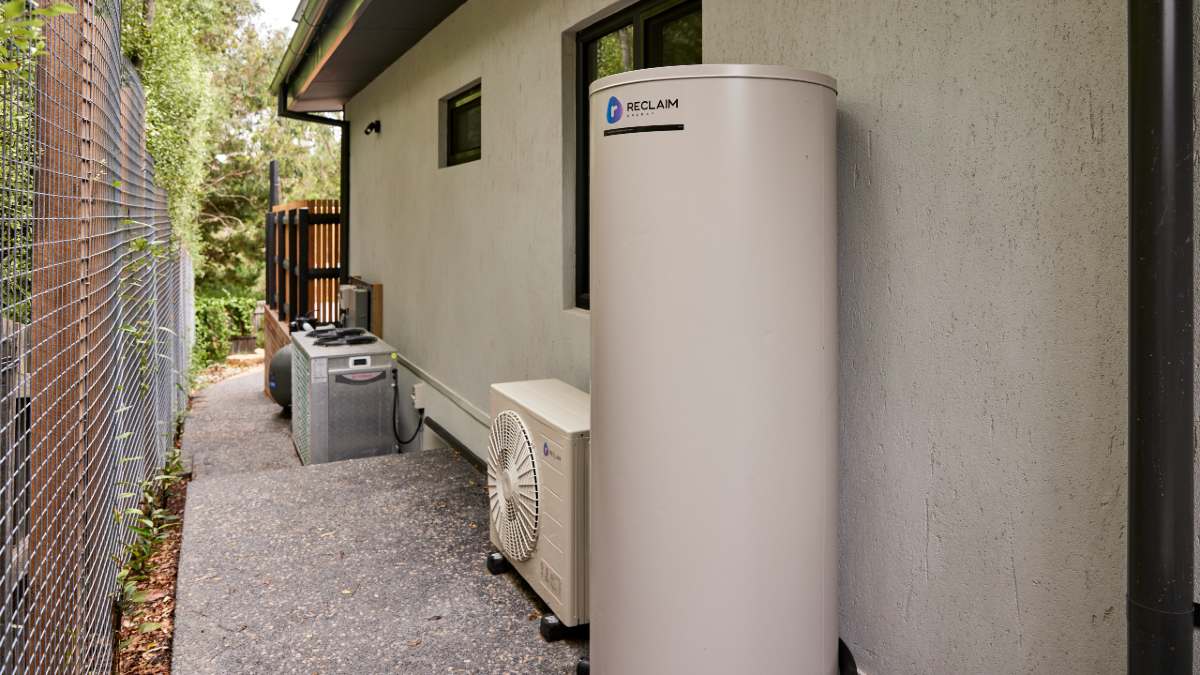
There are rebates available for upgrading to an energy-efficient hot water system.
Other potential incentives and savings
Feed-in tariffs
Victorian households with solar panels can receive payments for excess electricity exported back to the grid. While feed-in tariffs have decreased in recent years, they may still provide a small return on your solar investment.
From 1 July 2025, the Essential Services Commission no longer sets a minimum feed-in tariff in Victoria. Energy retailers can set their own rates, provided they are not below 0.00 c/kWh, so it’s worth comparing offers to find the best deal.
Energy retailer incentives
Some electricity providers offer additional benefits such as sign-up credits, promotional feed-in tariff rates, or plan discounts for solar customers.
These can complement government rebates, but should be weighed against long-term costs.
Key considerations for upgrading solar systems
Before committing to solar panels, batteries or hot water upgrades, here are some things to consider.
- System suitability - your energy usage patterns and household size will influence the best system for your needs.
- Upfront cost vs savings - even with rebates, there is an initial investment. Solar panels typically offer faster payback than batteries, while hot water upgrades can deliver steady savings.
- Installer accreditation - rebates require approved installers. Always compare quotes and check credentials.
- Property suitability - roof orientation, shading and available space can affect solar performance. A reputable solar company will take all of this into consideration while designing and quoting your system.
- Staging your upgrades - some households install solar panels first, then add batteries or upgrade hot water systems later. Talk to your retailer about your priorities to ensure you're planning adequately for your future.
More: What to consider when upgrading your solar power system
FAQ: Solar rebates in Victoria
What rebates are available for solar panels in Victoria?
Eligible households can access up to $1,400 through the Solar Homes Program, plus federal STC incentives.
Are battery rebates still available in Victoria?
Battery rebates are available and accessed via the federal Cheaper Homes Battery program.
What is the hot water rebate in Victoria?
Eligible households can receive up to $1,000 (or $1,400 for Australian-made systems) for solar or heat pump hot water upgrades through the Solar Homes Program.
Can renters access solar rebates?
Renters cannot apply directly, but landlords can access rebates for rental properties.
Do I need to pay upfront and claim later?
No. Most rebates are applied upfront as a discount through your installer.
Are there income limits?
The Solar Homes Program includes income and property value thresholds, but the Cheaper Homes Battery Program is not means-tested.
Is a solar battery worth it in Victoria?
It depends on your usage and budget. Batteries offer energy independence but typically have longer payback periods than solar panels.
*Rebate information valid as of 13 April 2026. Although we endeavour to keep this information up to date, we recommend that you also check the source sites for each rebate.

