
From smart watches to exercise equipment, clothing and glasses, here are some common household items you might forget to cover adequately with insurance.
Home Insurance
Does home insurance cover termite damage?
Termites can cause expensive structural damage to Australian homes. Find out whether home insurance covers termite damage, how to spot an infestation and ways to protect your property.
Termites are a common concern for Australian homeowners, particularly in areas with warm temperatures and moisture. These timber-eating pests can cause significant damage to a property, often without obvious warning signs.
But does home insurance cover termite damage? While home insurance can provide financial protection against certain unexpected events, termite damage is generally excluded from standard policies.
Understanding what termite signs to look for and how to prevent infestations can help you protect your home from costly repairs.
More: How to keep common pests out of your house - termites, rodents and cockroaches
What is termite damage and why can it be so costly?
Termites feed on cellulose, a material found in timber and other plant-based products. When termites enter a home, they can damage structural and non-structural timber.
Common examples of termite damage include:
- weakened timber wall frames and roof supports
- damaged floorboards, skirting boards and door frames
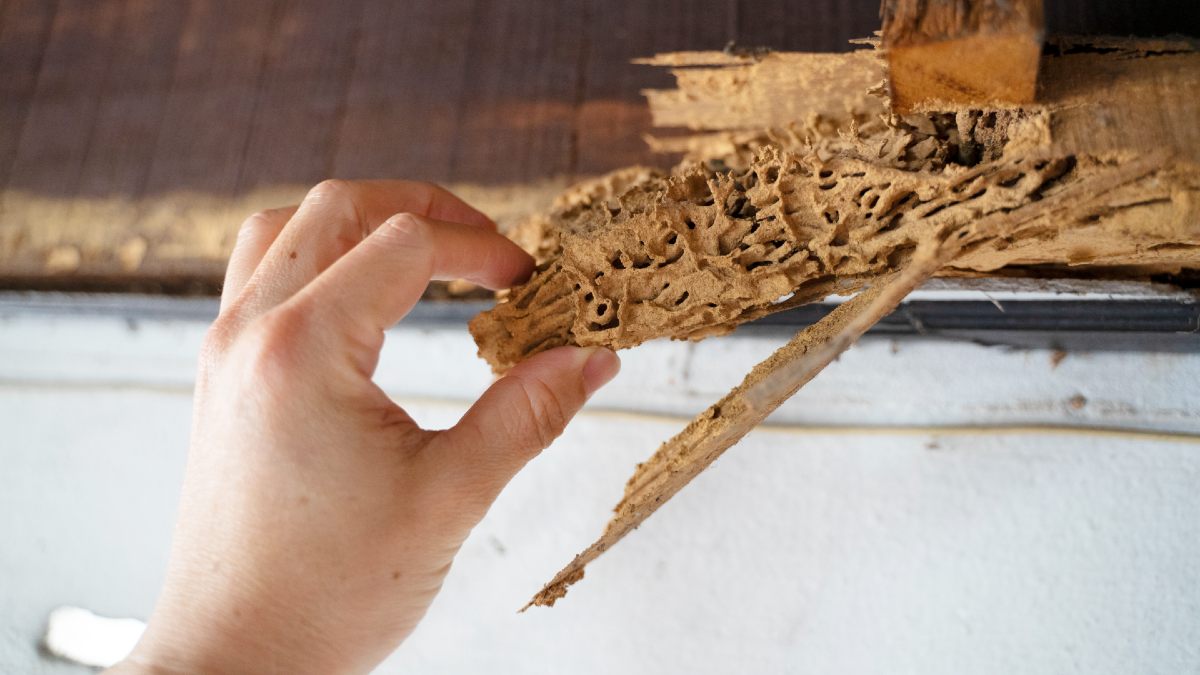
- hollowed-out timber beams and supports
- damage to wooden fixtures and cabinetry.
Termite damage can be particularly expensive because infestations often remain hidden until significant deterioration has occurred.
Repair costs depend on the extent of the infestation, accessibility of affected areas and whether structural components need replacing. Severe infestations may require extensive building repairs, professional pest treatment and temporary relocation.
Are termites covered by home insurance?
No, most standard home insurance policies in Australia don't cover damage caused by termites. This includes damage to timber framing, flooring, walls and other structural components.
Home insurance generally covers specified insured events, such as storms, fires and certain types of water damage, rather than damage caused by pests.
If you're looking for termite damage insurance or pest damage insurance, it's important to understand that these aren't typically included in standard home insurance policies.
Always check your insurer's Product Disclosure Statement (PDS) to understand what's covered and excluded.
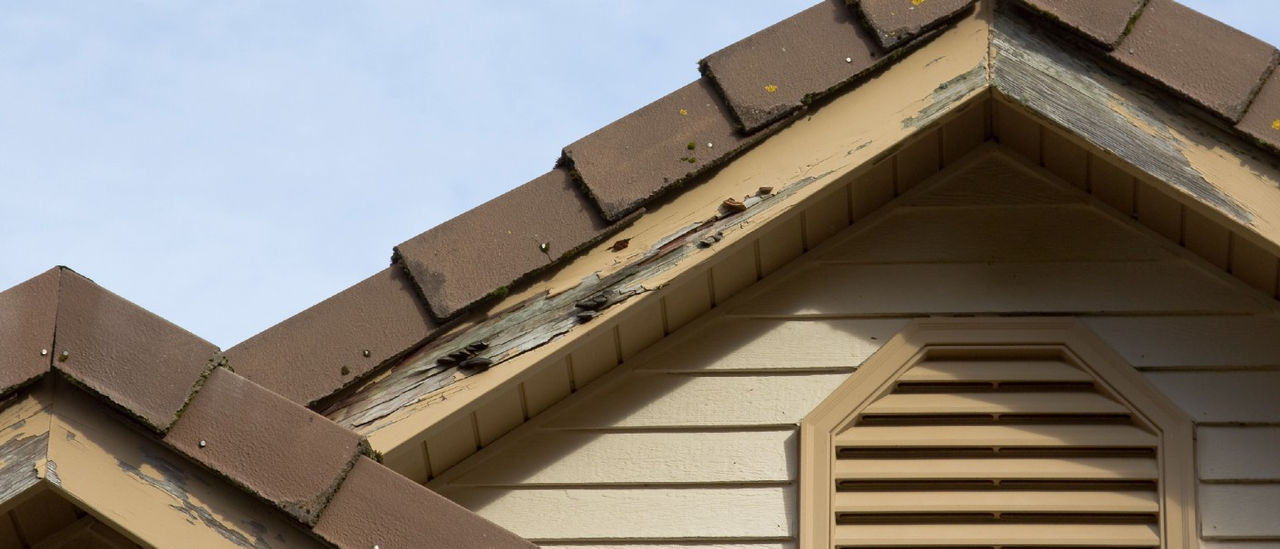
Termite damage is not usually covered by home insurance. Image: Getty
Why isn't termite damage usually covered by insurance?
Termite damage is generally excluded because insurers consider pest infestations a maintenance and prevention issue rather than a sudden, unexpected event.
Unlike a storm or fire, termite infestations typically develop gradually. Termites can remain undetected for months or even years, progressively weakening timber structures.
Insurers generally expect homeowners to take reasonable steps to maintain their property and help prevent avoidable damage. This is why regular termite inspections, pest management and property maintenance are important, even if you have comprehensive home insurance.
Are there any situations where termite-related damage may be covered?
Although termite damage itself is generally excluded, there may be limited circumstances where an insurance policy covers a separate event associated with an infestation.
Under RACV Home Insurance, if termites damage electrical wiring and a fire subsequently occurs, an insurer may consider covering the resulting fire damage, depending on the policy's terms, exclusions and circumstances.
However, the original termite damage would generally remain excluded.
Some pest control providers also offer termite management warranties or guarantees. These aren't the same as home insurance and may have strict conditions, exclusions and coverage limits.
If you're considering termite insurance, carefully review what's included before purchasing any protection plan.
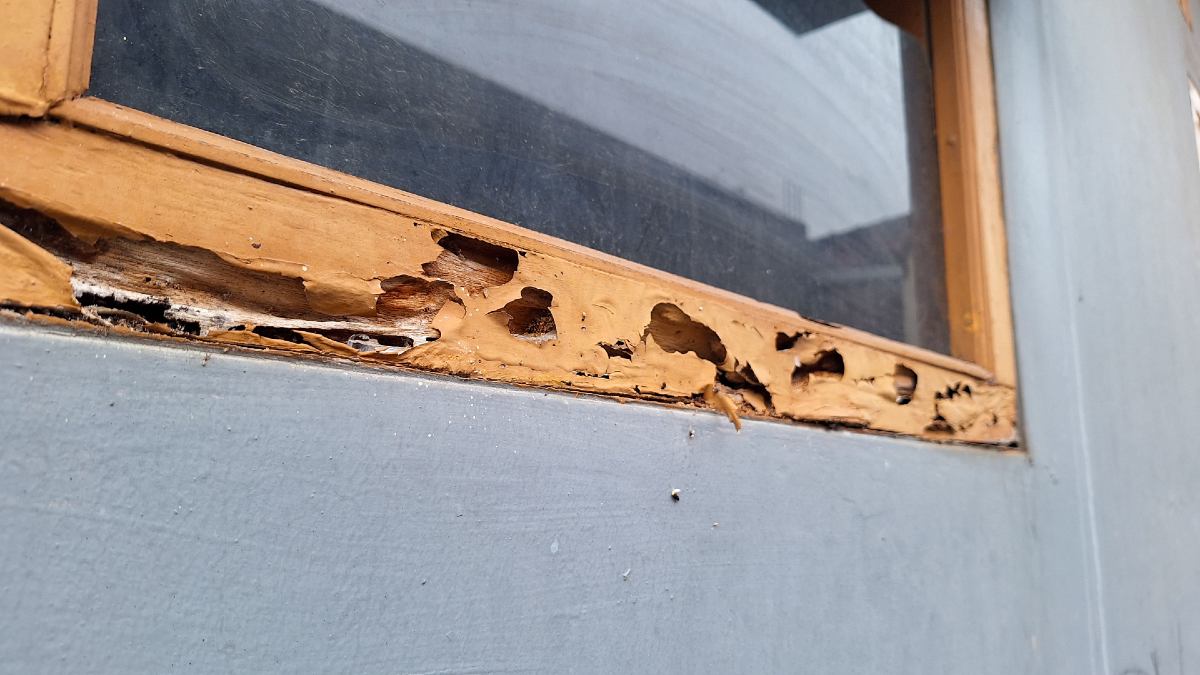
Termites can cause a lot of damage to your home. Image: Getty
What are the signs of termite damage to look out for?
Termites can be difficult to detect because they often feed inside timber, leaving the exterior relatively intact.
Common warning signs include:
- hollow-sounding timber - wooden surfaces that sound hollow when tapped.
- mud tubes - narrow, mud-like tunnels along walls, foundations or timber.
- damaged wood - crumbling timber, blistering surfaces or sagging floors.
- discarded wings - small piles of wings near windows or doors.
- sticking doors and windows - changes caused by distorted or damaged timber.
Not all these signs indicate termites, but they warrant further investigation.
How can you help protect your home from termites?
Prevention is one of the most effective ways to reduce the risk of expensive termite damage.
Australian homeowners, including those in Melbourne and regional Victoria, can take several practical precautions:
- Arrange regular termite inspections by a qualified pest professional, generally at least annually or as recommended for your property.
- Repair leaking taps, pipes and gutters to reduce moisture around the home.
- Keep garden beds, mulch and stored timber away from direct contact with the building.
- Avoid storing firewood against external walls.
- Ensure subfloor areas have adequate ventilation and drainage.
- Keep termite inspection zones and existing termite management systems accessible and maintained.
A professional pest inspector can also recommend suitable termite management measures based on your home's construction and location.
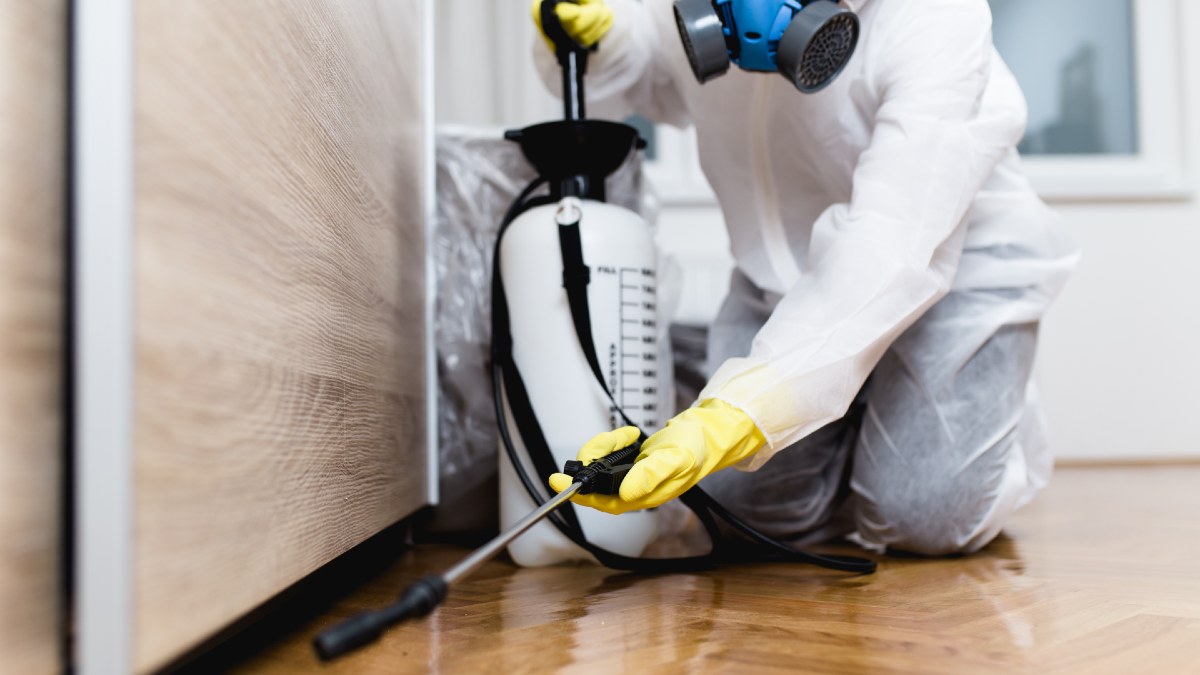
Contact a professional pest control service to take care of termites. Image: Getty
What should you do if you discover termites in your home?
If you suspect termites, avoid disturbing the affected area or attempting DIY treatment, as this may cause termites to relocate and make professional treatment more difficult.
Contact a licensed pest control professional promptly to assess the infestation, identify the termite species and recommend treatment. If structural damage is suspected, arrange an assessment by an appropriately qualified building professional before undertaking repairs.
Document any visible damage and contact your home insurer if you're unsure whether any associated damage may be covered. While standard home insurance generally doesn't cover termite damage, having appropriate home insurance remains important for protecting your property against other insured events.
RACV Trades is a trading name of RACV's trade partner, Club Home Response Pty Ltd (Victorian registered domestic building practitioner number CDB-U 100178). All works are performed or arranged by Club Home Response Pty Ltd. trading as RACV Trades. See RACV Trades terms and conditions.
The information provided is general advice only. Before making any decisions please consider your own circumstances and the Product Disclosure Statement and Target Market Determinations. For copies, visit racv.com.au. As distributor, RACV Insurance Services Pty Ltd AFS Licence No. 230039 receives commission for each policy sold or renewed. Product(s) issued by Insurance Manufacturers of Australia Pty Ltd ABN 93 004 208 084 AFS Licence No. 227678.

