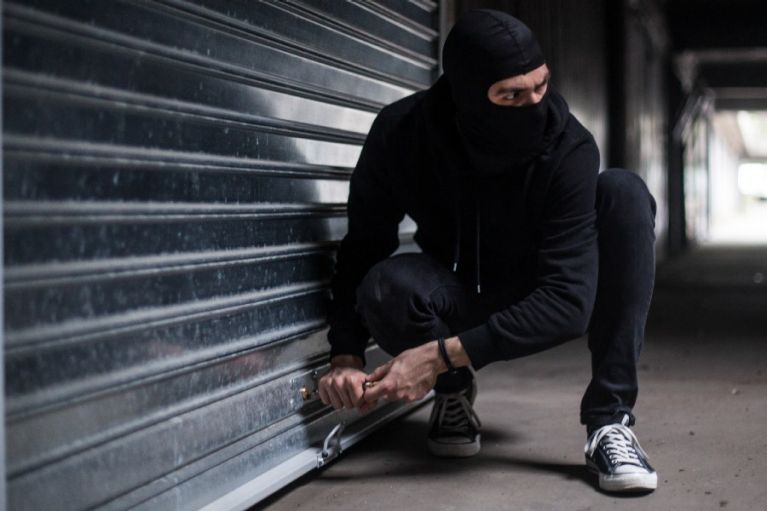
Despite the number of break and enter offences in the home falling in recent years, garages are a prime target for burglars. Here's how to help keep your garage safe.
Security


Keep your street clean
How to improve neighbourhood security: street safety tips
Learn how to improve security in your street or neighbourhood with practical tips, from lighting and cameras to community watch and crime prevention strategies.
There were 348,770 property and deception offences reported across Victoria in 2025, according to the Crime Statistics Agency (CSA): a 2.3 per cent increase on the previous year. These offences included burglary, theft, breaking and entering, and property damage.
The RACV Home Safety Pulse survey also revealed that one in five Victorians don't feel safe at home, while one in three Victorians feels less safe than they did 12 months ago.
Neighbourhood Watch CEO Bambi Gordon encourages Victorians to work with their neighbours to improve security in their street or court, which can discourage criminals from targeting their property.
"A connected community is a safer community," says Gordon. "People feel safer when they know their neighbours and look out for one another." As Neighbourhood Watch's campaign says, there is safety in neighbours.
Here's how to strengthen security in your street or neighbourhood, from low-cost changes to more coordinated community efforts.
More: Burglary, car theft and retail crime rises across Victoria
How to make your street safer from theft
Get to know your neighbours
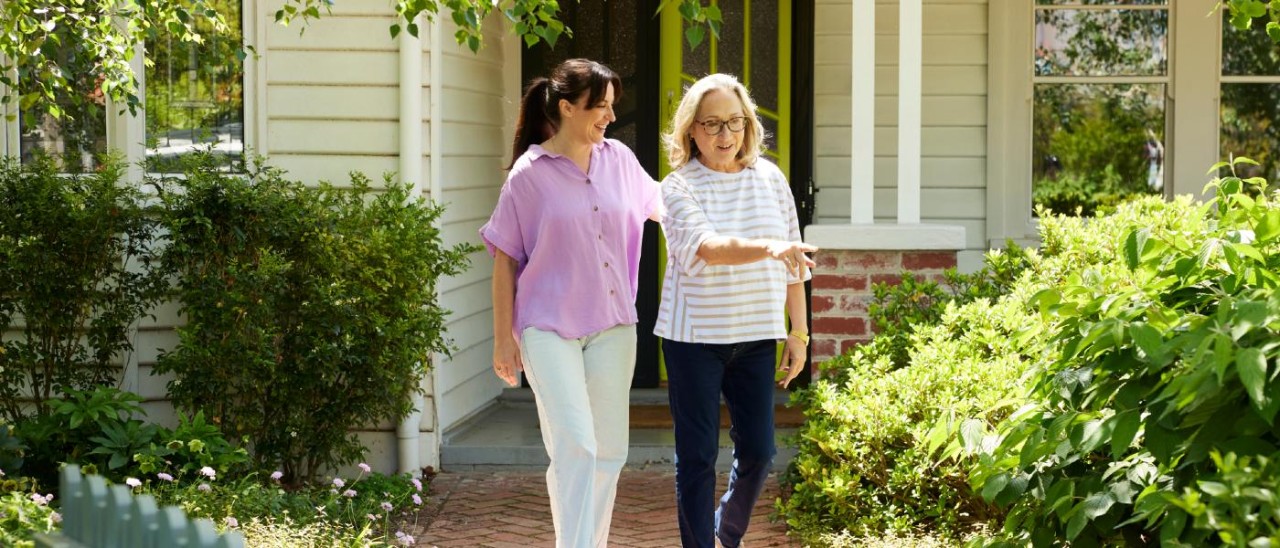
One of the most effective (and often overlooked) ways to improve neighbourhood security is simply knowing the people around you.
"When neighbours recognise each other and communicate regularly, unusual activity is more likely to be noticed and reported," Gordon points out. "A stranger loitering, an unfamiliar vehicle parked for extended periods, or suspicious behaviour becomes easier to identify when there's a baseline of familiarity."
Here are some ways to make your street safer:
- Introduce yourself to new neighbours.
- Sharing contact details with those nearby.
- Create a group chat or email list for quick communication.
- Check in on neighbours' properties when they're away.
- Boost community engagement by starting a street walking group or book club, organising street barbecues or picnics, arranging regular playdates for neighbourhood kids or dogs, etc.
Strong social connections are the foundation of a secure community. Opportunistic offences such as car theft, burglary and vandalism often occur in areas where offenders perceive low risk. A well-connected, alert community signals the opposite, making your neighbourhood less attractive to potential criminals.
Join Neighbourhood Watch
"One of the best things you can do to improve security in your street is to join your local Neighbourhood Watch group," Gordon says.
Neighbourhood Watch started in Victoria in 1983 as a Victorian Police community program to help prevent crime. Since 2013 it has been an independent not-for-profit organisation, with tens of thousands of volunteers working in partnership with local police.
Neighbourhood Watch members can report any suspicious behaviour or criminal activity to their community and police, so that local residents can stay alert and law enforcement can respond more efficiently. They can also share safety and security tips and put up signs to let criminals know that the neighbourhood is being proactive.
If there isn't yet a Neighbourhood Watch group in your street, apartment block or suburb, start one and invite your neighbours to join.
Forming good relationships with your neighbours can boost community security.
Have a system in place for absent neighbours
Having a sense of community encourages residents to look out for one another. This is especially important when you or your neighbour is away from the home for an extended period.
If you go on a road trip or a holiday, ask your neighbours to make it look like you're still home by:
- collecting your mail
- putting out and taking in bins
- parking their car in your driveway occasionally
- switching your exterior lights on at night.
"Criminals are generally risk-averse, so they prefer to target homes they think are empty," Gordon says. "Making your home look occupied can help dissuade burglary."
More: What thieves want to steal from your home while you're on holiday
Improve street lighting
Darkness is a criminal's best friend. Poorly lit areas provide cover for offenders, while well-lit streets increase visibility and reduce hiding spots.
Ways to improve neighbourhood lighting include:
- installing motion-sensor lights around entry points on properties
- encouraging neighbours to keep outdoor lights on at night
- reporting broken or inadequate streetlights to your local council
- lighting up shared areas such as laneways and footpaths.
A well-lit street sends a clear message that activity is visible and monitored.
Motion-sensing floodlights can help deter burglars. Image: Getty
Secure vehicles and driveways
Car theft and theft from vehicles are among the most common neighbourhood crimes, but they're also highly preventable.
- Always lock cars, even when parked at home.
- Remove valuables from their cars when parked.
- Install driveway cameras or security lighting.
- Park in garages where possible, and well-lit areas if not.
If your street has shared driveways or limited parking, coordinating with neighbours to maximise visibility can help reduce risk.
Consider installing security cameras and alarms
Some neighbourhoods hire security patrols to actively patrol their streets in the hope of preventing crime. But legitimate organisations like Neighbourhood Watch don't encourage this practice.
"Patrols are usually not that effective in preventing crime," Gordon says. "Residents tend to rely upon security patrols as a silver bullet in deterring crime and may become lackadaisical in their own security measures. The simple existence of patrols also contributes to people's fear."
Instead, consider installing security measures like:
- CCTV cameras covering entry points and streets
- video doorbells for monitoring front doors
- alarm systems linked to mobile devices
- smart lighting that can be controlled remotely.
Criminals don't want to be caught and are much less likely to approach areas they know are guarded by security technology. When multiple households adopt visible security measures, it creates a layered deterrent effect.
Keep your street clean
Neglected properties and streets can encourage burglars and vandals, while a well-maintained street signals that its properties are occupied and cared for.
Simple steps include:
- keeping lawns trimmed and gardens tidy
- collecting mail promptly or arranging for it to be held when away
- repairing broken fences, gates or locks promptly
- avoiding obvious signs of absence, such as overflowing bins or uncollected parcels.
You can also organise a community clean-up in your street or neighbourhood, where you and your neighbours clear away litter, remove graffiti, and trim overgrown bushes and trees. This tells criminals that you care about the area and pay attention to what's happening in the neighbourhood.
Manage access points and shared spaces
In courts, cul-de-sacs or apartment complexes, shared access points can present security challenges. Consider:
- installing secure gates or controlled entry systems where appropriate
- ensuring shared garages or storage areas are locked
- keeping communal spaces clean and well-lit
- monitoring who has access to keys, codes or fobs.
Limiting unauthorised access reduces the likelihood of opportunistic crime.
Look out for vulnerable residents
A strong neighbourhood looks after all its members, particularly those who may be more vulnerable.
This might include elderly residents, people living alone, or families who are frequently away. Offering support such as collecting mail, putting bins out or checking in periodically helps ensure no one is isolated or overlooked.
Report suspicious activity
Prompt reporting is essential for effective crime prevention. If something doesn't seem right, it's better to report it than ignore it.
Encourage your community to:
- contact police for suspicious behaviour or incidents
- use non-emergency reporting channels where appropriate
- share relevant information with neighbours (without causing alarm).
The more information authorities have, the better they can respond and allocate resources.
The information provided is general advice only. Before making any decisions please consider your own circumstances and the Product Disclosure Statement and Target Market Determinations. For copies, visit racv.com.au. As distributor, RACV Insurance Services Pty Ltd AFS Licence No. 230039 receives commission for each policy sold or renewed. Product(s) issued by Insurance Manufacturers of Australia Pty Ltd ABN 93 004 208 084 AFS Licence No. 227678.
RACV Security Pty Ltd ABN 49 079 148 342 trading as RACV Home Security. Security Licence (Vic.) 733-411-10S and Security Registration (Vic.) 733-411-31S. RACV Home Security system images may differ from the products provided.

