
Learn the safest places to keep your house and car keys, how to store spare keys securely and simple habits that can help prevent lost keys.
Maintenance
How to maintain your locks and keys
Keep your locks in top shape and find out why maintenance matters for security and convenience in this guide.
Well-maintained locks and keys are essential for home security and everyday convenience. Locks are used multiple times a day and are exposed to wear, weather and debris (like dirt). Without regular care, even high-quality locks can become stiff, unreliable or fail altogether.
Whether it's your front door lock, garage door lock, letterbox lock or car ignition, a dodgy lock can be annoying and decrease security. Here's how to maintain your locks and keys, why preventative maintenance matters, and when it's time to call a professional locksmith.
Why lock and key maintenance matters
Locks are precision mechanical devices. Inside every door lock or car ignition is a series of pins, wafers or tumblers that must align perfectly for a key to turn. Over time, dust, moisture, corrosion and general wear can interfere with these components.
Regular lock and key maintenance helps to:
- keep locks operating smoothly and quietly
- reduce wear on keys and internal components
- prevent keys snapping or getting stuck
- lower the risk of lock failure or lockouts
- extend the life of locks, reducing replacement costs
- maintain home and vehicle security.
In Australia, environmental factors such as coastal salt air, dust, humidity and temperature changes can accelerate wear, making routine care particularly important.
Common signs your locks need attention
Locks rarely fail without warning. Watch for these early indicators:
- keys are difficult to insert or remove
- locks feel stiff, sticky or rough when turning
- keys require jiggling or extra force to work
- locks squeak or grind during use
- visible rust or corrosion on the lock or key
- keys show signs of bending or worn teeth.
Addressing these issues early can help avoid more serious problems later.
How to maintain household door locks
Keep locks clean
Dust and debris are common causes of stiff or unreliable locks, particularly in external doors.
To clean a door lock:
- Wipe the exterior with a soft, dry cloth.
- Use compressed air to gently blow dust from the keyway.
- Avoid inserting cotton buds, paper clips or sharp objects into the lock.
Never use oil-based cleaners, which attract dust and can cause internal components to gum up over time.
Use the right lubricant
Lubrication is one of the most effective ways to maintain locks, but only if the correct product is used.
Use a dry lubricant such as graphite powder or a specialist lock lubricant. Apply it sparingly directly into the keyway, then insert and turn the key several times to distribute the lubricant.
Avoid WD-40, grease or engine oil: these products can provide short-term relief but often lead to long-term problems, unless they are specifically labelled as lock-safe.
Check door alignment
If a lock feels stiff despite being clean and lubricated, the issue may be the door rather than the lock itself.
Signs of misalignment include:
- difficulty locking the door without lifting or pushing it
- deadbolts that don't fully extend
- scratches or wear around the strike plate.
Misalignment can be caused by house movement, worn hinges or changes in temperature. Adjusting hinges or strike plates can significantly reduce strain on the lock.
Protect external locks from the weather
Outdoor locks are exposed to rain, humidity and UV damage. To help protect them:
- install weather shields where possible
- wipe moisture from locks after heavy rain
- lubricate more frequently than indoor locks
- consider corrosion-resistant locks for coastal areas.
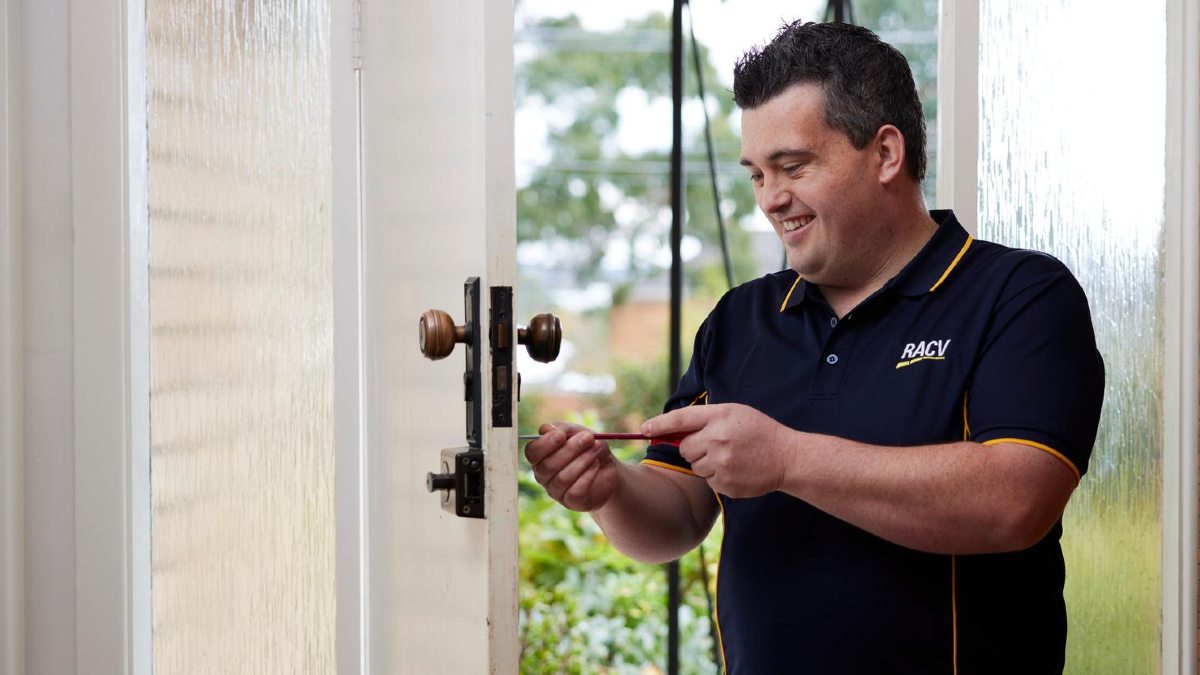
Professional locksmiths can help maintain and repair household locks.
How to maintain keys
Avoid worn or damaged keys
Keys wear down gradually, often without being noticed. Worn keys can damage locks by failing to align internal components correctly.
Replace keys if they are:
- bent or cracked
- noticeably worn or rounded
- difficult to turn despite a well-maintained lock.
Using a damaged key increases the risk of snapping inside the lock.
Don't overload your key ring
Heavy key rings place constant downward pressure on locks, especially in car ignitions. To reduce wear:
- remove unnecessary keys
- avoid novelty keychains with significant weight
- keep vehicle keys as light as possible.
This simple step can significantly extend the life of both keys and locks.
Store spare keys properly
Spare keys should be stored in a secure, dry location. Avoid leaving spare keys outside in obvious hiding spots, or storing keys in damp environments like garages without climate control.
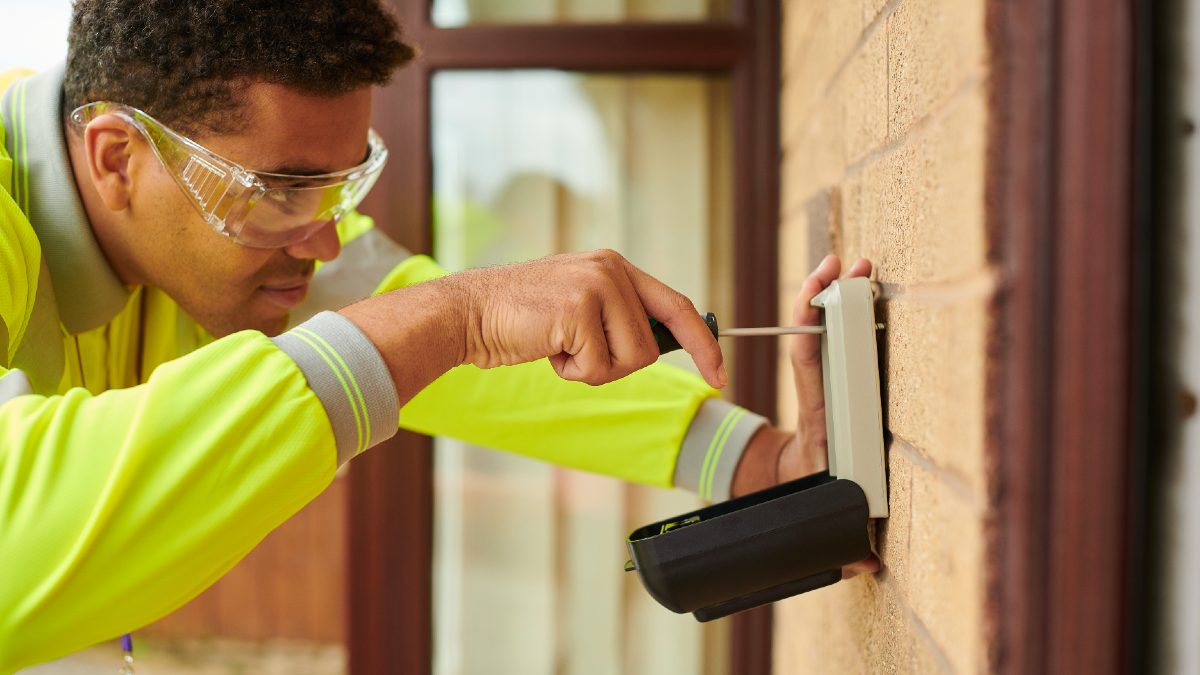
If you use a key safe, ensure it's weather-resistant and securely mounted.
More: Safest places to keep your keys to avoid losing them
Ensure any key safes are weather-resistant and securely mounted. Image: Getty
How to maintain padlocks, garage locks and letterbox locks
Padlocks
Padlocks are often exposed to the elements and require regular care. Best practice for maintaining your padlocks include:
- clean and lubricate padlocks every few months
- avoid leaving padlocks on the ground where moisture accumulates
- use weather-rated padlocks for outdoor applications.
Garage door locks
Garage locks are frequently overlooked, but are a key entrance into your house. To maintain your garage door lock:
- keep lock barrels clean and lubricated
- check that locking mechanisms engage fully
- inspect garage door tracks and alignment, as mechanical strain can affect locks.
More: Best garage door locks to help prevent car theft
Letterbox locks
Letterbox locks are exposed to rain and dust and often fail prematurely. To extend their life:
- use a dry lubricant regularly
- avoid forcing keys
- replace low-quality locks with more durable options if problems persist.
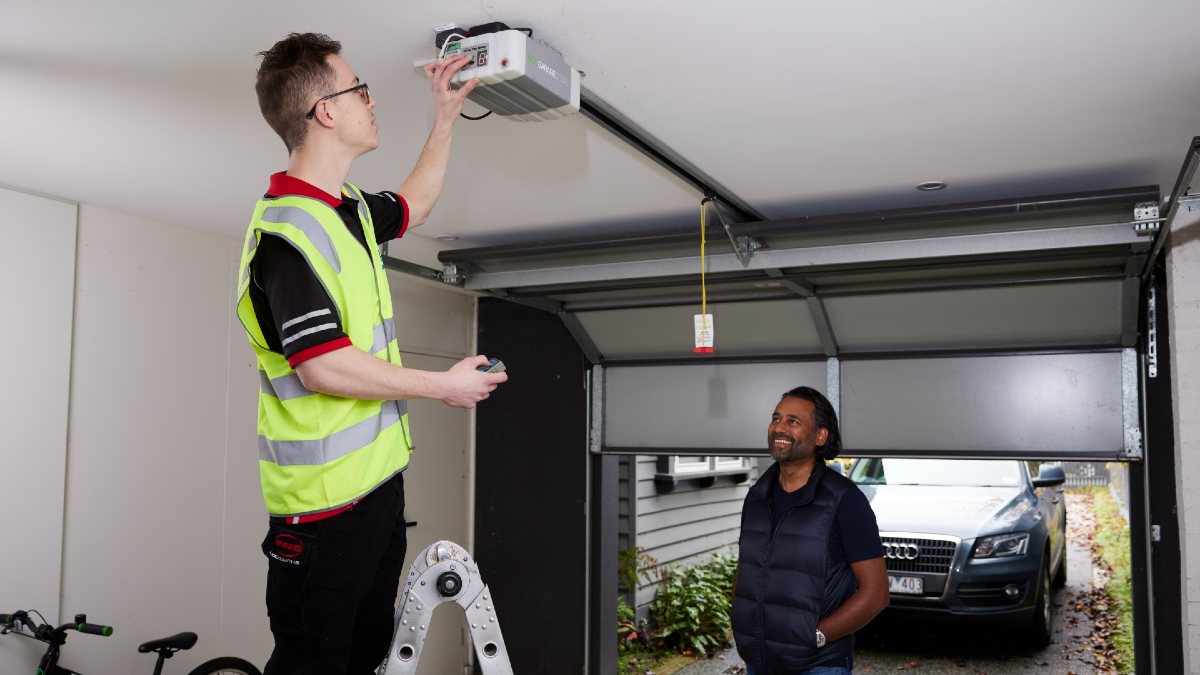
It's important to properly maintain your garage door and its locks for home security.
How to maintain car locks and ignitions
Keep car door locks clean and lubricated
Vehicle door locks are particularly vulnerable to dust and moisture. To help maintain them:
- clean visible dirt from around the lock barrel
- use a lock-specific dry lubricant suitable for automotive use
- lubricate more frequently if you park outdoors.
If a car lock becomes stiff, address it promptly to avoid damaging the key or internal wafers.
Look after car keys and fobs
Modern vehicle keys often contain electronic components that require additional care. To help protect car keys:
- avoid dropping them, which can damage internal circuits
- keep them away from water and extreme heat
- replace batteries in key fobs as soon as performance declines.
A failing key fob battery can sometimes be mistaken for a lock or ignition problem.
Be cautious with ignition issues
If your key won't turn in the ignition, requires force to start the car, or feels loose or inconsistent - stop using it and seek professional advice. Continuing to force an ignition can result in costly damage that may require replacement of the entire ignition barrel.
How often should locks be maintained?
As a general guide:
- Indoor door locks: every 6-12 months
- External locks: every 3-6 months
- Car locks: every 6 months, or more often if exposed to dust or salt air
- High-use locks: inspect and lubricate as soon as stiffness appears.
Regular, light maintenance is more effective than infrequent, heavy intervention.
When to call a professional locksmith
Some problems require expert attention. Contact a licensed locksmith if:
- a key is stuck or broken in the lock
- locks remain stiff after proper lubrication
- a lock has been damaged or forced
- you've moved house and need locks rekeyed.
Professional servicing can restore functionality and ensure your security remains uncompromised.

