
Thinking of purchasing or upgrading your fridge, washing machine, or another appliance? Here’s how to read Energy Rating Labels so you understand energy efficiency.
Energy Efficiency

Best home heating systems in Australia: energy-efficient options compared
Choosing the right heating solution for your home isn't just about staying warm through winter; it's about balancing comfort, energy efficiency and long-term running costs.
With energy prices fluctuating and sustainability front of mind for many Victorian households, selecting an efficient heating system can make a meaningful difference to both your bills and your environmental footprint.
Here are the most common home heating options in Australia, with a focus on how they compare for energy efficiency, performance and suitability.
More: How to switch your home from gas to electricity - costs, benefits and rebates
Why energy-efficient heating matters
Heating can account for a significant portion of household energy use during colder months. Inefficient systems not only drive up energy bills but can also lead to uneven temperatures and wasted energy.
Energy-efficient heating systems use less electricity or gas to produce the same level of warmth, delivering better long-term value despite potentially higher upfront costs.
The right choice will depend on your home size, insulation, budget, and how often you need heating.
More: What energy efficient appliances are worth spending more money on?
Common types of home heating
Heating systems generate heat using either electricity, gas (natural or LPG), or wood. Electricity tends to be the safest and most energy-efficient option. It's also worth noting that new residential dwellings built in Victoria after 1 January 2024 can no longer be built with gas connections.
You will also need to decide between central heating (whole of house) and space heating (individual rooms). It's generally more cost-effective to heat single or multiple rooms rather than your entire home.
More: How upgrading old household appliances could save you money
Energy-efficient heating systems can deliver better long-term value.
Reverse cycle air conditioners (split systems)
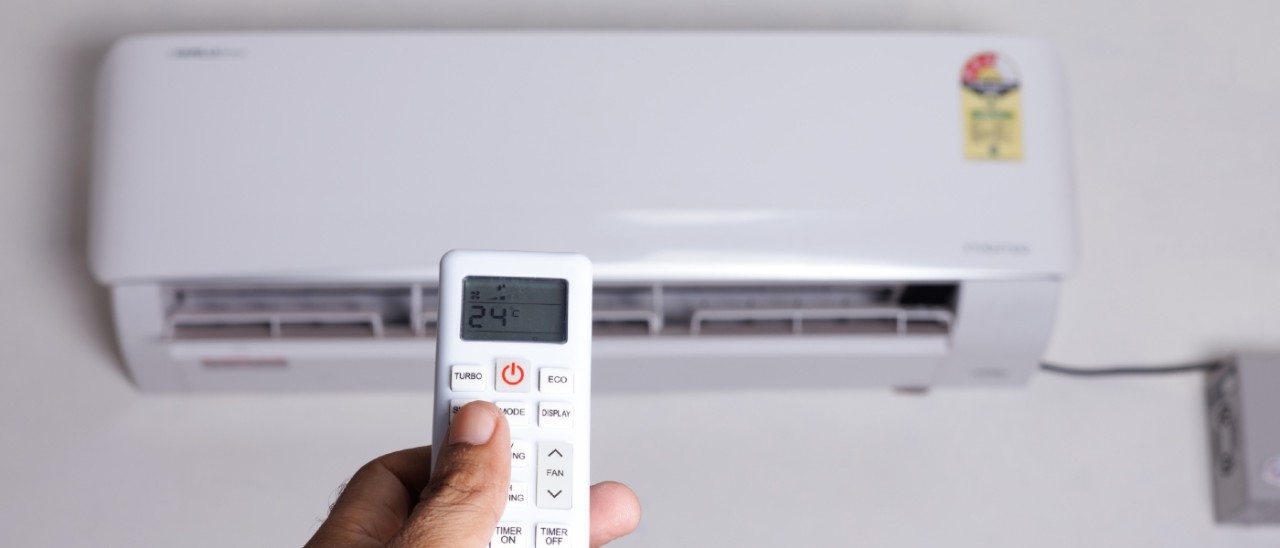
Reverse cycle air conditioners are widely considered one of the most energy-efficient heating options available for Australian homes. These systems extract heat from the outside air (even in cold conditions) and transfer it indoors. Because they move heat rather than generate it, they are highly efficient.
Reverse cycle air conditioners will suit most households, particularly those seeking an all-in-one heating and cooling solution with strong energy performance.
They can be:
- single unit - services a single room
- multi-split - multiple indoor units connected to a single outdoor unit, allowing you to heat several rooms independently
- ducted - a central indoor unit connects to other rooms via ductwork for whole-house heating.
Pros
- High energy efficiency and lower running costs
- Provides both heating and cooling
- Fast, controllable temperature adjustment
- Suitable for single rooms or whole homes (with multi-split systems)
Cons
- Higher upfront installation cost
- Efficiency can drop slightly in extremely cold conditions
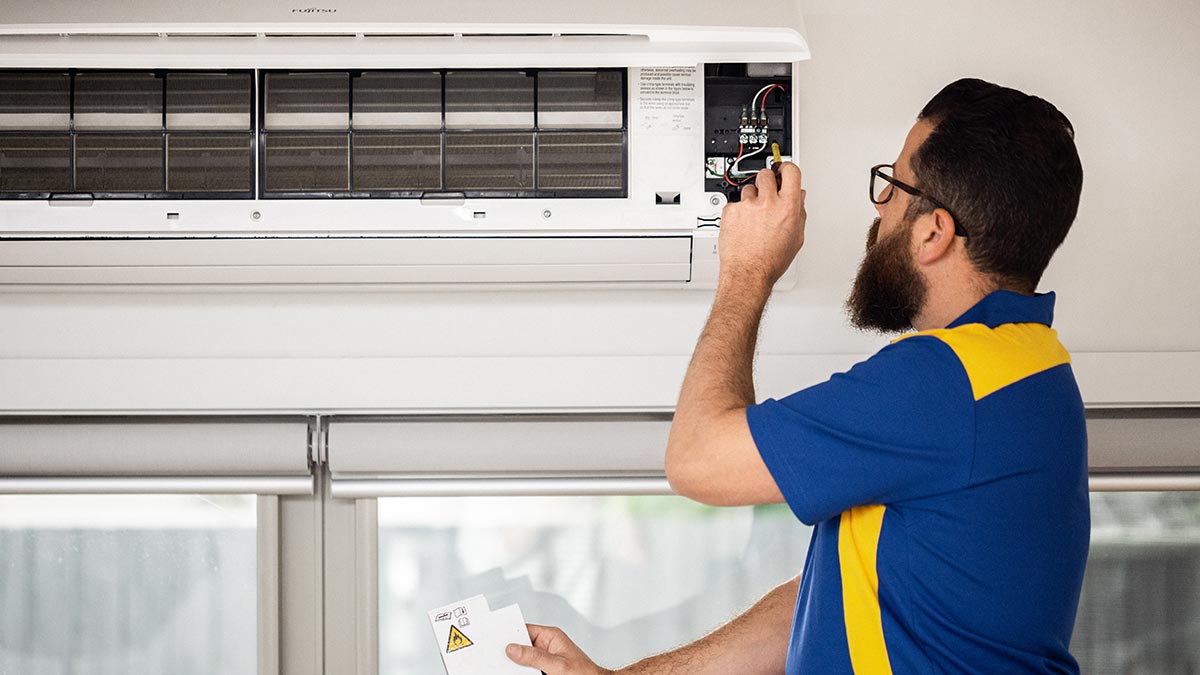
- Requires professional installation
Electric fixed heaters
Electric fixed heaters include wall-mounted panel or convection heaters. They're less efficient overall than reverse-cycle systems, as they convert electricity directly into heat.
Pros
- Simple installation
- Low upfront cost
- Suitable for small rooms
Cons
- Higher running costs
- Less effective for large spaces
Reverse cycle air conditioners are generally the most energy efficient heating choice. Image: Getty
Gas heaters (ducted and space heaters)
Gas heating has traditionally been popular in Victoria, particularly for whole-home systems. They burn natural gas to produce heat, which is then distributed via ducts or released into a room. For homes already connected to gas and needing strong heating performance in colder climates, they can be a sensible heating option.
Modern gas heaters can be relatively efficient, but they are generally less efficient than reverse-cycle electric systems because they require heat generation rather than heat transfer.
Pros
- Heats spaces quickly
- Strong heating performance in cold climates
- Familiar technology in many Victorian homes
Cons
- Higher emissions compared to electric options
- Ongoing gas supply costs
- Heat loss can occur in ducted systems
- Ventilated is required with gas room heaters
- Require installation by a licensed gasfitter
- Require regular servicing to help prevent carbon monoxide leaks
Slow combustion wood heaters
Wood heaters burn firewood to generate heat, creating a traditional and robust heating source.
Modern slow combustion models are more efficient than open fireplaces, but efficiency depends on fuel quality and operation. Rural or regional homes with access to wood fuel can make best use of them.
Pros
- High heat output
- Works during power outages
- Can be cost-effective with access to firewood
Cons
- Requires manual operation and maintenance
- Produces smoke and emissions
- Not suitable for all urban areas
Gas room heaters need regular maintenance.
Portable heating options
Portable electric heaters
Electric heaters are portable heating options that are often used for short-term or supplementary heating in small spaces.
They convert electricity directly into heat, either through convection (heating air) or radiant heat. While nearly all the electricity used is converted into heat, they are less efficient overall compared to reverse cycle systems because they generate heat rather than transfer it.
Pros
- Low upfront cost
- Easy to install (plug-and-play)
- Suitable for small rooms or occasional use
Cons
- Higher running costs
- Less effective for large spaces
- Can dry out the air
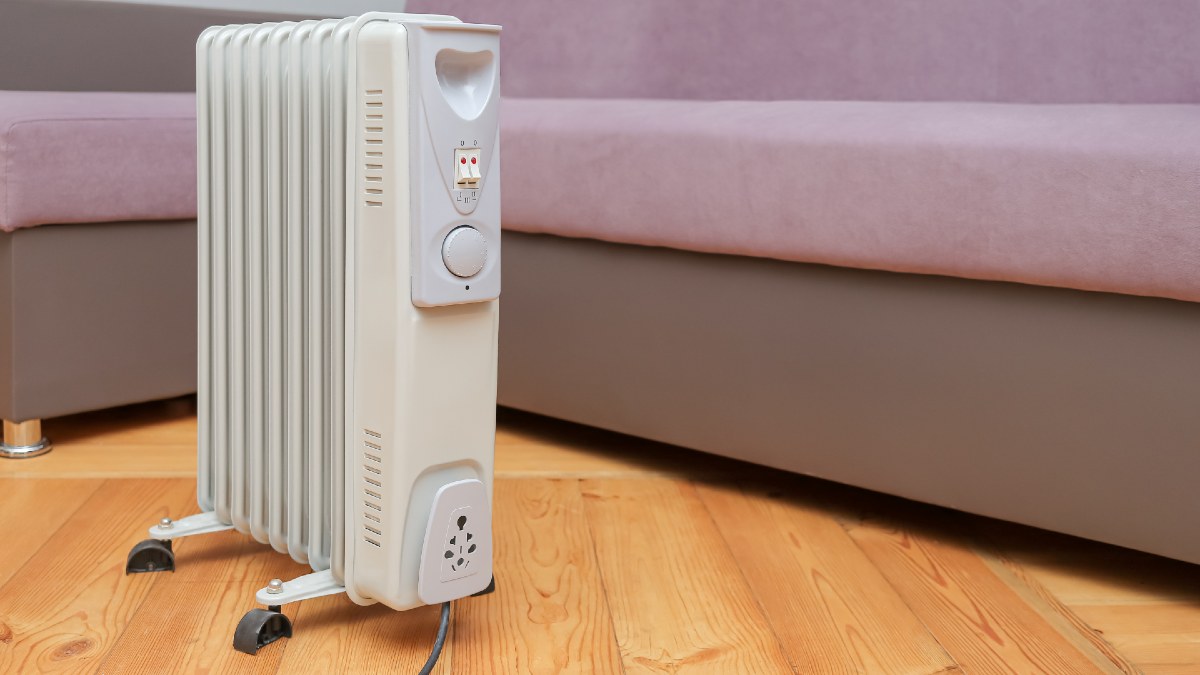
Portable oil heaters
Oil-filled column heaters are a popular choice for bedrooms and smaller living spaces. They use electric elements to heat oil inside the unit, which then radiates warmth into the room.
Similar to other electric resistance heaters, they are less efficient than reverse cycle systems but can retain heat well once warmed.
Pros
- Quiet and steady heat
- Retains warmth even after being switched off
- No installation required
Cons
- Slow to heat up
- Higher running costs
- Limited to small areas
Always adopt safe practices around gas heaters by turning them off when you leave the room and ensuring they're a safe distance from other objects in your home.
Portable heaters are best used as a supplementary heating source.
Underfloor heating options
Gas hydronic heating
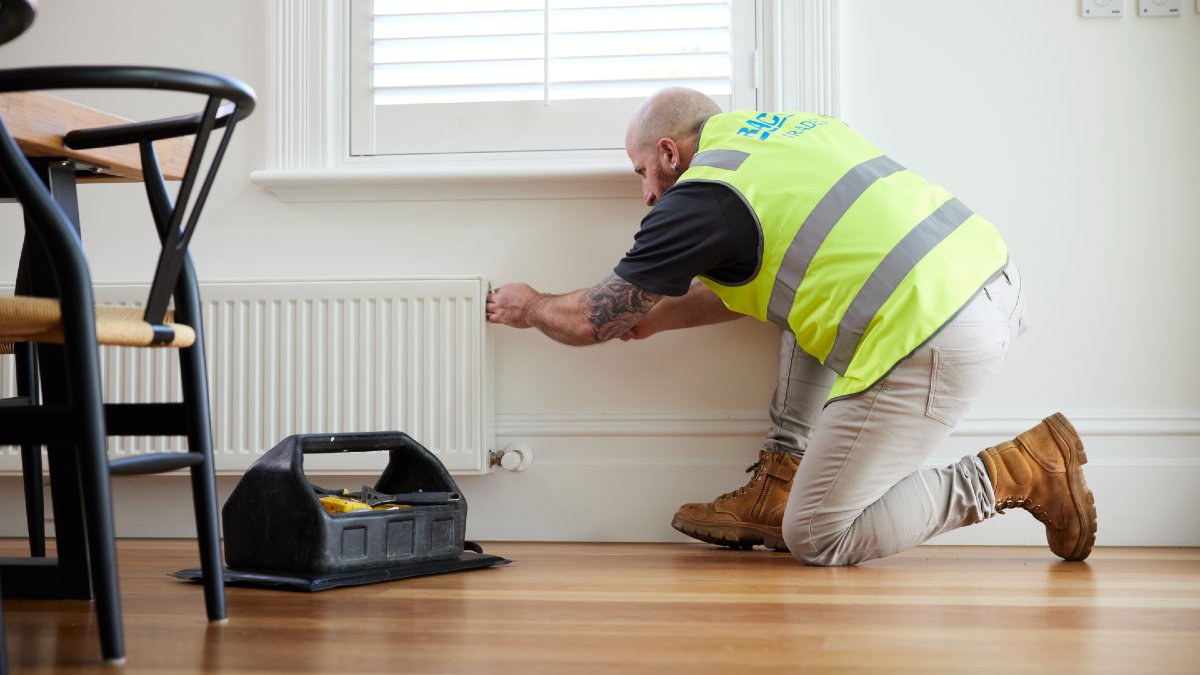
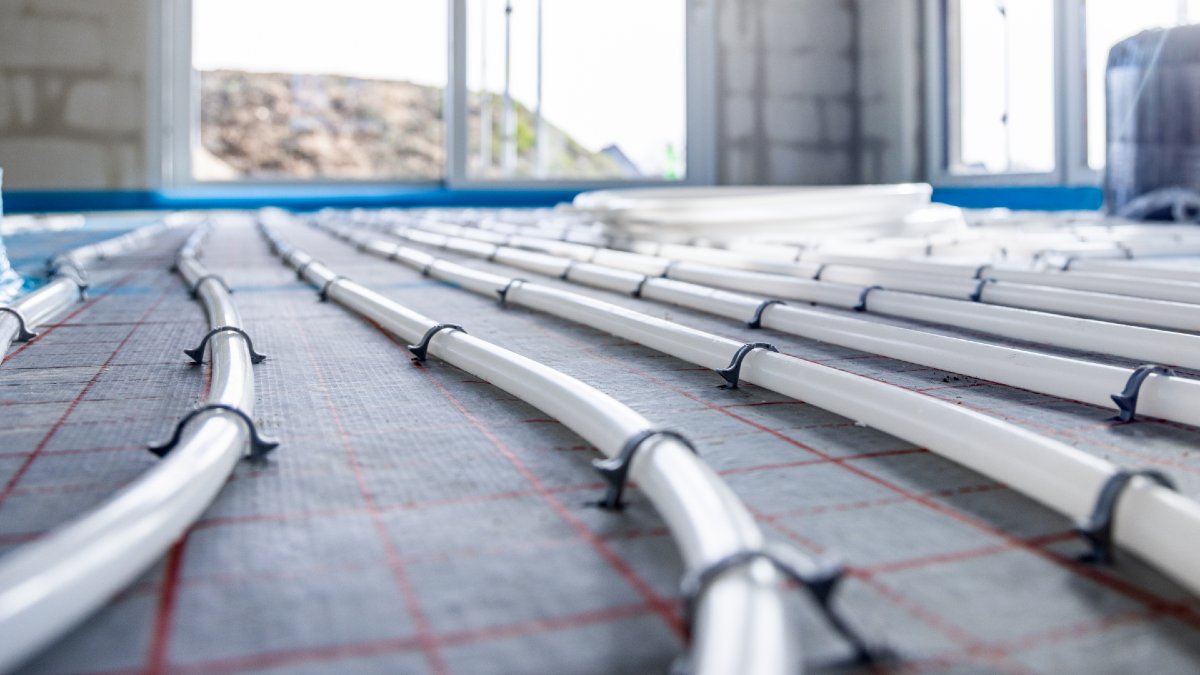
Hydronic heating uses a boiler to heat water, then circulates that heated water through radiators or underfloor pipes to warm your home. It provides gentle, consistent and non-drying warmth to the home that be controlled by a thermostat.
Pros
- Even, comfortable heat with no drafts
- Quiet operation
- Can be zoned for different areas
- No blowing air (beneficial for allergy sufferers).
Cons
- High installation cost, especially for retrofits
- Slower to heat up compared to air-based systems
- Requires space for pipes and radiators.
Electric slab heating
Electric heating cables can be laid in the concrete slab when a house is built. They heat the concrete to a low temperature, with the floor surface acting as a subtle radiator. Electricity usually heats the slab for seven to eight hours at night to take advantage of the cheaper off-peak tariffs, then slowly releases the heat into the house over the day. Electric slab heating is most popular for a single room, such as a bathroom. It can be more economical for a household with solar power if it’s run during the day or via solar battery storage. Otherwise a thermostat can help reduce energy costs.
Pros
- Can run on off-peak electricity rates
- Even, comfortable heat with no drafts
- Can be zoned for different areas
- No blowing air (beneficial for allergy sufferers).
Cons
- One of the most expensive heating systems to operate
- Not very energy efficient (lots of heat loss)
- Requires high electricity use
- Takes a long time to warm up and cool down
- Carpet or timber flooring shouldn't be laid, as it reduces the heat transfer.
Underfloor heating can be comfortable, but may not be very responsive. Image: Getty
Which heating solution is most energy efficient?
For most Australian homes, reverse cycle air conditioning stands out as the most energy-efficient and cost-effective option. It delivers strong performance, lower running costs and the added benefit of cooling in summer.
However, the best system ultimately depends on your home and lifestyle.
- Small spaces or occasional use - portable electric heaters
- Whole-home comfort - reverse cycle or hydronic systems
- Cold climates with existing gas - high-efficiency gas systems.
More: Understanding energy star ratings on appliances
Tips to maximise heating efficiency
No matter which system you choose, efficiency also depends on how well your home retains heat. Here's how to get the most from your heating.
- Improve home insulation - update insulation in ceilings, walls and floors; and seal drafts around doors and windows.
- Use curtains or blinds - open them during sunlight hours to let warmth in.
- Heat only the rooms you're using - there's no use warming your entire house if you're staying in one room for hours on end.
- Set thermostats to an efficient temperature - around 18-20°C keeps heaters performing efficiently.
- Keep heaters clean - if you have a reverse-cycle heater, ensure its filters are cleaned regularly to prevent accumulated dirt from affecting air quality and improve the longevity of your heater.
- Set a timer - take advantage of your heater's timer function to avoid accidentally leaving it on while you're asleep or away.
- Have heaters regularly serviced - imperative for safety and saving money on your energy bills.

