
No one likes finding a scratch on their car, whether it’s a shallow mark or deep damage. Here’s some quick answers on how to repair and remove scratches from your car’s paintwork.
Car Maintenance



How to protect your car paintwork in Australia
The intense sunlight, heat, and dust of Australia's climate can take a toll on your vehicle's paintwork. Here how to help protect your vehicle and keep it looking (almost) brand new.
Protecting your car’s paint is more important than you think. Much like your skin, your car’s paintwork is its first line of defence when driving in harsh Australian conditions. Not to mention the scratches, chips and scuffs that occur with day-to-day driving.
However, though regular DIY maintenance and smart habits you can keep your car’s paint looking almost as good as new.
This article covers some of the easy, everyday practices you can implement to extend the life of your car’s paintwork. It includes how commercial car wax, wraps and sealants work, and how to fix some of the most common issues that affect your car’s paint – including the stains left by bird droppings.
Guide to protecting your car's paint
Why you should protect your car's paintwork
Protecting your car's paintwork offers numerous long-term benefits. It helps maintain the resale value of your vehicle. A well-maintained paint job can help increase the appeal to potential buyers.
You can also preserve its overall condition, helping avoid the need for costly repairs or repainting in the future. Additionally, maintaining the integrity of the painted surface reduces the risk of rust and corrosion, which can lead to more severe structural damage if left unchecked.
To effectively protect your car's exterior, there are a number of things to consider, from where you park your car to techniques that you can use to preserve the paintwork for longer.
Parking undercover in a garage or carport does wonders for keeping rain, dirt and direct sun away from your car.
Cheap and easy ways to protect your car’s paint
Park undercover
Parking your vehicle undercover is one of the easiest ways to extend the life of your car’s paintwork.
Storing your car in a garage is ideal for preserving your car’s paint (as well as maximising its security) but a carport will also help keep rain, hail and direct sun off your vehicle.
Car covers can also help protect your vehicle if neither garage nor carport is available. They can also be used for cars with cars parked undercover or in a garage to provide an extra layer of protection against dirt and dust.
More: Everything you need to know about keeping your garage secure.
Wash your vehicle regularly
Washing your car once a week helps remove contaminants like dirt, grime, and grit that can lead to paint corrosion. Even better, learn how to properly wash, clean and detail your car.
Use a mild car shampoo and a soft sponge or microfiber cloth, and avoid using abrasive cleaners or scrubbing brushes that can damage the paint. Don't forget to dry your car thoroughly to prevent water spots.
Beware potential hazards
Consider where you choose to park when out and about. Rough surfaces, such as tree branches, bushes, or construction areas, can cause scratches or scrapes. When parking, choose a spot away from potential hazards and be mindful of any overhanging branches that could brush against your car.
Likewise, parking under a tree that has a lot of bird droppings beneath it is a good indicator your car may end up being splattered.
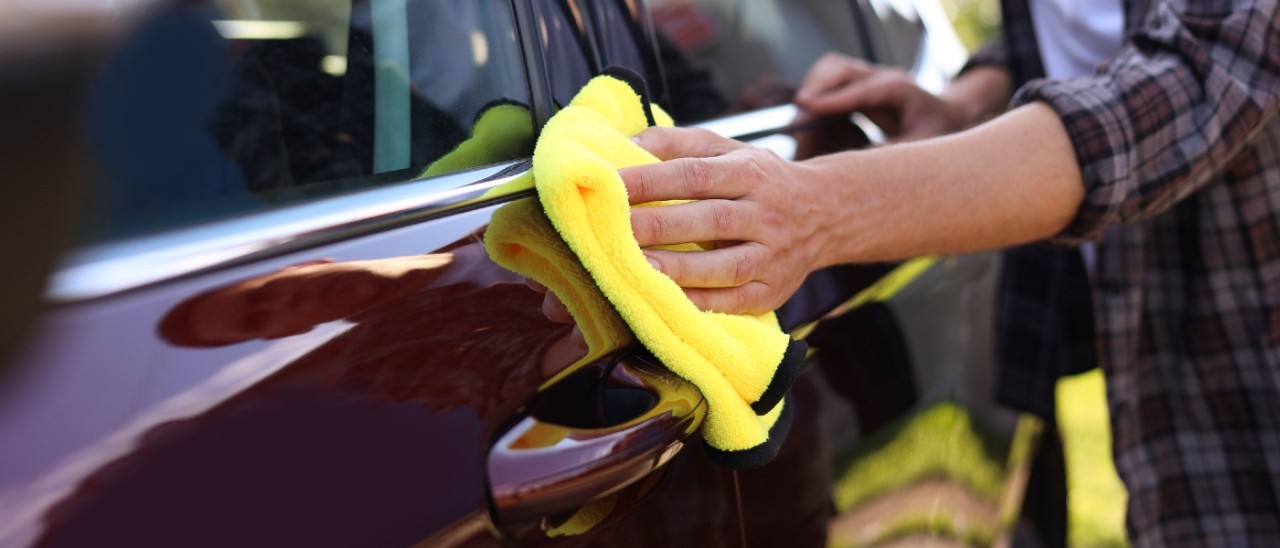
Washing your car regularly with a mild car shampoo will help maintain its paintwork. Image: Getty
Protective coatings and treatments for your car's paint
Wax, sealant and ceramic coatings: which is best?
Car wax, sealants and ceramic coatings all provide additional protection for your car’s paint, though there are some key differences between the products. Waxes tend to be naturally formulated while sealants are generally synthetic. They also produce different finishes and sealants almost always last longer before reapplication is required.
Waxes
Regularly waxing your car helps to create a protective layer that shields the paint from UV rays, dirt, and other contaminants. Waxes can be bought in car retailers and applied yourself at home. Simply spread a thin layer of wax onto your car’s exterior using a soft cloth or applicator pad, following the instructions on the product label. Waxes produce a warm finish that seems to blend into the car's paint.
Sealants
Sealants, on the other hand, offer longer-lasting protection and require less frequent application. They provide a durable shield against environmental pollutants and make it easier to clean your car. Sealants can also be applied at home and typically come in spray or liquid variations. Sealants typically produce a glassier finish than waxes.
Ceramic coatings
Ceramic coating is a cutting-edge technique that offers long-term protection for your car's exterior. This liquid polymer is applied to the paintwork, forming a chemical bond that creates a hydrophobic and glossy surface. The ceramic coating acts as a protective barrier against UV rays, oxidation, bird droppings, and chemical stains. It also makes washing your car easier, as dirt and grime are less likely to adhere to the surface.
Proper ceramic coating requires a professional to apply it, with many car detailers offering the service across Victoria. While DIY ceramic coating products can be bought from auto retailers, they are not as effective as a professional product.
Are vinyl wraps and paint protection films worth it?
Paint protection films (PPF) and vinyl wraps offer a layer of protection against scratches, chips, and fading. These transparent films or vinyl wraps are applied to the car's exterior, creating a barrier between the paint and external elements.
They are especially useful for high-impact areas such as the front bumper, bonnet, and side mirrors. If you want to maintain the original paint colour while adding an extra layer of defence, this method is worth exploring. A benefit to PPF is that it's often 'self-healing' meaning small scratches or nicks in the wrap can be fixed through exposure to heat.
While DIY PPF and vinyl wrap kits exist, the product is considerably harder to apply then you may think. To avoid damaging the film or creating a coating with visible bubbles and imperfections, it’s best to have PPF applied professionally.
| Product | ||||
|---|---|---|---|---|
|
Waxes |
UV, contaminants, oxidation, moisture. |
6-8 weeks |
Yes |
From ~$10 |
|
Sealants |
UV, contaminants, oxidation, moisture. |
Up to a year |
Yes |
From ~$20 |
|
Ceramic coatings |
UV, contaminants, oxidation. Very good moisture protection. |
Up to five years |
No |
From ~$800 for small to medium vehicles |
|
PPF and vinyl wraps |
UV, oxidation, contaminants, stone chips. |
Up to seven years |
No |
From ~$700 for small sections and up to ~$5,000 for all over coverage |
How to fix paint damage and common car blemishes
Bird droppings and tree sap from your car
Remove droppings and tree sap as soon as you notice it. Left untreated these substances can cause permanent damage.
How to remove bird droppings and tree sap from your car
- Wet the affected area by gently spraying with water.
- Lay a wet, clean microfibre cloth or sponge over the affected area. Allow it to sit for a few minutes to soften the residue.
- With the soaked cloth, gently wipe away the softened droppings or sap. Use light pressure to avoid scratching the paint.
- After removal, rinse the area with clean water and pat or air dry.
Avoid scrubbing as this can cause scratches. If the stain is stubborn, use a mild cleaning solution suitable for car paintwork. Hardened droppings and sap may need to be soaked before removal is attempted.
For severe paint damage, it's best to seek professional paint repair services. Image: Getty
Chips and scratches
Stone chips can hit your car while driving, and everything from errant car doors to bollards and tree branches can leave scratches behind. These blemishes can be unsightly, but more importantly can result in corrosion if left untreated
How to fix car chips and scratches at home
- Assess the damage. Chips and scratches that expose metal require more work than those that have only scratched the surface.
- Clean the area with a mild soap suitable for cars before patting dry.
- For deep marks that expose metal you will need to apply a rust converter then automotive primer. Follow all product instructions, including drying time. This step can be skipped for less deep scratches and chips.
- Use a paint touch-up pen to fill the blemish. Shake the pen well and carefully apply the paint to the chip, ensuring it fills the damaged area. Allow it to dry completely.
- Once the touch-up paint is dry, gently buff the treated area with a polishing compound.
- Apply a final coat of clear paint for extra protection and gloss. Once fully dried, use a fine polishing compound and cloth to blend the repair seamlessly with the surrounding paint.
More: How to repair and remove scratches from your car's paintwork
How to treat large or severe car paint damage
For more severe paint damage to your car, it's advisable to seek professional assistance. Professional paint repair services have the expertise and specialised tools to restore your car's paintwork effectively.
They can fix deep scratches, scuffs, and other major imperfections. Contact a reputable car detailing or paint repair service to assess the damage and provide appropriate solutions.
The information provided is general advice only. Before making any decisions please consider your own circumstances and the Product Disclosure Statement and Target Market Determinations. For copies, visit racv.com.au. As distributor, RACV Insurance Services Pty Ltd AFS Licence No. 230039 receives commission for each policy sold or renewed. Product issued by Insurance Manufacturers of Australia Pty Ltd ABN 93 004 208 084 AFS Licence No. 227678.

