
Storms present a major hazard to homes, property and safety. Learn how to prepare for severe storm conditions, including blackouts, hail, high winds and flooding.
Bushfires
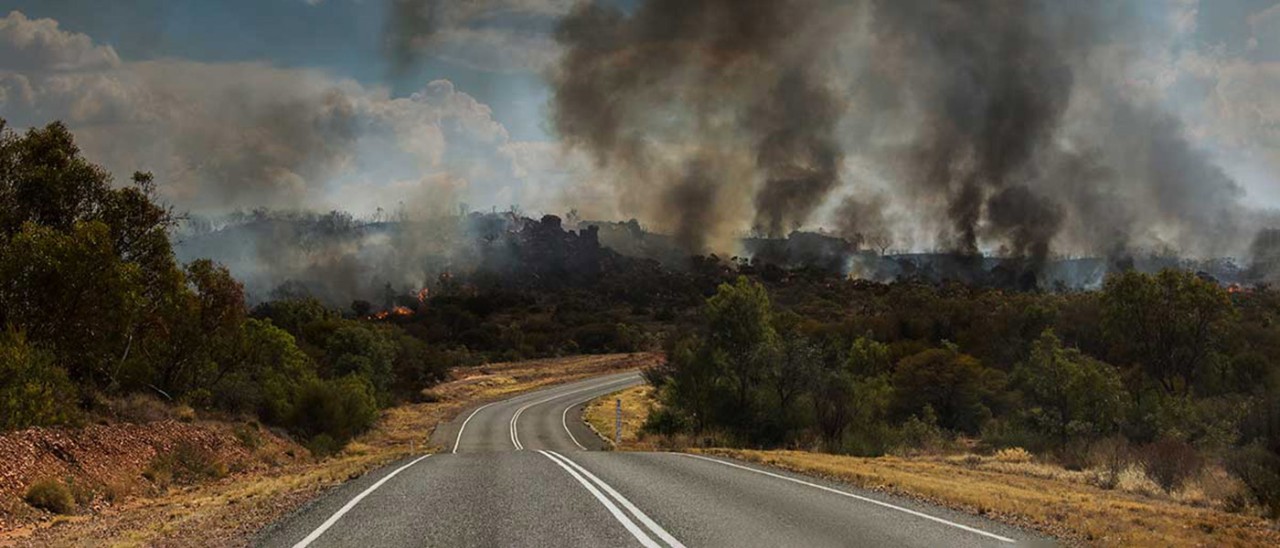
Tips on how to stay bushfire safe on holidays
RACV is urging Victorian holidaymakers to prepare for bushfire safety ahead of the summer holiday period.
It is essential to be well-prepared and informed to help stay bushfire safe on holidays this summer. Ensure that your car is prepared and safe for your road trip, pack your bushfire survival kit, and update your emergency roadside assistance plan.
The CFA also advises Victorians to get emergency information from multiple sources. Use the VicEmergency app and tune into ABC Local Radio. You'll also find Total Fire Bans and Fire Danger Ratings on the CFA website. If you're travelling interstate, check that state or territory's fire agency website and the ABC Emergency website.
"It is essential to prepare for travelling safely to your holiday destination and make sure you are familiar with the risks for that location," says RACV's General Manager of Insurance and Roadside, Bill Bloodworth. "Check the Fire Danger Rating for not only your destination but for the route you are travelling on – grassfires can move at speeds of up to 25km/hr and jump highways," he says.
"You need to make sure you've adequately insured your home and your vehicle while you're on holidays, so make sure you have reviewed your protection to ensure you are appropriately insured in the event of a fire."
If applicable, it's also important to review your caravan insurance and trailer insurance - not just for when you’re towing, but also when your caravan or trailer is onsite at a caravan park.
Preparing for bushfire season
Stay informed
Before leaving for your holiday, research the area you plan to visit and the areas you will be passing through. The CFA advises that Victorians need to use more than one source of information for bushfire warnings and Fire Danger Ratings.
Along with downloading the VicEmergency app, set up a Watch Zone for the area you will be visiting or passing through. The ABC Listen app is also a good source of information to stay updated on fire developments and possible road closures. Once you're on the road you can tune into your local emergency broadcaster like ABC Local Radio for updates.
Create a bushfire plan
Develop a bushfire plan for your trip. Ensure everyone in your group knows the plan, including evacuation routes, meeting points, and emergency contacts. Discuss the plan regularly to keep it fresh in everyone's minds. The CFA has a bushfire survival planning template to guide you.
Pack a bushfire survival kit
Your bushfire survival kit should include essential items like water, non-perishable food, first-aid supplies, torches, batteries, a battery-operated radio, and protective clothing.
Be prepared to evacuate
Always be ready to evacuate at a moment's notice. Store your important documents, identification, and medications in an easily accessible bag. Plan your evacuation routes in advance.
Follow local authorities' instructions
In the event of a bushfire, follow the instructions and guidance provided by local authorities, such as the fire service, police, and emergency services. Their advice is based on the most current and relevant information.
Prepare your motor vehicle
Have your vehicle checked for safety by a mechanic to ensure it is in good working order and free from potential defects. Make sure your vehicle battery is in good condition, as high temperatures can affect it. Check that all tyres (as well as the spare tyre) have sufficient tread and are correctly inflated. Make sure you have enough fuel for your evacuation ahead of time.
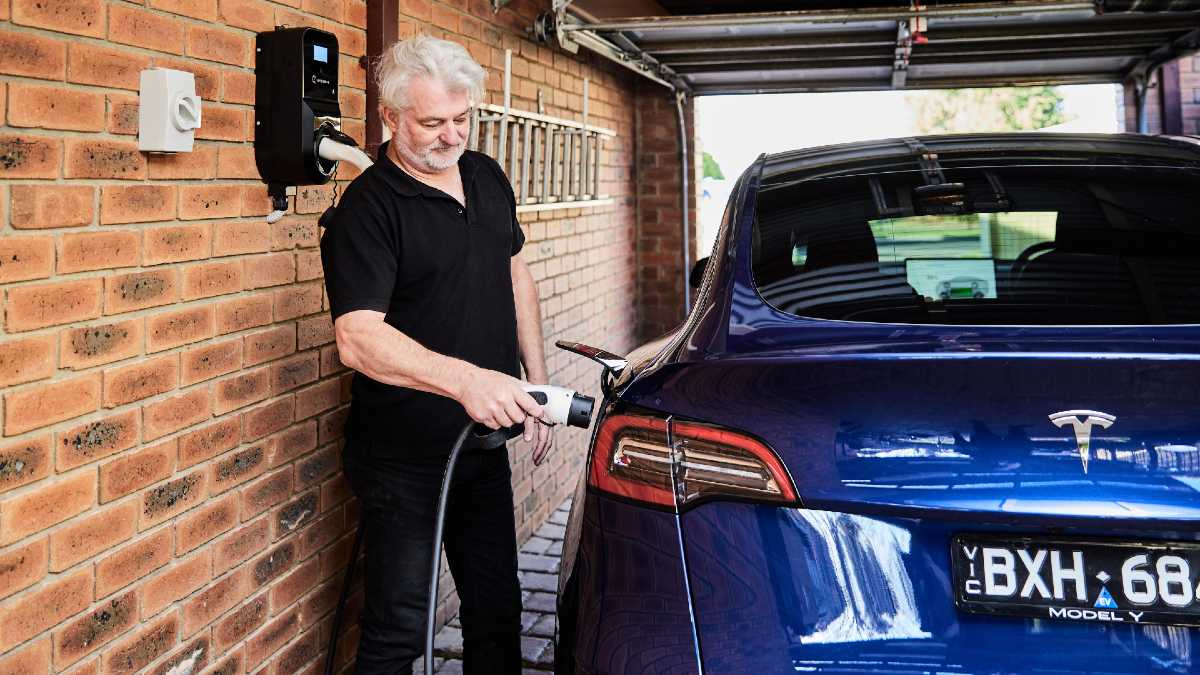
If you have an electric vehicle, charge your EV ahead of time to a level that will allow you to complete your evacuation journey. Plan your evacuation route to avoid roads with limited charging options, and keep your vehicle’s battery charged and in good condition. During the evacuation, stay aware of potential traffic congestion and have a contingency plan if charging is not feasible.
Download the RACV app to find nearby fuel and EV Chargefox stations across Australia.
If you have an electric vehicle, prioritise charging before the emergency, if possible, and avoid charging during the evacuation itself.
Preparing a personal bushfire plan
A written and well-practised bushfire plan will help you remember what needs to be done during a crisis. As well as using the CFA's bushfire survival planning template, your plan should answer the following questions:
- Which Fire Danger Rating is my trigger to leave?
- Will I leave early that morning or the night before?
- Where will I go?
- What route will I take – and what is my alternative in the event that a fire is already in the area?
- What will I take with me?
- What do I need to organise for my pets or livestock?
- Who do I need to keep informed of my movements?
- Is there anyone outside my household who I need to help or check up on?
- How will I stay informed about warnings and updates?
- What will I do if there is a fire in the area and I cannot leave?
For tips to help prepare your home for an increased risk of bushfire this summer, click here.
The information provided is general advice only. Before making any decisions please consider your own circumstances and the Product Disclosure Statement and Target Market Determinations. For copies, visit racv.com.au. As distributor, RACV Insurance Services Pty Ltd AFS Licence No. 230039 receives commission for each policy sold or renewed. Product(s)issued by Insurance Manufacturers of Australia Pty Ltd ABN 93 004 208 084 AFS Licence No. 227678.

