
Regular tree trimming is essential for tree health and property safety. Here's what you need to know about trimming and pruning your trees, especially before storm season.
Maintenance
How to fix a dripping tap: step-by-step guide for Australian homes
Learn how to fix a dripping tap with this easy step-by-step guide. Discover the tools you need, how to replace washers or cartridges, and when to call a plumber.
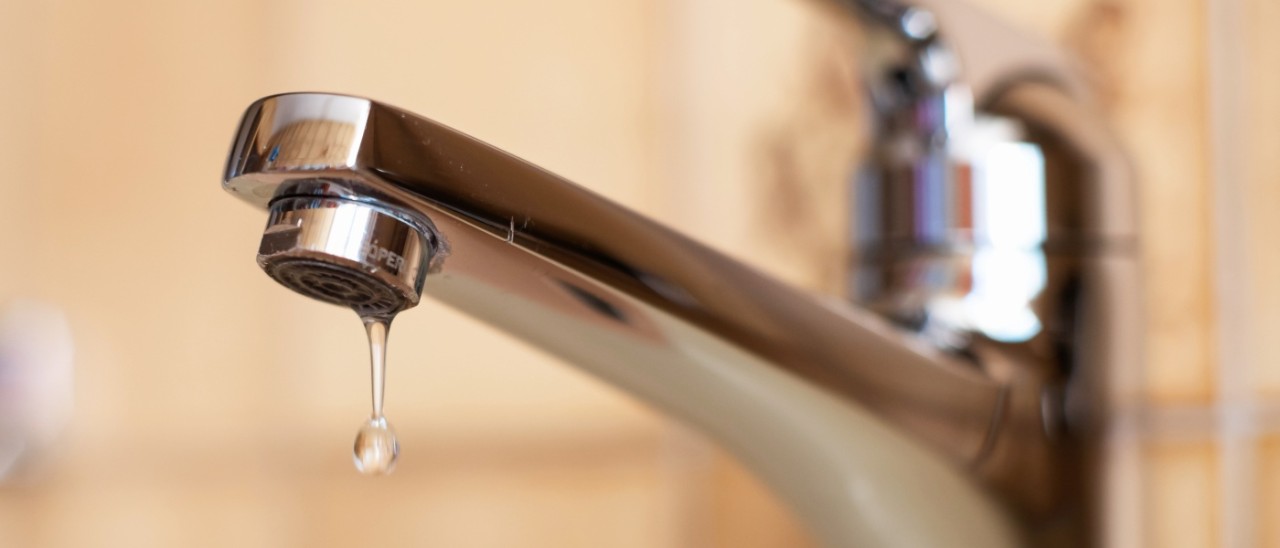
A dripping tap might seem like a minor nuisance, but over time it can waste thousands of litres of water and add unnecessary costs to your water bill. The constant drip can also stain sinks, damage fixtures and become an ongoing irritation in your kitchen, bathroom or laundry.
The good news is that many leaking taps can be repaired with basic tools and a little patience. Whether you're dealing with a traditional washer tap or a modern mixer, this step-by-step guide explains how to fix a dripping tap safely and effectively - and when it's time to call a licensed plumber.
In this article:
What causes a dripping tap?
Before reaching for the toolbox, it helps to understand what's causing the leak. In most Australian homes, dripping taps are due to one of the following issues:
- worn or damaged washers
- faulty O-rings
- corroded valve seats
- a worn ceramic cartridge in a mixer tap.
Older homes often have compression taps with rubber washers that degrade over time. Newer homes are more likely to have quarter-turn or mixer taps that use ceramic disc cartridges.
Identify your tap type
Identifying the type of tap you have will determine the repair process. There are two common types of taps in Australian homes:
- Compression (washer) taps - these taps usually have separate hot and cold handles and require several turns to fully open or close.
- Mixer taps - these taps combine hot and cold water through a single lever or handle and typically operate with a quarter turn.
If you're unsure about your tap type, checking the manufacturer's information or searching the brand online can help.
Turn off the water supply
Before starting any plumbing work, turn off the water supply. Look under the sink for isolation valves and turn them clockwise to shut off the hot and cold water. If you can't find local valves, you may need to turn off the mains water supply. If you're unsure at this point, call a professional plumber.
After turning off the water, open the tap to release any remaining pressure and drain residual water from the pipes. Place a plug in the sink or cover the drain to prevent small parts from falling in.
Always turn off your water supply before doing any plumbing work.
How to fix a dripping compression tap (washer tap)
If you have a traditional washer tap, the most common cause of a drip is a worn washer.
What you'll need
- Adjustable spanner
- Flathead screwdriver
- Replacement washer (correct size)
- Plumber's grease.
Step-by-step instructions
- Remove the tap handle
Use a screwdriver to remove the decorative cap (often labelled H or C). Unscrew the handle and gently lift it off. - Unscrew the tap bonnet
Use an adjustable spanner to loosen and remove the bonnet (the metal covering over the spindle). - Remove the spindle
Carefully unscrew and remove the spindle assembly. - Replace the washer
At the bottom of the spindle is the rubber washer, usually held in place with a small brass screw. Unscrew it and replace the washer with a new one of the same size. - Check the valve seat
If the washer looks damaged or unevenly worn, inspect the valve seat inside the tap body. A rough or corroded valve seat can prevent a proper seal. In some cases, a reseating tool may be needed. - Reassemble the tap
Apply a small amount of plumber's grease to the spindle threads. Reassemble all parts in reverse order and tighten securely (but avoid overtightening). - Turn the water back on
Slowly turn on the water supply and test the tap.
If the tap no longer drips, the repair is complete. If it still leaks, the valve seat or spindle may require replacement.
Dripping taps can waste a lot of water over time, so it's important to get them fixed as soon as possible.
How to fix a dripping mixer tap (ceramic cartridge)
Mixer taps use a ceramic disc cartridge instead of a washer. When these wear out, the entire cartridge typically needs replacing.
What you'll need
- Allen key (if required)
- Adjustable spanner
- Replacement ceramic cartridge (correct model)
Step-by-step instructions
- Remove the handle
Look for a small grub screw at the base or back of the handle. Use an Allen key to loosen it, then lift the handle off. - Remove the decorative cap and retaining nut
Unscrew the decorative shroud or cap. Use a spanner to remove the retaining nut holding the cartridge in place. - Remove the cartridge
Lift the ceramic cartridge straight out. Note its orientation to ensure correct installation of the new part. - Install the new cartridge
Insert the replacement cartridge, ensuring it aligns correctly with the locating pins. - Reassemble and test
Reattach the retaining nut, cap and handle. Turn the water supply back on and check for leaks.
It's important to purchase the correct replacement cartridge, as sizes and fittings vary by brand and model.
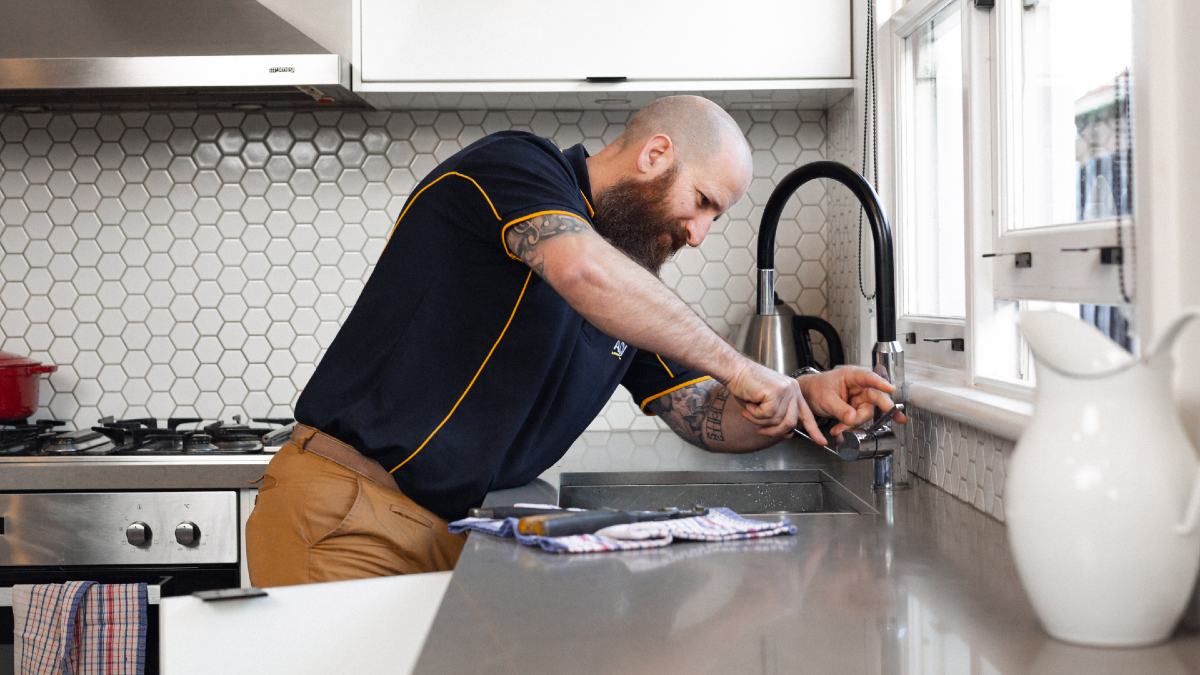
If you're unsure about your dripping tap, it's best to call a licensed plumber for help.
When should you call a plumber?
While many dripping taps can be fixed as a DIY project, there are situations where professional assistance is recommended. Consider calling a plumber if:
- you can't isolate the water supply
- the tap body is cracked or heavily corroded
- the valve seat is damaged
- the leak persists after replacing washers or cartridges
- the tap is part of a complex or concealed plumbing system.
In Victoria, plumbing work must comply with regulations administered by the Victorian Building Authority (VBA). Certain plumbing repairs may legally require a licensed plumber, particularly if pipework modifications are involved.
If you're unsure, it's safest to seek professional advice. Get rapid-response help for urgent plumbing problems with no lock-in contract or RACV membership needed.
How much water can a dripping tap waste?
A tap that drips once per second can waste more than 12,000 litres of water per year, according to the Australian Government website YourHome. That's not only costly but also environmentally irresponsible, particularly in a country like Australia where water conservation is essential.
Fixing a leaking tap promptly helps reduce water waste, lowers utility bills and prevents long-term damage to fixtures and cabinetry.
How to help prevent dripping taps
Regular maintenance can extend the life of your taps and reduce the likelihood of leaks. This includes:
- avoiding overtightening taps when turning them off
- replacing washers at the first sign of stiffness or squeaking
- installing pressure-limiting valves if your home has high water pressure
- considering upgrading older taps to water-efficient models.
Modern taps with a high WELS (Water Efficiency Labelling and Standards) rating can help reduce water consumption while maintaining good water pressure.

