
Victoria’s crime rate is on the rise. Find out the steps you can take to protect your home and car against theft, along with tips for small business owners facing an increase in retail theft.
Security

Most stolen items from small business retailers

Retail theft increases in Victoria: The most common stolen items revealed
Is your shop security adequate? Here’s what thieves are most likely to steal from Victorian retail businesses, plus practical steps to reduce shoplifting during trading hours and burglary/break-ins after hours.
Victorian retailers and small business owners are being urged to stay vigilant and prioritise the security of their staff, equipment and inventory, as new data from Crime Statistics Agency (CSA) Victroria reveals theft offences continue to rise.
CSA recorded 41,547 incidences of theft from a retail store in 2025, up from 39,154 in 2024 (6.1 per cent increase) and 28,241 in 2023 (38.6 per cent increase), representing a 47.1 per cent overall.
On a more positive note, CSA data shows retail burglary/break and enter offences fell, from 7,796 in 2024 to 6,804 in 2025.
Neighbourhood Watch spokesperson Bambi Gordon says prevailing economic conditions and the cost-of-living crisis mean "retailers that sell liquor, groceries and clothes have a much higher chance of being hit by burglars".
In response, Victorian retailers and small business owners are urged to take proactive steps to protect staff, equipment and stock, alongside ensuring they have adequate business insurance coverage.
Neighbourhood Watch has also launched its How Safe Is My Business program to help small businesses identify security gaps and strengthen protections.
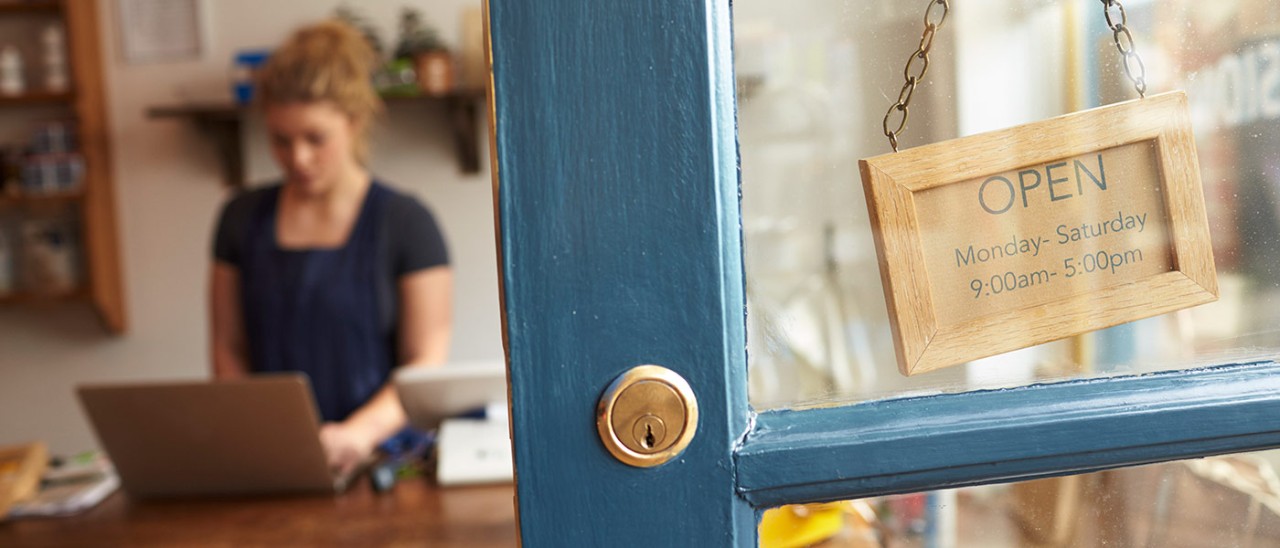
Consider installing surveillance cameras inside and outside your premises. Image: Getty
Most stolen items from small business retailers
For burglary and theft offences in 2025, CSA data groups retail with other businesses such as admin/professional, financial, wholesale, warehousing and storage, manufacturing, agricultural and recreational. In total, 78,056 property items were stolen across these businesses in 2025.
| Top 10 stolen items from small retail businesses | ||
|---|---|---|
|
1. Other (not specified) |
17,809 items |
22.8% |
|
2. Cigarettes and liquor |
11,946 items |
15% |
|
3. Cash and document |
7,494 items |
9.6% |
|
4. Personal property |
7,327 items |
9.3% |
|
5. Food |
6,198 items |
7.9% |
|
6. Electrical appliances |
5,364 items |
6.8% |
|
7. Clothing |
5,002 items |
6.4% |
|
8. Power tools |
3,340 items |
4.2% |
|
9. Car assessories |
3,269 items |
4.1% |
|
10. Tools |
3,175 items |
4.0% |
Source: Crime Statistics Agency (Victoria), burglary/break and enter and theft offences, Location: “Other”, 2025.
Consider collaborating with neighbouring businesses for mutual support and strategies.
How to help deter burglars and shoplifters
There are preventive measures retailers and small business owners can take to help prevent theft from businesses, stores and assets.
Entries, exits and store layout
- Use door alerts where practical: electronic entry/exit sensors can help staff stay aware of movement at the front door.
- Keep the front area open: avoid placing large solid fixtures, shelving, blinds or signage near entrances that block sightlines in and out of the store.
Install a reliable security system and sensor lights
Consider installing surveillance cameras inside and outside your premises. Other technology, such as 24/7 monitoring with smartphone integration, alarm systems, and real-time mobile alerts with set timers in place, can help deter criminal activity.
Use clear signage and empty window displays
As well as stating that "no cash is on the premises", clearly indicate the presence of security systems to deter thieves from targeting your retail store.
Ensure you remove valuables from view (such as jewellery or expensive liquor) to deter opportunistic break-ins.
Exterior and perimeter security
- Use exterior lighting: keep entry points and dark areas well-lit; consider sensor lights that activate when someone approaches.
- Maintain the perimeter: keep shrubs and landscaping neat so they don’t create hiding places.
- Remove climbing aids: don’t leave ladders, bins or loose items near windows or roof access points.
- Consider anti-ram measures where relevant: some shopfronts use fixed barriers (for example bollards) to reduce the risk of vehicle-related forced entry.
Keep your premises locked up
Make sure doors and windows are locked when no one is present. Be aware of who has access to keys and codes, and update these details in line with staff turnovers. Where third parties (such as cleaners or contractors) have access, keep track of issued keys/cards and retrieve access promptly when it’s no longer needed.
If you need to change the locks, contact a qualified locksmith.
Staff safety and emergency response plan
Even with strong prevention measures, it helps to have a clear, rehearsed response so staff know what to do in the moment and what information to capture afterwards. Keep the plan simple, accessible and consistent across shifts.
- Prioritise safety: staff should not physically intervene in a suspected theft.
- Document, review and practise the plan: write down procedures for theft or security breaches, train staff, and practise regularly.
- Escalate consistently: agree in advance who calls police (Triple 0 in an emergency) and who preserves CCTV/receipts.
- Record key details: time, location, what was taken, and any witnesses, then log the incident for follow-up.
- Include practical tools and contacts: consider a hidden emergency call button, agree on what to say or do during a break-in, and list who to contact afterwards (store owners and relevant business insurance contacts).
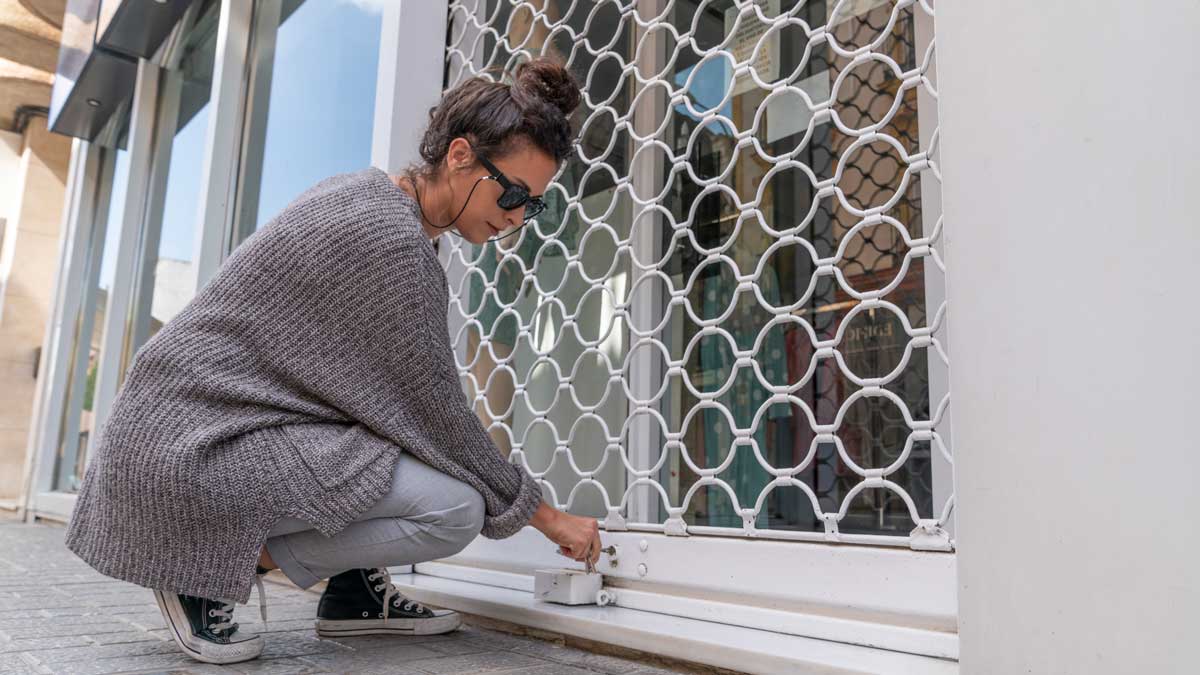
Take time to ensure all entry points to your store are locked when your business is closed. Image: Getty
Proactive community engagement
Gordon reminds businesses not to underestimate the power of community in helping to collectively mitigate the risk of retail theft.
“Get to know your business neighbours,” she says. “Engaging with your local business community can be a powerful preventive measure. When people come together as a community, they not only feel safer; they are safer.”
Neighbourhood Watch, which has resources for small businesses, recommends watching out for neighbouring businesses in your community by:
- establishing connections with neighbouring businesses,
- creating communication channels, such as private Facebook Groups or WhatsApp, to share information and report suspicious activities, and
- forming a Neighbourhood Watch Business Group, where you can develop shared strategies to enhance the overall security of the business community.
“Consider collaborating with neighbouring businesses for mutual support and strategies,” says Gordon. “Stay in touch, keep an eye out for one another and report any suspicious behaviour to police.”
Complete Neighbourhood Watch's in-depth quiz and receive a tailored report to help strengthen security of your business.
Check your business insurance coverage
Small Business Insurance cover suited to retailers can help to cover a shop in case of theft of stock, contents, equipment, and cash on premises.
Optional covers tailored to businesses may include glass, theft and money, and portable property (like mobile phones) to help protect against financial loss. Exclusions apply.
*The information provided is general advice only. Before making any decisions please consider your own circumstances and the Product Disclosure Statement and Target Market Determinations. For copies, visit racv.com.au. As a referrer, RACV Insurance Services Pty Ltd AFS Licence No. 230039 receives commission for each policy sold or renewed. Product(s) issued by Insurance Australia Ltd, ABN 11 000 016 722, AFS Licence No. 227681.

