Kitchens are the most common location for fires to start in the home, with cooking being one of the leading kitchen fire causes. Here's how to prevent a kitchen fire in your home.
Safety
How do you safely dispose of lithium-ion batteries?
What causes lithium-ion battery fires and how to prevent them
Victorian fire agencies now attend almost one lithium-ion battery-related fire every day in Victoria, according to Energy Safe Victoria. Here is a guide to what causes lithium-ion battery fires and how to prevent them.
Lithium-ion batteries are commonplace in modern appliances, with the technology present in everything from smartphones and laptops to vacuum cleaners and e-bikes. If you own any cordless, rechargeable electronic devices, there’s a significant chance it contains a lithium-ion battery.
Although the batteries are convenient, they are also potentially dangerous. According to the Victorian Country Fire Authority (CFA), rechargeable lithium-ion batteries pose a higher risk of fire than other batteries.
Here's what you need to know about lithium-ion batteries, and how to minimise the risk of a lithium-ion battery fire occuring in your own home.
What is a lithium-ion battery?
Lithium-ion batteries are rechargeable, energy-dense and long-lasting batteries found in many battery-powered household items. They deliver high-energy density in a compact form, making them ideal for portable and high-drain applications. However, those same chemical and physical properties can also make them volatile when compromised.
What appliances are lithium-ion batteries used in?
Lithium-ion (Li-ion) batteries are rechargeable electrochemical power sources found in a wide range of devices and vehicles, including:
- mobile phones
- power banks
- laptops and tablets
- e-bikes and electric scooters
- cordless power tools
- e-cigarettes
- electric shavers
- electronic toys
- household appliances
- mobility aids.
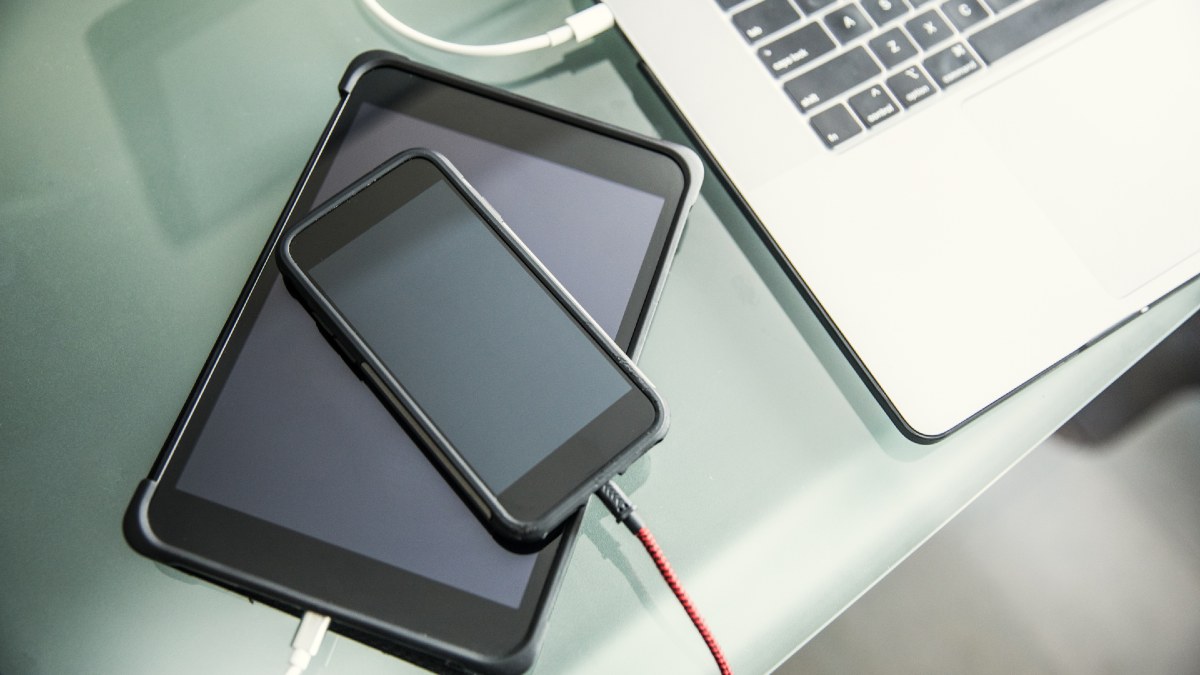
Lithium-ion batteries are found in many common products like laptops and phones. Image: Getty
Why lithium-lon batteries can catch fire
Lithium-ion batteries can potentially overheat thanks to their high-energy density, which can cause a cell inside the battery to short-circuit. The CFA advises that short-circuiting lithium-ion batteries can release flammable, toxic gases that may catch fire.
This triggers a chain reaction through the other cells in the sealed battery unit called a 'thermal runaway', where temperatures can reach highs of 500°C. You may see white smoke coming out of the battery or device at this point. The battery can then explode and shower burning fragments around the room, which in turn can set fabrics and furnishings alight.
In Australia, lithium-ion batteries and their chargers sold through reputable retailers must adhere to certain standards, which greatly reduces the risk of lithium-ion battery fires.
Incorrect charging
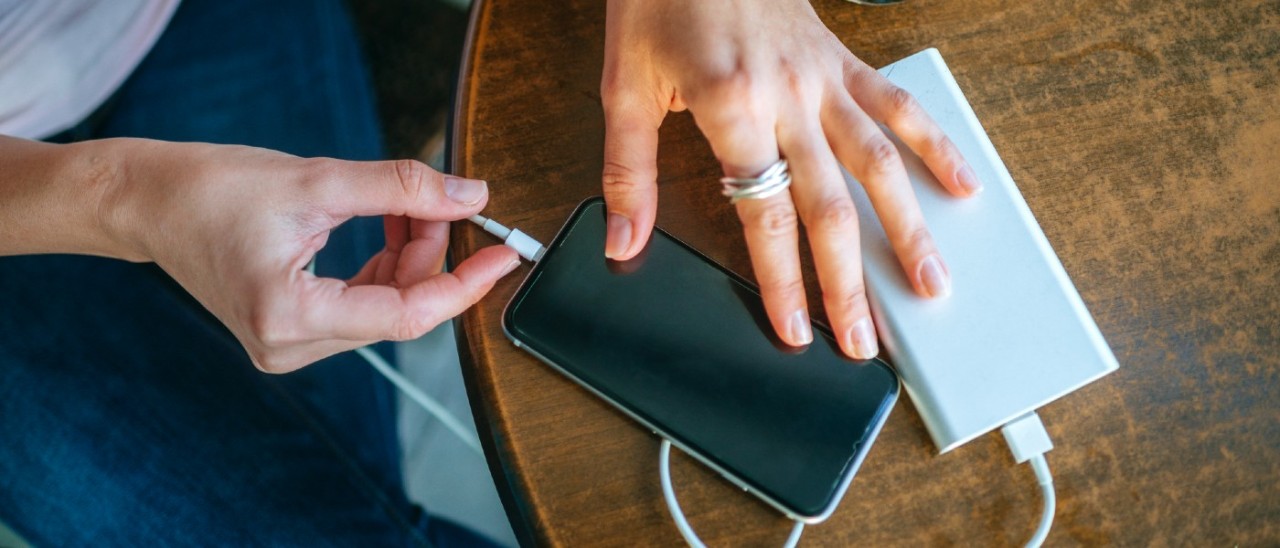
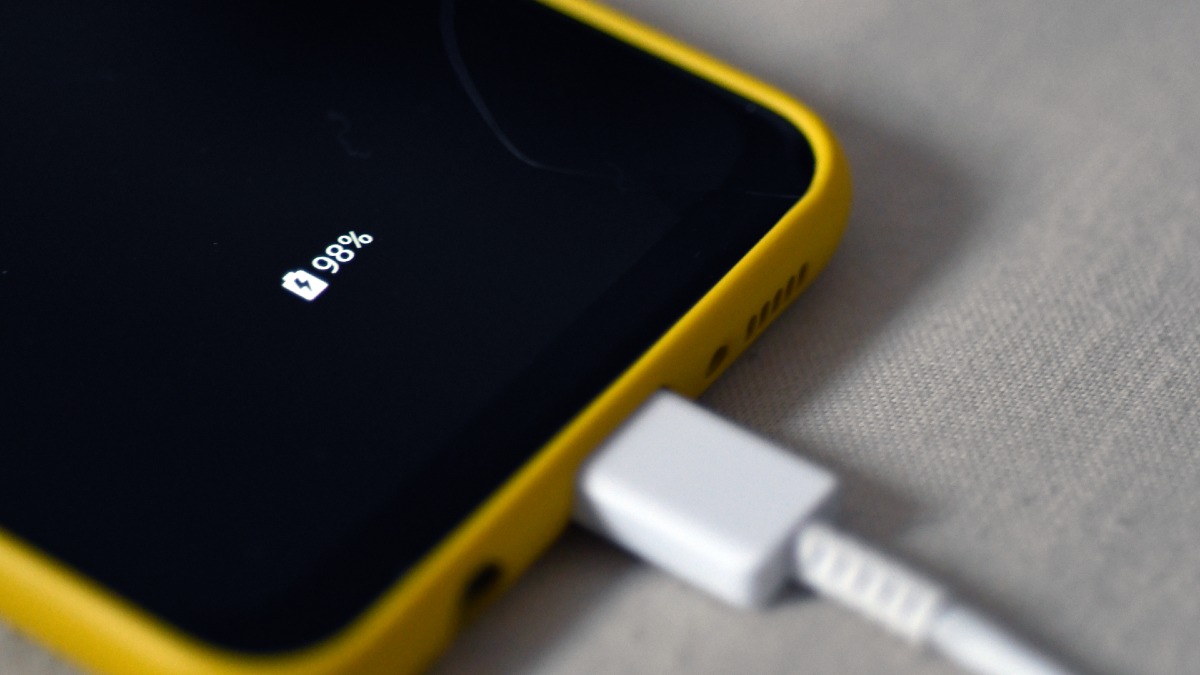
Overcharging, or leaving a device on charge once it's fully charged, is a major cause of lithium-ion battery fires. Sparks, flames and other violent behaviour is much more common if the battery is fully charged. Take devices off charge as soon as, or even slightly before, they reach full charge.
Using chargers that are not compatible with the device - such as cheap, generic or incorrect voltage chargers - can also cause overcharging, overheating and internal short circuits.
Physical damage
Dropping, denting, crushing, cracking or penetrating a battery can compromise internal cells, leading to short circuits and heat buildup.
Exposure to heat or moisture
Storing batteries in hot environments (such as in direct sunlight, a locked car, or near a heater) or exposing them to water can damage internal components.
Using aftermarket or second-hand batteries
Batteries that are not manufactured to original equipment standards - including cheap replacements, modified or recycled batteries - are more likely to fail, overheat and ignite.
The dangers of lithium-ion battery fires
When a lithium-ion battery catches fire, it presents several hazards beyond ordinary flames:
- Rapid fire spread - thermal runaway can escalate quickly, often faster than a typical house fire. In addition, many larger lithium-ion battery-operated devices such as e-scooters, e-bikes and power tools are located in the garage, where objects like your car, petrol, paint and other common garage items are extremely flammable.
- Toxic smoke and gases - burning battery chemicals emit highly toxic fumes that can harm respiratory health.
- Explosive behaviour - some batteries release gas buildup violently, ejecting projectiles or exploding.
- Re-ignition - even after initial extinguishment, a lithium-ion battery can reignite as internal cells remain hot or compromised.
Fire services strongly advise against attempting to extinguish a lithium-ion battery fire yourself, as it can put lives at risk.
Unplug devices as soon as the battery is fully charged. Image: Getty
How do you prevent lithium-ion fires in the home?
Use the appropriate charger
Many cheaper rechargeable devices have flooded the market in recent years, especially on marketplace websites. CFA reports that using chargers with the incorrect power delivery (voltage and current) can damage lithium-ion batteries. A non-compliant charger may not 'talk' to the lithium-ion battery properly, so it will overcharge the battery rather than turning off when the battery is fully charged.
Only use chargers supplied with the device, or third-party chargers compatible with the battery specifications that are certified with the Australian Standards Regulatory Compliance Mark.
In addition, CFA suggests only plugging in one device per outlet, keeping power boards and cables neat and tidy, and not using worn or damaged power cables.
Never overcharge your devices
Most importantly, avoid overcharging your batteries and devices. CFA recommends disconnecting your device or lithium-ion battery from the charger once it indicates that it's fully charged. Since there is a higher fire risk if you aren't attending the charging device, avoid charging your devices overnight or when you are away from home. Using a powerpoint timer can also help, as the timer will switch off the charging after a specified amount of time.
In addition, stop using the device if you notice an issue such as losing power on a regular basis, which might indicate that the lithium-ion battery is degrading.
Charge your devices in an appropriate location
Select an appropriate location in your house for charging. Consider charging them in a room where it would be more difficult for a fire to spread. Don't charge items in rooms without a working smoke alarm or in a location that blocks an exit.
CFA urges Victorians to keep charging devices off soft furnishings such as beds, sofas, pillows, blankets, clothing, paper and carpet, all of which can easily catch fire.
You should also keep devices and appliances using lithium-ion batteries and charging devices out of direct sunlight and other heat sources.
Exercise caution if buying second-hand
The Australian Competition and Consumer Commission (ACCC) advises caution if buying a second-hand lithium-ion battery or product containing a lithium-ion battery. This is because it is difficult to accurately know how the battery has been treated in the past or the current state of the battery's health.
The ACCC also states there are serious risks to products that contain retrofitted or repurposed lithium-ion batteries. If a device requires a new battery, it should be purchased from the original manufacturer wherever possible, and be installed either by the original manufacturer or an experienced professional.
Keep your smoke alarms maintained
Finally, keep your smoke alarms in good maintenance and make sure the battery is regularly checked by a professional. Smoke alarms are vital to saving lives in the event of a fire.
More: Guide to smoke alarms: installation, testing, maintenance, and laws
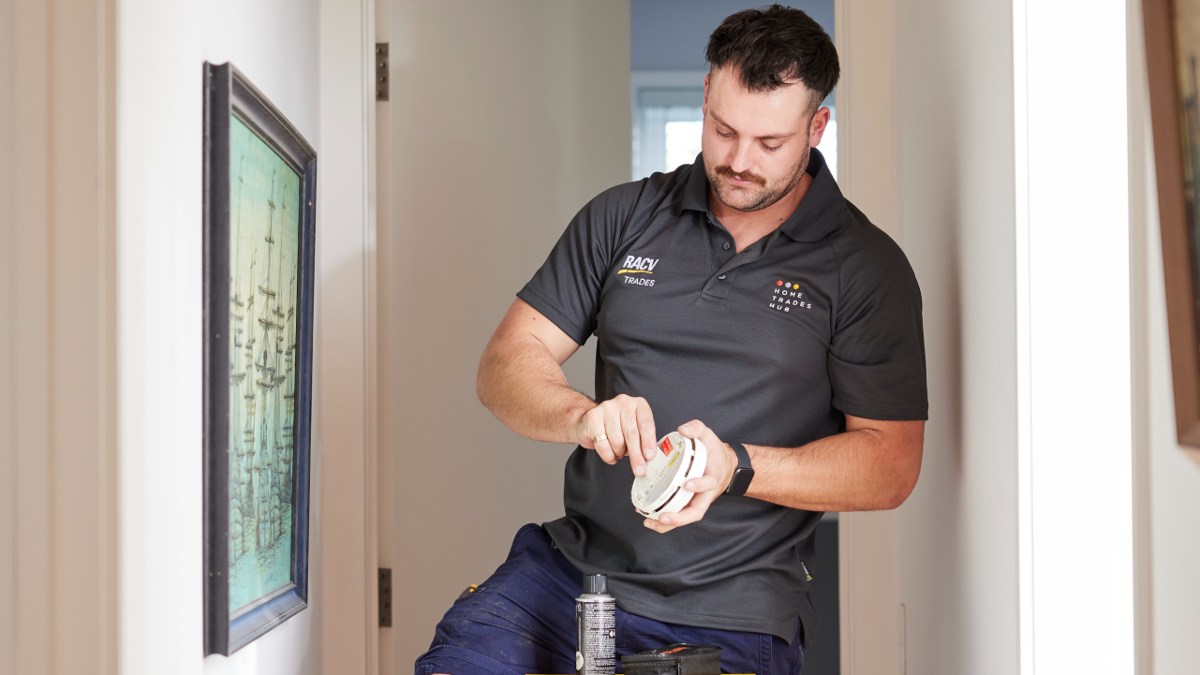
Checking and maintaining your smoke alarms is vital for helping save lives in the event of a fire.
What do I do if my lithium-ion device or battery is damaged?
Watch out for any of these abnormalities:
- feeling extremely hot to touch
- strong odours
- leaking
- case discolouration, blistering, bulging or swelling
- abnormal popping, hissinrg or crackling sounds.
If you notice any of the above, CFA advises immediately turning the power off, unplugging the device from the power outlet, and moving it outside away from anything that can catch fire (if it's safe to do so).
Then evacuate the house and call 000 for a fire brigade. Even if there is no fire, the toxic fumes from a damaged lithium-ion battery can be dangerous to inhale, and an overheated lithium-ion battery may reignite.
CFA advises to always use gloves or other hand protection before touching or moving leaking lithium-ion batteries. Touching a leaking lithium-ion battery with bare hands can cause severe burns. If you incur a burn injury, seek medical attention urgently.
What to do if there's a lithium-ion battery fire
Lithium-ion battery fires require different extinguishing methods to a traditional fire. You should not attempt to extinguish a lithium-ion fire yourself, because the vented battery gases, vapours and smoke are highly toxic to inhale.
If smoke or flames start emitting from the battery or device, CFA urges Victorians not to touch the device. Instead, evacuate the area and close doors as you leave (if safe to do so) to slow the spread of the fire. Call 000 for a fire brigade, advising the operator that it is a lithium-ion battery incident, and wait in a safe outdoor location for the emergency services to arrive.
How do you safely dispose of lithium-ion batteries?
CFA says that lithium-ion batteries should never be placed in your rubbish or recycling bin. They can cause fires in household bins, garbage trucks and waste or recycling facilities.
Used, old or damaged lithium-ion batteries are a type of e-waste, and are potentially hazardous as they contain toxic chemicals, heavy metals, and other pollutants that could contaminate water supplies and ecosystems.
There are many places you can freely and safely dispose of old or damaged lithium-ion batteries thanks to B-cycle, Australia's national battery recycling scheme. Find your closest disposal location here. Some local councils also provide safe avenues to dispose of lithium-ion batteries, as do some retailers.
If safe to do so, place any leaking or damaged batteries in a clear plastic bag before taking them to a disposal facility.
The information provided is general advice only. Before making any decisions please consider your own circumstances and the Product Disclosure Statement and Target Market Determinations. For copies, visit racv.com.au. As distributor, RACV Insurance Services Pty Ltd AFS Licence No. 230039 receives commission for each policy sold or renewed. Product(s) issued by Insurance Manufacturers of Australia Pty Ltd ABN 93 004 208 084 AFS Licence No. 227678