
Learn essential barbecue safety tips for summer, including safe setup, fire hazards, gas leak detection, food handling and how fire bans affect barbecuing.
Maintenance
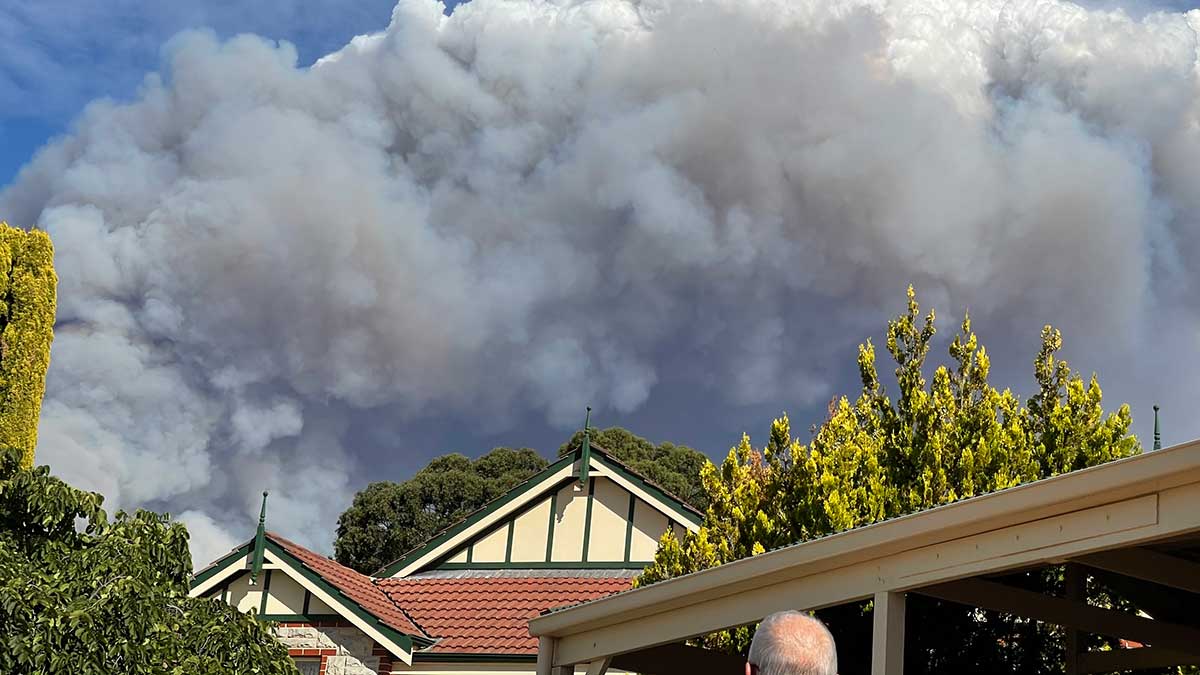
Guide to home fire hazards, prevention and safety
A house fire can start quickly, spread rapidly and cause devastating damage within minutes.
There are 3,000 house fires in Victoria each year, according to the Country Fire Authority (CFA). Kitchens are one of the most common locations for fires to start in the home, while lithium-ion battery fires occur almost daily in Victoria.
The good news is that many home fires can be avoided with the right safety measures, regular maintenance, and informed household habits. Whether you live in a standalone house, townhouse or apartment, understanding fire hazards and preparing accordingly can make a crucial difference.
In this article
- Common causes of house fires
- Smoke alarms: your first line of defence
- Kitchen fire hazards
- Electrical devices
- Open flames: fireplace and candle safety
- Indoor heating safety
- Garage fire prevention
- Bushfire safety
- Firepit and BBQ safety
- Creating and practising a home fire escape plan for houses and apartments
- Rental properties: fire safety and the law
- What should I do if a fire starts in my home?
Common causes of house fires
Understanding how fires typically start is the first step in preventing them. The most common causes of residential fires include:
- unattended cooking, particularly stovetop cooking
- electrical faults or overloaded power boards
- heating appliances placed too close to flammable materials
- lithium-ion batteries overheating or charging incorrectly
- candles and open flames left unattended
- cigarettes not being extinguished properly.
Many of these risks increase during colder months, when heaters are used more frequently and daylight hours are shorter.
Smoke alarms: your first line of defence
Smoke alarms are one of the most effective fire safety tools in any home. They provide early warning, giving occupants precious time to escape.
Where to install smoke alarms
Smoke alarms are legally required in all Victorian residential buildings. Furthermore:
- There must be at least one smoke alarm on every level of a residential property.
- Smoke alarms should be located between each sleeping area and the remainder of the home (often in the hallway outside of bedrooms).
- Homes built before August 1, 1997 must have at least one standalone, battery-powered smoke alarm installed.
- Homes built after that date must have smoke alarms installed that comply with Australian Standards AS3786 and are connected to 240-volt mains power, with a back-up battery.
- All new homes, as well as those undergoing significant renovation after 1 May 2014, must use interconnected smoke alarms if there is a need for multiple smoke alarms.
Interconnected smoke alarms are strongly recommended for all households, as they ensure that if one alarm activates, all alarms sound simultaneously. CFA and RACV also recommend that smoke alarms be installed in every bedroom and living area.
Maintaining smoke alarms
Smoke alarms can only save lives if they're correctly installed and working properly.
A 10-year lithium battery should ideally be used to power your alarms. This should be replaced every ten years, along with the back-up battery (if alarms are wired to the mains). If a nine-volt battery powers your alarm, it should be replaced every year.
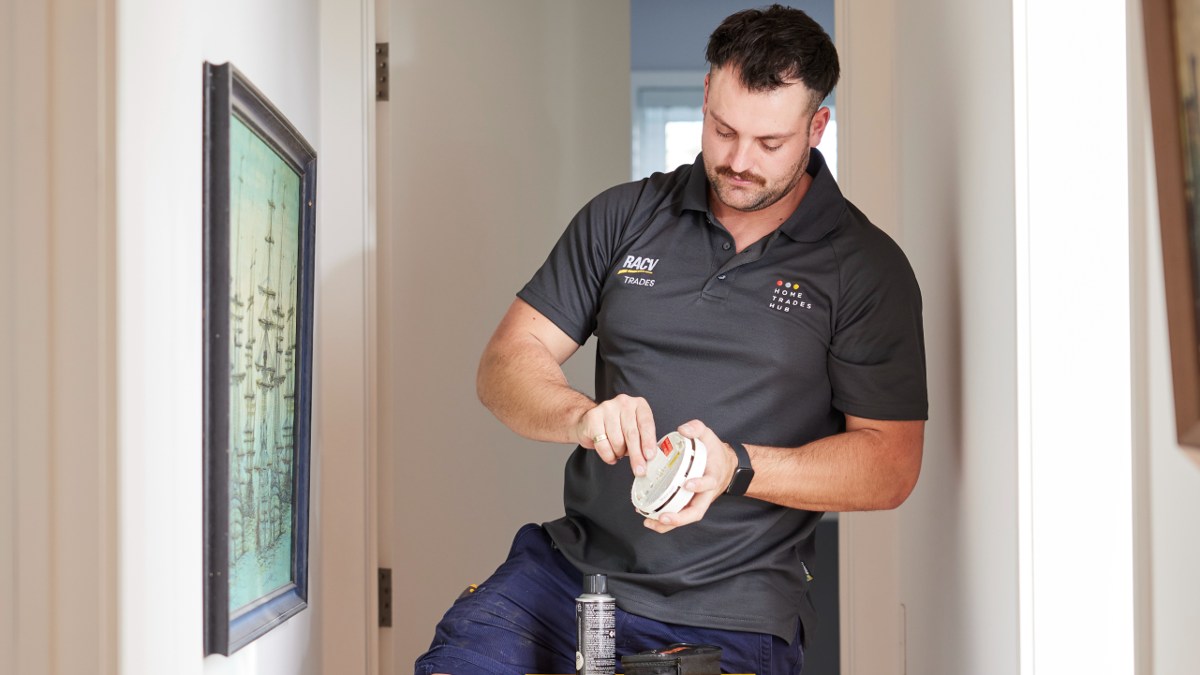
Check your fire alarms monthly by pressing the 'test' button on the alarm. Dust the alarm at the same time, as dust build-up and other debris can affect how well they work.
Replace the entire smoke alarm unit every 10 years or earlier if it is yellowing, keeps activating for no reason, or keeps beeping after the battery has been replaced.
Smoke alarms can only help save lives if they're correctly installed and working properly.
Fire hazard prevention in the kitchen
The kitchen is the most common place for house fires to start, largely due to unattended cooking.
Safe cooking practices
Here is a list of important and practical ways to reduce kitchen fire risks.
- Never leave cooking unattended, especially when frying or grilling.
- Keep flammable items such as tea towels, paper towels, curtains and cooking oils away from stovetops.
- Keep grills, fans and cooking surfaces free from grease and residue.
- Turn pot and pan handles inward to prevent spills or accidental knocks.
- Keep a lid nearby to smother small pan fires.
- Always supervise children in the kitchen.
If a stovetop fire occurs, never use water to extinguish it, as this can cause flames to spread. Instead, if safe to do so, turn off the heat and cover the pan with a metal lid.
Electrical appliances in the kitchen
Ensure that kitchen appliances such as kettles, toasters and air fryers are kept clean and in good condition. Crumbs, dust, debris and grease build-up can increase fire risk.
Avoid plugging multiple high-wattage appliances into the same power outlet.
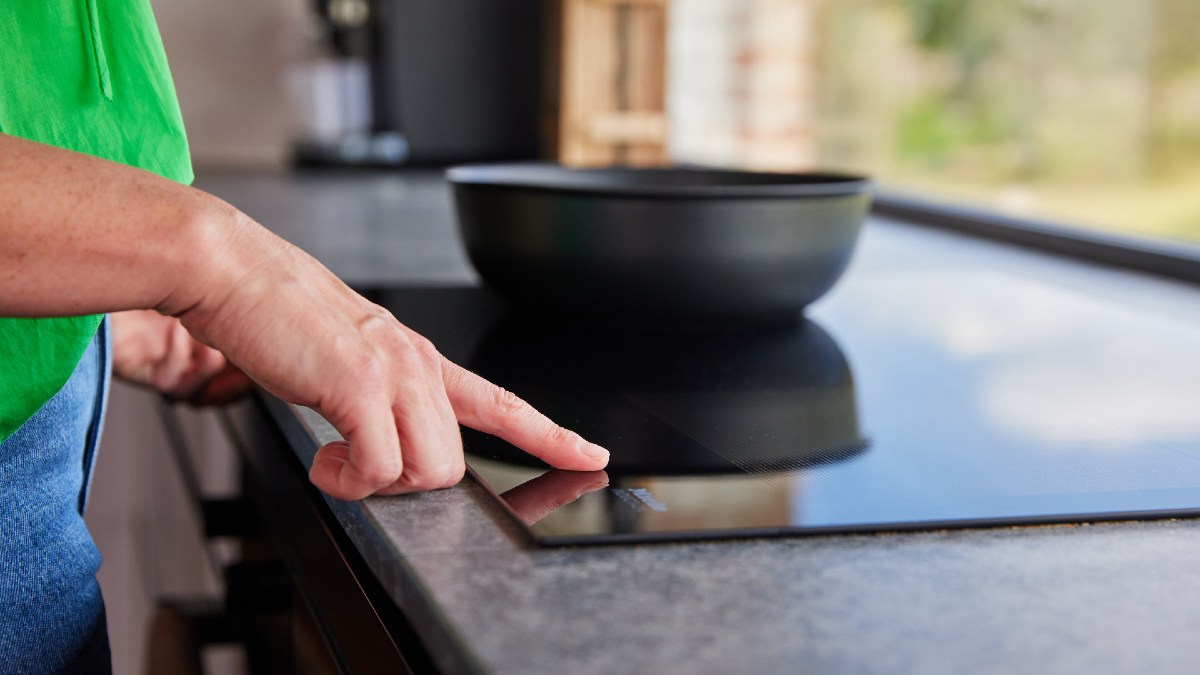
Swapping to an induction cooktop can help minimise the risk of fires, because this type of cooktop doesn't produce flames or radiant heat.
Induction cooktops don't produce flames or radiant heat. Image: Matt Harvey
Electrical safety and fire prevention
Electrical faults are a leading cause of house fires, particularly in older homes.
If you notice your lights flickering regularly, warm power outlets, or even a buzzing noise, then it’s imperative you call an electrician to visit your property as soon as possible. These signs can indicate an issue with your main switchboard. Unsafe switchboards can lead to fire, electric shock and potentially death.
Even if you know how to deal with a tripped fuse, if it happens more than once you need to call an electrician, who can check your safety switches and upgrade your switchboard, if necessary.
Lithium-ion battery safety
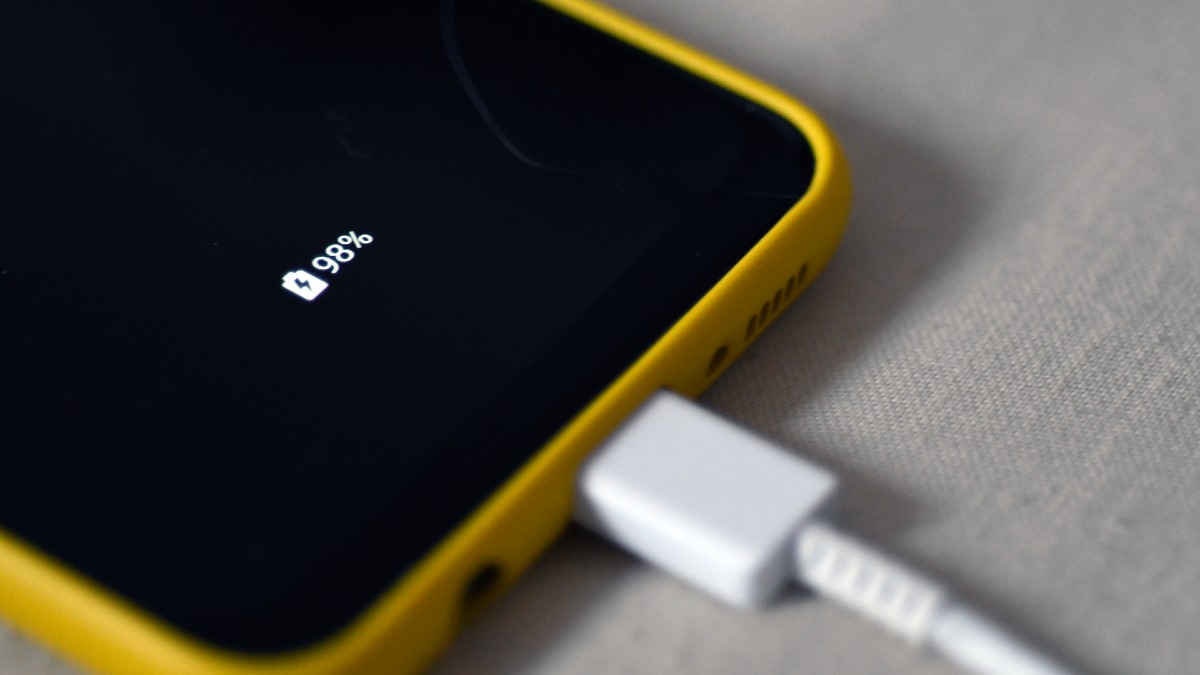
Lithium-ion batteries cause almost daily fires in Victoria, according to the CFA. If you have a device with an inbuilt rechargeable battery (e.g. smartphone, laptop, power tools, e-bikes), it's likely to be lithium-ion.
To help prevent lithium-ion battery fires:
- replace damaged cords and chargers immediately
- only use manufacturer-approved chargers with the Australian Standards Regulatory Compliance Mark
- only charge one device per power outlet
- disconnect devices as soon as they are fully charged
- avoid charging devices overnight or unattended
- do not charge batteries on beds, sofas or other soft surfaces, or near chemicals
- don't leave devices charging in direct sunlight, where they can overheat
- repair or replace the battery if your device starts running out of charger faster than normal, as this could indicate the battery is degrading.
Reducing electrical fire risks
Even corded electrical devices without lithium-ion batteries can pose fire hazards if used incorrectly.
When using electrical devices, remember to:
- obey manufacturer instructions
- turn devices off at the power point when not in use
- place electrical devices (e.g. monitors, televisions, dryers, friges) so that they receive airflow to dissipate the heat they produce
- replace frayed or damaged cords immediately
- keep electrical cords out of reach of pets and children
- plug high-wattage appliances like heaters directly into power points, not power boards.
In addition, avoid:
- overloading power points or power boards
- using double adaptors
- plugging multiple extension cords together
- using any electrical device that has exposed wires.
If your home still has old ceramic fuses or outdated wiring, consider having your electrical system assessed. Any electrical work should be carried out by a licensed electrician.
Laundry fire safety
Dryers are a common source of fires due to lint build-up. To help prevent laundry fires, clean the lint filter after every use and ensure the dryer vent is clear. Avoid running dryers when you are asleep or out of the house. You should also let the dryer complete its cool-down cycle before stopping it.
Don't overcharge lithium-ion batteries and always use a charger that meets Australian standards. Image: Getty
Open flames: fireplace and candle safety
Fireplaces and chimneys
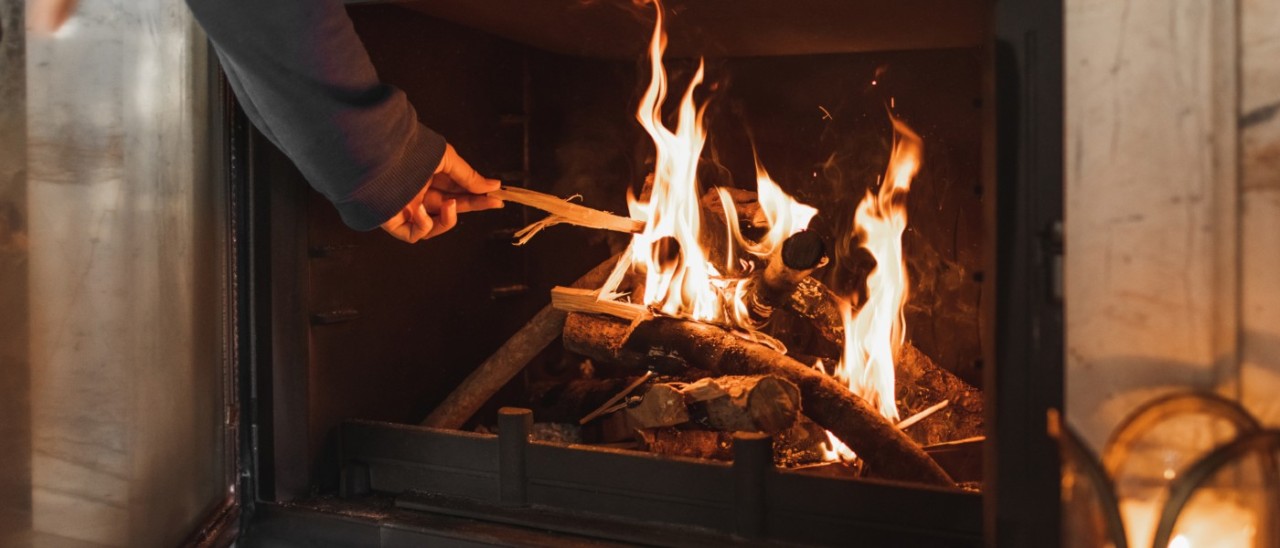
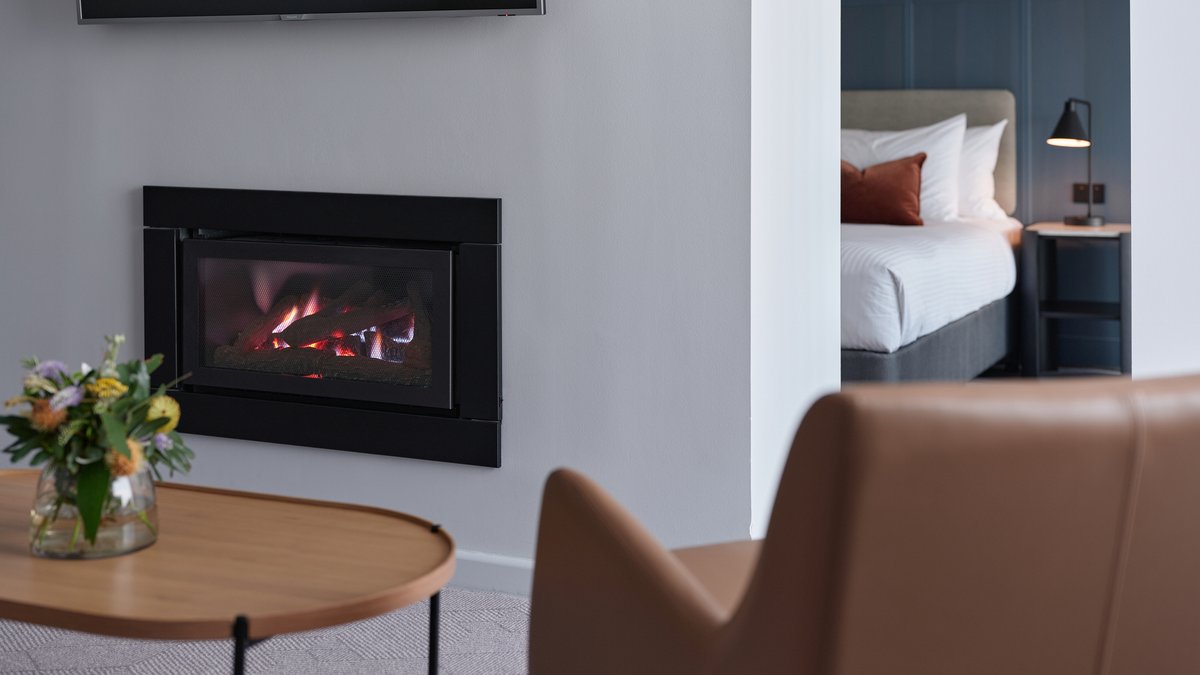
Whether you have a gas, electric, ethanol or wood fireplace, it's important to keep your fireplace well maintained to reduce home fire risks.
To use your fireplace safely, you should:
- keep the area clear of any objects placed on or hung from it
- keep all flammable materials well away
- use a secure fire screen to protect children and pets
- fully extinguish the fire before leaving the house or going to sleep.
Wood-burning fireplaces should be professionally cleaned and serviced every year, including its chimney and flue. You should also maintain a one inch-thick layer of ash at the bottom of the fireplace, removing any excess ash once completely cool.
Gas fireplaces should be serviced at least once every two years by a qualified gasfitter.
Electric fireplaces should be periodically dusted when cool, with bulbs replaced as necessary.
Ethanol fireplaces need regular wipe downs once cold to prevent dirt and dust build-up. The burner should also be regularly removed and cleaned in hot, soapy water.
Candles and oil burners
Candles, oil burners and incense burners should always be placed on stable, heat-resistant surfaces away from flammable materials (e.g. curtains) and draughts. Candles should only be burned in purpose-designed candle holders. Keep matches and lighters in a safe location too.
Battery-operated candles provide a safer alternative, particularly in homes with children or pets.
Electric fireplaces are generally safer and easier to maintain than other fireplaces.
Indoor heating safety
Heating equipment becomes a major fire hazard during winter, particularly when used incorrectly.
Safe use of heaters
All types of heaters have the potential to cause fires if used incorrectly.
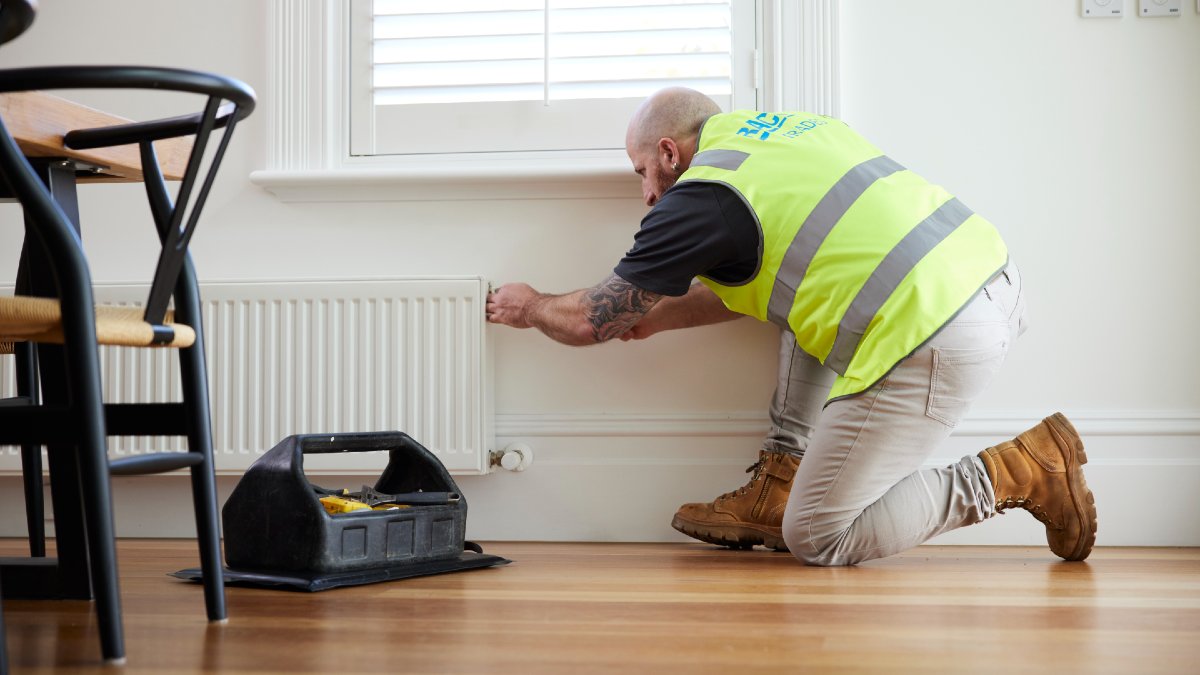
Most manufacturers recommend heaters are serviced annually before winter to help ensure they're working correctly. Not only can servicing help prevent fire risks, but it can also increase your heater's lifespan, improve your home's air quality, and reduce running costs thanks to better efficiency.
Servicing gas heaters is particularly important to check for potentially deadly carbon monoxide leaks.
Other fire safety tips for heaters include:
- turning heaters off before leaving the house or sleeping
- maintaining a minimum one-metre distance between heaters and combustible materials like soft furnishings, curtains and clothing
- choosing portable heaters that have safety cut-off switches
- placing portable heaters on a flat, stable surface
- supervising children and pets near heaters.
Electric blankets
Electric blankets can help keep you warm, but they can also pose a fire hazard if used or stored incorrectly.
It's recommended that you only turn on your electric blanket 30 minutes before bedtime, then turn the blanket off before you get into bed.
Store the blanket rolled up (not folded) and not under any heavy objects. Inspect it for damage after taking it out of storage. Do not sit or place weight on electric blankets when they are turned on.
Garage fire safety
Garages often store flammable liquids such as petrol, paint and solvents. These should be stored in sealed containers, away from ignition sources. Never run vehicles or fuel-powered equipment in enclosed spaces.
Regular servicing can improve the safety of your heaters as well as reduce running costs.
Your property and bushfire safety
Even if you live in the city, it's important to be bushfire safe - especially in areas near large bushland parks.
You can help protect your property from bushfires by:
- maintaining vegetation (lawns, gardens, leaves) on your property. You may require a permit if burning off – visit Fire Permits Victoria to check and apply
- cleaning gutters regularly to prevent debris build-up
- sealing gaps in windows and doors
- storing flammable items (including wood piles) well away from your home.
- making sure your home insurance is current and covers you for the right events, items, and structures.
It's also vital that you have a bushfire plan in place that states when you'll leave, where you'll go and how you'll get there should a fire ignite.
Firepit and outdoor fireplace safety
Firepits and outdoor fireplaces should be placed at least three metres away from large structures such as your house, shed or fence. Keep flammable materials, including overhanging plants or lights, well away too.
Place the pit on a flat, non-flammable surface and obey all manufacturer's instructions. Do not leave a lit firepit unattended, and supervise children and pets while it's in use.
Barbecue fire safety
Many of the safety rules that apply to kitchens also apply when barbecuing outside (or using pizza ovens, spit roasts or smokers outside).
Keep flammable materials, as well as children and pets, away from the barbecue (the CFA advises a three metre perimeter). Never leave a lit barbecue unattended and clean it regularly.
Make sure the barbecue is placed on level ground and avoid grilling on windy days – this is to avoid debris flying onto the barbecue where it could ignite, as well as to reduce the chance of the burners being blown out.
Adhere to the manufacturer's instructions when igniting your barbecue, ensuring you use the correct fuel and lighter fluids (where appropriate).
Barbecues that use solid fuel such as wood, coals and heat beads are banned on total fire ban days.
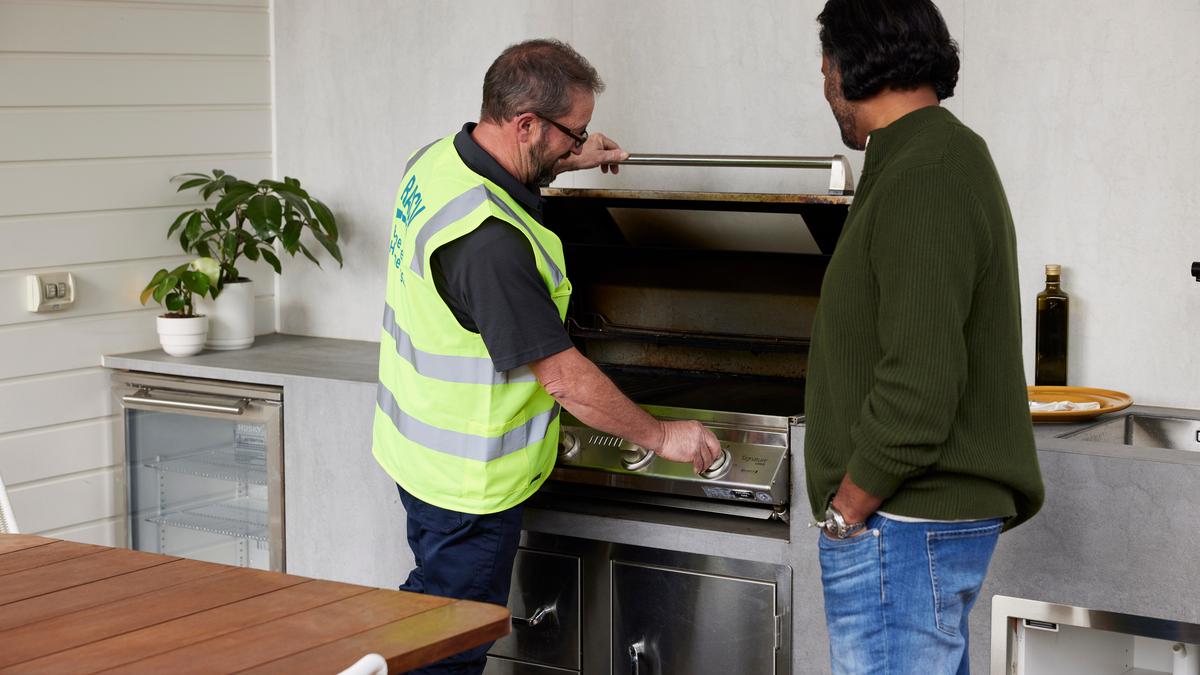
Keeping your barbecue clean and away from flammable materials is important for outdoor fire safety.
Rental properties: fire safety and the law
As per the Victorian Residential Tenancies Regulations 2021, Victorian rental providers are responsible for the installation of smoke alarms in their rental properties and for the alarms to be installed in line with the regulations and manufacturer's instructions.
They also must:
- have the smoke alarms tested every 12 months
- supply replacement batteries for the alarms as needed
- supply renters with written information on how the alarms work, how to test the alarms, the renters' obligation not to tamper with the alarms, and the renters' obligation to immediately notify the rental provider if an alarm is not working.
A non-working fire alarm is classed as an urgent repair per the Victorian Residential Tenancies Regulations 2021, and therefore the rental provider must immediately arrange for its repair or replacement when notified by renters.
Rental providers are also responsible for arranging electrical and gas safety checks every two years.
On the other hand, renters must not interfere with carbon monoxide alarms or fire safety or fighting equipment (such as fire sprinklers, blankets, hose reels, hydrants and extinguishers) unless reasonable to do so.
More: Minimum standards for rental properties in Victoria: what landlords must know
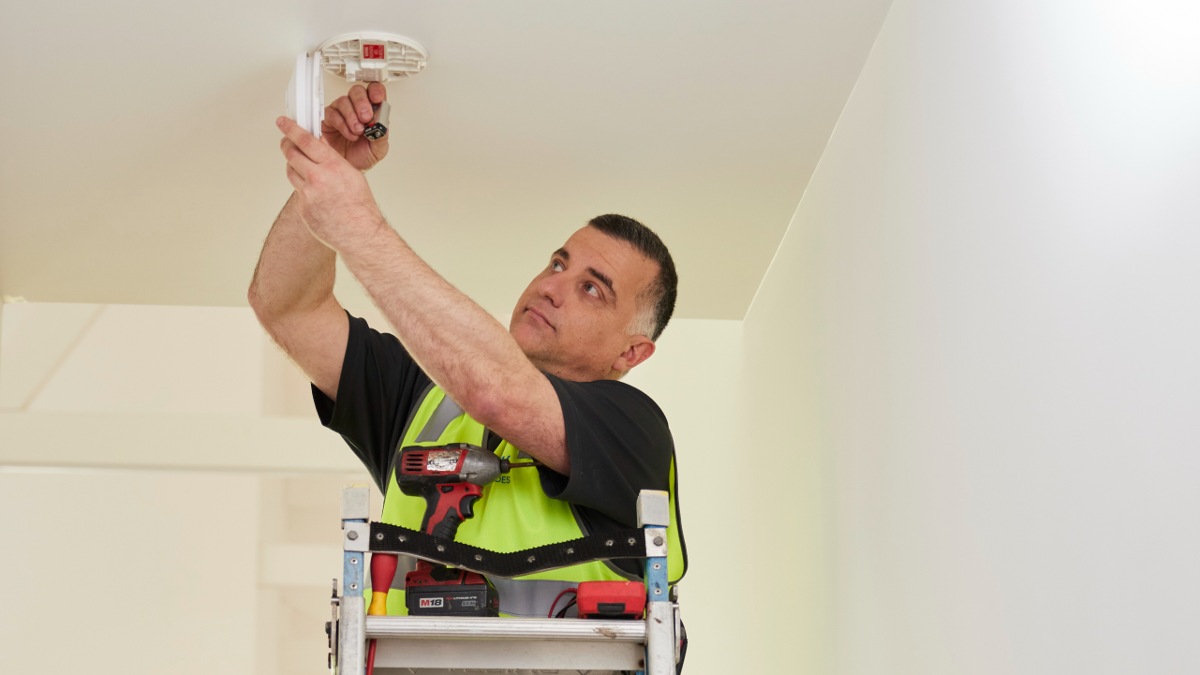
Rental providers must provide correctly installed and maintained smoke alarms.
Creating and practising a home fire escape plan
Even with the best prevention measures, it's essential to plan for emergencies.
How to create a fire escape plan
A fire escape plan should include:
- at least two routes of escape from every room (in case one becomes blocked)
- how to exit from upstairs, if your home has a second level
- a designated outdoor meeting point
- clear instructions for children and vulnerable household members.
Ensure windows and doors can be opened easily and that security screens allow emergency exit.
Fire escape plans for apartments
If you live in an apartment, evacuating from a fire may be less simple than evacuating from a freestanding house.
Apartment buildings should have a fire escape plan listing the location of all fire exits, fire stairs, firefighting equipment, and evacuation points. Make sure to obtain a copy from your owner's corporation and memorise the information.
Never prop fire doors open or store items in corridors, stairways or fire equipment cupboards.
Remember not to use elevators (lifts) during a fire. Use emergency exits or fire stairs to evacuate instead. Only use firefighting equipment if you feel safe and confident doing so.
Practising your escape plan
Practise your fire escape plan at least twice a year, including at night.
Educate children about fire hazards, teach them to recognise smoke alarms, and discourage them from hiding during emergencies.
Include pets in your evacuation planning where possible.
Create and memorise your fire escape plan in case of an emergency. Image: Getty
What should I do if a fire starts in my home?
If a fire starts at home, the safest option is to get out, stay out, and call 000.
Remember to:
- follow your fire escape plan
- stay low to avoid smoke inhalation
- stop, drop and roll if your clothes catch fire
- use the back of your hand to check doors for heat before opening
- (if safe to do so) alert others
- (if safe to do so) close doors behind you
- meet the rest of your household at your designated safe meeting spot outside
- call 000 and ask for fire.
If you can't escape, close the door to the room where there's fire if safe to do so. Get as far away from the smoke and fire as possible and call 000. Ask for fire, say you need help escaping, and stay on the line with the operator - do not hang up.
Using fire extinguishers and fire blankets
The CFA recommends keeping a fire blanket and extinguisher in every kitchen. Only use this equipment if you feel confident in doing so.
Be mindful that different types of extinguishers are required for different classes of fires - see the table below.
| Type of fire extinguisher | |
|---|---|
|
Water |
Class A, wood and paper fires |
|
Wet chemical |
Class F, cooking oil and fat fires |
|
Foam |
Class B, flammable and combustible liquid fires |
|
Powder (ABE or BE) |
ABE powder: Class A, B, C, E, wood, paper, flammable liquids, flammable gases and electrically energised equipment fires BE powder: Class B, C, E, F, flammable liquids, flammable gases, electrically energises equipment and cooking oil and fat fires |
|
Carbon dioxide |
Class E, electrically energised equipment fires |
|
Vaporising liquid |
Class A and E, wood, paper and electrically energised equipment fires |
|
Fire blanket |
Class F, cooking oil and fat fires |
Insurance considerations and documentation
While prevention is the priority, having appropriate home and contents insurance, whether you're a home owner or landlord, provides financial protection if the unexpected occurs. Keep an up-to-date home inventory with photos and receipts stored digitally to aid claims in the event of a fire.
The information provided is general advice only. Before making any decisions please consider your own circumstances and the Product Disclosure Statement and Target Market Determinations. For copies, visit racv.com.au. As distributor, RACV Insurance Services Pty Ltd AFS Licence No. 230039 receives commission for each policy sold or renewed. Product(s) issued by Insurance Manufacturers of Australia Pty Ltd ABN 93 004 208 084 AFS Licence No. 227678.

