
How do you know if a tradie's work is up to scratch? Here's everything you need to know about how to find and hire the perfect tradie for your job at home.
Maintenance

How to stop window condensation in winter: causes and prevention tips
Learn why window condensation happens in winter and discover practical ways to reduce moisture, prevent mould and keep your home warm, dry and comfortable.
As temperatures drop, many Victorian households wake up to foggy windows and water droplets running down the glass. Window condensation occurs when warm, moist air inside your home comes into contact with the cold surface of your windowpanes.
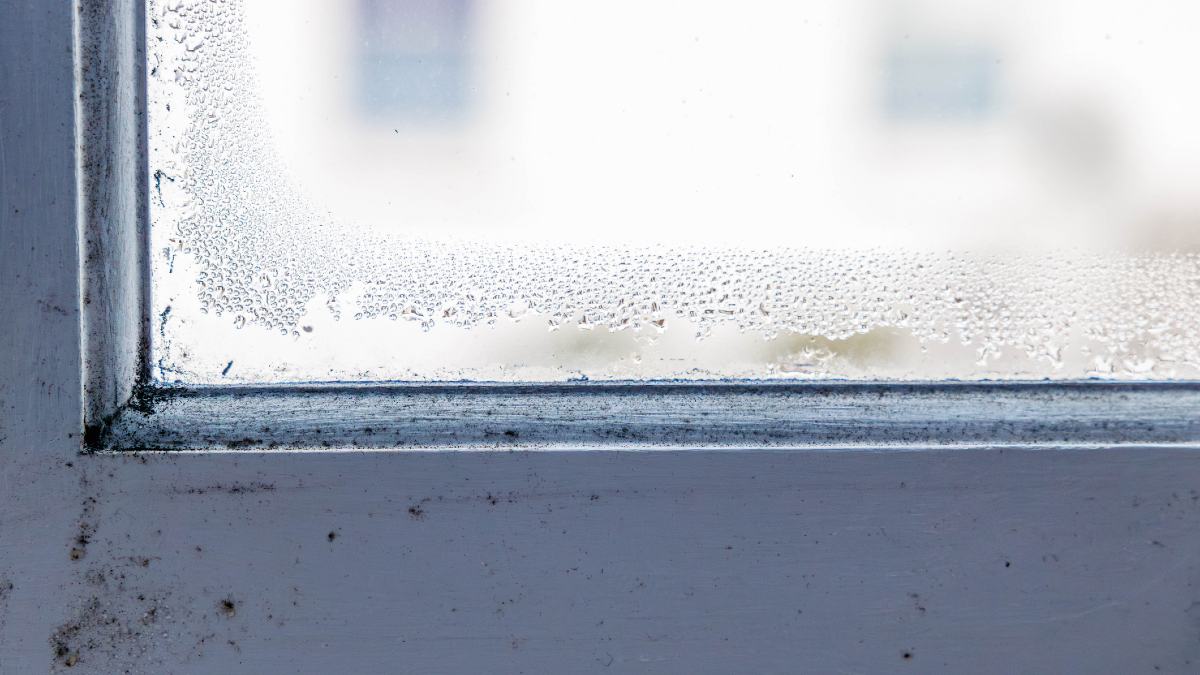
Unfortunately, ongoing moisture inside your home can contribute to mould growth, damage timber window frames and furnishings, and reduce indoor comfort.
Home Trades Hub Australia (HTHA) Head of Inspections Kieran Davies says window condensation can be particularly problematic in winter, when interior air is often warmer than the outside air.
"Condensation forming on windows over a prolonged period of time can rot wood and damage plaster, causing structural damage to windowsills, walls and ceilings," he says. "It can also grow mould, which has its own set of problems, including an increased risk of respiratory issues."
The good news is that condensation is often preventable with a few simple changes to how you heat, ventilate and manage moisture in your home.
Here's why window condensation happens in winter, plus practical ways to reduce it.
Why is window condensation a problem?
Occasional condensation isn't usually a cause for concern, but if moisture remains on windows for extended periods it can lead to several issues, including:
- mould and mildew growing around window frames, curtains and nearby walls
- damage to timber window frames, paintwork and window furnishings
- musty odours and poorer indoor air quality
- higher humidity that can make your home feel colder and less comfortable
- potential damage to flooring and furniture if water continually drips from windows.
Reducing condensation helps protect both your home and your health.
How to stop window condensation in winter
Improve ventilation throughout your home
It might seem counterintuitive to let cold air inside during winter, but good ventilation is one of the most effective ways to reduce condensation.
"The best and most direct way to prevent window condensation is to properly ventilate your home," Davies says.
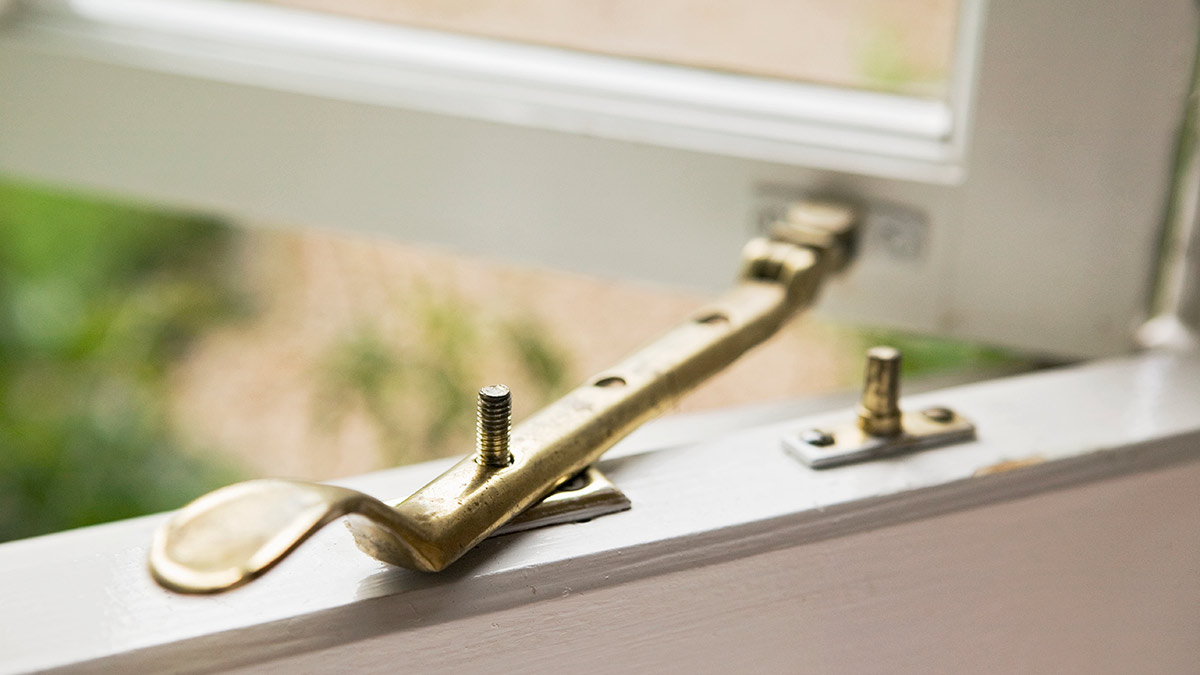
Open windows for 10 to 15 minutes each morning (before you turn the heater on) to allow humid indoor air to escape. Even a short burst of fresh air can significantly lower indoor moisture levels. It's also good for improving air quality in your home.
Just remember to always close and lock your windows whenever you leave the home to help prevent burglary.
Always use exhaust fans
Bathrooms, kitchens and laundries generate large amounts of moisture.
Run exhaust fans while showering, cooking or using the clothes dryer, and leave them running for at least 15 minutes afterwards to remove humid air before it spreads through the house.
If your exhaust fans aren't venting effectively or are particularly noisy or old, it may be worth having them inspected or replaced.
Open your windows for a short period every day to air the house and prevent condensation. Image: Getty
Avoid drying clothes indoors
Wet washing releases litres of moisture into the air as it dries. Reducing indoor drying can make a noticeable difference to condensation levels.
Whenever possible, dry clothes outside on a clothesline or outdoor clothes airer - even during winter when there is less heat and sun. This avoids introducing extra moisture into your home, and it's a great way to save on your energy bills. The fresh air and sunlight may also help kill bacteria and dust mites.
If you use a dryer, a heat pump dryer or condenser dryer is better than a traditional vented dryer, because these types of dryers store the moisture rather than sending it out as exhaust. Heat pump dryers are the most energy efficient and one way to save money on your laundry bills in the long run.
If outdoor drying or a drying machine isn't possible, an extra spin cycle after your normal wash can help wring out excess water before you hang out your washing. Place the clothes drying rack in a well-ventilated room with windows slightly open or an exhaust fan running.
Heat your home consistently
A consistently heated home is generally less prone to condensation than one that experiences dramatic temperature swings.
Heating also helps keep internal surfaces (including windows) warmer, reducing the likelihood that moisture will condense on the glass.
Rather than putting on your heating full-blast and then turning it off, try keeping your heating system on a constant lower temperature. The Australian Government's Department of Climate Change, Energy, the Environment and Water recommends keeping your heating between 18°C and 20°C in winter to cut down on energy bills.
Keep curtains and blinds slightly open
Heavy curtains or tightly closed blinds can trap cool air against windows, allowing condensation to build up. Opening curtains during the day allows sunlight to warm the glass, while leaving a small gap between curtains and windows at night can improve airflow around the glass.
In addition, avoid blocking heating vents with curtains or furniture, as this can reduce warm air circulation.
Condensation on your windows can lead to mould and decay in the frames. Image: Getty
Consider using a dehumidifier
If your home regularly experiences high humidity, a dehumidifier can help remove excess moisture from the air.
These freestanding appliances can be set up in 'problem areas' to suck in moisture-filled air, filter out the water, and blow the dried air back into the room. This results in far less moisture reaching your windows.
Some reverse-cycle air conditioners also include a dry mode that helps reduce humidity.
This can be particularly useful in older homes, poorly ventilated rooms or during prolonged periods of cold, wet weather.
Invest in double glazed windows
Double-glazed windows are generally less prone to condensation because the inner pane remains warmer than standard single glazing. Improved insulation means there's less opportunity for warm indoor air to cool rapidly when it contacts the glass.
"One of the best ways to increase home insulation and prevent window condensation is to invest in double-glazed windows or even triple-glazed windows, which retain heat better than single-pane windows," Davies says.
If you can't install double-glazed windows, plastic window film is a cheaper and less permanent option. The performance of window film is considerably lower than double-glazing, and you should carefully research the different products and installation types available before purchasing.
While double glazing can reduce condensation, it won't eliminate it entirely if indoor humidity remains high. Good ventilation and moisture management are still important.
Use moisture traps
Moisture traps can help eliminate excess moisture in damp areas of your home. They use desiccant material such as silica gel beads or calcium chloride crystals in a tub or pouch, which absorbs moisture from the air.
These are relatively inexpensive products available from the likes of Woolworths, Bunnings, Officeworks, Kmart and Big W. They work particularly well in enclosed spaces like bathrooms, wardrobes, closets or cupboards. Keep in mind that they need replacing every few months, and place them out of the reach of children and pets.
Dry your laundry outside, or in a well-ventilated room near an open window.
How to remove window condensation
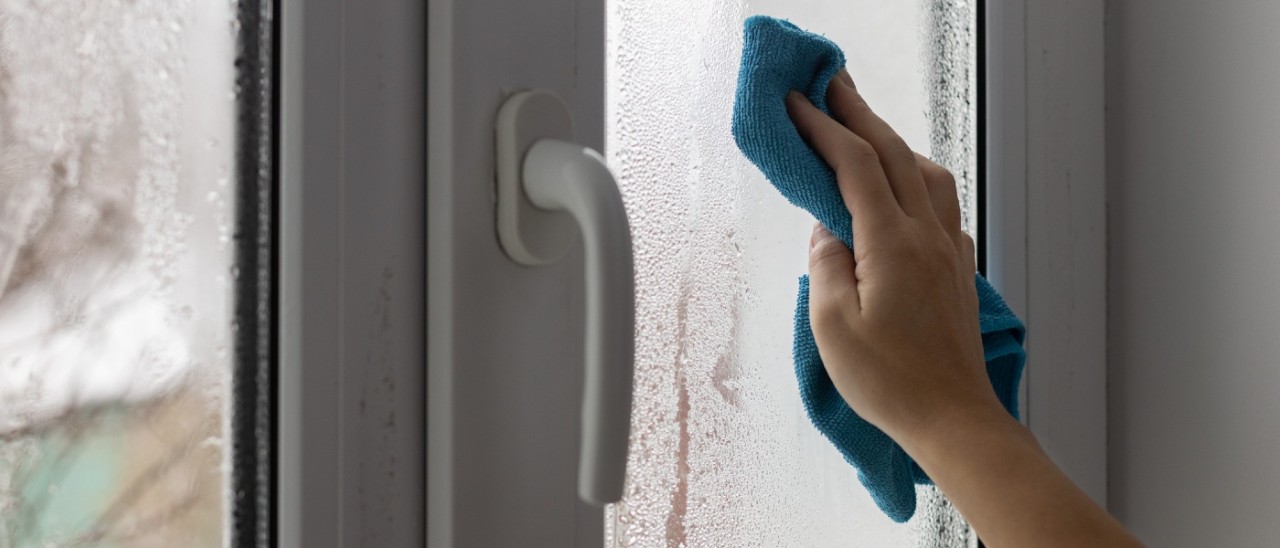
Wiping off any window condensation that does form can help prevent condensation build-up, and any consequent damage to your windows.
Grab a dry, clean microfibre cloth and gently wipe the window from top to bottom. Lay a towel or rag along the bottom of the windowpane to soak up any rivulets. Try not to wipe towards the window's edges: you don’t want to push the moisture into your windowsills or frames, which could promote mould growth.
Window condensation FAQs
Yes. If condensation forms, it's best to remove it as soon as possible. Leaving condensation on windows day after day increases the risk of mould growth and damage to timber or painted surfaces.
While internal condensation is usually caused by everyday humidity, excessive moisture may sometimes indicate other issues. You may want to investigate further if:
- condensation appears every day despite improving ventilation.
- mould repeatedly returns around windows.
- walls or ceilings feel damp.
- there are signs of leaks around windows or roofing.
- condensation forms between panes of double-glazed windows, which may indicate a failed window seal.
If you're concerned about persistent moisture or structural damage, seek advice from a qualified building professional.
Indoor plants release moisture into the air through transpiration. While a few plants are unlikely to cause significant condensation, having many houseplants in a poorly ventilated room can contribute to higher humidity levels.
Condensation on the inside of windows usually indicates excess indoor humidity and poor ventilation. Condensation on the outside of well-insulated windows is generally a sign the glass is effectively preventing heat transfer and is usually not a concern.
Yes. Condensation is most common during winter because cold outdoor temperatures make window glass much cooler than the warm, humid air inside your home.
The RACV + Rapid Building Inspections offer is redeemable for pest, building, or combined inspections. The offer is redeemable once per inspection service and cannot be combined with any other discount. Offer cannot be transferred or redeemed on behalf of any other person. Available to current RACV Members.
RACV Trades is a trading name of RACV's trade partner, Club Home Response Pty Ltd (Victorian registered domestic building practitioner number CDB-U 100178). All works are performed or arranged by Club Home Response Pty Ltd. trading as RACV Trades. See RACV Trades terms and conditions.

