
Declining global bee populations have seen Victorian backyards become a hive of activity for hobby beekeepers. And they’re reaping sweet rewards.
Gardening
How to grow tomatoes in Victoria
Learn how to grow tomatoes in Victoria, including when to plant tomatoes, the best growing conditions, watering, pest protection and harvesting tips.
There's nothing quite like picking a ripe tomato straight from the garden. Tomatoes are well suited to Victoria's warm summers, but getting the timing, location, watering and soil right can make the difference between a bumper crop and struggling plants.
Used in everything from satiating sauces to scrumptious salads, toast toppers and brekkie sides, tomatoes have become a staple in our daily diets. Generally thought of as part of the vegetable family, tomatoes are in fact a savoury berry that can be eaten raw or cooked, and are a great source of vitamins C and K, potassium and folate.
Whether you have a large vegetable patch or a few pots on a balcony, here's what to know about growing tomatoes in Victoria. With the rising cost of living, there's never been a better time to get into growing fresh fruit and veggies in your own backyard.
When to plant tomatoes in Victoria
Tomatoes are a warm-season crop and are sensitive to cold temperatures and frost.
In Melbourne and many temperate parts of Victoria, tomatoes are commonly planted outdoors during spring once the risk of frost has passed and the soil has warmed.
Jac Semmler is a horticultural expert who spent years working with Australia's largest gardening club, The Diggers Club, before starting her own plant practice Super Bloom. When it comes to tomatoes, Semmler says the ideal time to get your tomatoes in the ground is late September or October, in order to give them the longest-possible growing season.
"Ideally, you want to get them in before Cup Day," says Semmler. "I think Cup Day is a handy reminder for gardeners, a bit of a rule of thumb, to get a hurry along."
Semmler says it's critical to get big beefsteak tomatoes in early, and while smaller varieties such as cherry tomatoes can still be planted in November, "there's just a higher risk the fruit might not get to the point of ripening."
In colder parts of regional Victoria and higher-altitude areas, it may be necessary to wait longer. Seeds can be started earlier in a warm, protected position before seedlings are gradually acclimatised to outdoor conditions.
Where should you grow tomatoes?
Choose a warm, sunny position that receives plenty of direct sunlight. Tomatoes can be grown in garden beds, raised beds or sufficiently large pots, making them an option for renters and people with smaller outdoor spaces.
Good drainage is particularly important. Waterlogged soil can encourage tomato root diseases such as Phytophthora root rot, with Agriculture Victoria recommending good soil drainage and avoiding overwatering to reduce the risk.
Before planting, improve garden soil with well-rotted compost or other organic matter. For container-grown tomatoes, use a quality potting mix and make sure the pot has adequate drainage holes.
Soil preparation for growing tomatoes
Tomatoes are heavy feeders, says Semmler, so make sure you really prepare your soil by adding lots of potassium, rock dust, potash and blood and bone. Compost, manure and a liquid fertiliser also help to ensure your soil remains rich and well-drained.
Should you grow tomatoes from seeds or seedlings?
Growing from seedlings (seeds that have already sprouted) is a good option for beginners growing their first tomatoes on the vine. Semmler says the key is to choose "good-quality, healthy-looking plants."
If you're a little more advanced with your green thumb, Semmler says that the world's your oyster if growing straight from the seed, as you get access to more varieties and can even grow your tomatoes from kitchen scraps.
To do this, Semmler advises that you need to start in late August or early September, in order to plant them out in late September or October and have a nice long season.
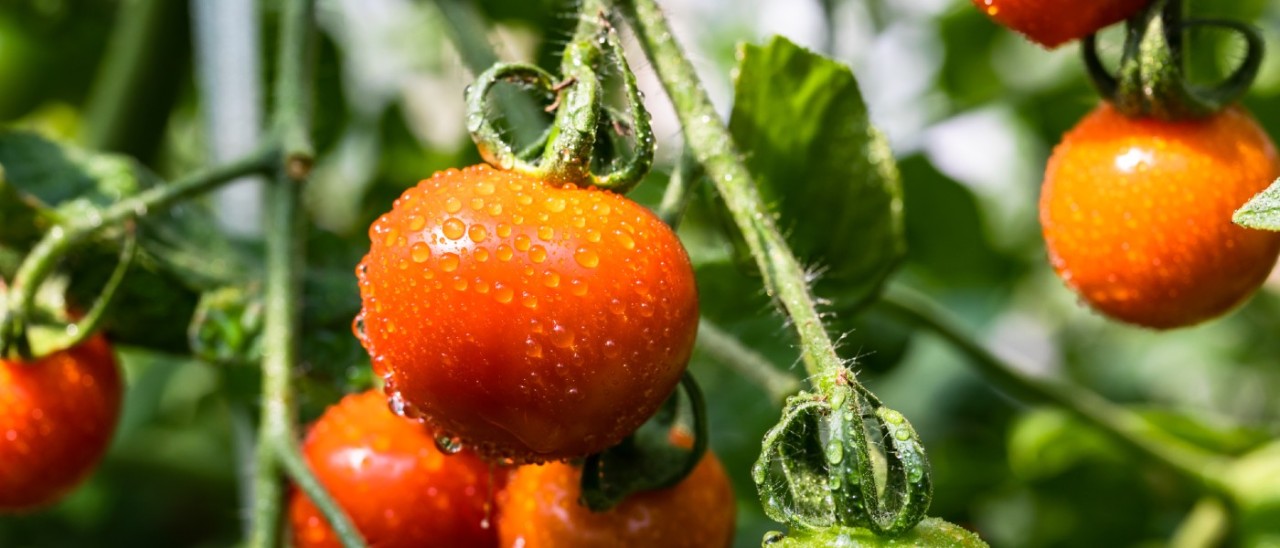
Consistent watering, plenty of sunlight and protection from pests help backyard tomatoes grow and ripen successfully. Image: Getty
How to plant and support tomatoes
Give tomato plants enough space for airflow and their mature size. Many varieties can become surprisingly large over summer.
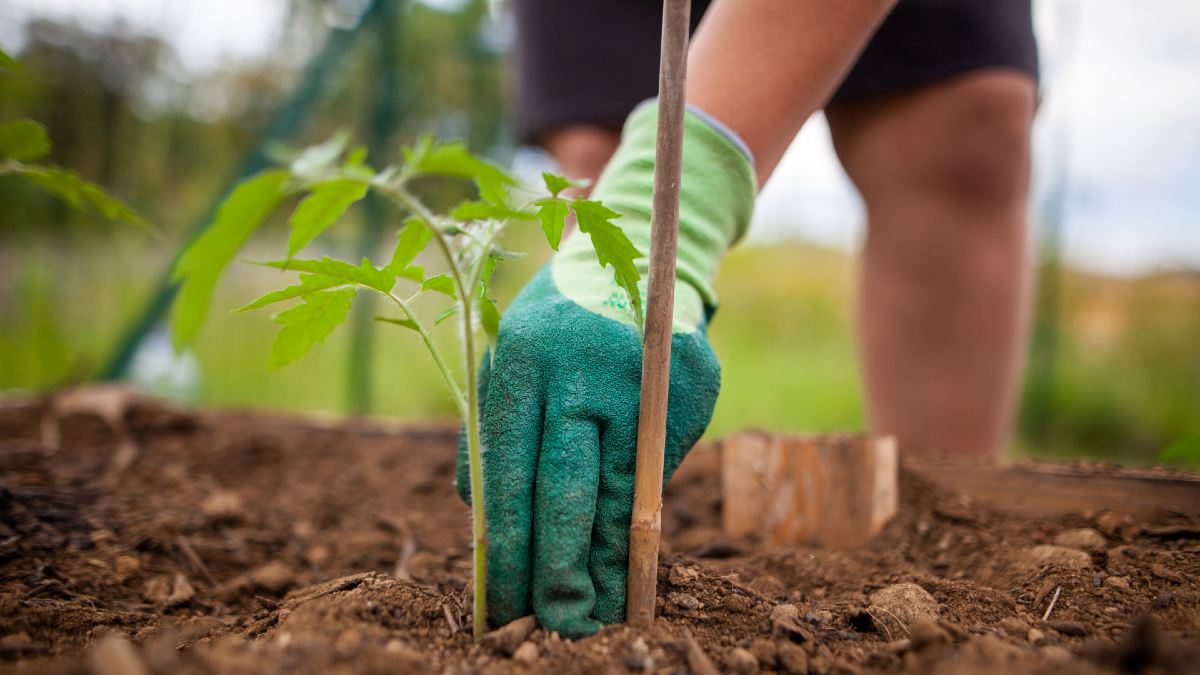
Most tomato plants will also benefit from support. Install stakes, cages or trellises when planting so you don't risk damaging established roots later. As the plant grows, gently secure the main stems to the support.
There are many tomato varieties to choose from, ranging from compact cherry tomatoes to large slicing and beefsteak varieties. Check the expected mature size when deciding what will work in your garden.
How much sun, air and water do tomatoes need?
For backyard tomato growing, full sun is a necessity. Tomatoes like a long, hot summer, and if there are large spurts of cold weather during the season, it can affect how they produce.
Once in the ground, ensuring good ventilation is vital in order to prevent any infection. Semmler says your tomatoes should be well staked, and laterals (side shoots) should be pruned so air can move through the plants.
Make sure you prepare your soil adequately, and keep feeding throughout the season to guarantee success.
Do I need to rotate where I grow tomatoes?
Semmler believes this is a must. "I never grow tomatoes in the same place I did the previous year, as some of the diseases they are prone to are fungal and bacterial," she says.
Additionally, bacteria and spores can hang around in the soil for the next season, and as it is difficult to eradicate both kinds of diseases naturally, rotation is your best bet.
Can I grow tomatoes in pots?
"You can absolutely grow tomatoes in pots," says Semmler.
In fact, tomatoes are some of the most space-saving veggies to produce, due to their vertical growth, which can even be added to a balcony garden.
Varieties that can grow in pots include Tasmanian chocolate or green grape, both dwarf plants that produce big tomatoes. With a big enough pot, Semmler says you can even try growing some of the cherry tomato varieties.
To prepare, she says you want the biggest pot possible, and to ensure you're growing seeds in an excellent potting mix. Just like the garden variety, feeding your tomatoes regularly is important, so she encourages growers to keep the watering up to date, as pots can dry out quickly.
How often should you water tomato plants?
Tomatoes generally perform best with consistent soil moisture rather than cycling between very dry and saturated conditions.
Check the soil regularly, particularly during hot Victorian weather, and water deeply when required. Directing water towards the soil and root zone rather than frequently wetting the foliage is generally preferable. A layer of organic mulch can also help reduce moisture loss during summer.
Avoid excessive watering. Agriculture Victoria notes that saturated soil and prolonged irrigation can increase the severity of Phytophthora root rot in tomatoes.
How to protect tomatoes from pests
Keep an eye out for signs of pests or disease throughout the growing season, including damaged leaves, discoloured foliage and affected fruit.
Queensland fruit fly can pose a particular problem for Victorian tomato growers. Agriculture Victoria recommends insect-proof netting to protect tomatoes, ideally after most flowers have been pollinated but while fruit is still small.
Remove fallen or damaged fruit and maintain good garden hygiene to help reduce pest and disease problems.
When are tomatoes ready to harvest?
Depending on the variety and planting time, tomatoes can begin producing fruit from summer and continue into autumn.
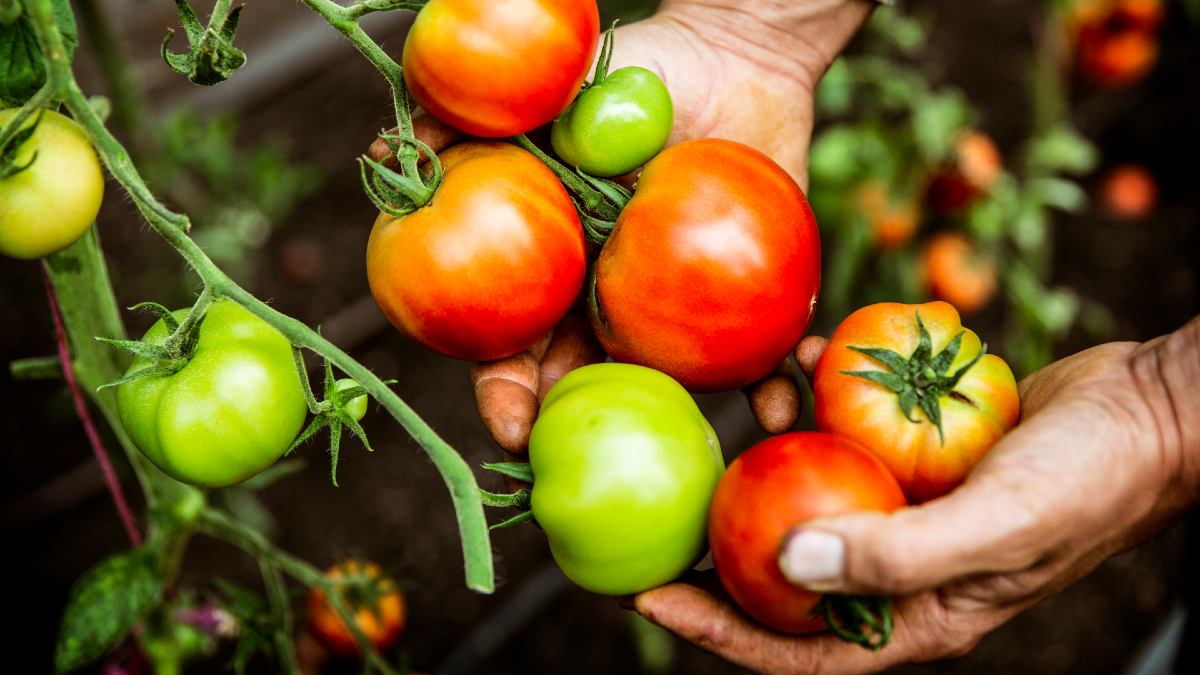
For the best flavour, allow tomatoes to develop their mature colour before picking. Regular harvesting also makes it easier to spot damaged fruit and can keep productive plants manageable.
With plenty of sunshine, consistent watering and a little maintenance, a few tomato plants can provide plenty of fresh produce throughout the Victorian summer.
The seed packet or plant tag should also indicate the colour your variety of tomato should be when ripened.
Fresh tomatoes add colour, flavour and nutrients to salads, sauces, soups and countless other dishes. Image: Getty
Why grow my own tomatoes?
There are many reasons to start growing your own backyard veggie garden, with tomatoes being a great place to start fresh. From budget savings to meditative practice and learning new skills, Semmler says the best part is the flavour that comes from home-grown.
"So many supermarket tomatoes are hybrids bred for particular attributes like uniformity, transportability and shelf life. Flavour is not one of those attributes," she says. "I don't want a tomato that tastes like water."
She says that while tomatoes can be a bit fickle to grow for beginners, they are a quintessential summer experience the whole family can get involved in. "They do have beautiful rewards when you're using them in salads, or the kids can literally go into the garden and pick them off – the cherry tomatoes don't make it as far as the kitchen very often!"
The best tomato varieties to plant in your backyard
Cherry tomatoes
When it comes to cherry tomatoes, Semmler says there is a wild variety to choose from.
"Black cherry is really beautiful… wild sweetie is (also) great for kids, it's a tiny tomato but really sweet."
Her other recommendations include the tasty pink bumblebee, and the yellow crazy cherry, named for looking like beautiful cherry or grape-like clusters of sweet tomatoes.
Beefsteak tomatoes
Despite the title, these tomatoes don't get their namesake for pairing with a great steak. They are named for their large size, and are known as the biggest tomato variation.
To grow, Seddler says that the "mortgage lifter" tomato is a great go-to. "It's such a heavy-yielding plant that produces really big beefsteak tomatoes," she says. The name is said to come from an American farmer, who literally paid off his mortgage by selling his tomatoes for a dollar each.
Salad tomatoes
When growing to add richness to salads, "tommy toes have beautiful flavour and are a very reliable tomato," says Semmler.
To those looking to add a kaleidoscope of colour to their tomato collection, she recommends the orange jaune flame, which she says have a lovely flavour, and the green zebra, which "have beautiful markings, and a lovely flavour that’s a bit zesty".
Saucing tomatoes
For delicious pasta sauces, relishes and pizza bases, Semmler says that Nonno's Italian pear is "always reliable, as is periforme abruzzese, known as 'granny’s throwing tomato'." It has thin skin, she adds, and is quite fleshy with minimal seeds, so it is perfect for making a delicious passata.

