
Learn what not to pour down your sink or drain to help prevent blockages, plumbing damage and costly repairs.
Home Trades


The common household items you should never flush down the toilet
Avoid costly blocked pipes and drains. From wet wipes to tissues, here are some of the most common items that should ever be flushed down the toilet.
Pipe blockages occur more often than you might think. During 2025, RACV Trades plumbers were called out 7,017 times to unblock a pipe or drain in homes across Victoria.
Like your kitchen or laundry sink, being careless with what you flush down the toilet can result in blocked pipes that not only require a costly repair by a licensed plumber but breed nasty bacteria that puts the health of your household at risk.
"Items that don't break down easily are at risk of getting caught on joins in pipework when flushed down the toilet, causing an obstacle for anything following behind," says RACV Trades Senior Product Manager Nathan Tayeh. "Blockages can also lead to the toilet water building up in the pan and flooding your toilet or bathroom floor, causing water damage to the room."
Tayeh also advises that some items people assume are safe to flush, including those labelled ‘flushable’, should be put in a rubbish bin rather than down the toilet.
Just because it says ‘flushable’ doesn’t mean it should be flushed,” he says. “If you do flush something down the toilet and the water doesn’t drain, continually drains slowly, or you hear excessive gurgling noises, as tempting as it might be to try and fix it yourself, it’s time to call in the professionals.
More: How to prevent water damage in your home
The common household items you should never flush down the toilet
1. Tissues
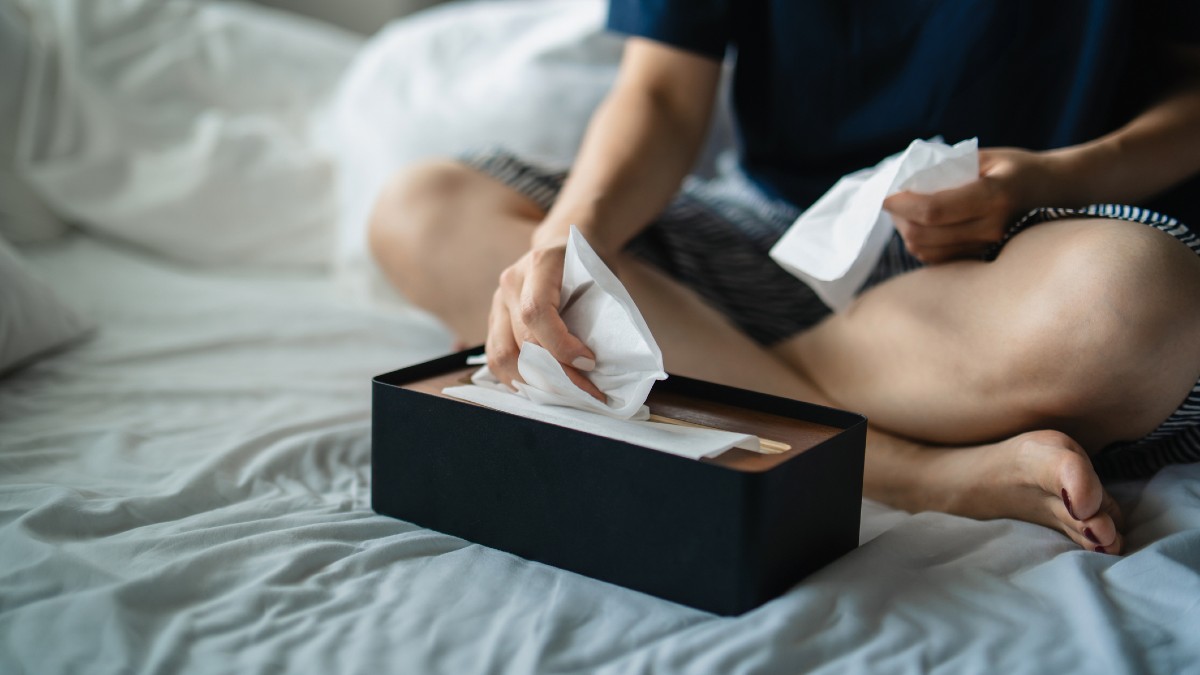
You can’t flush tissues down the toilet. Unlike toilet paper, which is designed to easily break down when wet, tissues are designed to be strong and absorbent so they don't tear as soon as you blow your nose. That’s why flushed tissues quickly become water‑logged, clump together, and block pipes.
2. Paper towel
You can’t flush paper towels for the same reasons you can’t flush tissues. They’re designed to absorb liquids and stay intact, not break down in water. When flushed, paper towels can clump into thick wads and block pipes.
You can, however, place paper towels in your compost or kerbside greenwaste bin (as long as they haven't been in contact with any harsh substances like cleaning products, paints or solvents).
3. Wet wipes
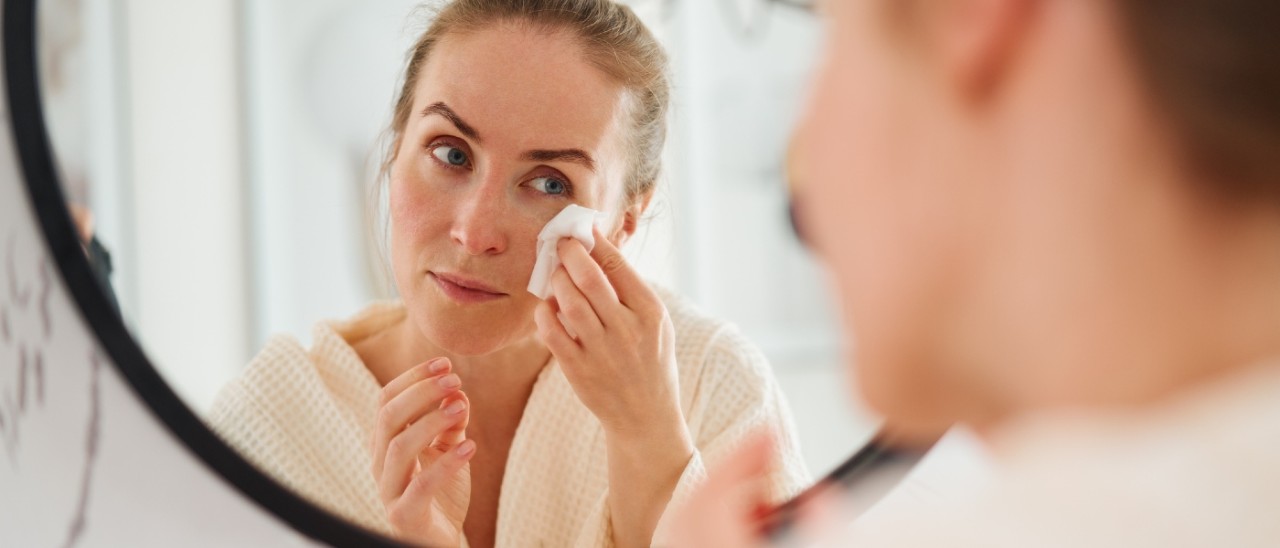
You can’t flush wet wipes or baby wipes down the toilet. In fact, baby wipes are a textbook case for items that may be marketed as ‘flushable’ but should still never be flushed down the toilet.
Baby and wet wipes remain in a 'solid' state when travelling through the pipe system because they take a long time to break down. They could easily block a pipe in your house - and even if they don't, they could end up clogging our sewer system.
Wet wipes are a major element in the highly damaging 'fatbergs' that can form in sewers. In 2020 for example, Yarra Valley Water reported a 42-tonne fatberg in its sewers that took nine-hours to remove.
Tissues don’t disintegrate like toilet paper, so they should go in the bin, not the toilet. Image: Getty
4. Tampons and menstrual products
You can’t flush tampons down the toilet - and the same goes for other menstrual products like pads and liners. Tampons are designed to absorb blood and expand to hold the absorbed liquid. If you flush tampons, they will expand even further in all the water and potentially block a pipe.
Disposable menstrual products also aren’t biodegradable, so flushing them down the toilet is also an environmental concern. To dispose of tampons and menstrual products, place them in the rubbish bin. There's usually a designated sanitary bin for used menstrual products in public women’s bathrooms.
5. Nappies
You can’t flush nappies down the toilet because the primary role of nappies is to trap liquid, meaning there is little chance of these breaking down if flushed. In fact, nappies will continue to absorb water in the toilet and can lodge in the plumbing system, leading to clogged pipes.
6. Dishcloths and sponges
You can’t flush dishcloths and sponges down the toilet as they are made to retain their strength when wet and will expand when flushed. If a dishcloth or sponge does get flushed down the toilet, it’s important to call a plumber immediately. Unless a sponge is so small that it can easily get through toilet pipes, it will get stuck. This will mean the toilet could flush sluggishly, clog or possibly overflow.
7. Cotton tips, cotton balls and cotton pads
You can’t flush cotton pads, cotton balls, cotton tips and other cotton products down the toilet. They don’t break down when flushed and can accumulate in pipes, contributing to a blockage. They may be compostable, so long as they haven't been doused in any harmful chemicals (including household cleaners, makeup, solvents etc).
It's ok to clean your toilet with a sponge – just don't flush it when you're done. Image: Getty
8. Dental floss
You can’t flush dental floss down the toilet. When dental floss is flushed, it can turn into a ‘net’ in your pipes and hold onto other debris, causing a blockage.
9. Hair
You can’t flush hair down the toilet because (like dental floss) hair creates a ‘net’ effect when flushed, catching other debris and causing blockages. Hair also never dissolves, meaning it is can potentially sit in your pipes for years, slowly causing damage – so always put stray bathroom hairs in the bin or vacuum them up.
10. Condoms
You can’t flush condoms down the toilet as latex doesn’t break down in water.
11. Chewing gum
You can’t flush chewing gum down the toilet as it doesn’t dissolve. Chewing gum is usually made of a synthetic plastic and it's sticky consistency means it can get caught in your pipes and lead to a blockage.
12. Chemicals and detergents
You can’t flush oils, paints, lubricants, pesticides, insecticides and fertilisers down the toilet, as they all contain chemicals that can damage plumbing systems and corrode pipes. Flushing chemicals down the toilet also means they have a direct path to groundwater, such as lakes and streams, potentially endangering wildlife.
13. Cooking oils and fats
You can’t flush cooking oils and fats down the toilet, or pour them down your kitchen sink, because when they cool down, they quickly solidify, sticking to the walls of pipes and clogging them up. Instead, let cooking oils and fats cool down after cooking and dispose of them in the rubbish bin.
14. Fish
You can’t flush dead fish down the toilet because they don’t break down in water and can become wedged in pipes, causing blockages. Not only that, but flushing fish down the toilet can spread bacteria in your bathroom and may be detrimental to wildlife and waterways.
Always call a licenced professional to fix a plumbing emergency.
What can I flush down the toilet?
Only the 'Three Ps' should be flushed down toilets in Australia: pee, poo and (toilet) paper.
Be mindful when using toilets overseas, as the sewer systems in some countries are not designed for even toilet paper to be flushed.
What to do if your toilet breaks or blocks
A broken toilet can be an unpleasant experience that requires fast fixing. If you have a blocked toilet that's causing overflow or backup, always call an emergency home assist service for help. Do not attempt to rectify a plumbing issue yourself.

