
The latest crime data highlights the most stolen car makes and models in Melbourne and Victoria, and where thefts are occurring.
Security
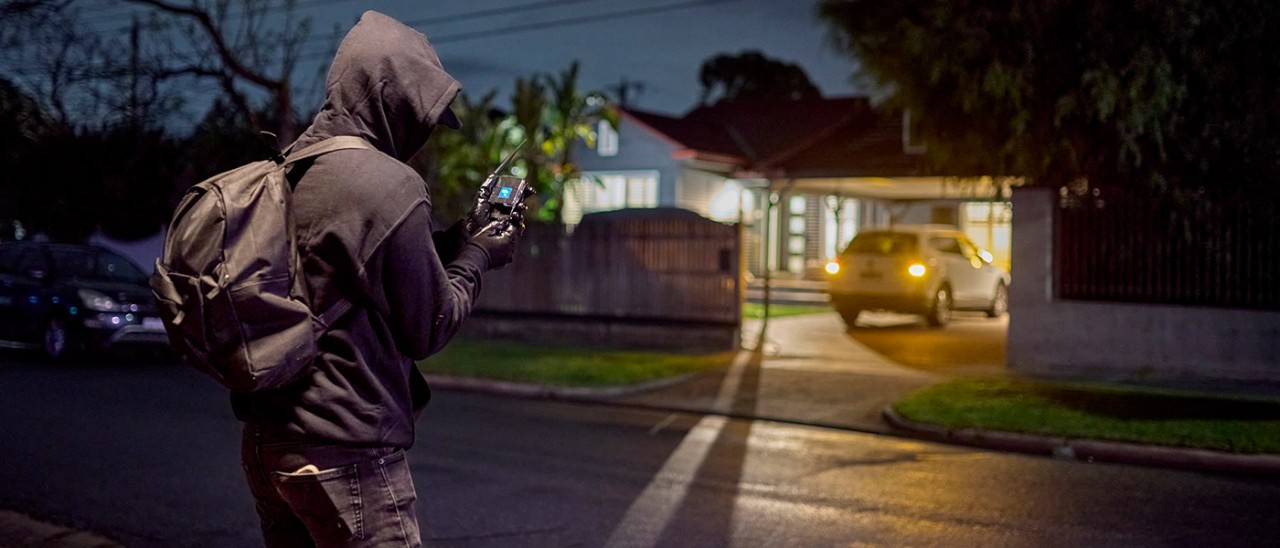
Home burglaries in Victoria
Car theft increases across Victoria

Burglary, car theft and retail crime rises across Victoria
Victoria’s crime rate has reached a record high. Find out the steps you can take to protect your home and car against theft, along with tips for small business owners facing an increase in retail theft.
Victoria’s crime rate has reached a record high, with 630,592 offences recorded in the 12 months to December 2025 — a 4.2 per cent increase on the previous year, according to the latest Crime Statistics Agency data. Adjusted for population growth, the offence rate rose by 2.4 per cent to 8,885.5 offences per 100,000 Victorians.
Theft from motor vehicles remains both the most common and fastest‑growing crime category, with 82,947 offences recorded in the year to December 2025, up from 75,695 in 2024 — a 9.58 per cent increase. Theft of number plates – the most common item stolen from cars – continues to be a major problem, rising 19.6 per cent year on year to 32,228 offences.
Retail theft offences have also increased, up 6.1 per cent from 39,154 incidents in 2024 to 41,547 in 2025.
Neighbourhood Watch Victoria CEO Bambi Gordon encourages Victorians to take the necessary steps to help improve their home safety and security.
"That includes simple measures like getting to know your neighbours, reporting suspicious activity to police, locking your doors and windows, and fitting one-way screws to the number plates on your car," she says.
"And Neighbourhood Watch isn’t just for homes, either; it’s a great fit for small businesses too. When we stay alert and work together, we can help reduce crime.”
Along with updating your relevant insurance, whether it's home insurance, car insurance, or small business insurance, there are several things Victorians can do to help reduce the risk of burglaries and theft.
Home burglaries in Victoria
CSA data shows there were 27,953 burglaries of Victorian homes in the year to December 2025, down 7.1 per cent from 30,092 the previous year. This includes both non-aggravated residential burglaries, which are the most common type of burglary — and aggravated burglaries, where offenders were armed or knew someone was home.
The most frequently stolen items from Victorian homes were cash, documents, personal belongings, electrical appliances, and power tools. Jewellery worth $35,329,259 - one of the highest-value categories - was taken in the year to December 2025. During aggravated burglaries, car keys were the top target, according to Victoria Police.
CSA data shows doors are the most common entry point in residential burglaries, followed by windows. Less typical methods include cutting holes or removing roof tiles. Notably, about one in nine burglaries showed no sign of forced entry — highlighting the importance of locking up and securing your home.
Find out more: How to secure your home and deter burglars
| Most common items stolen in Victorian home burglaries | ||
|---|---|---|
|
1. Other (not specified) |
45,762 items |
$45,167,083 |
|
2. Car accessories |
38,092 items |
$4,848,558 |
|
3. Cash/ documents |
37,179 items |
$22,952,021 |
|
4. Personal property |
36,007 items |
$16,924,904 |
|
5. Electrical appliances |
19,754 items |
$25,729,277 |
|
6. Tools |
15,498 items |
$20,491,486 |
|
7. Power tools |
15,391 items |
$18,496,823 |
|
8. Cigarettes/liquor |
12,886 items |
$4,239,839 |
|
9. Clothing |
12,553 items |
$6,918,717 |
|
10. Jewellery |
7,557 items |
$35,329,259 |
Table shows most common items stolen in residential burglaries in Victoria, for the year ending December 2025. Source: Crime Statistics Agency
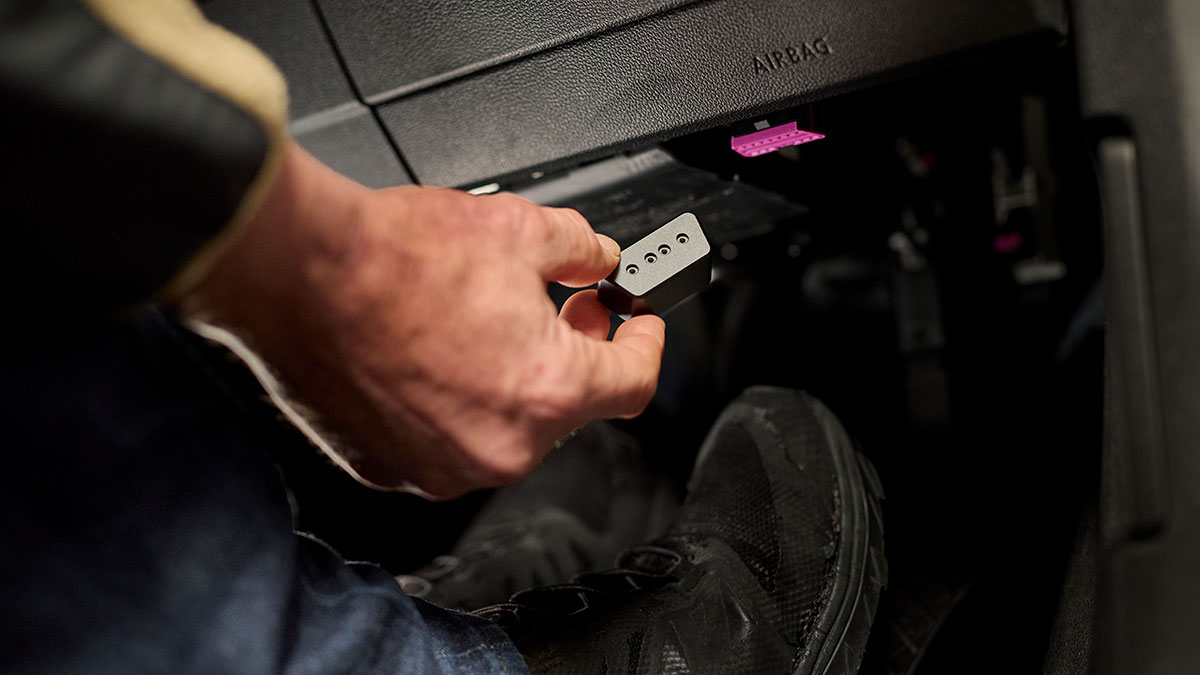
Thieves use devices to connect to a vehicle’s OBD port, gaining access to the engine control unit. Image: Matt Harvey
Car theft increases across Victoria
CSA data reveals an increase in motor vehicle thefts across Victoria, with 32,013 incidents recorded in the year ending December 2025 — up from 28,897 the previous year, representing a 10.7 per cent increase.
Victoria Police warn that technology is playing a significant role in these crimes, with electronic key reprogramming and cloning devices implicated in roughly one in five stolen vehicles. Over the past year, police have seized more than 800 such devices from individuals arrested for car theft.
Thieves use these devices to connect to a vehicle’s OBD port, gaining access to the engine control unit. This enables them to program a new key or even start the engine without the original key. In addition to OBD port-related theft, ‘relay theft’ is also a concern — where criminals use a device to amplify the signal from your car key, tricking the vehicle into unlocking and starting.
If you own a car with push-start technology, RACV recommends fitting an OBD port lock to prevent unauthorised access and push-start theft. These locks physically secure the OBD port, blocking attempts to connect devices that are easily purchased online.
“Another simple deterrent is to install a steering wheel lock” says Gordon. “Regardless of the technology being applied, when the criminal sees that a steering wheel lock is in place, it is pointless to put time and effort to get into the car or start the engine.”
More: Most stolen cars in Melbourne and regional Victoria
Top tips to prevent car theft
- Always lock your vehicle and remove personal items from the car.
- Secure your keys: Always keep your vehicle keys in a safe place, away from doors and windows, and in a Faraday bag to prevent relay attacks. Ensure you also keep your valuables out of sight.
- Install physical deterrents: Use steering wheel locks or wheel clamps as visible deterrents to potential thieves.
- Stay informed: Regularly update your vehicle's software with a registered mechanic and be aware of any manufacturer recalls or security updates
Find out more: How to prevent car theft and protect your car
Stealing from a motor vehicle the top crime in Victoria
According to CSA data, 82,947 offences were recorded for steal from a motor vehicle in the 12 months ending December 2025 — an increase of 9.5 per cent from 75,695 offences the previous year.
“Most thieves break into cars because they spot something they want,” Gordon explains. “By removing valuables from view, you can significantly reduce the risk of theft.”
It’s essential to take phones, laptops, GPS devices, sunglasses, bags, sports gear, clothing, money (even loose change) and any other portable items with you when leaving your vehicle.
However, it’s not just what’s inside the car that attracts thieves. Number plates were the most commonly stolen item from motor vehicles, with 32,228 offences recorded in the year to December 2025 — accounting for 39 per cent of all thefts from vehicles.
The top three local Government areas across Victoria for number plate theft, according to CSA data, were Casey (2,534 number plate thefts), Hume (1,971) and Brimbank (1,750).
“No matter where you live or how you use your vehicle, you can be susceptible,” says Gordon. “It’s important for everyone who owns a vehicle to take preventative measures to safeguard their number plates.”
You can find out what size screws best fits your car by visiting the Neighbourhood Watch website.
| Theft from motor vehicle hotspots near homes | ||
|---|---|---|
|
1. Driveway/carport |
11,169 |
-13% |
|
2. Multi-dwelling carpark |
3,087 |
+13% |
|
3. Front yard |
1,856 |
-5.7% |
|
4. Garage |
458 |
-27% |
|
5. Backyard |
222 |
-7.9% |
Table shows a small selection of the total offences recorded as "Steal from a motor vehicle" from residential grounds or surrounding land in Victoria, for the year ending December 2025. Source: Crime Statistics Agency
Installing CCTV cameras is one of the ways a small business can try to deter thieves. Image: Getty
Retail crime and store theft increases in Victoria
Retail crime encompasses a wide range of illegal activities targeting retail businesses, from theft and fraud to violence and property damage. CSA data shows 58,887 criminal offences relating to retail stores were recorded in Victoria for the 12 months ending December 2025, up from 56,786 the previous year - a 3.7 per cent increase.
That figure included 41,547 offences specified as Steal from a retail store, up from 39,154 the previous year - a 5.8 per cent increase. Retail theft – or shoplifting - is a frustrating and costly problem for many retail stores.
Neighbourhood Watch says there are some simple, effective measures small businesses can take to help protect themselves and deter thieves, such as keeping things locked up, installing security cameras, and getting to know your business neighbours.
“Simple steps like reporting suspicious behaviour and sharing information with neighbouring businesses can make a real difference," Gordon says. "The Neighbourhood Watch model shows that vigilance and cooperation are key to reducing repeat offences.”
Find out more: How small businesses can protect against theft
| Steal from a retail store locations | ||
|---|---|---|
|
1. Other retail |
11,977 |
+9.4% |
|
2. Supermarket |
9,268 |
+18.5% |
|
3. Shopping complex |
8,164 |
+4.2% |
|
4. Department store |
2,585 |
+4.7% |
|
5. Service station |
2,164 |
-16.6% |
Table shows a small selection of the total offences recorded as B43 "Steal from a retail store" by location in Victoria, for the year ending September 2025. Source: Crime Statistics Agency
Top security measures for small businesses
Along with creating safe neighbourhoods, here are some practical security measures for small businesses:
- Installing CCTV cameras.
- Upgrading locks
- Using safes
- Installing alarm systems
- Upgrading lighting
- Installing bollards.
The information provided is general advice only. Before making any decisions please consider your own circumstances and the Product Disclosure Statement and Target Market Determinations. For copies, visit racv.com.au. As distributor and/or referrer, RACV Insurance Services Pty Ltd AFS Licence No. 230039 receives commission for each policy sold or renewed. RACV Home Insurance and RACV Car Insurance are issued by Insurance Manufacturers of Australia Pty Ltd ABN 93 004 208 084 AFS Licence No. 227678. RACV Business Insurance is issued by Insurance Australia Ltd, ABN 11 000 016 722, AFS Licence No. 227681.

