
It’s great to be handy around the home and DIY – but sometimes, it’s safer to leave it to a qualified tradesperson. These are the jobs around the home that you should not tackle.
Security
Safest places to keep your keys: how to avoid losing house and car keys
Learn the safest places to keep your house and car keys, how to store spare keys securely and simple habits that can help prevent lost keys.
Whether it's your house keys, car keys, mailbox key or office access card, losing your keys can be frustrating, inconvenient and potentially costly. Replacing keys, changing locks or dealing with vehicle security issues can quickly turn a simple mistake into an frustrating problem.
The good news is that a few simple habits can dramatically reduce the chances of losing your keys.
If you have misplaced your keys and are locked out of your home, stay calm and contact a qualified, licensed locksmith.
Create a dedicated key station near your home's entrance
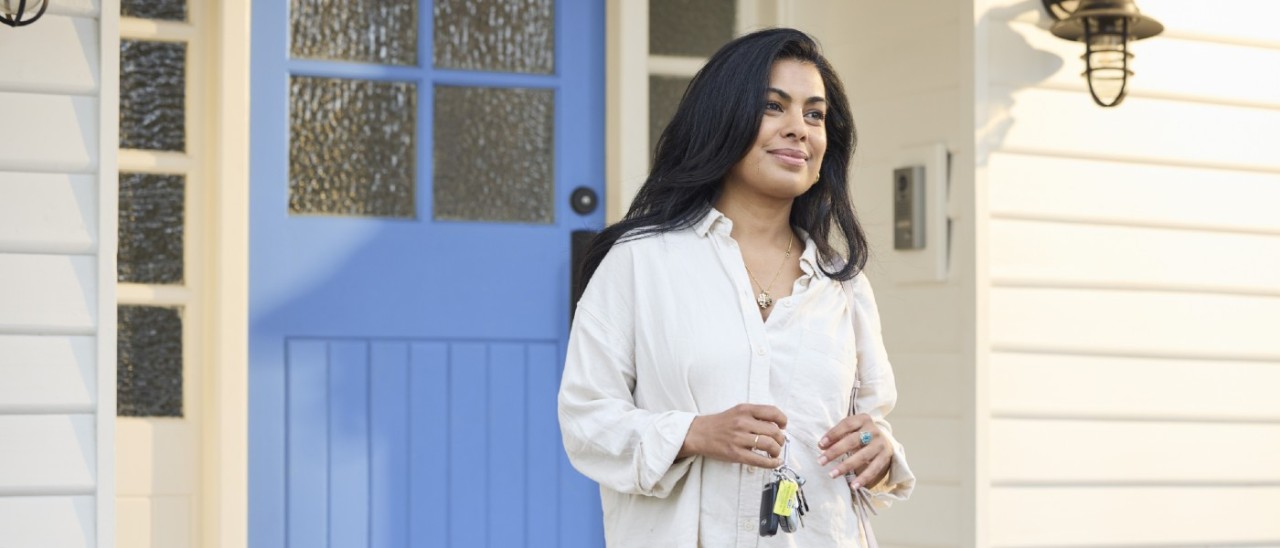
One of the simplest ways to avoid losing your keys is to designate a specific place for them as soon as you enter your home. A key station somewhere central creates a habit of always returning your keys to the same location. This could be a small tray, bowl, shelf or wall-mounted key holder in the kitchen. But avoid placing keys directly beside windows or glass doors where they could potentially be seen or reached by intruders.
Victoria Police says unlocked side and rear doors and windows are the most common entry points for burglars, who only need a few moments to sneak inside and steal items like your house and car keys.
Garages are also a hotspot for burglary entry, especially as many Victorians don't keep their garage doors closed or well maintained. If you have an access door to the house in the garage, that should be locked too.
More: Guide to the best locks for your doors
Keep car keys away from doors and windows
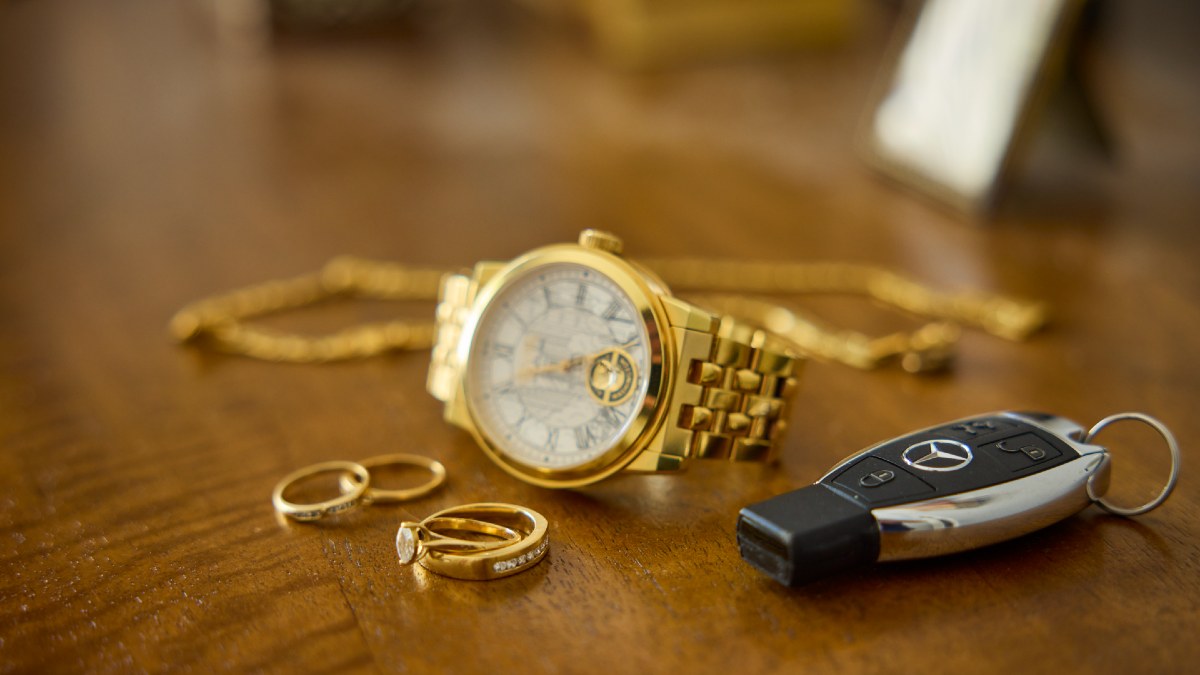
Modern vehicles often use keyless entry systems that communicate wirelessly with the vehicle. Unfortunately, thieves can use devices to capture relay signals from your car keys, allowing them to enter your vehicle.
These devices can often reach into your home, so it pays to keep car keys well away from entrances. Instead, store car keys in an interior room away from external walls, ideally in a drawer or cupboard.
Some vehicle owners also choose signal-blocking Faraday pouches or containers designed to limit wireless communication when keys are not in use.
Keeping your car key away from windows, where they can be seen by opportunistic thieves.
Consider a Bluetooth key tracker
For people who frequently misplace their keys, Bluetooth tracking devices can be attached to keyrings and connected to a smartphone app. These devices allow users to locate keys using location history or by triggering a sound when the keys are nearby.
More: What burglars want to steal most from you
Avoid leaving keys in temporary locations
Many lost keys are not truly lost: they've simply been placed somewhere unusual. Kitchen benches, bathroom counters, dining tables and bedside tables are common places where keys are absent-mindedly left during busy moments.
When arriving home, resist the temptation to set keys down 'just for now'. Instead, place them directly in their designated storage location. Creating this habit helps eliminate the uncertainty of trying to remember where you last put them.
Attach keys to a larger item
Small items are easier to misplace. Attaching your keys to a larger object can make them more noticeable and easier to find. Options include:
- a brightly coloured keyring
- a lanyard
- a key organiser
- a tracking device
- a distinctive keychain.
The larger and more recognisable your keys are, the easier they are to spot if misplaced at home, in a vehicle or while travelling.
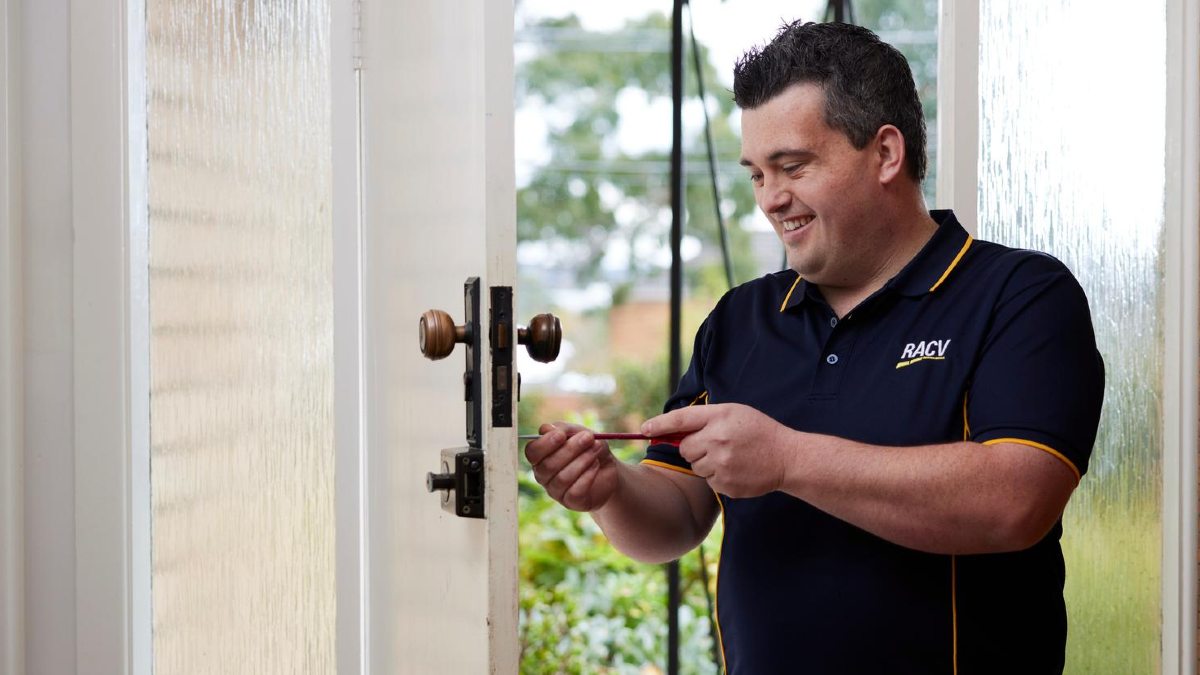
An accredited and licensed locksmith can help you install the best door locks.
Store spare keys in a secure location
Many people keep spare keys for emergencies, but where you store them matters.
A spare house key hidden under a doormat, flowerpot or fake rock may seem convenient, but these are some of the first places a potential thief might check.
The safest thing to do is to leave a spare key with a trusted neighbour or family member, as recommended by Victoria Police and Neighbourhood Watch. If you must leave spare keys at home, store them in a locked safe, drawer or cupboard.
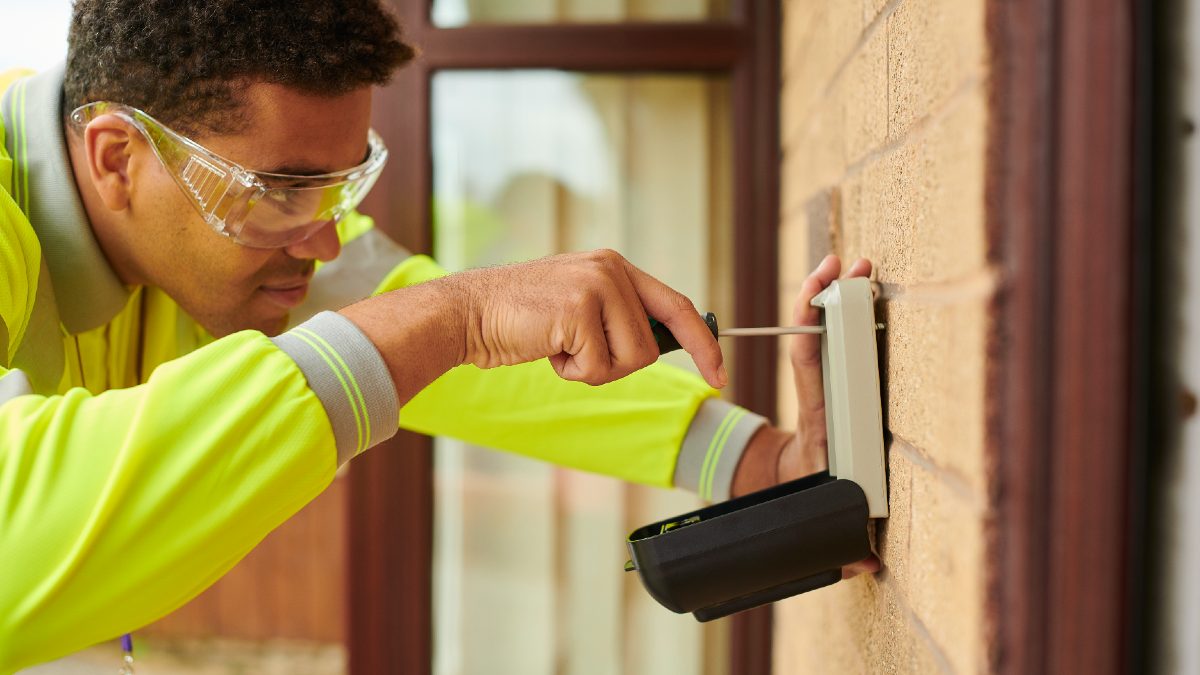
If you use a key lockbox, choose a quality product with a strong combination mechanism and install it in a discreet location.
More: Key safe security for homes and apartments
Use a consistent pocket or bag compartment when travelling
When you're away from home, consistency is key. Choose one pocket, zippered compartment or section of your bag specifically for your keys and use it every time. Constantly moving keys between pockets, handbags, backpacks or shopping bags increases the likelihood of losing them.
If possible, avoid placing keys loosely into bags where they can become buried among other items. A dedicated internal pocket or clip attachment can make them easier to locate and less likely to fall out.
More: What to do if your luggage is lost, delayed or damaged
If you need a key safe, get it installed in a discreet place to minimise the risk of theft. Image: Getty
Do your research on smart locks
Smart locks allow you to access your home by using your smartphone intead of a key. Experts say that a smart lock should be just as secure as a traditional lock. A smart lock can notify you of any activity at the door via the phone app, plus you can get data about when household members are entering or leaving the home.
If you're interested in smart home systems, make sure you do your homework to safeguard against digital attacks. Find out what security protocols the manufacturer has in place to protect your network and personal information.
Update your home security
It's a good idea to change the locks when you buy a property or if you lose your key somewhere outside the home. Rental providers also may consider changing locks between tenants.
Deadlocks are recommended for all external doors and windows. But remember to disengage them when you're inside, so that you can safely escape in the event of a fire. (Working smoke alarms are important too.)
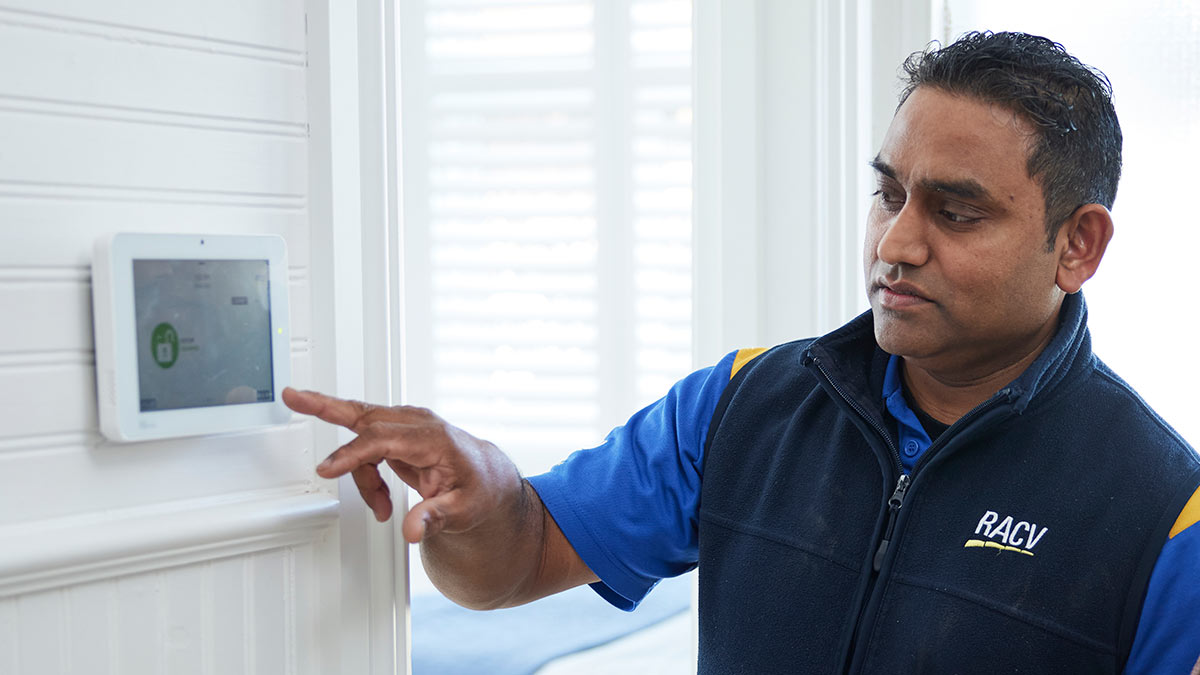
You may want to consider home security systems, such as security cameras, an alarm system or the use of smart-home technology to secure your home. The How Safe is My Place website is a useful way of determining how safe your home is from burglary and what you can do to improve overall security.
Home security systems like alarms, CCTV or sensor lighting can help prevent burglaries.
What to do if you've lost your keys
If your keys go missing, try to retrace your steps and check the places you visited most recently. Contact businesses or venues where you may have left them and use any tracking technology you have attached to your keys.
If your keys are truly lost (or stolen), contact a qualified locksmith to help.
RACV Emergency Home Assist attended 4791 callouts for lockouts and urgent lock repairs in 2025.
Nathan Tayeh, RACV Senior Product Manager for Trades, says lock issues occur more frequently than people realise.
"There's no need to try to break into your home; that's when things can go wrong," he says. "You may end up requiring window or door repairs, and even injure yourself.
"A qualified locksmith has the skills and equipment to assist you without damaging your lock or door."
He says most locksmith callouts are attended within a couple of hours.
RACV Security Pty Ltd ABN 49 079 148 342 trading as RACV Home Security. Security Licence (Vic.) 733-411-10S and Security Registration (Vic.) 733-411-31

