
Learn how to improve security in your street or neighbourhood with practical tips, from lighting and cameras to community watch and crime prevention strategies.
Security

Home security for renovators: how to protect your property during renovations
Empty homes, power tools and increased access can make home renovations a prime target for thieves. Learn how to protect your property while renovating.
Renovating your home can be an exciting time, but it also carries security risks. It's not uncommon for thieves to target homes undergoing renovations. Crime Statistics Victoria reported 591 burglary incidents at premises under construction in the year ending June 2026.
Although this was a fall of 9.6 per cent compared with the year ending June 2025, it's still important that your renovation plans consider how your property will be secured during works. Here are some of the security risks that can arise during home renovations, as well as ways to help prevent theft.
Renovation security guide
Why renovations can increase home security risks
Renovations can increase your home security risks in a number of ways. These include:
- more people accessing the property
- presence of high-value, easy-to-resell tools and buildings materials
- increased access points to the property
- reduced occupancy.
Careful planning can help mitigate many of these risks.
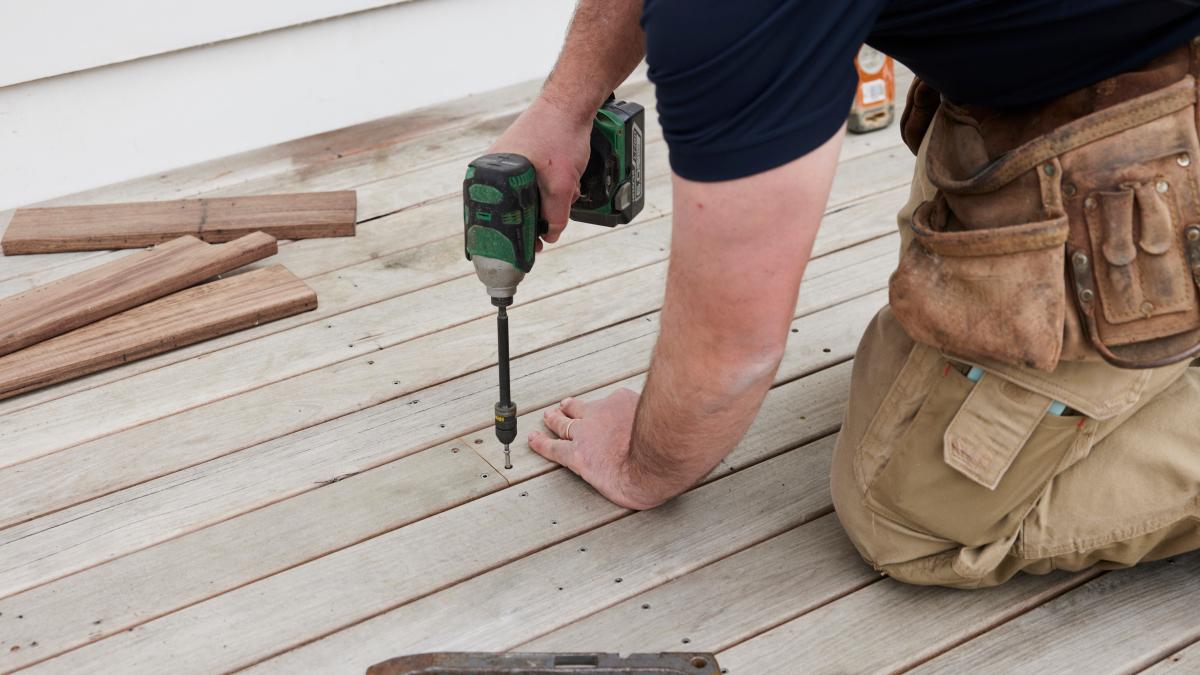
Unsecured power tools can make a renovation site an attractive target for thieves.
How to protect your home's security during renovations
Create a renovation security plan
Before works begin, speak to the builder or tradesperson managing your renovation if you suspect the planned works could affect your home’s security. This may be particularly important if doors, windows or external walls will be removed or replaced.
It may be helpful to walk through the property with the person managing your renovation to identify where weak points in your security could arise during the works. Ask how access, the site perimeter, entry points and any temporary openings will be secured, including overnight, on weekends and during shutdown periods.
If you will remain in the home, agree on how occupied areas will be separated from the building site and kept secure.
Secure your possessions
While the builder is responsible for managing site security, this does not extend to your personal belongings. Homes under renovation can be attractive targets for thieves, particularly when valuables are left in the house or stored on site, such as in a garage. If you plan to store possessions in your garage during the renovation, consider whether additional security measures may be needed.
Other storage options also exist, such as commercial storage facilities or on-site storage containers. Before moving your valuables to another location, check with your insurer to understand whether your contents insurance still covers them and whether any limits, exclusions or conditions apply.
More: Guide to garage door security and servicing
Control access to keys and lockboxes
It’s not uncommon for residents to move out for at least part of the renovation, and you may not want to arrive early each morning to let tradespeople into your home.
The usual solution is to allocate keys to the building manager. Keep a record of who has a set of your keys at any time, and provide only the keys needed to access the relevant areas. Make sure you also remove any spare keys lying around before works commence. In general, spare keys should not be left in unsecured locations, such as under mats or pot plants, at any time.
More: The safest places to keep your keys (and how to stop losing them).
Some people also use key safes (otherwise known as lockboxes). These are small safes that can store small items like keys and usually require a keycode to access.
Key safes are convenient but are not as sturdy as typical home safes. If using a key safe, buy a quality, weather- and crowbar-proof device and follow all manufacturer's instructions when installing it. Ideally it should be placed out of sight and attached to a solid brick or concrete surface.
Once renovations are complete, you may consider getting a qualified locksmith to change the locks on your external doors. For digital locks, reset the codes.
Secure tools and building materials
Power tools are a common target for thieves, but building materials like copper, tiles and timber can also tempt them.
Your builder or tradesperson is responsible for securing their own power tools and equipment. If you're managing the renovation yourself as an owner-builder, make sure all tools and building materials are stored securely overnight, ideally in a lockable space out of sight from the street. Scheduling deliveries as close as possible to the installation date can also help reduce the risk of theft, as can sensor lights and visible security cameras.
It's a good idea to keep copies of receipts and to take photographs of material delivered as well, in case you suspect theft has occurred.
More: The difference between CCTV, alarm systems and monitoring.
Be mindful of temporary access points
Scaffolding used during renovations can unintentionally make it easier for thieves to reach overlooked entry points, such as balconies or upstairs windows.
If your builder or tradesperson arranges or uses scaffolding and ladders, ask how they will secure this equipment after hours. You can also help protect your home by keeping any upstairs external doors and windows locked when not in use and considering smart sensors or security cameras at higher-risk entry points. If you think a certain door or window poses a higher risk, you could even consider smart sensors or security cameras in that location.
The builder or tradesperson responsible for the scaffolding should manage measures such as security fencing, ladder guards or similar anti-tamper devices, and should not leave ladders unsecured after workers leave.
Use site barriers or fencing
Not only does temporary site fencing help deter opportunistic thieves, it's also in many cases one of the primary ways building site managers uphold their legal obligations.
As part of Victoria's Occupational Health and Safety Act 2004, building site management is required:
“To ensure that the health and safety of members of the public is not placed at risk by the conduct of undertakings by employers and self-employed persons.”
In practice this is often achieved by using site fencing that is kept securely locked outside of work hours. Fencing used to keep unauthorised persons out of a building site should be at least 1.8m tall (higher may be required if there is demolition works), well-constructed, stable and be difficult to climb over or under.
Once site fencing has been installed you can further improve security by having security cameras installed as an extra deterrent, as well as to record any thieves who may break in.
Keep your home 'lived-in'
Some renovations require you to move out temporarily. If scaffolding, fencing or building work is visible from the street, it may not be possible to make the home look fully occupied. However, if the renovation is confined to the back of the property, maintaining signs of normal household activity at the front can help make the home appear lived in.
Where practical, you can maintain signs of normal activity by:
- using sensor lights outside
- putting internal lights on a timer so they automatically turn on and off
- using timers to automatically turn radios or televisions on and off
- collecting your mail regularly, or temporarily redirecting it
- taking in/out your bins
- keeping gardens maintained.
Be mindful of what you post on social media as well, as this can indicate to thieves that your home may be empty. You can also ask any trusted neighbours to keep an eye on your property while you're away.
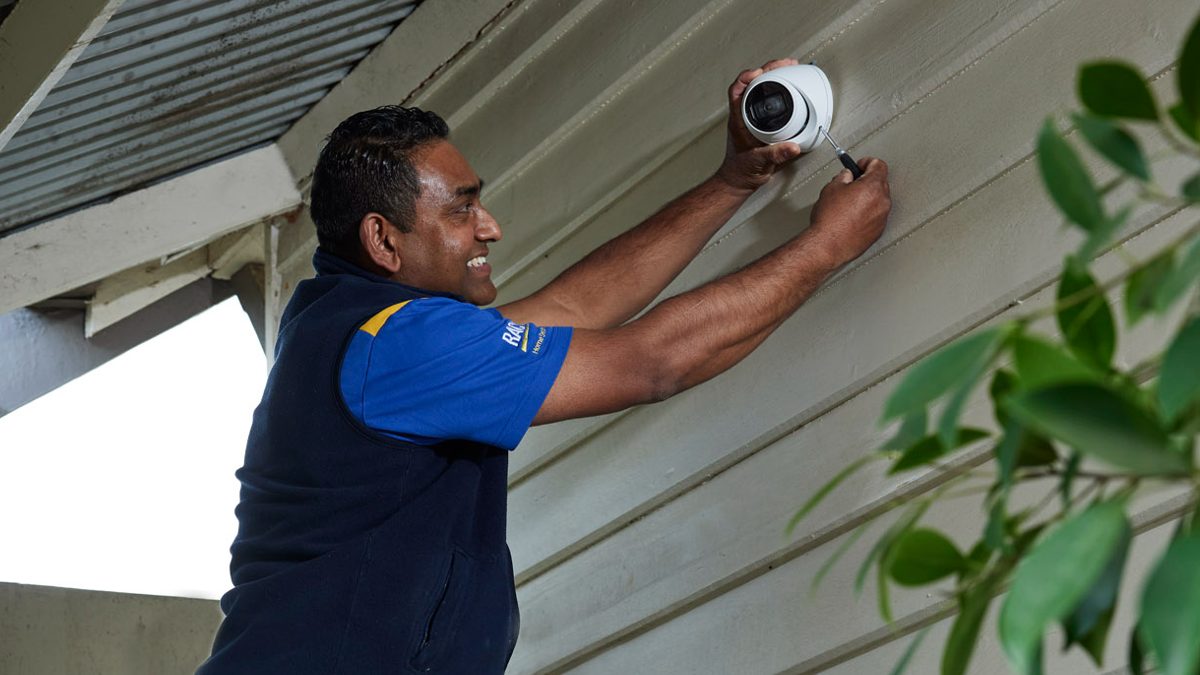
Renovations can be an ideal time to install the home security cameras or system you’ve been considering.
Should you upgrade your home security for renovations
If you've been considering home security features like alarms, cameras and sensor lights, then renovations can provide the impetus to do so.
When installed before renovations begin, these security systems can provide peace of mind and help reduce security risks (so long as their power supply remains uninterrupted).
Alternatively, installing during renovations can allow the installer to better place hardwired cameras or alarms before walls and ceilings are completed. Speak to a qualified installer to discuss the best option for your home.
Can renovations affect your home insurance?
It is important to contact your insurer before renovation works begin. If you don't, your claim could be refused or your policy voided, because renovations can change your home in ways that affect your cover. Your policy may also contain conditions, exclusions and/or limits that apply.
Once renovations are complete you should review your building sum insured (as well as your contents sum insured) amount to help prevent being underinsured.
Does my builder need to be insured?
Yes, builders in Victoria are required to take out Domestic Building Insurance on behalf of their clients for any project costing $16,000 or more.
As the owner of the property undergoing renovations, your builder must provide you with a copy of the Domestic Building Insurance policy and a certificate of currency. They must provide this to you before they accept any payment for their work, including deposits.
RACV Security Pty Ltd ABN 49 079 148 342 trading as RACV Home Security. Security Licence (Vic.) 733-411-10S and Security Registration (Vic.) 733-411-31S.
The information provided is general advice only. Before making any decisions, please consider your own circumstances and the Product Disclosure Statement and Target Market Determinations. For copies, visit racv.com.au. As distributor, RACV Insurance Services Pty Ltd AFS Licence No. 230039 receives commission for each policy sold or renewed. RACV Insurance issued by Insurance Manufacturers of Australia Pty Ltd ABN 93 004 208 084 AFS Licence No. 227678. RACV Insurance issued by Insurance Australia Ltd, ABN 11 000 016 722, AFS Licence No. 227681

