Learn how to improve security in your street or neighbourhood with practical tips, from lighting and cameras to community watch and crime prevention strategies.
Security
What thieves want to steal from your home while you're on holiday
Your home is a top target for burglars when you go on holidays. Here's what burglars are looking for when they break into and enter your home, plus how to safeguard your house.
Residential burglary offences are increasing in Victoria, with 30,545 offences in the year ending June 2025 according to the Crime Statistics Agency (CSA). This is an almost 14 per cent increase on the previous year's statistics.
Neighbourhood Watch Victoria CEO Bambi Gordon urges Victorians to safeguard their homes before leaving on vacation. "Of recent months, property crime has been on the increase," she says. "It is not unusual to hear of cars, number plates, tradies' tools, jewellery and tech gear being stolen."
With many homes left empty during the summer holiday season, burglars are quick to spot unoccupied properties. Want to know how to keep your home safe while you’re away? Read on for practical tips to protect your property.
Top theft targets during holiday season
Cash and documents
Cash and documents were the number one theft target from Victorian homes in the year ending June 2025, according to CSA data, with a total of $13,151,815 in value reported stolen.
Cash is commonly left in easy-to-find or predictable areas of the house, making it easy to steal. If you do keep cash at home, consider keeping it in a safe. Never leave cash near exterior doors or in obvious places such as kitchen tops and shelving near the doors.
"Cash is a commonly stolen item in burglaries, largely because of its liquidity and lack of traceability," says Gordon.
Sensitive documents such as passports are also targeted by burglars.
"Passports allow the offender to create a false identity that can be used to commit fraud," says Gordon. "They can help criminals open fraudulent accounts, apply for credit cards, or even enter a country illegally."
How to protect your cash and documents at home
Avoid keeping large amounts of cash at home, especially when travelling. Store any cash in less obvious locations rather than leaving them beside beds or on counters.
It's important to safeguard your passport and other important documents by keeping them in a secure location, such as a locked safe or hidden drawer. Immediately report a stolen passport to the relevant authorities to protect yourself from potential identify theft or fraud.
More: Common holiday items you might forget to insure
Cars
Cars are often the single most valuable item that people own, underlining their appeal to thieves. CSA data shows 12,969 motor vehicles were stolen from Victorian residential locations in the year ending June 2025: an almost 30 per cent year-on-year increase.
Keep your car locked (including boot and windows), remove any valuables from your car, and fit anti-theft devices to your vehicle, such as a car alarm, steering wheel lock, and anti-theft number plate screws. In addition, keep your car keys hidden and ideally locked away. If you're leaving your car at home while you're away, take the car key with you.
"Many cars are stolen from driveways, garages or carports using the owner's set of keys, which are often easy to find in the home," Gordon says.
How to protect your car at home
Keep keys out of sight in a drawer or cupboard, preferably in a location not visible from any windows. Avoid leaving them near entry points or on benchtops. Consider keeping your electronic key fob in a Faraday bag.
More: What is a Faraday bag and why might you need one?
If you're away for a long trip, consider storing your car in a locked garage, disconnecting the battery or even using a steering wheel lock to deter opportunistic thieves.
More: What to do if your car is stolen
Electronics
CSA data shows that 10,125 electrical appliances were stolen from Victorian homes in the year ending June 2025. Portable technology like mobile phones, tablets and laptops are attractive to burglars because they're highly portable and quick to resell on online marketplaces, often for a high value price.
They can also contain a wealth of personal and sensitive information, such as social media accounts, banking apps, and email access - all of which a criminal could use to commit extortion, identity theft, or fraud.
"All too often, mobile phones (and laptops) are left on kitchen bench tops, dining tables, bedside tables and other easy-to-see places from windows," Gordon says.
When you're not using your electronic devices, keep them out of sight and not in an obvious location like your desk or living room table. Regularly back up your data to an external hard drive or online cloud storage so that you don't lose your files in the event of a burglary. You can also install tracking software to help police locate your tech if stolen.
In addition, you can take precautions against a stolen mobile phone being used to access your information, such as using strong passwords, biometric authentication methods, and remote wiping features.
How to protect your electronics at home
Store devices in inconspicuous places and avoid leaving packaging lying around, which can signal recent purchases. Where possible, lock portable electronics inside a safe or a secure cupboard. Back up your data before leaving and enable strong passwords or remote lock capabilities.
A security camera system or smart doorbell can further deter thieves and provide valuable evidence if a break-in occurs.
More: Insurance for laptops
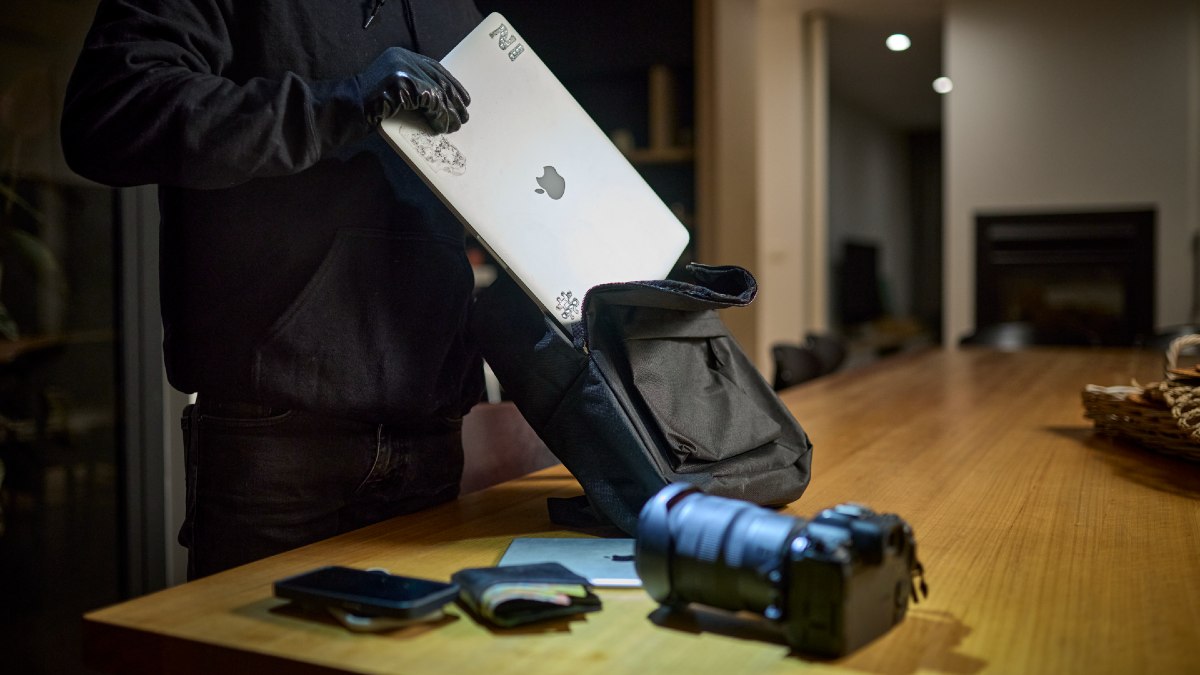
Electronics such as mobile phones and laptops are attractive targets for burglars.
Jewellery
Burglars look for jewellery and items such as rings, watches, pendants and bracelets because they're easy to grab and conceal, and can be quickly turned into cash.
CSA data shows 7,427 jewellery items worth a total of $29,276,038 were stolen from Victorian homes in the year ending June 2025 - the highest monetary loss of any burglary category.
Along with the financial loss, it can be emotionally distressing to have precious family heirlooms, your engagement and wedding rings, or other meaningful jewellery stolen.
How to protect your jewellery at home
The safest option is to move valuable jewellery into a lockable home safe anchored to a wall or floor - or at least a locked dresser drawer. If you'll be away for an extended period, storing high-value items in a bank safety deposit box or with a trusted relative is even more secure. Avoid leaving jewellery boxes in plain sight and remove temptation by keeping surfaces clear.
More: Insurance for jewellery: how to cover rings, watches, and heirlooms
Tools and power tools
Tools and power tools were common burglary targets in Victorian homes, with 8,405 power tools and 7,862 tools stolen in total in the year ending June 2025.
Tools are prime theft targets since they're typically high value, portable and easy to resell. Tool theft can have a devastating effect on sole traders and small businesses. Not only will the tradie have to buy replacements, but they might not be able to work at full capacity due to not having all their tools.
Protect your tools from theft by locking tools away, marking tools with identification and keeping tools adequately insured.
How to protect your tools at home
Always lock garages and outdoor storage areas before travelling. Consider installing motion-sensor lighting and keep curtains or blinds closed on any garage windows, so potential thieves can't survey what's inside.
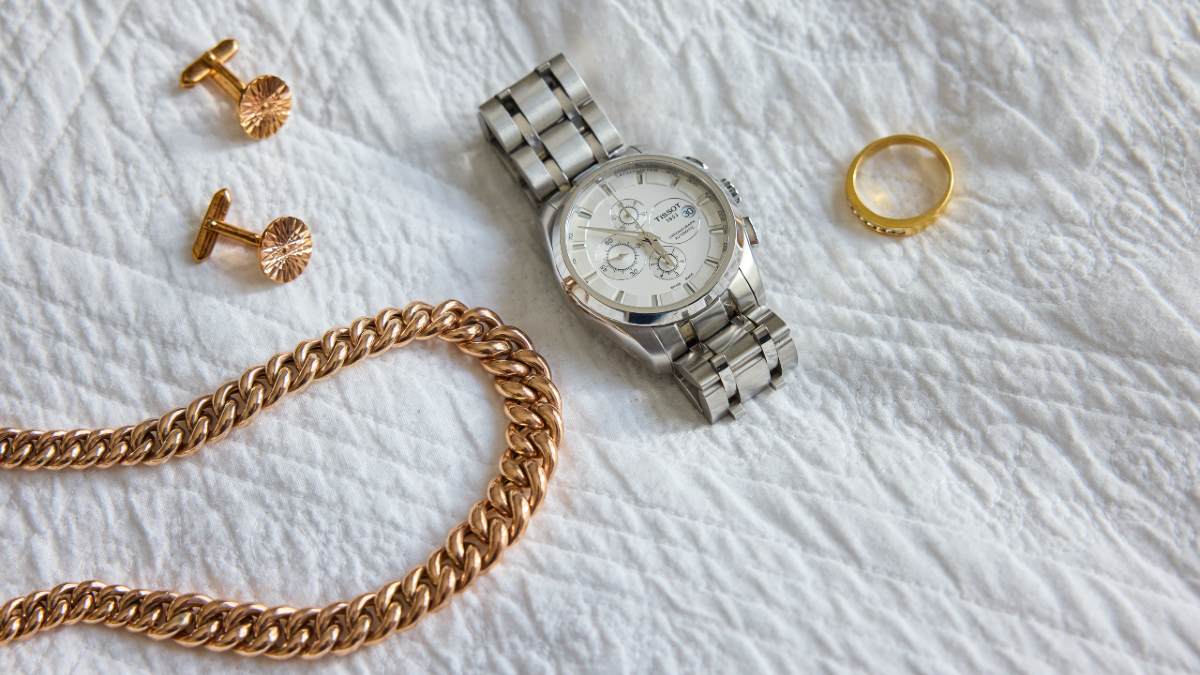
Watches and jewellery are top theft targets. Image: Getty
Online shopping orders
The holiday period is associated with elevated numbers of online shopping orders being delivered to homes - often while you're at work or away on vacation.
"The growing popularity of online shopping may also be responsible for a rise in the theft of delivery items," Gordon says.
Packages left unattended on doorsteps or in mailboxes are easy targets for opportunistic thieves. They may quickly grab the packages and flee the scene without drawing much attention or even follow delivery vans to grab a number of packages at once.
How to protect packages delivered to your home
To help prevent theft of online shopping orders, request that packages be delivered with a signature required for receipt. This ensures that someone is present to accept the delivery.
Use the tracking services provided by shipping companies to monitor the status of your deliveries, so you know when packages are expected to arrive. If you can't be at home to accept your package, use secure delivery options like a parcel locker, local post office, or a trusted neighbour who can accept the delivery on your behalf.
You can also install security cameras around your property to deter thieves and capture footage of any suspicious activity. Visible cameras can act as a deterrent, while recorded footage can be helpful for identifying suspects in the case of theft.
How to protect mail and deliveries while you're on holiday
Securely pause your personal letter and parcel deliveries through Australia Post. You may wish to redirect deliveries to a parcel locker or trusted neighbour's address or workplace. If you have subscription magazines, newspapers or meal kits delivered, find out if you can suspend those accounts until you return home. Alternatively, ask a neighbour to check your letterbox each day.
How to prevent theft in your home
Victoria Police has several recommendations on how to improve home security while you're away, including:
- getting a house sitter
- pausing your letter and parcel deliveries through Australia Post
- arranging for a neighbour to put your bins out and bring them in again
- asking a neighbour to occasionally park their car in your driveway
- setting a timer for a lamp or lights to come on at night
- making sure you have the best window locks and door locks
- if you have a garage, find out which are the best locks to help prevent car and tool theft.
Victorians can also learn about where their home might be vulnerable to crime by taking the How Safe Is My Place? quiz, which generates a report with security tips tailored to your home.
“Other simple tips are letting a family member, friend, or neighbour know if you're heading on holiday, so they can keep an eye on your house, collect your mail and take the bins in," Gordon says. "Having them occasionally park their car in your driveway and mow your lawn can also help make your absence less obvious."
Simple precautions households can take to improve home security or apartment security, include investing in security systems such as timed or sensor lights and home alarms. If you live in a house, townhouse or duplex, a fence with a lockable gate is one way to secure the perimeter of your property
You can also submit an Absence from Residence form to your local police station.
Finally, be wary of posting photos of your holiday on social media, as this can advertise that your home is vacant. Consider waiting until you're home to upload your happy snaps.
The information provided is general advice only. Before making any decisions please consider your own circumstances and the Product Disclosure Statement and Target Market Determinations. For copies, visit racv.com.au. As distributor, RACV Insurance Services Pty Ltd AFS Licence No. 230039 receives commission for each policy sold or renewed. Product(s) issued by Insurance Manufacturers of Australia Pty Ltd ABN 93 004 208 084 AFS Licence No. 227678.