
Lithium-ion batteries cause many house fires in Victoria. Here is a guide to what causes lithium-ion battery fires and how to prevent them.
Safety
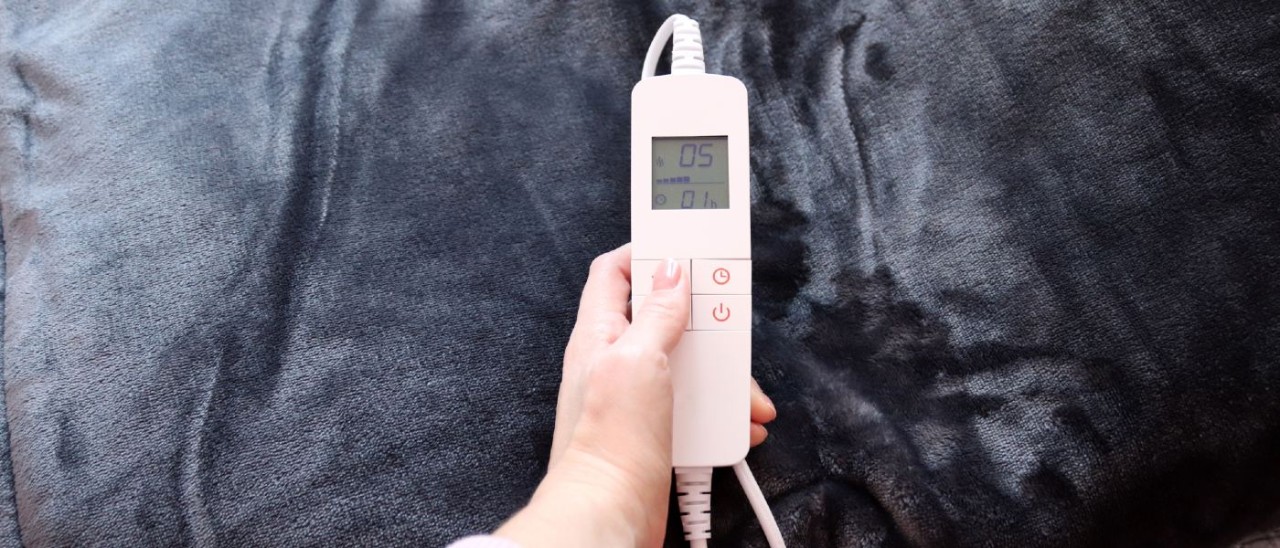

How to dispose of electric blankets
Are electric blankets safe? Tips for using them at home
Learn how to use an electric blanket safely so that you can keep warm and minimise any risks to your home and family this winter.
As temperatures drop across Victoria, many households reach for an electric blanket to make winter nights more comfortable. Used properly, they can be a practical and low-cost way to warm the bed before sleep.
This guide covers the main risks, how to use and store an electric blanket safely, and when it is time to replace one.
More: How to keep warm this winter and save money on heating
In this article
How safe are electric blankets?
Modern electric blankets are generally safe when they are in good condition and used according to the manufacturer’s instructions. The main risks arise when a blanket is old, damaged, wet, folded, or left on for too long.
According to the Country Fire Authority, damaged or misused electric blankets can lead to burns, electric shock, and house fires. These risks are largely preventable with regular checks, careful use, and safe storage.
Because many electric blanket incidents happen in bedrooms, make sure each bedroom has a working smoke alarm and test alarms monthly.
Newer models often include features such as automatic shut-off and overheat protection. If your blanket is more than 10 years old, consider replacing it with one that carries the appropriate Australian safety approval mark.
Safety recalls
Electric blankets are also subject to safety regulations under the Australian Competition and Consumer Commission (ACCC). The commission identifies products that can cause injury or death, and issues product recalls when an item is found not to meet the commission's standards.
A number of electric blankets have been recalled over the years, which you can check via the ACCC website. If your model of electric blanket is on the recall list, you should stop using it immediately, and return it to the place of purchase for a refund.
The most common electric blanket hazards
Understanding the risks is the first step to staying safe. The main hazards associated with electric blankets include:
- Overheating - folding or bunching the blanket while it's in use can trap heat and create hot spots, which may lead to burns or fire.
- Worn or damaged wiring - frayed cords, exposed wires, and damaged heating elements significantly increase the risk of electric shock or fire.
- Moisture - never switch on a blanket that is wet or damp.
- Leaving it on overnight - electric blankets, particularly older ones, are not designed to stay on for long periods or while you sleep.
Check your electric blanket for damage every time you take it out of storage. Image: Getty
How to use an electric blanket safely
These habits will help you use an electric blanket more safely and avoid unnecessary wear.
Inspect it before each use
Before the first use each winter, check the cord, plug, controls, and blanket for scorch marks, fraying, exposed wires, or uneven areas. If anything looks damaged, stop using the blanket and replace it.
Pre-heat, then switch off
Product Safety Australia and the Country Fire Authority advise that you don’t leave electric blankets on overnight. Use the blanket to warm the bed for 15 to 30 minutes before you get in, then switch it off before sleeping.
Spread it flat on the bed
Lay the blanket flat and smooth across the mattress. Do not fold, bunch, or tightly tuck it while it is switched on, because trapped heat can create hot spots.
Check compatibility with adjustable beds
If you use an electric adjustable base, check the manufacturer’s guidance before pairing it with an electric blanket, as repeated bending can damage internal wiring.
Take extra care with children and pets
Modern electric blankets are generally safe for pets and children, including children of bed-wetting age, thanks to plastic coverings over the wires.
That said, pets and young children are more vulnerable to burns because they may not be able to communicate discomfort. Always supervise them around electric bedding and turn the blanket off before they go to sleep. Burns are unlikely, but overheating and dehydration are still possible risks.
Parents should also make sure the power outlet is far enough from the bed that liquids cannot travel along the cord and cause outages.
Electric blankets are not recommended for babies. Use a well-fitted sleeping bag with a suitable Thermal Overall Grade (TOG) rating instead.
Consider medical conditions
People who are pregnant or have diabetes are advised to check with a medical professional before using an electric blanket. People who are sensitive to heat or prone to dehydration (such as people who are elderly, frail or living with certain disabilities) should also avoid using electric blankets.
Obey manufacturer's instructions
Always obey all manufacturer’s instructions that came with your blanket. You should also never buy an electric blanket second-hand, as you don't know its history and condition.
With regular safety checks and precautions, electric blankets can be used for children, but they're unsuitable for babies.
How much does it cost to run an electric blanket?
Electric blankets are an effective way of warming up your bedding and making it cosy before you hop into bed. Energy Australia estimates that it costs about four cents an hour to run an electric blanket, compared with 15 cents an hour for some space heaters.
Storing your electric blanket correctly
Good storage helps prevent damage to the internal wiring between winters.
Remember to:
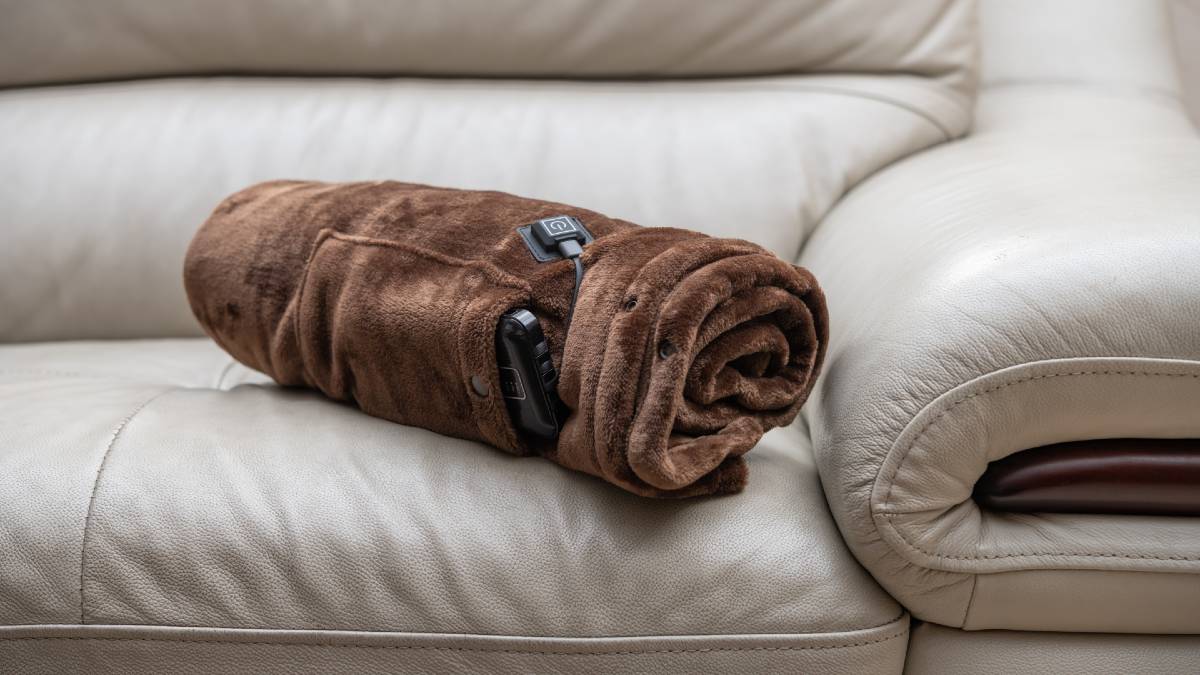
- never fold tightly - roll your electric blanket loosely or store it flat to avoid creasing the heating elements.
- don't store under heavy items - pressure from other items in the linen cupboard can crimp or damage the wires inside.
- keep it in a cool, dry place - moisture and humidity can degrade the materials over time.
When to replace your electric blanket
Replace an electric blanket after about 10 years, or sooner if you notice any of these warning signs:
- scorch marks or discolouration on the fabric
- a burning smell when switched on
- exposed or frayed wiring
- the blanket no longer heating evenly
- the cord or plug feeling warm to the touch.
When purchasing a new electric blanket, look for the Australian Regulatory Compliance Mark (RCM) on the packaging, which indicates the product meets Australian electrical safety standards.
How to dispose of electric blankets
If an electric blanket is damaged, stop using it straight away. Unplug it and cut the power cord so it cannot be reused.
Electric blankets are classified as e-waste and should be disposed of through a proper e-waste disposal outlet or service.
The information provided is general advice only. Before making any decisions please consider your own circumstances and the Product Disclosure Statement and Target Market Determinations. For copies, visit racv.com.au. As distributor, RACV Insurance Services Pty Ltd AFS Licence No. 230039 receives commission for each policy sold or renewed. Product(s) issued by Insurance Manufacturers of Australia Pty Ltd ABN 93 004 208 084 AFS Licence No. 227678.

