
Ensure your new home’s safety is up-to-scratch. Use these tips to help keep your possessions safe when packing and moving house.
Security
What burglars want to steal most from you
Discover what burglars are most likely to steal from homes in Victoria, and learn practical ways to protect your valuables with these home security tips.
There were 26,302 burglary and break-and-enter offences in residential locations across Victorian residential areas for the year ending March 2026, according to the Victorian Crime Statistics Agency (CSA).
Neighbourhood Watch Victoria CEO Bambi Gordon urges Victorians to remain vigilant about their home security. "We've witnessed an evolution in the way burglars are going about their business," she says. "Much smaller areas – such as a specific street – become a crime hotspot until the offences are brought to the attention of local police and community, forcing the offenders to move onto another area."
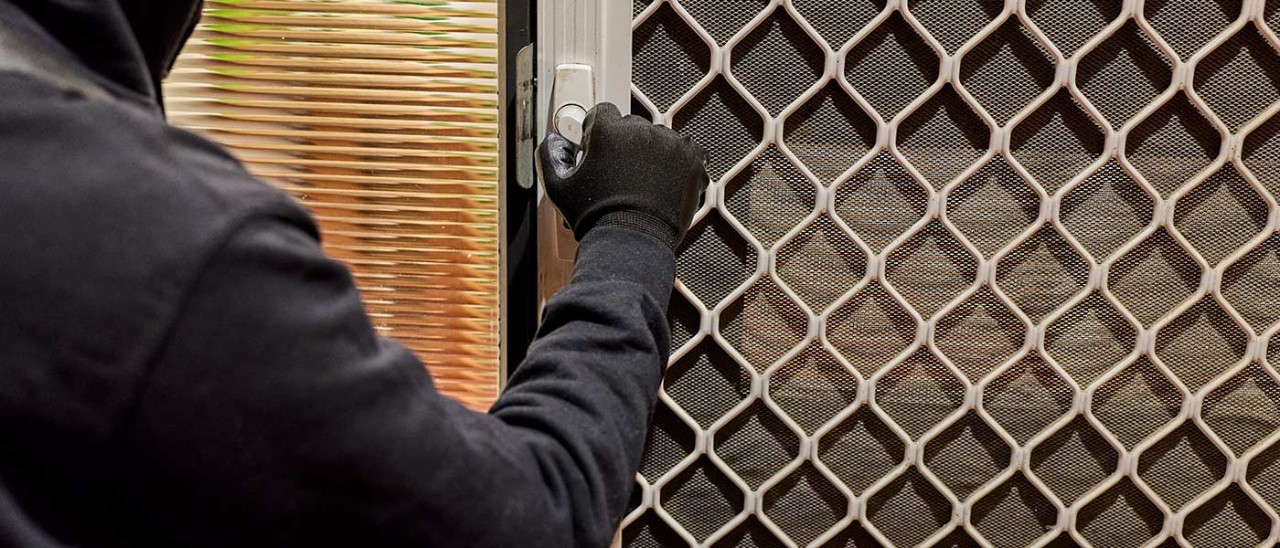
With the average time spent on a burglary now just eight minutes, Gordon says household items that are in clear sight, such as near an open door or window, are most at risk of being stolen. Burglars usually aren't looking to steal everything: they're looking to steal the easiest and most valuable items they can carry.
From jewellery and car keys to laptops and power tools, here's what burglars are most likely to steal from your home and how you can better protect your belongings.
What burglars want most from your home
Cash and important documents
More than $13 million in cash and documents (such as passports) was stolen from homes in Victoria in the year ending March 2026, reports the CSA.
"Cash is a commonly stolen item in burglaries, largely because of its liquidity and lack of traceability," says Gordon.
Burglars may also look for passports, birth certificates, and property documents, which could potentially be used for identity theft.
"Passports allow the offender to create a false identity that can be used to commit fraud," says Gordon. "They can help criminals open fraudulent accounts, apply for credit cards, or even enter a country illegally."
How to protect cash and documents
Avoid keeping large amounts of cash at home whenever possible. Be aware that cash theft may escalate during periods such as Christmas, when the need for cash may be greater. Never leave cash near exterior doors or in obvious places like kitchen tops and shelving near the doors. If you do keep cash at home, consider keeping it in a safe.
Important documents should be stored in a fire-resistant home safe or a hidden drawer. Consider keeping digital copies of important documents in secure cloud storage as an additional backup. Immediately report stolen identity documents to the relevant authorities to protect yourself from potential identify theft or fraud.
Car keys
Aside from a home, a car is often one of the most valuable assets a person owns, making it an attractive target for thieves. The CSA reports that more than 11,184 motor vehicles were stolen from homes in Victoria in the year ending March 2026.
In many modern car thefts, offenders first break into a home to steal the car keys, then use them to take the vehicle.
"Many cars are stolen from driveways, garages or carports using the owner's set of keys, which are often easy to find in the home," Gordon says.
That makes where and how you store your car keys an important part of home security.
How to protect your car keys
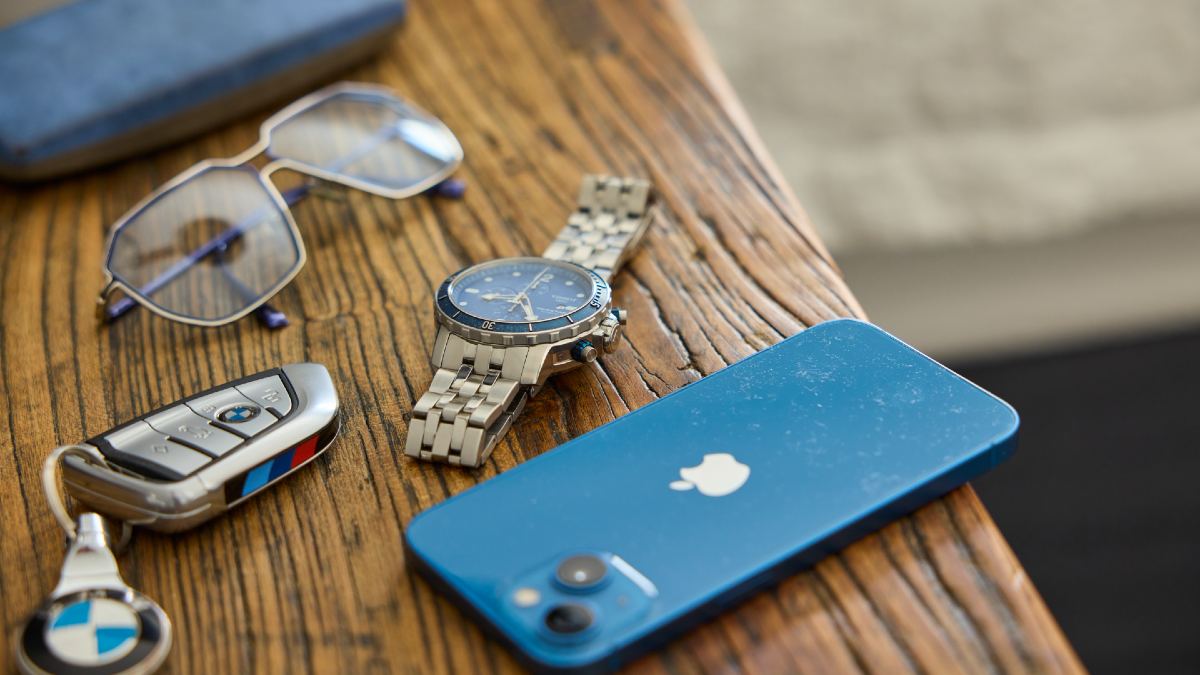
Keep your keys hidden: avoid leaving them near the front door or in plain sight from windows. Instead, keep them in a less obvious location away from entry points.
If your vehicle uses a keyless fob, a signal-blocking pouch (Faraday pouch) may also help reduce the risk of electronic relay theft while the keys are stored inside your home.
Jewellery and watches
Burglars look for jewellery items such as rings, pendants and bracelets because they're small, easy to grab and conceal, and can quickly be turned into cash. Gold jewellery, diamond rings and luxury watches are particularly attractive to thieves.
Almost $26 million worth of jewellery was stolen from residences across Victoria in the year ending March 2026, according to the CSA. Along with the financial loss, sentimental items such as inherited jewellery or family heirlooms may be impossible to replace.
How to protect jewellery
Keep valuable jewellery out of sight in a locked drawer - or even better, in a securely installed home safe that can't simply be carried away.
Avoid keeping expensive items in obvious locations like bedside drawers or jewellery boxes on top of dressers.
If you own particularly valuable pieces, photograph them and keep purchase receipts or valuations in a secure location to make identification and insurance claims easier if they're ever stolen.
Keep jewellery, watches and car keys away from open windows and out of view to help prevent theft.
Laptops, tablets and smartphones
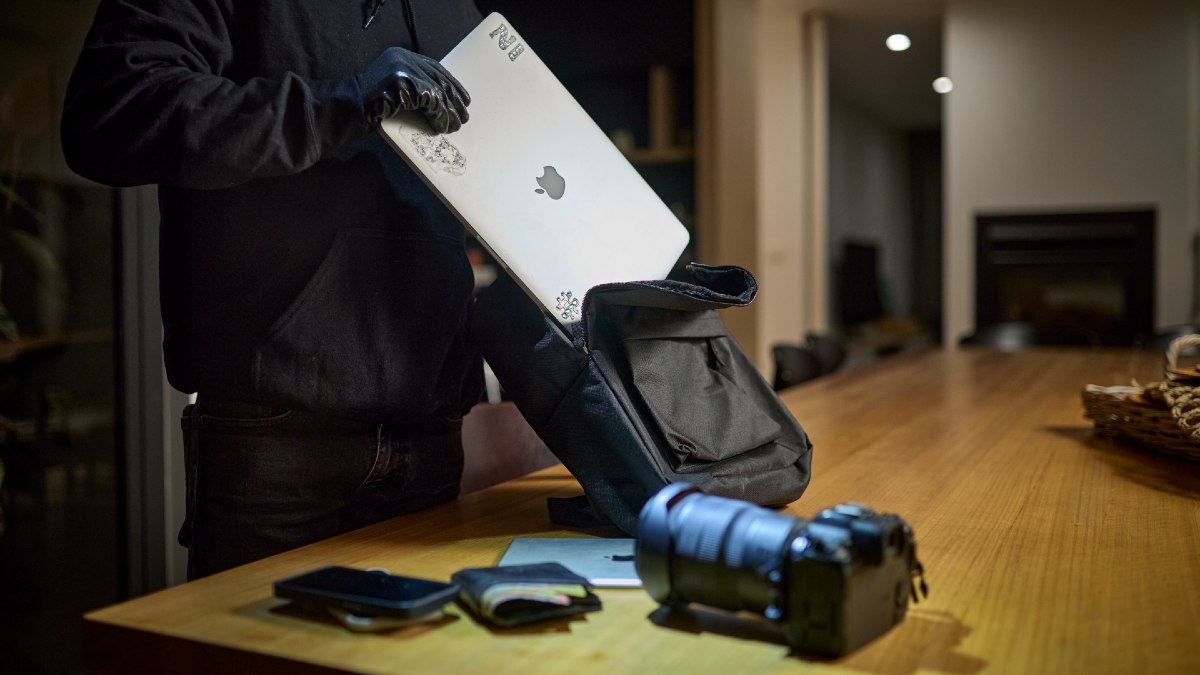
Portable electronics such as laptops and tablets, gaming consoles and mobile phones are among the easiest items for burglars to steal and quickly resell. Along with being worth hundreds or thousands of dollars, they often contain valuable personal and financial information - which a criminal could use to commit extortion, identity theft, or fraud.
"All too often, mobile phones are left on kitchen bench tops, dining tables, bedside tables and other easy-to-see places from windows," Gordon says.
How to protect electronics
When you're not using your portable electronics, keep them out of sight and not in an obvious location like your desk or living room table. Consider storing them in a secure locked drawer when you're not using them.
Regularly back up your data to an external hard drive or cloud storage device so that you don't lose your files in the event of a burglary. You can also install device tracking software to help police locate your tech if stolen. Remote wiping features are also useful to prevent information theft. Remember to always use strong passwords or biometric authentication methods too.
Recording device serial numbers can also assist police investigations and insurance claims.
Power tools and equipment
Garages and sheds are increasingly targeted because they often contain expensive power tools, gardening equipment and bicycles - all of which are relatively easy to sell through online marketplaces.
Burglars are aware of how valuable power tools can be. The CSA reports that 6,116 power tools were stolen from Victorian residences in the year ending March 2026, along with 6,586 non-power tools. This resulted in losses exceeding $13 million.
How to protect tools
Make sure to lock up any valuable tools in a heavy-duty toolbox with a strong padlock or a tamper-proof storage cabinet. Consider anchoring larger equipment to fixed points.
As most tools are kept in garages, make sure your garage door is kept closed with a quality lock. Good lighting and security cameras around garages and side entrances can also discourage offenders.
Marking your tools with your ID and removing tool brand names will also help devalue the item, making it harder for thieves to resell.
Portable electronics like laptops and mobile phones are desirable targets for burglars.
Designer handbags and luxury accessories
High-end handbags, sunglasses and designer accessories can command significant resale prices, making them attractive targets. Unlike televisions or furniture, these items are lightweight and easy to conceal during a burglary.
How to protect luxury goods
Avoid storing luxury items where they're visible from windows or obvious upon entering a room. Photograph valuable accessories and retain receipts or authenticity certificates.
Online shopping orders
"The growing popularity of online shopping may also be responsible for a rise in the theft of delivery items," Gordon says.
Opportunistic thieves may follow delivery vans and grab deliveries from the front door – with little idea of what they are stealing. Packages left unattended on doorsteps or in mailboxes are easy targets for opportunistic thieves. They can quickly grab the packages and flee the scene without drawing much attention.
How to protect online shopping orders
To help prevent theft of online shopping orders, request that packages be delivered with a signature required for receipt. This ensures that someone is present to accept the delivery. Use the tracking services provided by shipping companies to monitor the status of your deliveries, so you know when packages are expected to arrive.
If you can't be at home to accept your package, use secure delivery options like a parcel locker, local post office, or a trusted neighbour who can accept the delivery on your behalf.
You can also install security cameras around your property to deter thieves and capture footage of any suspicious activity. Visible cameras can act as a deterrent, while recorded footage can be helpful for identifying suspects in the case of theft.
How to prevent theft in your home
No single security measure can prevent every burglary, but combining several layers of protection can significantly reduce your risk.
Victorians can use the How Safe Is My Place? quiz to identify where their home may be vulnerable to crime and receive a tailored report with practical security tips.
Good exterior lighting, door locks and window locks, security cameras, alarm systems and visible signs that someone is home can all help improve your home security by making it harder and more time-consuming for burglars to gain entry. Because most burglars look for easy opportunities, these added obstacles may encourage them to move on.
Neighbourhood awareness also plays an important role. Knowing your neighbours, reporting suspicious activity and collecting each other's mail while away can all help make your street less attractive to offenders.
The information provided is general advice only. Before making any decisions please consider your own circumstances and the Product Disclosure Statement and Target Market Determinations. For copies, visit racv.com.au. As distributor, RACV Insurance Services Pty Ltd AFS Licence No. 230039 receives commission for each policy sold or renewed. Product(s) issued by Insurance Manufacturers of Australia Pty Ltd ABN 93 004 208 084 AFS Licence No. 227678.

