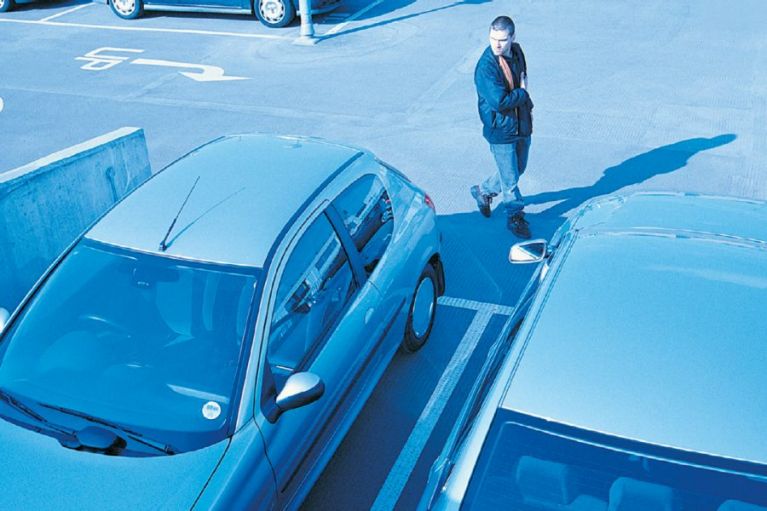
Motor vehicle theft is rising rapidly in Victoria, so which areas are being targeted, where are thieves looking and what can you do to help prevent your car becoming one of the statistics?
Car Security
What is a Faraday bag and why might you need one?
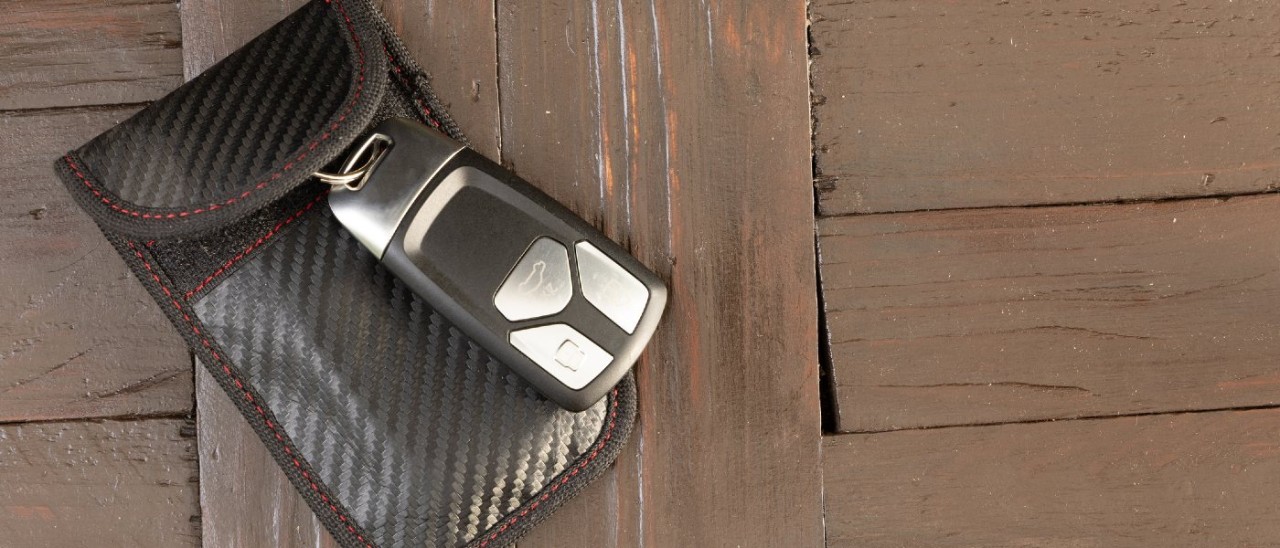
Faraday bags, boxes or pouches are a simple tool that can help protect your car from theft. Here’s how they work.
With the latest Crime Statistics Agency data showing a record number of car thefts occurring across Victoria, many local residents are looking for ways to make their vehicle harder to steal.
Faraday bags are one of several theft deterrents available, alongside steering wheel locks, OBD locks, and wheel clamps. They are relatively simple devices with multiple uses that go beyond simply keeping your car safe.
Learn how these cyber security devices work, how they can prevent theft, and how to choose the best Faraday bag for you.
More: What is Stolen Vehicle Tracking and how can it help recover stolen cars?
What is a Faraday bag?
Faraday bags are bags that block electromagnetic fields (EMFs). Electronic devices that are placed in Faraday bags cannot send or receive EMF signals, including radio frequency identification (RFID) signals. This effectively protects the enclosed devices from cyber security risks such as hacking and cloning.
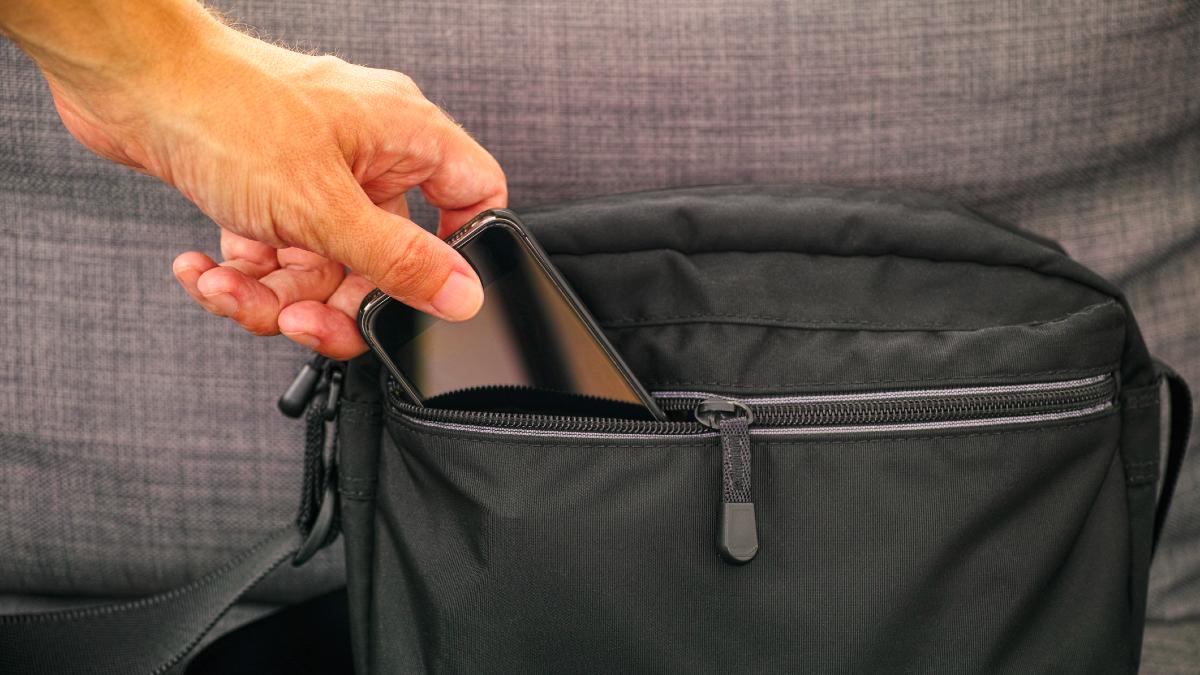
There are many different Faraday-style products available in Australia, including large travel bags, boxes, pouches, and sleeves for smartphones, laptops and tablets. These security devices are commonly used by people working in sensitive industries such as law enforcement, military or intelligence, but are freely available for purchase by anyone.
Modern Faraday bag devices are named after Michael Faraday, the scientist who first invented the Faraday cage (a larger EMF-shielding device) in 1836.
How does a Faraday bag work?
Faraday bags and other Faraday devices are made using materials that effectively shield EMF and RFID signals from being sent or received.
While these bags look like any other from the outside, they are lined or interwoven with layers of metals such as aluminium, copper and nickel that dissipate any incoming or outgoing electronic signals to such an extent that they are effectively nullified.
In practice, this means that an electronic device sealed within a Faraday bag cannot send or receive any EMF or RFID signals. These include:
- Wi-Fi
- Bluetooth
- Telecommunications networks (e.g. phone calls, text messages etc)
- Radio frequencies
- GPS
- NFC signals (e.g. contactless payments that use cards or smartphones)
Note that Faraday bags do not block relatively stable magnetic fields (such as the Earth’s magnetic field), sounds, or signals localised to the enclosed device. For example, putting your phone in a Faraday pouch won’t stop an alarm going off during a meeting (so long as the phone's clock is not reliant on an external network).
Faraday bags do not harm your electronic devices. Normal device functionality should return as soon as the item is removed from the bag.
Faraday bags, boxes and pouches come in a variety of styles and sizes to fit most electronic devices. Image: Getty
Do I need a Faraday bag for my car keys?
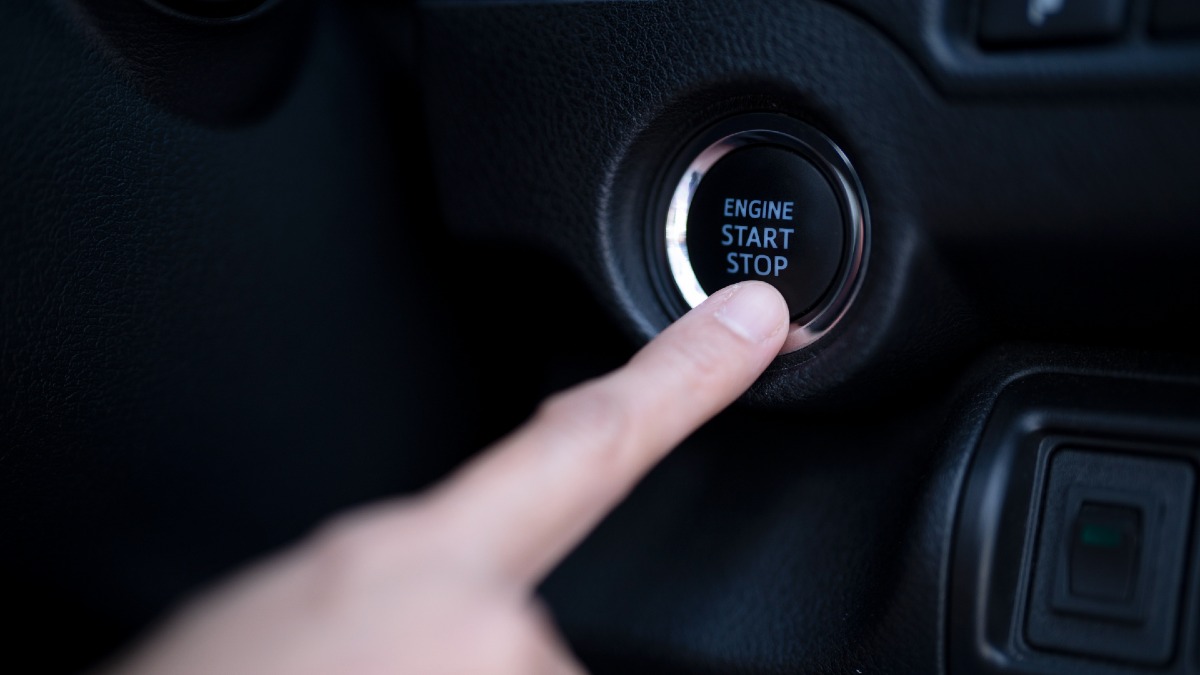
Many cars now offer keyless entry and ignition. While convenient, this can allow thieves to gain seamless access to your vehicle without having to steal your keys or force entry.
Thieves can use a device called a “relay” to pick up the signal from your key, even through walls, windows, or doors, if the key is close enough to the exterior of your home.
How thieves clone or boost your key fob signal
Third-party devices that can copy, reprogram or relay your car’s key fob signal are widely available online as they are legal and used in some legitimate professions (such as by mechanics).
Relay attacks or relay car theft is when thieves use one such third-party device to ‘bounce’ your key fob signal to a second such device located by your car. This essentially tricks your car into thinking the thieves have your actual key fob, letting them open and even start your vehicle.
The issue of remote, electronic car theft such as relay attacks have increased to such an extent that Victoria Police reports that one in five vehicles are now being stolen using these methods.
A Faraday pouch can help prevent relay attacks and other forms of electronic car theft by blocking your key fob from transmitting its signal. Simply place your key fob in the Faraday device and seal as per the manufacturer’s instructions.
Storing your keys in a Faraday bag can help prevent electronic car theft for all vehicles that offer keyless entry, but may be especially useful for vehicles that have both keyless entry and ignition (as a relay attack would allow thieves to steal the entire car, not just gain entry to it).
Related reading: Safest places to keep your keys to avoid losing them
How to choose the best Faraday pouch for car keys
Consider the following features when purchasing a Faraday bag, pouch, sleeve or box.
Size
An item must be fully enclosed and correctly sealed inside the Faraday device to work properly. When buying your Faraday bag consider what you’ll be storing inside it – a single car key fob will fit in a small bag or pouch, but you’ll need to size up if wanting to store multiple items at once.
Construction
Check what materials the bag is made from, both in terms of the EMF-blocking inner layers and the outer fabric shell. Nickel, copper and aluminium are common effective EMF-blockers while you want the external fabric to be tough and wear resistant. If possible, inspect the Faraday bag in person before buying to ensure it’s strong and well-made; a Faraday bag that looks flimsy may be more likely to wear out and become ineffective sooner.
Decibel rating
The primary way you can check a Faraday bag’s shielding capacity is to check its decibel rating (dB rating). The higher this number is, the more effective the Faraday pouch should be at blocking EMF signals. Also be sure to check what other signals the bag claims to block.
How to test your Faraday pouch
Where possible it’s always best to test a Faraday bag before buying. This can be done easily by placing the intended electronic device inside, then trying to connect to it.
For example, you could place your key fob inside of the bag then try to open your car, or put your phone in the bag then use another device to try calling it.
Depending on the store, it may be impractical to test the bag prior to purchase (especially with car fobs) so always keep proof of purchase in case it needs to be returned.
Cars with keyless entry and ignition can benefit from having the key fob stored in a Faraday bag. Image: Getty
Will a Faraday pouch drain my battery?
Typically, no, a Faraday bag will not drain a phone, laptop or other electronic device’s battery faster.
How long do Faraday pouches last?
A quality Faraday bag that is well looked after will last for several years before it needs replacing. Test your Faraday bag regularly to ensure it’s still working properly.
Poorly made bags may wear out faster, leading to an ineffective EMF-shield. It’s also important not to subject your Faraday bag to any conditions it’s not rated for (e.g. moisture, extreme heat or cold) as these can also speed up its degradation.
Other ways to protect a keyless car from theft
Using a Faraday bag is an effective, but not foolproof, means of protecting your car from theft.
Other ways you can help reduce the chance of your car being stolen include:
- Parking off-street, in a locked garage or carport if possible
- Using anchor bolts on your automatic garage door
- Storing your car keys away from your front door, car and other external openings
- Using a steering wheel lock
- Using an OBD port lock
- Installing motion-sensor lights around your property
- Installing a burglar alarm or security system at your property
- Consider a stolen vehicle tracking system
- Not storing valuable items in your car
The information provided is general advice only. Before making any decisions please consider your own circumstances and the Product Disclosure Statement and Target Market Determinations. For copies, visit racv.com.au. As distributor, RACV Insurance Services Pty Ltd AFS Licence No. 230039 receives commission for each policy sold or renewed. Product issued by Insurance Manufacturers of Australia Pty Ltd ABN 93 004 208 084 AFS Licence No. 227678.