
Unlicensed electrical work risks your health and safety and that of your family. These are some common household jobs you should always call an electrician for.
Renovating

Energy-efficient ways to heat your bathroom
Compare the most energy-efficient bathroom heaters in Australia, ranked by running cost and comfort, plus how to heat fast without wasting power.
Bathrooms are small, used for quick visits, and they can get damp quickly, which means “efficient heating” comes down to two things: warming up fast and not running heaters longer than you need.
Here’s how the most common bathroom heating options stack up, plus what to consider before you buy or renovate.
At a glance: bathroom heating options from most to least efficient
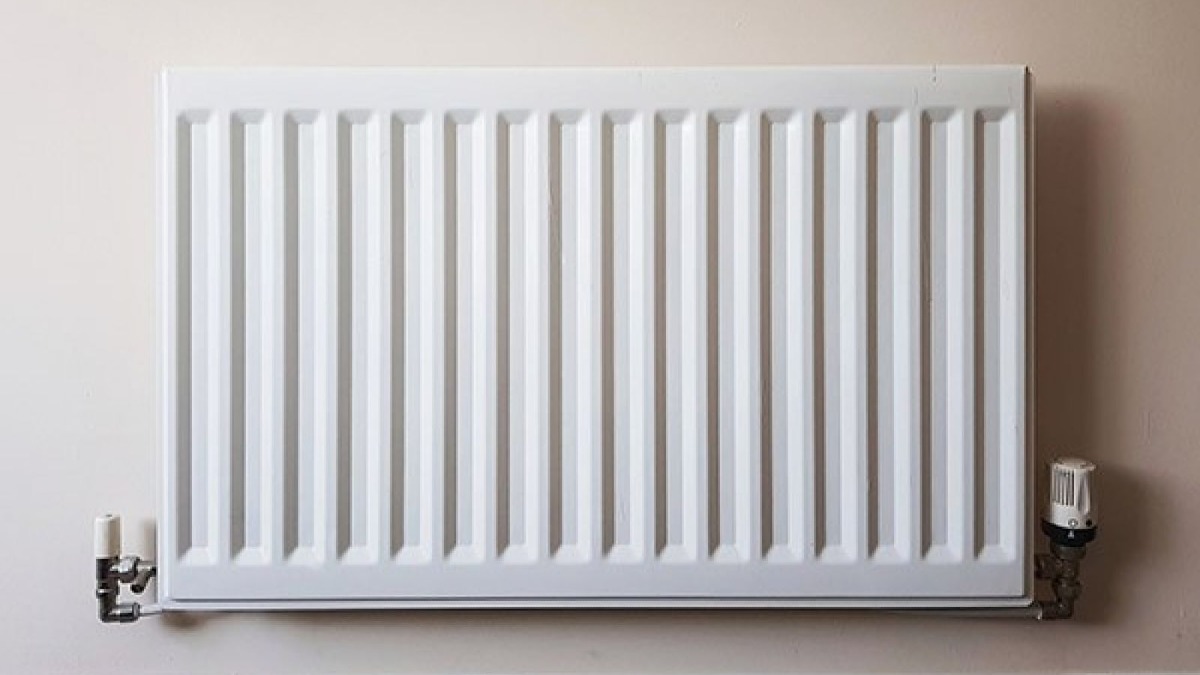
- Electric panel heater (with thermostat + timer): efficient, quiet background warmth when sized correctly and controlled well.
- Heated towel rail: comfort upgrade that can be efficient when timed; not usually a whole-room heater.
- Electric underfloor heating: comfortable, but can be costly to run if left on for long periods; best with good controls and insulation.
- Ceiling heat lamps: instant radiant warmth, but typically higher running cost per minute than other electric options.
Keep in mind: This ranking assumes typical use (think: mornings and evenings) and focuses on running cost for the warmth you actually feel. If you’ve got a bigger bathroom, poor insulation, or you like the room warm for longer stretches, your best pick might look a little different.
If you buy an electric panel heater for your bathroom, make sure it has a thermostat and timer.
Bathroom heater types: what to choose and why
1. Electric panel heater with thermostat and timer
Why it ranks well: A fixed panel heater can give you a steady, comfortable level of warmth, without the blast (and noise) of some portable heaters. Add a thermostat and timer, and you’re much less likely to waste energy.
Best for: Small to medium bathrooms where you want background warmth during key times (showers, kids’ bath time).
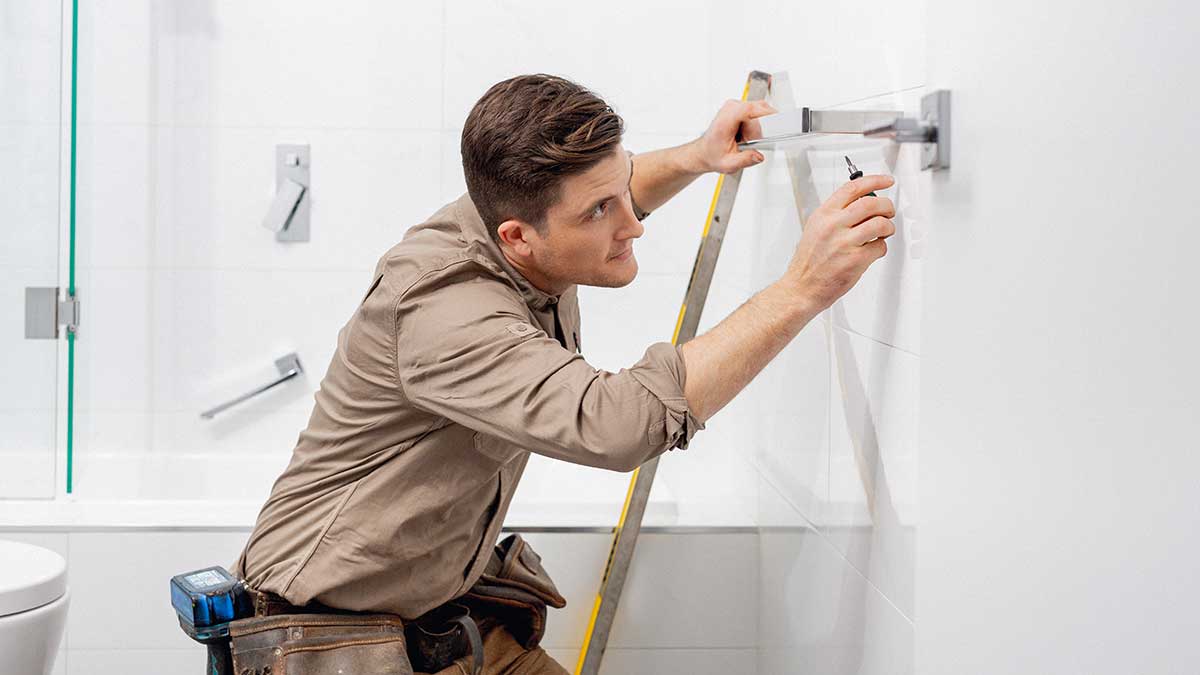
Cautions: Make sure the model is suitable for bathroom installation zones, and have it installed by a licensed electrician.
Use it efficiently: Look for an accurate thermostat, a 7 day timer, and a “boost” mode, so it runs for minutes when you need it, not hours by accident.
2. Heated towel rail
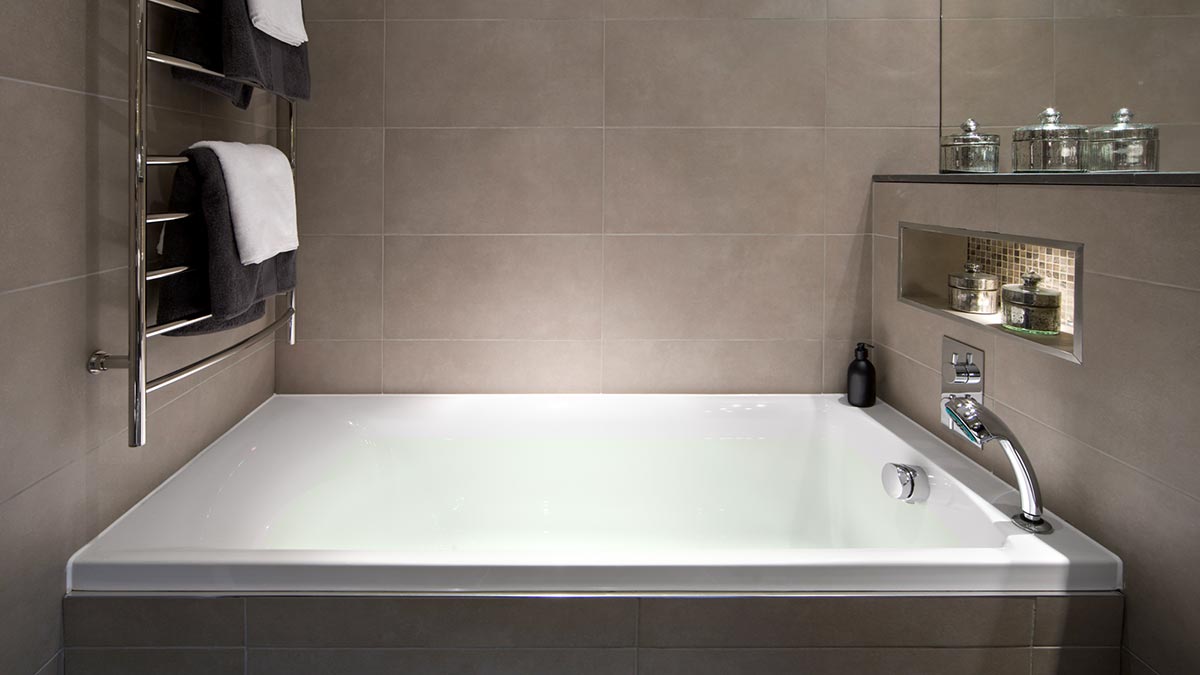
How it compares: Heated towel rails are mostly about comfort and convenience. They can also help towels dry out faster, which is handy in a bathroom that tends to stay damp. Used with a timer, they can be an efficient add-on – but don’t expect one to heat the whole room.
Best for: Households that want warmer, drier towels and a little extra comfort when stepping out of the shower.
Cautions: In most bathrooms, a towel rail won’t make a big difference to room temperature, especially if the space is larger.
Use it efficiently: Put it on a timer (morning/evening is common) and choose a size that matches how many towels you hang.
Want more detail? Read our guide: Are heated towel rails worth it?
Energy efficiency is linked to minimising the amount of time you leave a heated towel rail or heater on in the bathroom. Image: Getty
3. Electric underfloor heating
Where it shines: Underfloor heating can feel like a treat because it takes the sting out of cold tiles. How efficient it is comes down to your controls (thermostat/timer) and how long you run it for.
Best for: Renovations where you can install it properly, and households that value comfort during predictable routines.
Cautions: It can be expensive to run if it’s on for long periods. And because it can take a while to warm up, “set and forget” often means you’re heating the floor when nobody’s in the room.
Use it efficiently: Use a programmable thermostat, schedule it around your routine, and keep the set temperature sensible.
4. Ceiling heat lamps
Why it sits lower: Heat lamps feel great straight away because they warm you directly (radiant heat). The trade-off is they can use a lot of power for overall room warmth.
Best for: Quick, targeted warmth when you’re stepping out of the shower, especially in a bathroom that doesn’t need to be kept warm for long.
Cautions: Easy to accidentally leave on; older units may be less efficient and offer less control.
Use it efficiently: If you can, use a timer, or pair it with a switch you’ll definitely turn off on the way out.
Related reading: Choosing the right hot water system for your home
How to choose the most efficient option for your bathroom
To pick the most efficient option for your place, start with how you use the bathroom. If you’re only chasing a quick warm-up for 10–15 minutes, instant heat plus a timer can work well. If you want the room comfortable for longer, a heater with a good thermostat (and ideally a timer as well) is usually a better match.
The other big efficiency levers are simple:
- Use control features: Timers and thermostats are often the difference between “pretty affordable” and “how did it get that high?”
- Don’t ignore moisture: Using your exhaust fan (and having decent ventilation) helps the space feel less clammy, even before you add more heating.
- Think whole-home: If you already have reverse-cycle heating nearby, you might be better off using it more strategically (for example, heating the adjoining room at the right time) rather than adding another standalone heater.If mould is an issue: If you’re seeing mould on ceilings, grout or around windows, it’s a sign moisture is hanging around for too long. Heating can help comfort, but preventing mould usually comes back to ventilation, fixing any leaks, and drying the room out properly.
Read our guide: How to remove mould and prevent it coming back in your home
You'll need a qualified electrician to install a heated towel rail that's connected to mains power.
Heater safety and installation notes
Bathrooms have extra electrical safety requirements, so it’s worth getting the install right. If you’re adding fixed heating (or changing wiring/switches), use a licensed electrician and make sure the product is suitable for where it’s going. If the room stays damp, improving ventilation or upgrading your exhaust fan can make a big difference.
Bottom line: The most energy-efficient bathroom heating is usually the one you can control easily, so it’s on when you need it, and off when you don’t. If you’re considering a comfort add-on, a heated towel rail can work well alongside your main heating option, especially when it’s on a timer.
RACV Trades is a trading name of RACV's trade partner, Club Home Response Pty Ltd (Victorian registered domestic building practitioner number CDB-U 100178). All works are performed or arranged by Club Home Response Pty Ltd. trading as RACV Trades. Read the RACV Trades Terms and Conditions.

