
Summer will be here before we know it. Here’s how to get your home solar ready for summer, so you can take advantage of the sunshine.
Solar Power

What is a virtual power plant (VPP) and how does it work?
Learn how virtual power plants connect home solar panels and batteries, and whether joining a VPP could help reduce your energy bills in Victoria.
If you have solar panels and a home battery – or are considering adding a solar battery – you may have heard that joining a virtual power plant (VPP) could help you get more value from the energy you generate.
A virtual power plant connects participating household energy resources – typically solar panels and batteries – so they can work together like a larger power station. Instead of electricity being generated in one location, a VPP coordinates energy stored across hundreds or thousands of homes.
For households, joining a VPP may provide financial incentives or electricity bill savings in exchange for allowing a provider to manage some of the energy stored in their battery. Here’s how virtual power plants work and what to consider before signing up.
More: What to consider when upgrading your solar power system
What is a virtual power plant (VPP)?
A virtual power plant is a network of decentralised energy resources that are digitally connected and coordinated.
These resources can include rooftop solar systems, home batteries and, increasingly, other flexible energy technologies. Software allows a VPP operator to remotely coordinate when participating batteries charge or discharge electricity.
Imagine one thousand homes each having a battery capable of supplying electricity. Individually, each battery is relatively small. When their capacity is combined and managed as a group, however, they can collectively provide a significant amount of electricity when the grid needs it.
The household remains connected to the electricity grid, but part of its battery capacity can be used by the VPP under the terms of the agreement.
How does a virtual power plant work?
During the middle of a sunny day, rooftop solar systems can generate more electricity than households are using. Excess solar energy may be used to charge a home battery, with additional electricity exported to the grid.
When electricity demand increases – often in the late afternoon and evening – a VPP operator can coordinate participating batteries to discharge electricity.
This can help balance supply and demand across the electricity network and make better use of renewable energy.
VPPs can also respond quickly to changing electricity market and grid conditions. Depending on the program, your battery may automatically charge when electricity is plentiful or cheaper and discharge when demand and electricity prices are higher.
More: How to choose the best home battery for your solar system
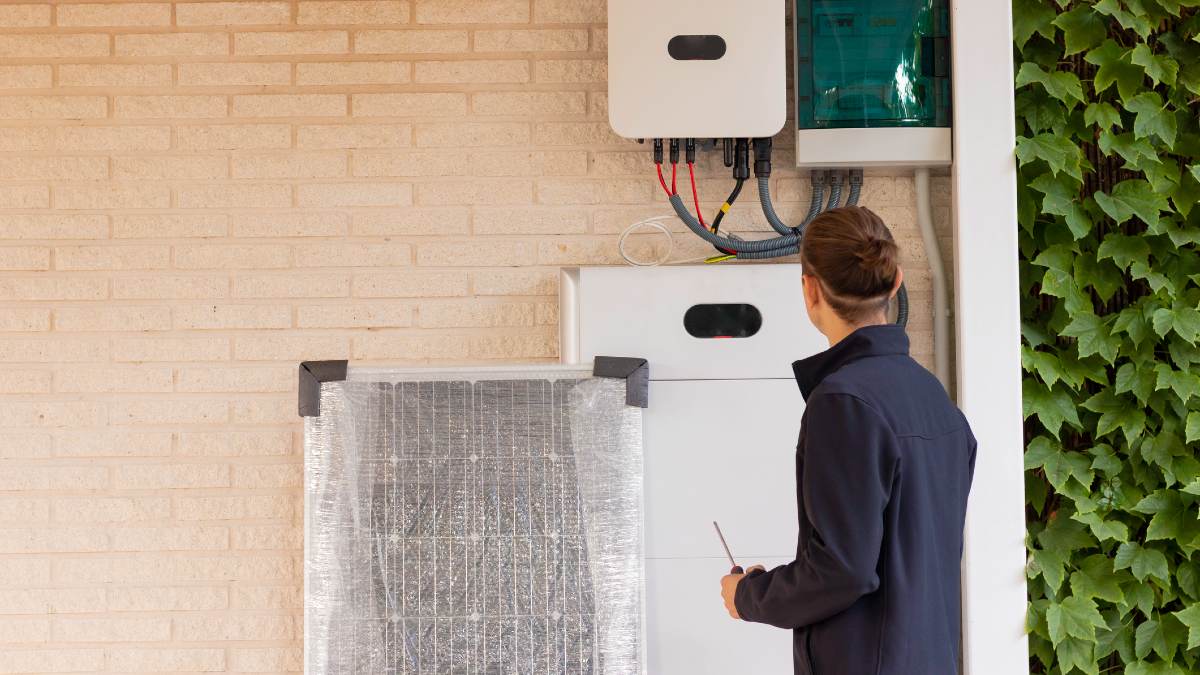
A virtual power plant can remotely coordinate home battery supplies. Image: Getty
Can joining a VPP lower your electricity bills?
A VPP can potentially reduce household energy costs, but the financial benefit depends on the individual program, your electricity usage and your solar and battery system.
VPP providers may offer benefits such as electricity bill credits, payments for exported electricity, discounted electricity rates or other financial incentives.
Some programs may also provide higher rewards when the VPP uses your battery during periods of high electricity demand.
If you already have a home battery, these incentives could provide another way to generate value from it. However, joining a VPP doesn't automatically mean your electricity bills will be lower than they would be on another electricity plan.
Compare the VPP's electricity tariffs, feed-in tariff, battery payments and fees with other available energy plans before signing up.
More: What is a solar feed-in tariff? How to compare rates in Victoria
How can a virtual power plant benefit Victorian households?
Virtual power plants are particularly relevant for Victorian households with rooftop solar and a compatible home battery.
Victoria's electricity demand can vary considerably throughout the day. Rooftop solar can produce large amounts of electricity around the middle of the day, while household demand often rises later in the afternoon and evening as people return home, switch on appliances, cook and use heating or cooling.
A VPP can help make better use of this changing supply and demand. For example, a participating Victorian home battery could charge using excess rooftop solar during the day, then discharge some of that stored electricity later when demand on the grid is higher.
For households, the potential benefit comes from using more of their own solar electricity while also receiving payments, credits or other incentives for participating in a VPP. The exact savings will depend on the VPP program, electricity plan, household energy use and battery capacity.
Victorians should compare VPP offers in the same way they would compare other electricity plans. Look beyond any advertised VPP bonus and consider usage tariffs, daily supply charges, solar feed-in tariffs, battery export payments, contract conditions and exit fees.
It's also worth considering how a VPP works with your household's electricity habits. Homes with significant evening electricity consumption, for example, may want to ensure enough battery capacity is retained for their own use rather than exported to the grid.
If you are considering installing a battery to participate in a VPP, check current Victorian eligibility requirements, available incentives and compatible battery models before committing. Government programs, rebates and VPP offers can change over time, so make sure you're working from current information.
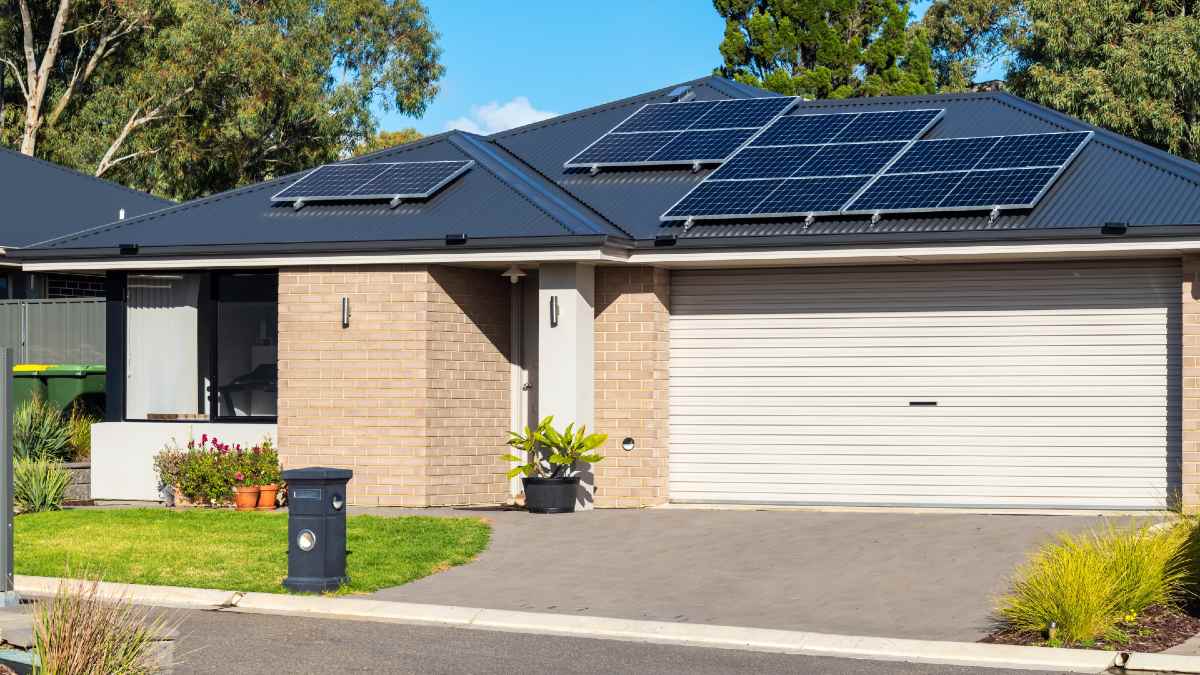
Victorian households should compare VPP options before opting in. Image: Getty
What Victorian households should ask before joining a VPP
Before signing up, ask the provider:
- Is my existing solar and battery system compatible with the VPP?
- How much control will the VPP have over my battery?
- Can I set a minimum battery reserve for my household?
- How often could electricity be exported from my battery?
- What payments or bill credits will I receive?
- What are the electricity usage, supply and solar feed-in tariffs?
- Are there minimum contract periods or exit fees?
- Can my battery still provide backup power during a blackout?
- Could additional battery cycling affect its warranty or lifespan?
For Victorian households, the key is to consider the VPP as part of the whole energy plan, rather than looking at the VPP incentive in isolation. The best value will depend on how much solar you generate, when you use electricity and how your battery is normally charged and discharged.
Do you need solar panels and a battery to join a VPP?
Most residential VPP programs require a compatible home battery, often combined with rooftop solar.
Compatibility is important because VPP operators need software that can communicate with and control participating batteries. Not every battery will necessarily work with every VPP.
Eligibility can also depend on where you live, your electricity retailer, battery model, internet connection and the requirements of the particular VPP program.
If you're considering installing a solar battery partly to access a VPP, check which programs support the battery before making a decision.
Joining a VPP may provide extra household energy savings.
What are the benefits of a virtual power plant?
Potential benefits of joining a VPP can extend beyond household energy savings.
By coordinating many distributed batteries, VPPs can help provide electricity when demand is high and absorb excess renewable electricity when supply is abundant. This can support a more flexible electricity grid as more Australian households install rooftop solar and batteries.
For participants, the main attraction is the potential to earn additional value from a battery that might otherwise spend periods sitting fully charged or with unused capacity.
A VPP may also simplify battery management because charging and discharging can happen automatically according to the program's settings.
What should you check before joining a VPP?
Not all VPP offers work the same way, so read the terms and conditions carefully.
Check how much control the provider has over your battery and whether a minimum amount of stored electricity will be reserved for your household. This can be particularly important if your battery provides backup power during an outage.
You should also consider:
- how and when you will be paid or credited
- electricity usage and feed-in tariffs
- whether there are joining, exit or ongoing fees
- minimum contract periods
- how frequently the VPP can discharge your battery
- whether participation could affect battery cycling or warranties
- whether you can leave or switch providers easily
- what happens to your battery during a blackout.
It is also worth comparing the potential VPP rewards against the overall cost of the associated electricity plan. A generous-looking battery payment may not represent better value if other tariffs or fees are higher.
Is a virtual power plant worth it?
Whether a virtual power plant is worthwhile will depend on your household, battery and electricity plan.
Households with compatible solar and battery systems may be able to reduce their energy costs or earn additional credits by allowing some stored electricity to be used when the grid needs it.
Before joining, compare the complete electricity plan rather than focusing only on the advertised VPP incentive. Understanding how much control you're giving the provider, what you'll receive in return and how the program fits your household's energy use can help you decide whether a VPP makes sense for your home.

