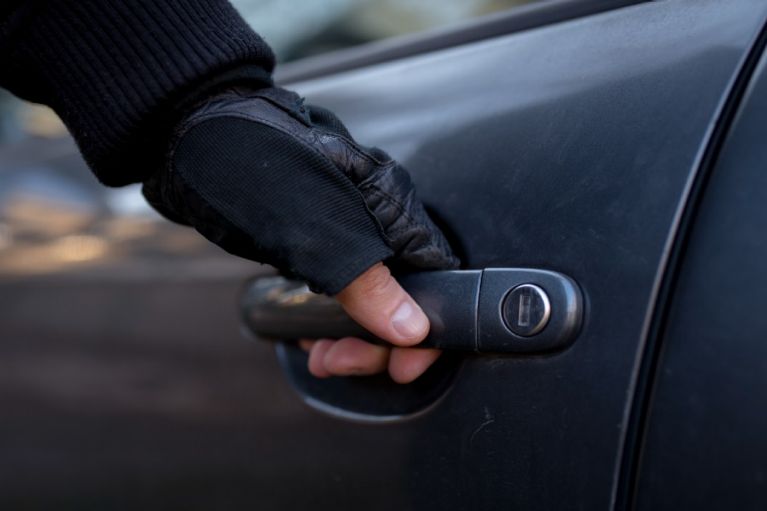
Learn how to prevent car theft with practical security tips, from protecting keyless entry fobs to choosing safer parking and securing your vehicle at home.
Motoring
Comprehensive car insurance versus third party car insurance
Find out the differences between comprehensive and third party car insurance so you can decide which level of protection best suits your vehicle, budget, and tolerance for financial risk.
Choosing the right car insurance can be daunting, especially when you’re weighing up comprehensive cover against third party options.
Comprehensive car insurance, third party property damage, and third party fire and theft differ significantly in what they cover, how much they cost, and who they’re best suited for. Here’s a guide to help you make a confident, informed decision.
If you buy a new or used car, comprehensive car insurance offers a higher level of protection than third party car insurance.
Comprehensive vs third party car insurance
Choosing the right car insurance can feel overwhelming, but the key difference between comprehensive and third party cover comes down to how much protection you want — and how much financial risk you’re comfortable taking on.
What is comprehensive car insurance?
Comprehensive insurance offers the broadest protection. It typically covers:
- Damage to your car, whether you’re at fault or not
- Damage you cause to other vehicles or property
- Theft or attempted theft
- Fire, vandalism, storms and other natural events
- Extra benefits like towing, emergency accommodation, or new‑car replacement (depending on the insurer and policy).
Because it covers a wider range of incidents, comprehensive insurance is usually more expensive. However, it offers the greatest peace of mind - particularly for newer, higher‑value or financed vehicles, depending on the insurer and the relevant policy terms and conditions.
What is third party car insurance?
Third party insurance generally comes in two forms:
Third party property damage (TPPD)
- Covers damage you cause to someone else’s vehicle or property.
- Does not cover your own car if you’re at fault. Some insurers include limited protection if an uninsured driver hits you and you can identify them.
TPPD is usually the cheapest option and is often chosen for older or low‑value cars.
Third party fire and theft (TPFT)
TPFT includes everything in TPPD, plus cover if your car is stolen or damaged by fire.
It’s a mid‑range option that offers extra protection without the cost of comprehensive cover.
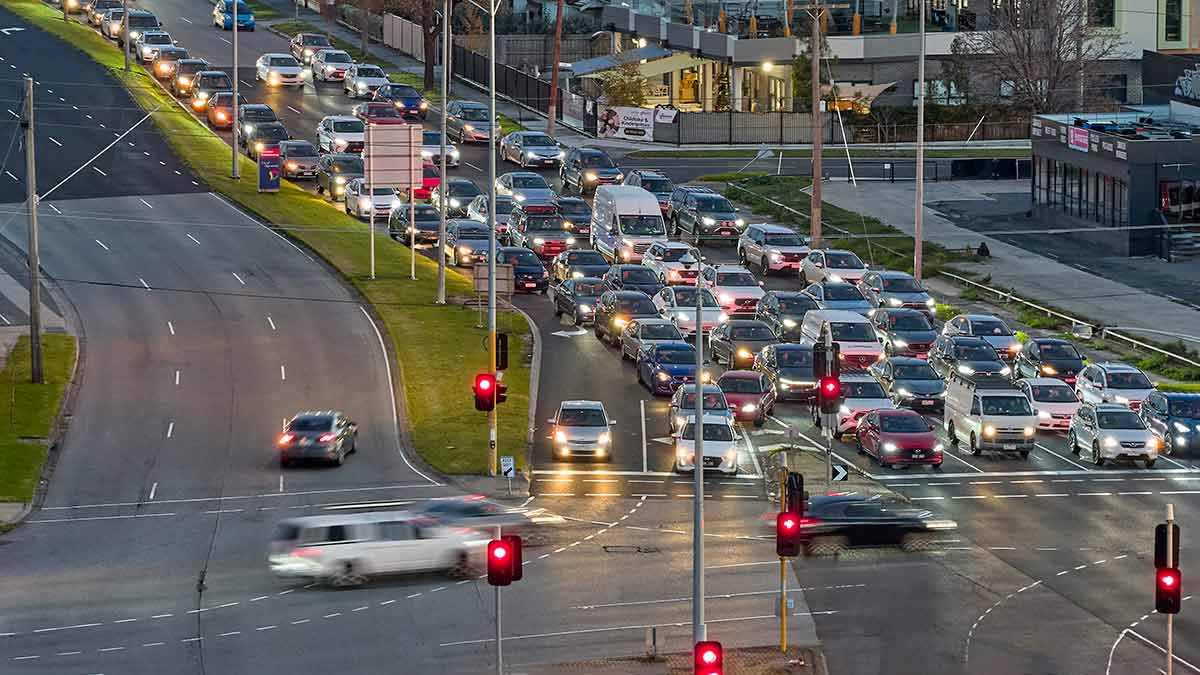
Third party property damage covers damage you cause to other people’s vehicles or property, but not your own if you’re at fault. Image: Matt Harvey
How to choose between comprehensive and third party insurance
Here is a list of things to consider:
- Your car’s value — higher‑value or financed cars generally justify comprehensive cover.
- How much you rely on your car — if going without may disrupt your life or income, broader protection may be worthwhile.
- Where you live or park — areas with higher theft rates, storms or tight street parking may increase risk.
- Your financial comfort level — think about whether you could afford major repairs, replacing your car, or paying for damage to someone else’s vehicle.
When comprehensive may suit you
- Your car is new, expensive or financed
- You rely on your vehicle daily
- You live or park in higher‑risk locations
- You couldn’t comfortably afford large repair or replacement costs.
When third party may suit you
Third party property damage:
- Your car is older or inexpensive to repair
- You mainly want protection against damaging someone else’s vehicle
- You’re comfortable covering repair costs for your own car.
Third party fire and theft:
- Your car is mid‑value (not new but not a cheap run‑around)
- You park in areas prone to theft or vandalism
- You want a balance between affordability and extra essential cover.
| Feature | |||
|---|---|---|---|
|
Damage to your own car (at fault) |
Yes |
No |
No |
|
Damage to others' property |
Yes |
Yes |
Yes |
|
Theft/fire cover |
Yes |
Yes |
No |
|
Storm/hail/flood |
Yes |
No |
No |
|
Might be suitable for |
|
|
|
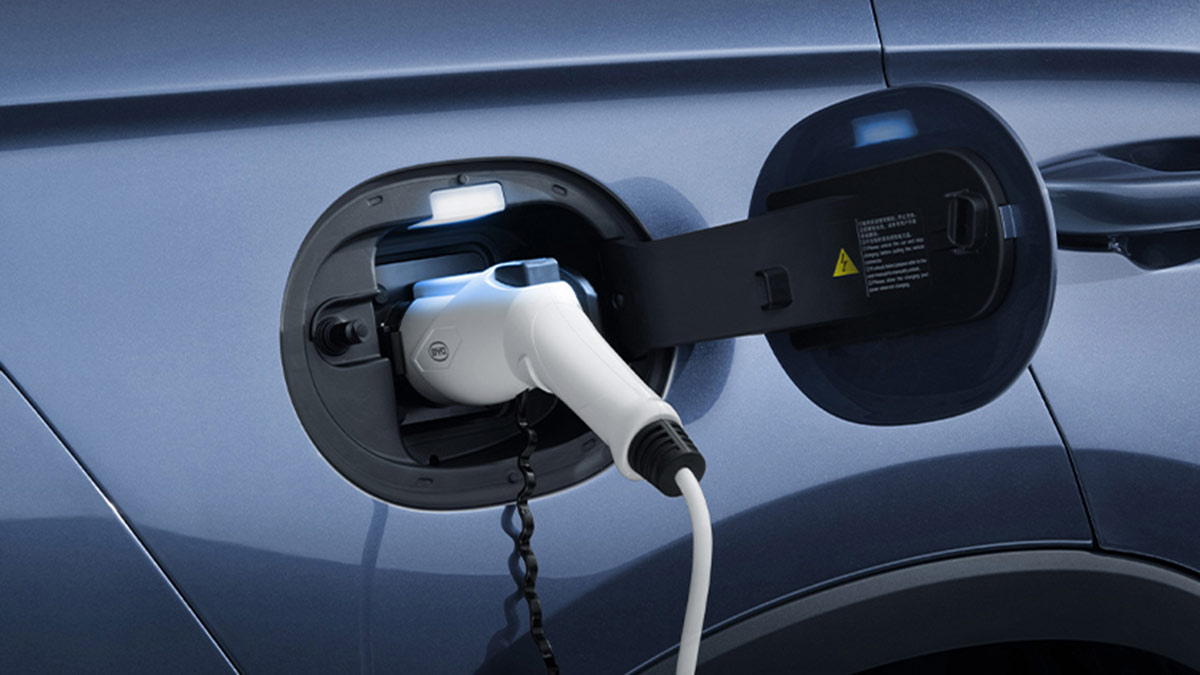
If you have an EV, you may want a comprehensive insurance policy that covers the cables and adaptors that come with your car.
Choosing between comprehensive and third party
Comprehensive insurance offers broader, lower‑risk peace of mind, while third party options provide more basic, budget‑friendly protection. Understanding what each does — and doesn’t — cover is the best way to choose the right level of protection for your needs, budget, and financial risk tolerance.
The information provided is general advice only. Before making any decisions please consider your own circumstances and the Product Disclosure Statement and Target Market Determinations. For copies, visit racv.com.au. As distributor, RACV Insurance Services Pty Ltd AFS Licence No. 230039 receives commission for each policy sold or renewed. Product(s) issued by Insurance Manufacturers of Australia Pty Ltd ABN 93 004 208 084 AFS Licence No. 227678.
