
Learn how often your car should be serviced, what's included in a car service, the difference between minor and major services, and why regular maintenance matters.
Car Safety

How to choose the right roof rack for your car
Whether you're planning a road trip or simply need more storage space for everyday life, a roof rack can transform your vehicle's carrying capacity.
From bikes and skis to kayaks and rooftop tents, the right system lets you transport bulky gear safely and efficiently. But not all roof racks are created equal.
Choosing the wrong type can compromise safety, increase fuel consumption or even void your vehicle warranty. Here's how to choose the right roof rack for your car.
For 24/7 Australia-wide help on the road, get RACV Emergency Roadside Assistance before you embark on your journey.
Jump to
- What is a roof rack?
- Check your vehicle's roof type
- Understand roof load limits
- Choose the right type of roof rack
- What material should my roof racks be?
- Can I DIY install roof racks?
- Common roof rack accessories
- Roof rack legal and safety precautions
- How to look after your roof rack
- Final considerations when choosing your roof rack
What is a roof rack?
Car roof racks are indispensable accessories for any vehicle owner who requires additional storage space. A roof rack is essentially a set of bars or racks that are fitted on the roof of a car, allowing you to carry large items such as luggage, bicycles, skis, kayaks, and more. The primary purpose of roof racks is to increase the carrying capacity of your car, enabling you to transport items that are awkwardly shaped that would otherwise be challenging to fit inside your car.
Why your choice of roof rack matters
A roof rack isn't just an accessory; it's a load-bearing system attached to structural points on your vehicle. Before you buy, it's important to understand your vehicle's specifications and how you plan to use the rack.
Selecting the correct rack ensures:
- the system fits your car's roof design
- the load is distributed safely
- you stay within legal weight limits
- wind noise and drag are minimised
- accessories such as bike carriers or ski mounts fit securely.
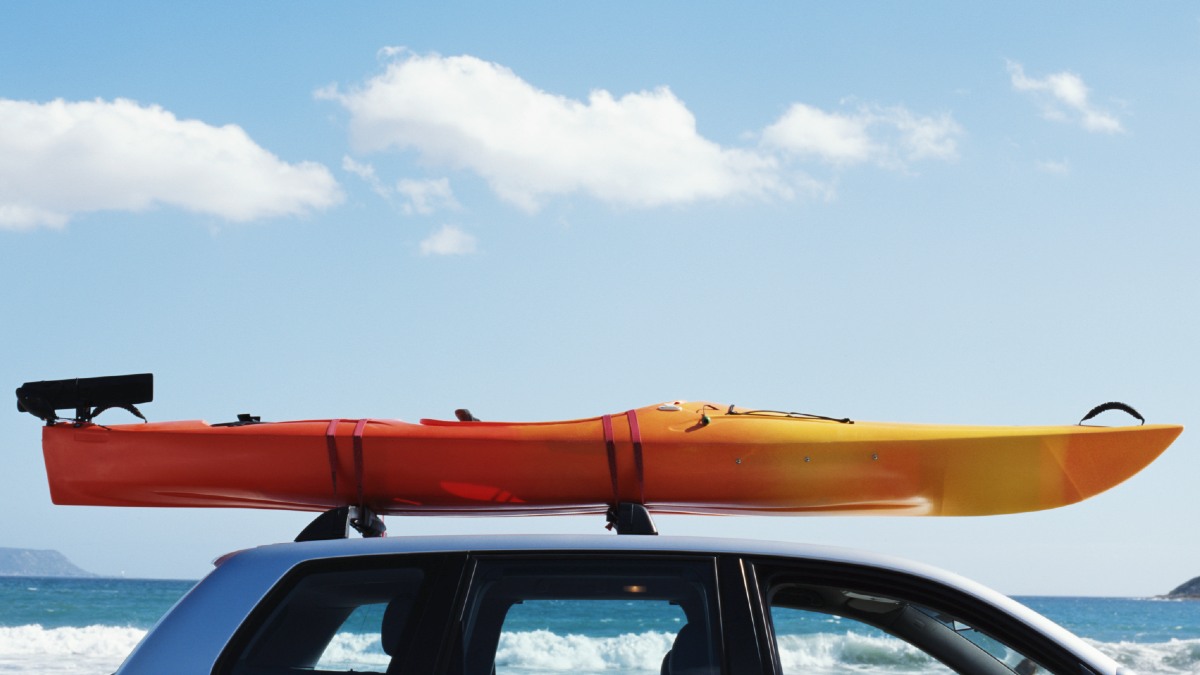
Car roof racks allow you to be able to transport awkwardly shaped items like kayaks. Image: Getty
How to choose the right roof rack
Check your vehicle's roof type
The first step in choosing a roof rack is identifying your roof configuration. Different cars have different mounting systems, and this determines which racks are compatible.
Always consult your owner's manual for approved mounting points and maximum roof load limits.
Bare roof
A smooth roof without rails or mounting points requires a clamp-style system that attaches to the door frame.
Raised roof rail system
Many SUVs and wagons come with raised rails running front to back, with a visible gap between the rail and the roof. These typically require crossbars designed to clamp around the rails.
They generally are easy to install yourself, with a strong load capacity and wide-ranging compatibility. Thanks to the raised roof rail system's higher profiles, it provides additional clearance for larger items like kayaks or skis.
On the other hand, they may increase wind resistance and affect fuel efficiency.
Flush roof rail system
Flush rails also run front-to-back but sit directly against the roof with no gap underneath. They're more common in modern SUVs and wagons with streamlined designs.
Flush rails are not interchangeable with raised rail systems: the hardware is different. You'll need a vehicle-specific mounting kit, with crossbars attached to fixed connection points within the rail system. They may also have limited compatibility with certain accessories.
Fixed mounting points
Fixed points are concealed mounting points built into the vehicle's roof structure, usually under small removable covers. These are designed specifically for roof rack systems.
If your vehicle has fixed mounting points, you must buy a rack system specifically engineered for your vehicle model. These systems are often very secure and stable.
Gutter mounts
Common on older 4WDs and vans, these mounts attach to the external rain gutters.
There are a variety of roof rack types fit for different uses. Image: Getty
Understand roof load limits
Every vehicle has a maximum roof load rating set by the manufacturer. This includes:
- the weight of the roof rack itself
- the weight of any accessories (bike carriers, kayak cradles, cargo boxes)
- the weight of the load you're carrying.
For example, if your vehicle has a 75kg roof load limit and your rack system weighs 20kg, you only have 55kg remaining for gear.
Static weight limits will differ from the limit when driving, so check if you're planning to use something like a roof top tent.
Exceeding this limit can damage the roof structure, affect handling and braking, increase rollover risk, and/or void your insurance or warranty.
If you're unsure, contact your vehicle manufacturer or dealership for clarification.
Choose the right type of roof rack
There are three main types of roof rack systems, each suited to different needs.
Crossbars
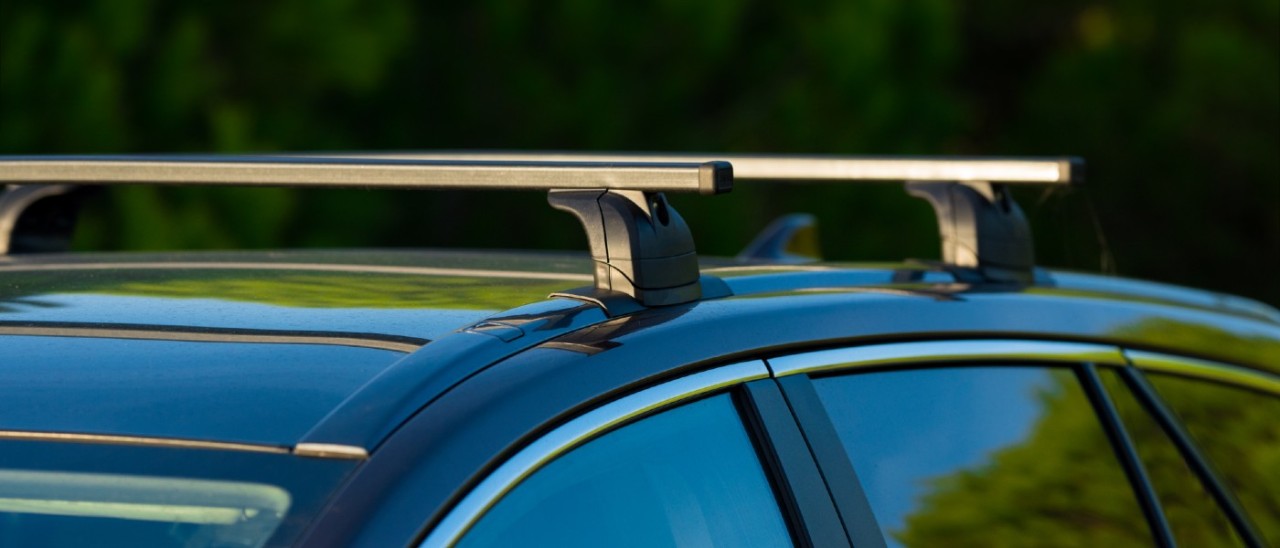
Crossbars are the most common and versatile option. Two bars run side-to-side across the roof, allowing you to mount specific accessories such as bike carriers, ski holders or cargo boxes.
They're ideal if you:
- only carry gear occasionally
- want flexibility to swap accessories
- don't need a full platform.
Brands like Rhino-Rack and Thule offer aerodynamic designs that reduce wind noise and drag.
Best for: Everyday drivers, cyclists, snow sports enthusiasts.
Platform racks
Platform racks (also called tray or flat racks) create a large, flat surface across the entire roof. These are popular for 4WD touring and tradespeople.
They allow you to:
- mount multiple accessories simultaneously
- carry awkward or oversized loads
- install rooftop tents
However, they are heavier and may increase wind resistance.
Best for: 4WD touring, camping, tradies.
Roof baskets
Roof baskets are similar to platforms, but include raised sides to help secure loose items. They're useful for luggage or irregularly shaped loads - but are generally less aerodynamic and can create more wind noise.
Best for: Road trips with bulky but lightweight gear.
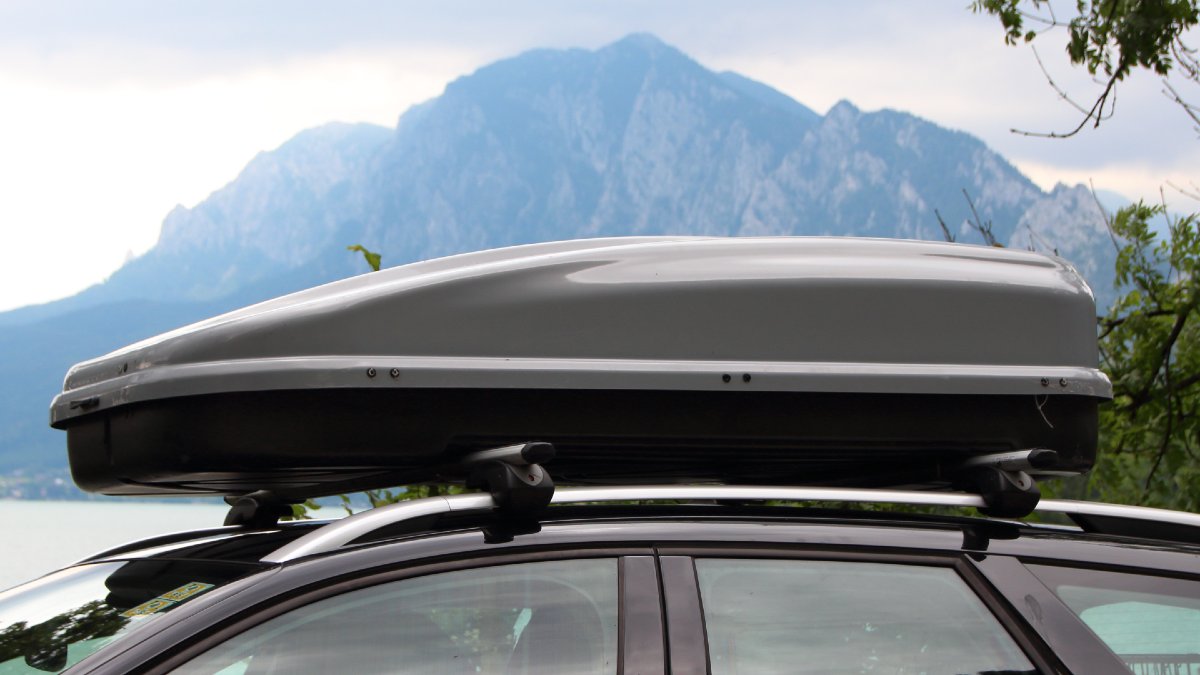
Cargo boxes are great for transporting multiple loose items on your roof racks. Image: Getty
What material should my roof racks be?
The materials used in the construction of a roof rack can greatly influence its durability, strength, and overall performance. Each material has its own set of advantages and considerations.
Steel
Steel is known for its exceptional strength and durability. It can handle heavier loads and withstand harsh weather conditions. However, steel roof racks tend to be heavier and may affect your car's fuel efficiency.
Aluminium
Aluminium, on the other hand, is lightweight yet robust. It offers a good balance between strength and weight, making it a popular choice for many car owners.
Composite
Composite materials, such as fibreglass or carbon fibre, provide excellent strength-to-weight ratios, but they can be more costly.
Can I DIY install roof racks?
Some roof rack systems are straightforward to install at home. However, incorrect installation can result in rack detachment, roof damage, and other safety hazards.
Professional installation ensures correct torque settings, an even weight distribution, and secure attachment. As a result, professional fitting is strongly recommended.
More: Easy DIY car maintenance and safety checks
What are some common roof rack accessories?
There are various accessories available that can enhance the functionality of your car's roof rack, making your road trip even more convenient. From cargo boxes to bike racks, kayak carriers to ski mounts, there are accessories to suit every adventurer's needs.
Cargo box
A popular accessory is the cargo box, which provides extra storage space for your luggage, camping gear, or sporting equipment. These durable and weather-resistant boxes come in different sizes to accommodate your specific needs.
Bike racks
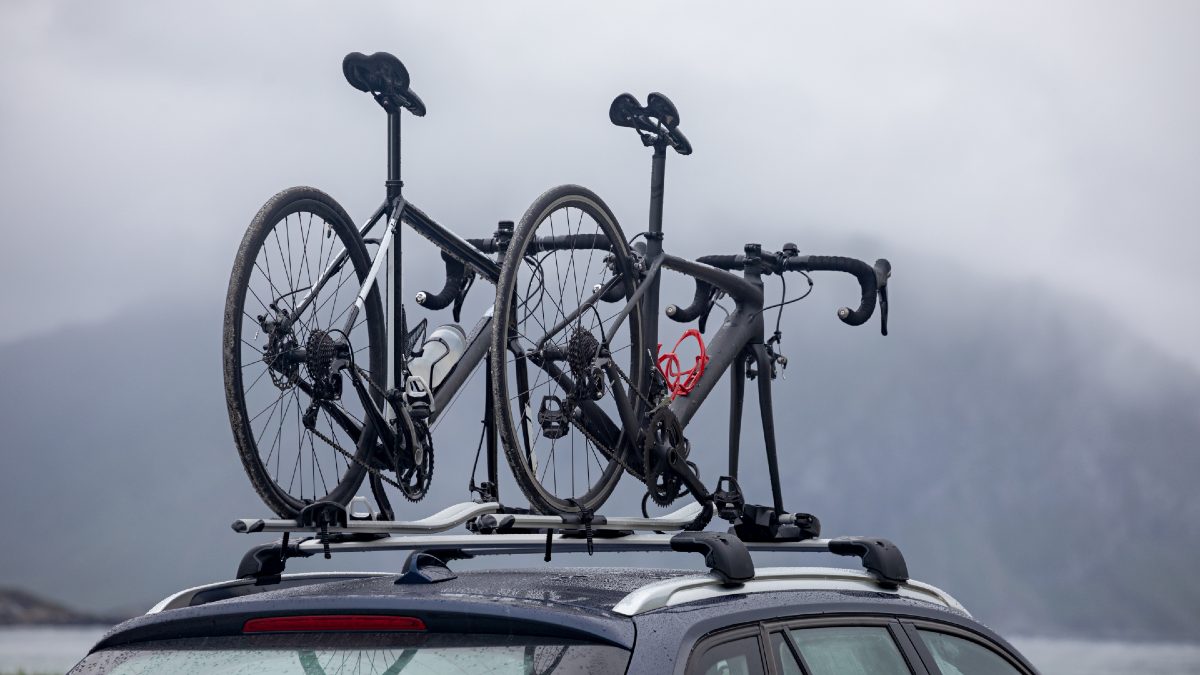
For those who enjoy cycling, bike racks are a useful accessory. They securely hold your bikes on the roof, leaving plenty of room inside your vehicle.
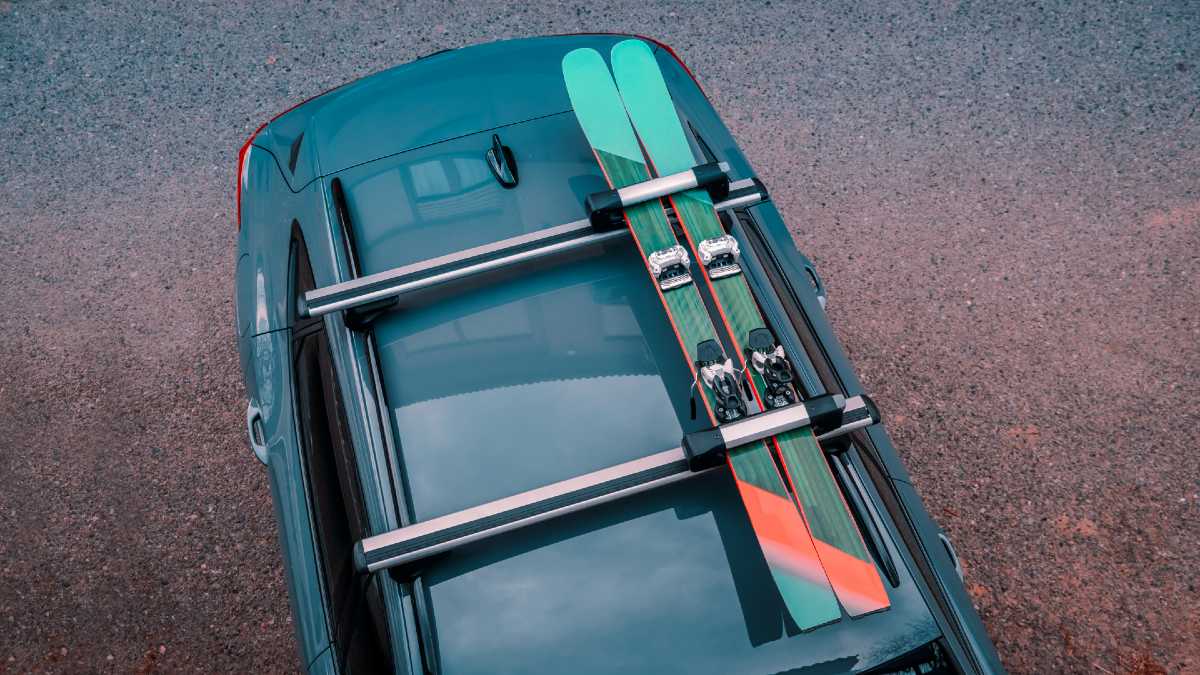
Ski carriers
Low-profile ski carriers are ideal for trips to Victorian alpine resorts. Ensure the rack allows easy access to your skis without scratching your vehicle.
Kayak and surfboards mounts
Specialised cradles or padded mounts provide stability and prevent movement in crosswinds.
How do you install roof rack accessories?
After selecting the perfect accessories for your roof rack, it's crucial to install them correctly. Here are some steps to help guide you to a safe and secure installation:
- Refer to your vehicle's manual and the manufacturer's instructions for specific guidance on installing and using your roof rack system.
- Identify the mounting points on your vehicle's roof, ensuring they are strong and sturdy.
- Attach the rack feet to the mounting points and tighten them securely.
- Place the crossbars on top of the feet and adjust them to the desired width.
- Securely tighten the crossbars to the feet using the provided tools.
Bike racks are a useful accessory for cyclists. Image: Getty
Roof rack legal and safety precautions
When driving in Victoria or anywhere in Australia, your load must:
- be properly secured
- not project dangerously from the vehicle
- remain within legal height limits.
The maximum vehicle height in most states is 4.3 metres, but always check local regulations if carrying tall items such as kayaks or rooftop tents. In addition, loose or poorly secured loads can attract fines and demerit points.
Ensure that your roof rack is properly installed and secure before loading any items. Distribute the weight evenly across the rack and secure each item using ratchet straps or tie-downs. Avoid exceeding the maximum weight capacity of your roof rack.
In addition, be aware that a loaded roof rack increases the risk of striking low-clearance structures such as parking garage ceilings, tunnels and bridges.
Before setting off, measure your vehicle’s total height, including the roof rack and any cargo. Stay alert for low-clearance warning signs, particularly in car parks and on bridges. Where possible, use GPS or mapping apps that allow you to enter your vehicle’s height so you can avoid routes with restricted clearance.
How to look after your roof rack
Cleaning roof racks
It's vital to regularly clean your roof rack to remove dirt, debris, and road salt. Use a mild detergent or car wash soap and a soft brush or sponge to clean the rack thoroughly. Avoid using harsh chemicals or abrasive materials that could damage the surface.
More: How to clean your car effectively
Wear and tear
Regularly inspect your roof rack and accessories for any signs of wear and tear. Check for loose or damaged components, such as screws, bolts, plastics, or rubber padding. If you notice any issues, tighten or replace the necessary parts to prevent further damage.
Re-tighten fittings after the first long drive and periodically thereafter. Temperature changes and vibration can affect tension. Check regularly for wear on straps and tie-down points.
Rust
One common issue with roof racks is rust. To prevent rust from forming, apply a protective coating or wax to the metal parts of your roof rack. This will create a barrier against moisture and corrosion.
Replacements
Over time, your roof rack may become worn out or damaged beyond repair. It's important to know when and how to replace your roof rack. Consider replacing your roof rack if it shows signs of extensive rust, corrosion, or structural damage.
More: How to repair and remove scratches from your car's paintwork
It's important to regularly clean and inspect your roof rack and accessories. Image: Getty
Final considerations when choosing a roof rack
Aerodynamics and wind noise
Roof racks increase drag, which can raise fuel consumption - especially at highway speeds.
Sleek and streamlined roof racks are engineered to cut through the air more efficiently, reducing the resistance that your car encounters as it moves forward. The reduced drag means your car doesn't have to work as hard against the air resistance, potentially saving you money on fuel costs over the long run.
Additionally, the aerodynamic design of a roof rack can have a substantial impact on the noise level experienced during travel. Wind noise generated by traditional, bulkier roof racks can be a nuisance and compromise the overall driving comfort. In contrast, a well-designed, streamlined roof rack minimises turbulence and wind noise, providing you with a quieter ride.
More: Tips for fuel efficient driving
EVs and roof racks: aerodynamic drag
EV drivers in particular should note that increased aerodynamic drag from roof racks may reduce driving range. If you own an EV - or are researching to buy an EV - consider removing the rack when not in use to preserve efficiency.
Locking and security features
Integrated locks are a key feature to look for in a roof rack. These locks are designed to seamlessly integrate into the structure of the rack, providing a secure and tamper-resistant mechanism. This means that not only is the rack itself protected against theft, but the gear attached to it is also secured.
Whether you're stopping for a quick bite on a road trip or leaving your vehicle parked overnight, the presence of integrated or added locks gives you increased security.
Consider your budget
Roof rack prices vary significantly depending on brand, material and system type.
Higher-end models may boast advanced aerodynamics, integrated locks, and lightweight materials. More budget-friendly options may still provide reliable performance without the bells and whistles of their premium counterparts.
While considering the upfront cost is crucial, it's equally important to factor in the long-term value and durability of the roof rack. Investing in a high-quality rack may involve a larger initial spend, but the durability and performance it offers over time can translate into a more cost-effective choice in the long run.

