
From keeping your keys safe to ensuring you have adequate roadside assistance coverage, here's your guide on what to do if you're locked out of your car.
Motoring
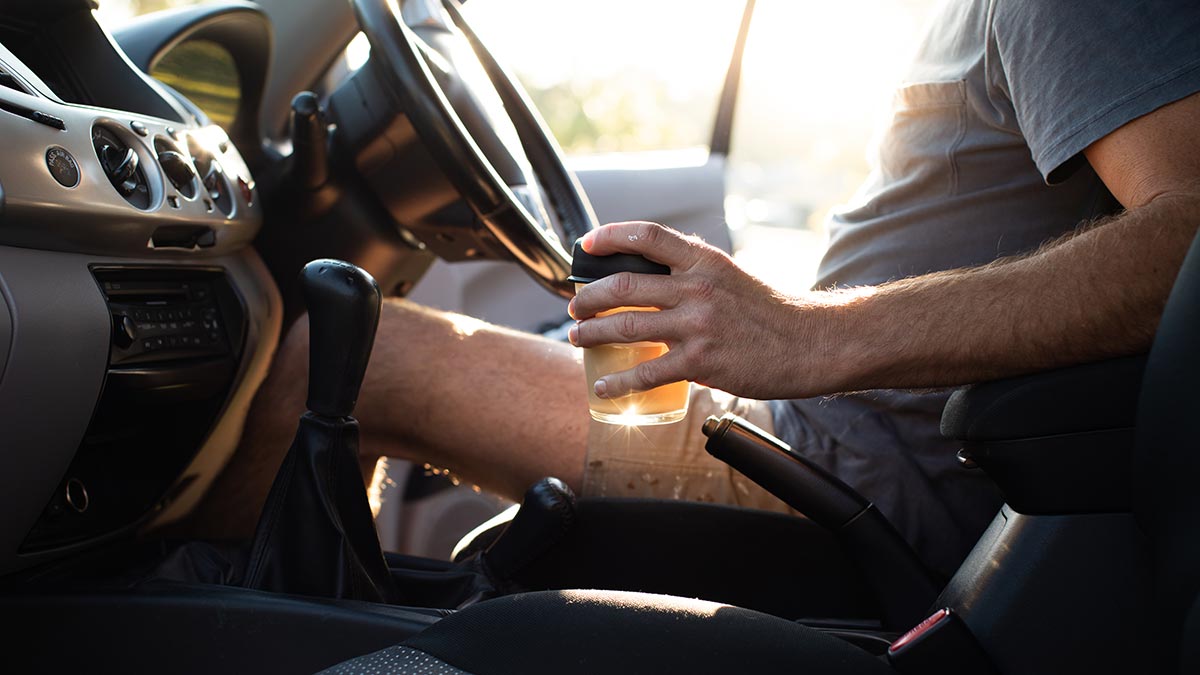
What not to leave in your car: items heat, sun and cold can damage
Heat, sunlight and temperature changes can damage everyday items left in your car. Find out what not to leave in a parked car and how to avoid melted, spoiled or unsafe belongings.
Your car might seem like a convenient place to store everyday items, but it is not designed to be a cupboard, pantry or medicine cabinet. On warm days, the temperature inside a parked car can rise quickly, while sunlight, humidity and cold snaps can also affect certain products and materials.
From melted lip balm and spoiled groceries to overheated electronics and warped sunglasses, leaving the wrong items in your car can lead to avoidable waste, mess and safety risks. Before leaving anything in the cabin, glovebox, centre console or boot, it is worth knowing what can be damaged inside your car.
For security reasons, it is also best to avoid leaving valuables visible in your car. See our guide on what not to leave in your car to help prevent theft.
A car’s interior can reach high temperatures very quickly, even on mild days.
Why parked cars can damage your belongings
A parked car can be exposed to extreme heat, direct sunlight, humidity, condensation and sudden temperature changes. Even if the weather outside feels mild, the interior of a parked car can become much hotter than the outside air, especially when it is parked in direct sun.
That makes a car a poor place to store temperature-sensitive items, pressurised containers, food, medicine and products that can melt, warp, leak or lose effectiveness.
More: How to keep your car cool in summer and stay safe
Electronics and batteries
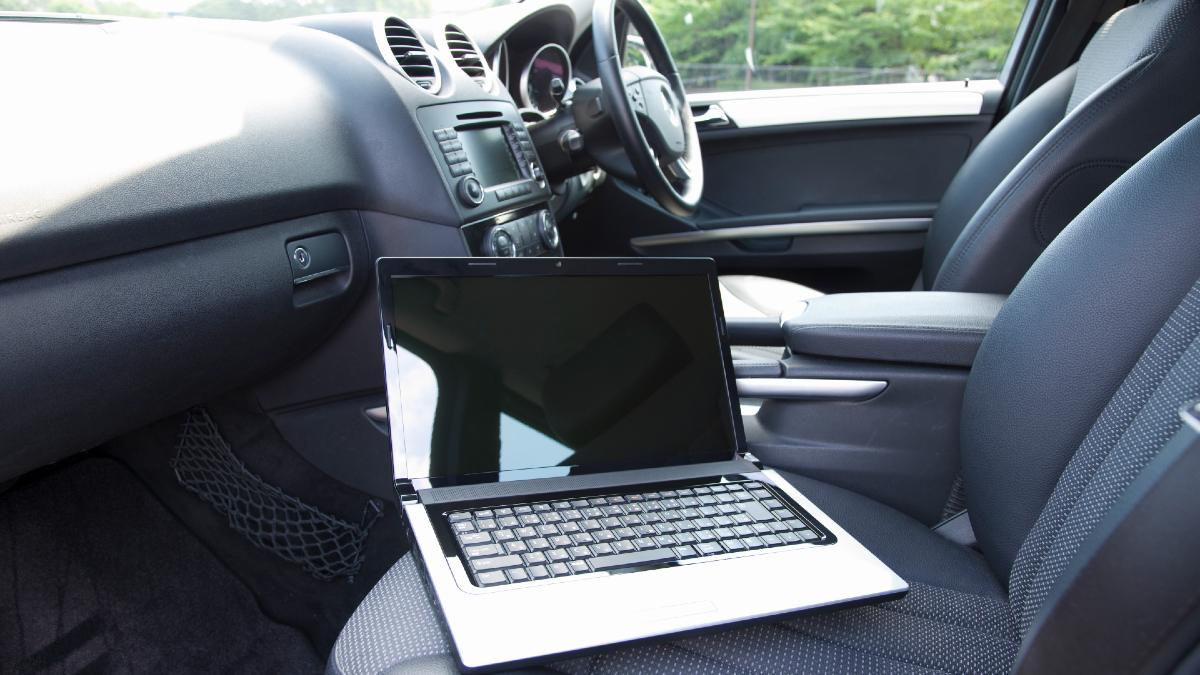
Phones, laptops, tablets, power banks, portable speakers and other battery-powered devices should not be stored in a hot car. High temperatures can affect battery performance, reduce charging efficiency and damage internal components. Devices with lithium-ion batteries can also pose a safety risk if they overheat or are damaged.
If an electronic device has become very hot inside the car, allow it to cool down before using or charging it. Avoid leaving devices in direct sunlight, on the dashboard or inside a parked car for extended periods.
Electronics can overheat if left in cars. Image: Getty
Medication and health products
Prescription medicine, over-the-counter medication, vitamins, contact lenses and some personal care products can be affected by heat, cold and moisture. Many medicines need to be stored within a recommended temperature range, and exposure to extreme conditions may reduce their effectiveness.
If you need to travel with medication, check the storage instructions and avoid leaving it in the car once you arrive. When in doubt, ask a pharmacist for advice about safe storage.
Aerosol cans and pressurised containers
Deodorant, hairspray, insect repellent, air freshener, spray paint and some cleaning sprays can become unsafe in high heat. As the temperature rises, pressure can build inside aerosol cans and other sealed containers, increasing the risk of leaks, rupture or damage to the car interior.
Check product labels for storage instructions and avoid keeping aerosols or pressurised containers in your car, particularly during warm weather.
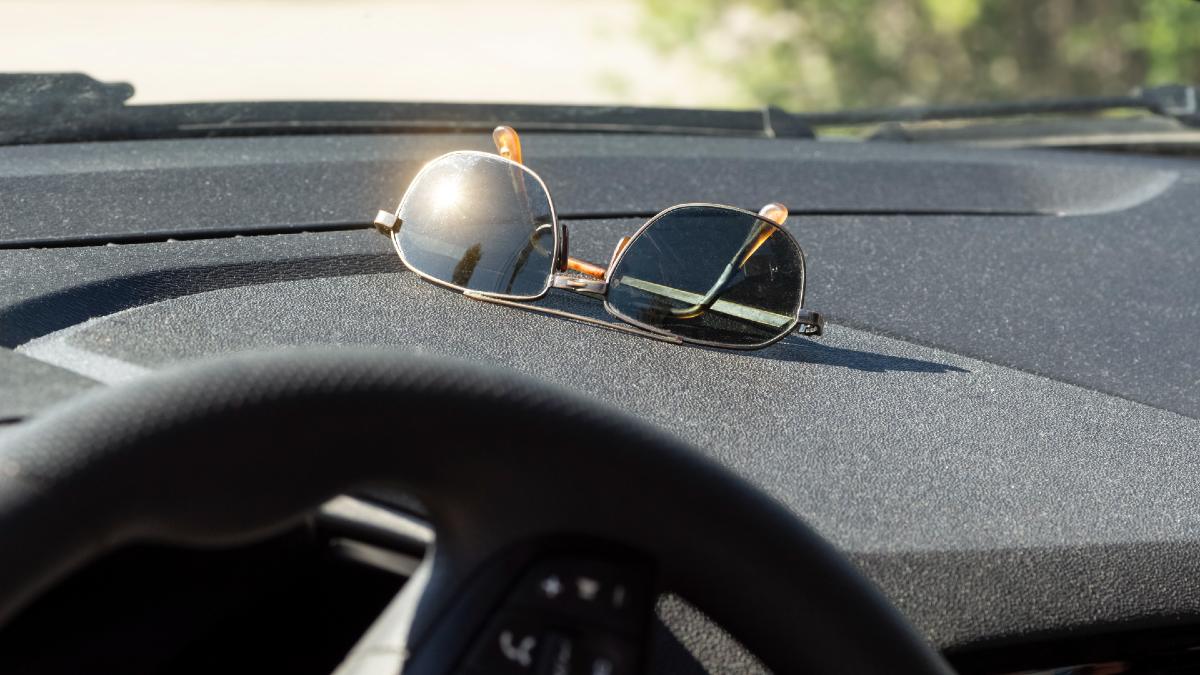
Sunglasses and glasses can have their frames warped in hot cars. Image: Getty
Sunscreen, makeup and skincare
Sunscreen, lip balm, makeup and skincare products can degrade, separate, melt or leak when exposed to high temperatures. Heat may affect sunscreen performance and can change the texture, smell or consistency of cosmetic products.
It is better to store these items in a bag that can be taken with you rather than keeping them in the glovebox, centre console or door pockets.
Food, drinks and groceries
Food and drinks can spoil quickly when left in a warm car. Dairy, meat, seafood, frozen items, baby formula, chocolate and pet food are particularly vulnerable to heat and should not be left in the car for longer than necessary.
Even sealed food and drink containers can leak, split or create odours if they become too hot. Use insulated bags for groceries and take temperature-sensitive items inside as soon as possible.
Glasses, sunglasses and plastic items
Prescription glasses, sunglasses, reusable water bottles, plastic lunchboxes and children’s toys can warp, crack or become misshapen in a hot car. Lenses and coatings may also be affected by prolonged exposure to heat and direct sunlight.
Avoid leaving glasses or sunglasses on the dashboard, where they are exposed to direct sun and high surface temperatures.
Documents, receipts and cards
Paper documents, receipts, tickets and cards can fade, curl, warp or become unreadable when exposed to heat and sunlight. Bank cards, membership cards, parking tickets and printed receipts may be damaged if left in the car for long periods.
Important documents should be stored safely at home or carried with you rather than kept in the glovebox as long-term storage.
Cup holders are handy, but don’t leave items that could melt or leak in them on a hot day. Image: Getty
Items that can melt, leak or stain your car interior
Some small everyday items can make a surprisingly big mess if they are left in a hot car. Pens, crayons, lipstick, candles, chocolate, glue, hand sanitiser and cleaning products can melt, leak or stain upholstery and interior surfaces.
Before parking, check the centre console, cup holders, door pockets and boot for items that could spill, soften or burst in heat.
What can you safely keep in your car?
While many everyday items should be removed from your car, it is still useful to keep a small number of practical essentials on hand. Consider carrying a basic first aid kit, a torch, a phone charging cable, a microfibre cloth, reusable shopping bags and your roadside assistance details.
If you keep water in the car for emergencies, replace it regularly and avoid leaving plastic bottles in direct sunlight. For security reasons, it is also best to avoid leaving valuables visible in your car.
The information provided is general advice only. Before making any decisions please consider your own circumstances and the Product Disclosure Statement and Target Market Determinations. For copies, visit racv.com.au. As distributor, RACV Insurance Services Pty Ltd AFS Licence No. 230039 receives commission for each policy sold or renewed. Product(s) issued by Insurance Manufacturers of Australia Pty Ltd ABN 93 004 208 084 AFS Licence No. 227678.

