Discover key insights on Victoria’s West Gate Tunnel, including essential facts, toll details, and travel benefits for drivers.
Motoring
Drink-driving laws in Victoria: penalties, limits and what you need to know
Drink driving poses a serious safety risk and significant penalties are imposed on offenders. These are the drink driving laws, BAC limits and penalties in effect in Victoria.
Drink driving remains one of the most significant contributors to Victoria’s road toll. According to the Transport Accident Commission, around one in five drivers killed on Victorian roads have a blood alcohol concentration (BAC) of 0.05 or above.
In an effort to make drivers think twice before getting behind the wheel under the influence of alcohol, tough penalties are placed upon motorists driving above the legal BAC limit.
These penalties include losing your licence, being required to maintain a BAC of 0.00 for at least three years, paying to have an alcohol interlock installed on your vehicles, and even a prison sentence.
"While most Victorians do the right thing, drink driving continues to be one of the Fatal Five and alcohol greatly increases the risk of being involved in a crash," says RACV's Head of Policy, James Williams.
"The penalties in place send a clear message to motorists that driving after drinking alcohol is just not worth the risk."
In this article
What is the legal blood alcohol limit in Victoria?
In Victoria, the legal BAC differs depending on your licence type and any other condition imposed upon it.
Fully licensed drivers
Motorists who hold a full licence without any additional conditions must have a BAC below 0.05. You must maintain a BAC below 0.05 on all public roads and private property, as well as when supervising a learner driver.
Which drivers can’t have any alcohol?
The following motorists must maintain a BAC of 0.00.
- Learner drivers (drivers on their L plates)
- Probationary drivers (drivers with either P1 or P2 plates)
- Any licence holder with a Z or I condition on it
- Restricted motorcycle riders (i.e. those with an E condition on their licence)
- Driving instructors
- Motorists driving a bus, taxi or other commercial passenger vehicle (e.g. an uber)
- Motorists driving a rigid or articulated truck greater than 4.5 tonnes GVM
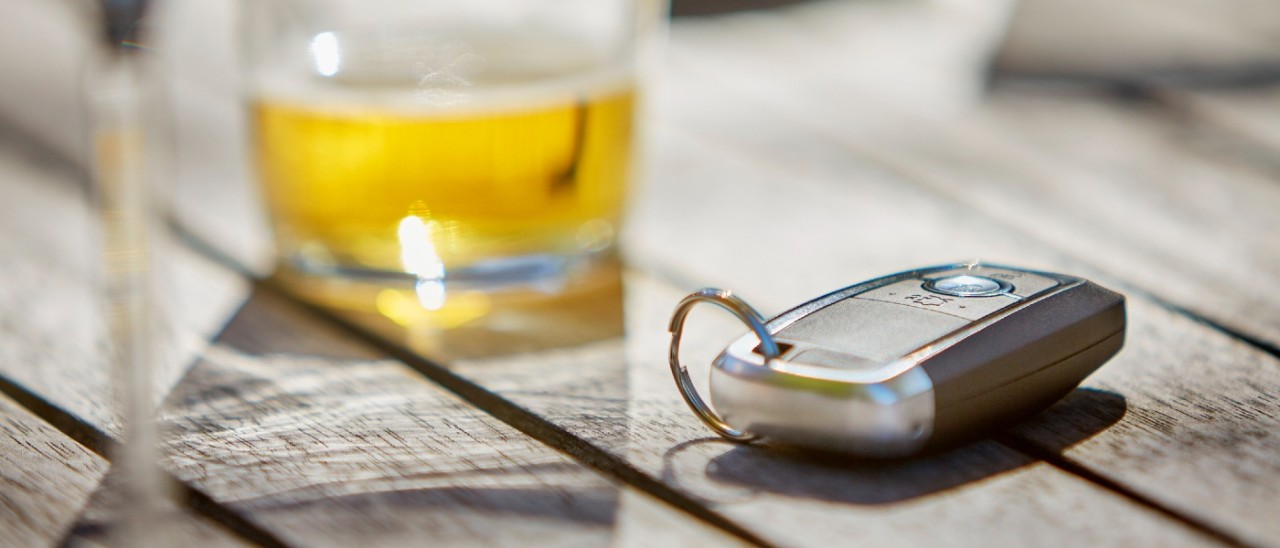
Victoria has some of the strongest penalties for drink driving in the country. Image: Getty
What are the penalties for drink driving in Victoria?
Every drink driving offender charged in Victoria receives, at a minimum, the following penalties:
- a heavy fine
- loss of licence (or learner permit)
- requirement to complete a drink driver behaviour change program
- disqualification from driving for at least three months
- have to get an alcohol interlock installed in their vehicle for at least six months
- drive with a BAC of zero for at least three years after successfully completing their court-mandated Alcohol Interlock Program.
Drink driving offences may also result in vehicle impoundment or, for serious cases, possible imprisonment. The exact penalties will depend on a range of factors, including BAC level, age and licence type.
Re-offenders may face heavier penalties than first-time offenders.
Drivers found with a BAC over zero during the mandated three-year period will also be considered re-offenders and will have to start the process again, including a licence disqualifiation period, interlock condition, and three-year zero BAC driving condition.
Read more: What every motorist should know about BAC and drink driving myths.
How do police test for drink driving?
The main way police test for drink driving is through random breath testing (RBT).
Police regularly set up roadside RBT stations where vehicles are directed to pull over for testing, but officers are also authorised to conduct RBT on any driver, at any time. You can also be tested after a collision or when supervising a learner driver.
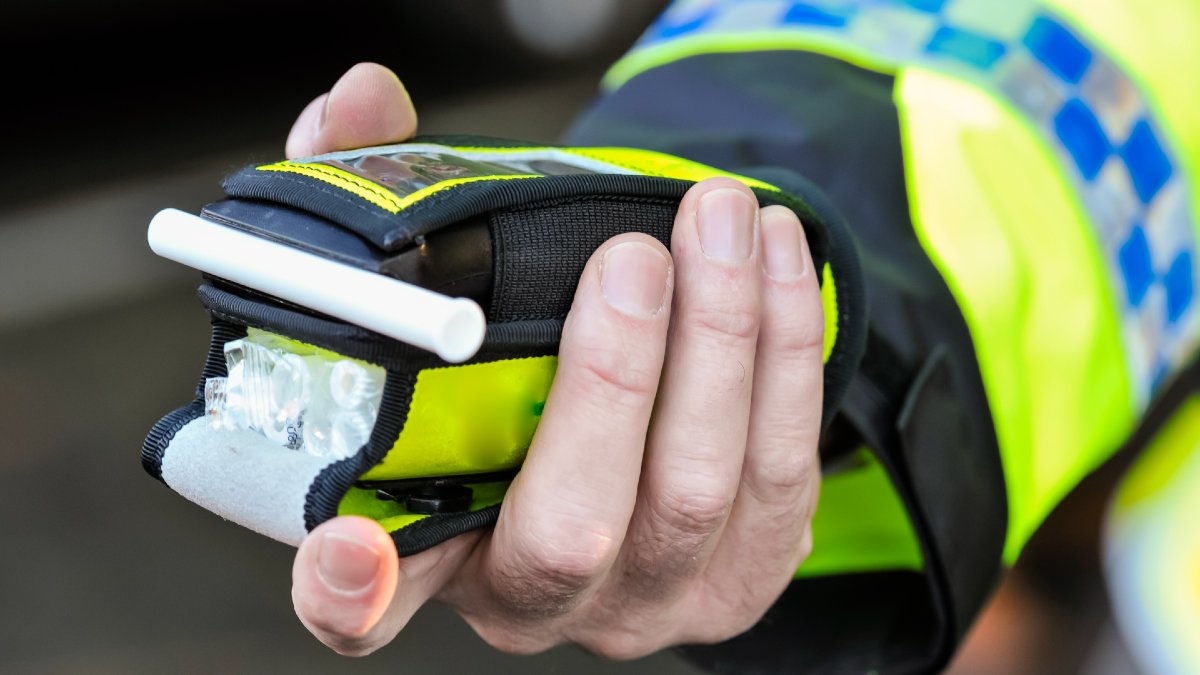
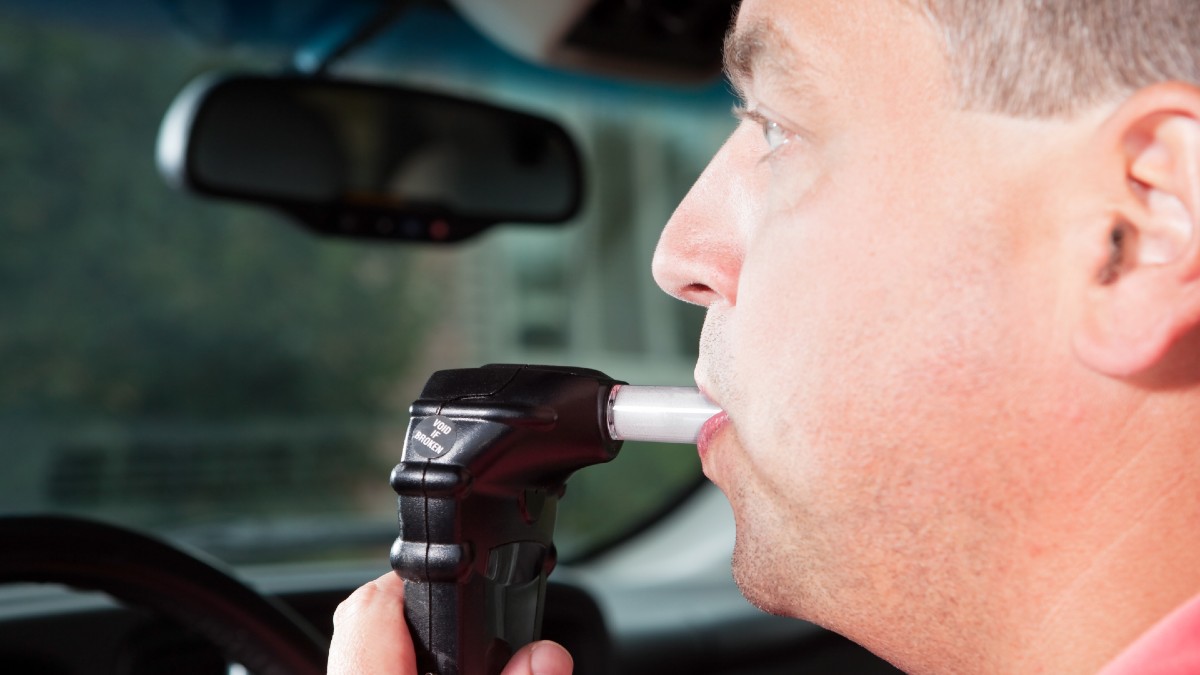
RBT involves blowing into a small device via a single-use, disposable mouthpiece. If the device detects a BAC above 0.05 (or 0.00 for certain drivers) you will be required to complete additional testing to confirm the result.
Drivers in Australia cannot refuse RBT when requested and significant penalties occur for doing so.
Under the new law, drink driving offenders must have an interlock device in their car for at least six months and up to four years depending on the severity of their offence. Image: Getty
How does drinking affect driving?
Driving may seem like second nature to seasoned drivers, but it's a complex task that requires high levels of concentration and decision-making. Here are the affects at each level of BAC, according to the Transport Accident Commission (TAC).
- 0.02 to 0.05 BAC - increased risk taking; decreased response to several stimuli; decreased ability to judge distances; decreased ability to see or locate moving lights.
- 0.05 to 0.08 BAC - impaired sensitivity to red lights; shorter concentration span; slower reactions; further decreased ability to judge distances. At 0.08 BAC, drivers are five times more likely to be involved in a crash.
- 0.08 to 0.12 BAC - overestimation of one's abilities leads to reckless driving; impaired peripheral vision; impaired perception of obstacles. At 0.12 BAC,drivers are up to 10 times more likely to have an accident.
How do I make sure that I am under the legal drinking limit?
There are many factors that can impact BAC readings, such as your age, sex, weight, fatigue levels and tolerance to alcohol. In other words, there is no accurate way to 'guess' your BAC if you've been drinking.
The safest way to know for sure that you are under the legal drinking limit is to not drive if you drink. Select a designated driver, look up public transport options, or book a taxi or rideshare car home.
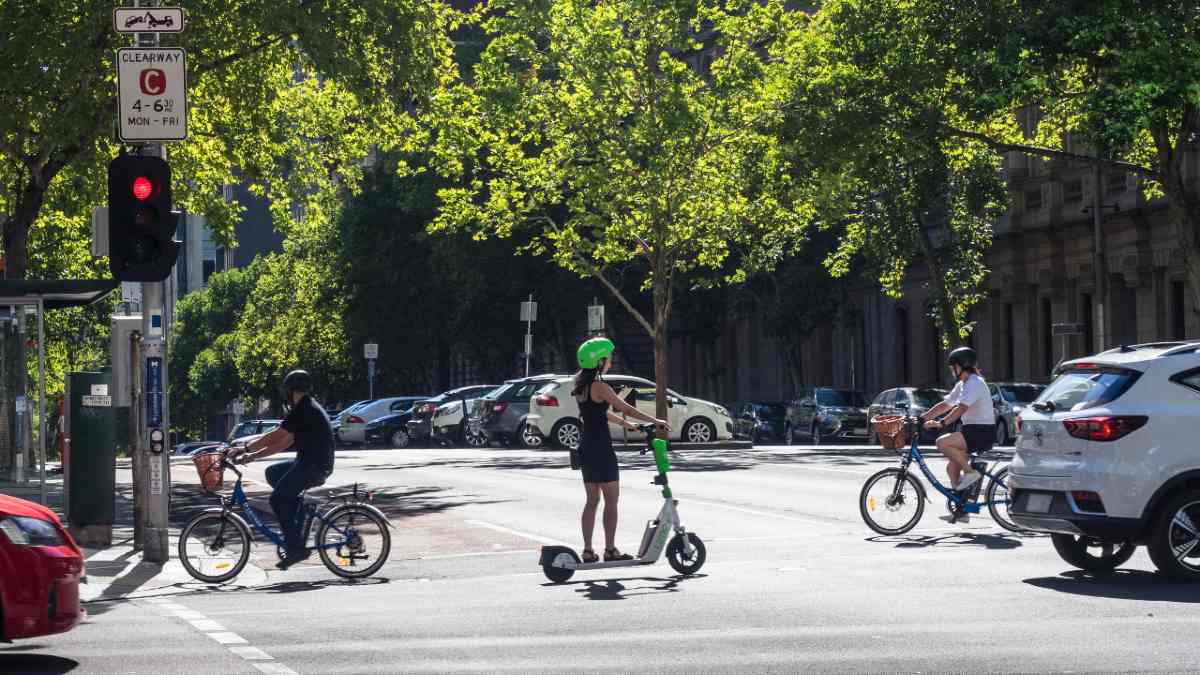
E-scooter riders must also maintain a BAC under 0.05 or face the same consquences as drink drivers. Image: Getty
Drivers in Victoria are not allowed to drink alcohol while driving, even if their BAC stays below 0.05.
You cannot drink alcohol if supervising or sitting next to a person learning to drive.
Passengers are otherwise not prohibited from drinking alcohol in a vehicle. However, their consumption of alcohol should be avoided as it can distract the driver.
E-scooter riders cannot drink while riding and must have a BAC below 0.05. Riders found with a BAC of 0.05 or above face the same drink driving penalties as a motorist (for example, loss of licence, a fine, and the installation of an alcohol interlock device).