
Cyclists aren’t the only ones who need to strap on a helmet. This is when, where and why you need to wear a helmet in Victoria, and how to choose the best one for you.
Safety
E-scooter frequently asked questions

Victoria's e-scooter laws: FAQs, speed limits & safety rules
Confused about Victoria's e-scooter laws? Find answers to common FAQs, including speed limits, helmet rules, where you can ride and safety tips.
Electric scooters (e-scooters) have become a common sight across Melbourne and regional Victoria, offering a convenient way to travel short distances and connect with public transport. Whether you're commuting to work, exploring a city or simply enjoying a weekend ride, it's important to understand the rules before you hop on.
Victoria has permanent e-scooter laws for compliant privately owned scooters and shared hire scooters, although shared hire schemes only operate in approved council areas. Breaking these rules can result in significant fines, while riding safely helps protect you and everyone around you.
Here's a comprehensive guide to riding an e-scooter legally and safely in Victoria.
E-scooter frequently asked questions
Are e-scooters legal in Victoria?
Yes, e-scooters are legal to ride in Victoria, as long as the rider follows the road rules and the e-scooter meets Victorian requirements. This applies to compliant privately owned e-scooters and shared hire e-scooters operating in approved areas.
To legally ride an e-scooter, you must:
- be at least 16 years old
- wear a properly fitted bicycle helmet
- ride at no more than 20km/h
- use a compliant e-scooter
- keep to approved areas if using a hired e-scooter.
- use flashing or steady front and rear lights, if riding at night or in low light
- follow Victorian road rules.
You do not need a driver's licence or vehicle registration to ride a compliant e-scooter. However, many of the same road rules that apply to motorists and cyclists also apply to e-scooter riders.
Victoria Police can stop e-scooter riders and may take enforcement action, such as conducting alcohol and drug testing, issuing fines and impounding privately owned e-scooters, if road rules are broken.
Where can you ride an e-scooter in Victoria?
Victoria road rules allow e-scooters on:
- shared-use paths
- bicycle paths
- roads with a speed limit of 60km/h or less.
You cannot ride an e-scooter:
- on footpaths
- on roads with speed limits above 60km/h
- on freeways or other prohibited roads
- in tandem (side by side).
Remember that while shared-use paths are permitted, pedestrians always have priority. Slow down when approaching walkers, children, pets and other path users.
What are the speed limits for e-scooters in Victoria?
The maximum riding speed for an e-scooter in public is 20km/h, regardless of whether you're riding on a bike path, shared path or eligible road.
Travelling faster reduces your reaction time and increases stopping distance, making crashes more likely and injuries more severe.
Many shared hire e-scooters automatically reduce their speed in busy pedestrian areas using GPS technology.
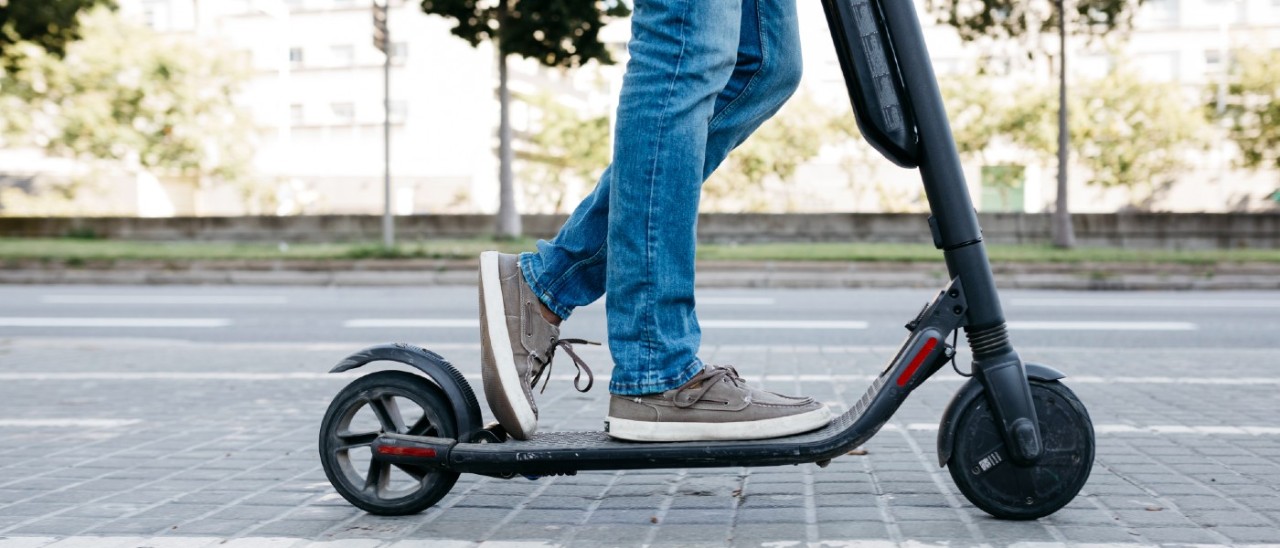
E-scooters are subject to certain laws in Victoria - make sure you know them before you ride. Image: Matt Harvey
Do you need a licence to ride an e-scooter in Victoria?
No. A driver's licence isn't required to ride a compliant e-scooter, but alcohol and drug offences can affect your driver's licence.
Can children ride e-scooters?
No. Riders must be at least 16 years old to legally ride an e-scooter in Victoria.
Do you have to wear a helmet on e-scooters?
Yes. Wearing a securely fitted bicycle helmet is mandatory every time you ride an e-scooter in Victoria. Failing to wear one can result in a substantial fine.
A properly fitted helmet should:
- sit level on your head
- fit snugly without moving
- have the chin strap securely fastened.
Many riders also choose to wear gloves, enclosed shoes and protective clothing to reduce injuries if they fall, although this isn't a legal requirement.
More: Helmet rules for bikes, scooters and skateboards in Victoria
Can you ride with a passenger on e-scooters?
No. E-scooters are designed for one person only.
It is illegal to carry:
- another person
- a child
- a pet or other animal.
Extra weight affects steering, braking and stability, increasing the risk of losing control. Both the rider and passenger may receive fines.
Can you use your phone while riding e-scooters?
No. You must not hold or use a hand-held mobile phone while operating an e-scooter.
If you need navigation, set your route before you begin riding or use a securely mounted phone that allows hands-free operation where permitted.
Staying focused on your surroundings is one of the simplest ways to reduce your risk of a crash.
More: Understanding mobile phone and portable device road rules in Australia
Can you ride an e-scooter after drinking alcohol?
Victoria's drink driving laws also apply to e-scooter riders, which means you must have a Blood Alcohol Concentration (BAC) under 0.05 while riding an e-scooter.
It is also an offence to drive under the influence of an illicit drug or to drive while impaired by any drug, whether it is legal or illicit, according to the TAC website.
If you're caught riding under the influence of alcohol (over 0.05 BAC) or drugs, you may face the same consequences as a motorist, including:
- significant fines
- driver's licence cancellation or disqualification
- alcohol interlock requirements in some cases.
If you've been drinking, leave the e-scooter behind and find a safe way home.
More: Drink-driving laws in Victoria - penalties, limits and what you need to know
Can you ride an e-scooter in the rain?
Yes, but extra caution is needed. Wet roads reduce grip and increase braking distances, making falls more likely. Reduce your speed and avoid sudden braking or sharp turns.
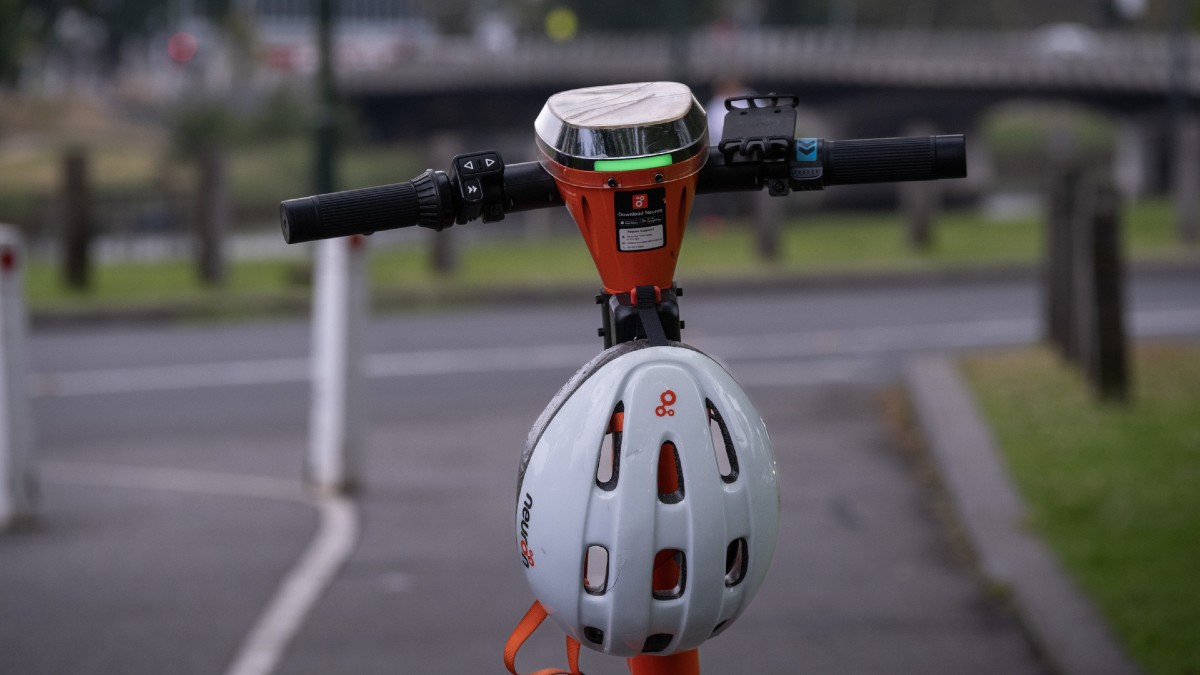
You must wear a helmet when you ride an e-scooter. Image: Getty
What makes an e-scooter legal?
Not every electric scooter sold online can legally be ridden on Victorian roads or paths.
A legal e-scooter must meet Victorian requirements, including:
- maximum speed capability of 25km/h
- maximum weight of 45kg
- designed for one rider only (standing or seated)
- two wheels (one in front of the other)
- a footboard between front and rear wheels
- steered by a handlebar.
An e-scooter capable of travelling faster than 25km/h is treated as an unregistered motor vehicle and cannot legally be ridden in public.
Are rental and privately owned e-scooters subject to the same rules?
Yes. The same road rules apply regardless of whether you're riding your own e-scooter or using a shared hire service. Shared hire operators may also have additional conditions for where you can start or end your trip.
How can you stay safe while riding e-scooters?
Even if you're following the law, safe riding habits can greatly reduce your risk of injury.
Good safety practices include:
- slowing down around pedestrians and intersections
- keeping both hands on the handlebars
- using front and rear lights at night or in low-light conditions
- checking your brakes and tyres before riding
- avoiding headphones that reduce awareness of traffic
- watching for tram tracks, potholes and slippery surfaces
- making eye contact with drivers before crossing intersections
- parking responsibly in a location that doesn't pose a safety hazard or disrupt pedestrians
- being aware of lithium-ion battery safety to avoid fire risks.
Wet roads, loose gravel and painted road markings can all reduce tyre grip, so take extra care during winter or after rain.
More: What causes lithium-ion battery fires and how to prevent them
What are the penalties for breaking e-scooter laws?
Victoria has introduced significant penalties for unsafe e-scooter behaviour. Penalty values are outlined on Transport Victoria's website.
Depending on the offence, riders may receive fines for:
- riding under 16 years of age
- riding a non-compliant scooter
- riding without a helmet
- riding on a footpath
- carrying a passenger
- exceeding the 20km/h speed limit
- using a mobile phone
- riding on prohibited roads
- drink or drug riding.
For serious offences (riding an e-scooter under the influence of drugs or alcohol above 0.05 BAC), you could lose your driver's licence.
The safest approach is to treat an e-scooter like any other vehicle on the road: know the rules, ride predictably and stay alert.
If you are interested in reading more about e-scooter road rules in Victoria, they are published in the Road Safety Road Rules 2017, with some specific e-scooter rules listed in Part 15.
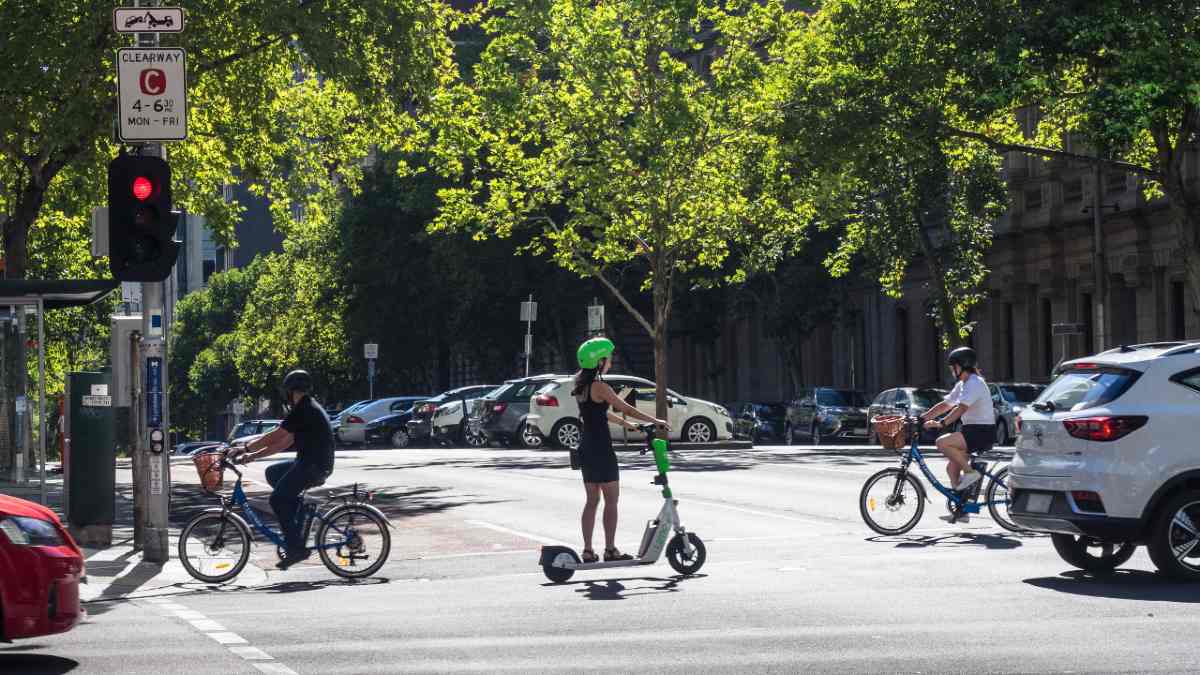
Unsafe e-scooter behaviour can result in fines. Image: Getty
Are e-scooters safe?
E-scooters can be a convenient way to travel short distances, but like any form of transport, they come with risks. Crashes are more likely when riders travel too fast, ride near pedestrians, use phones, carry passengers, ride under the influence, or don’t wear a helmet.
To reduce your risk, follow the road rules, slow down in busy areas, keep both hands on the handlebars, use lights in low-light conditions and ride to the conditions.
What is RACV doing about e-scooter safety?
RACV is funding new research to better understand e-scooter and e-bike injuries in Victoria and help inform future safety education and policy.
The multi-centre project, led by the Royal Melbourne Hospital, is collecting information from six sites: the Royal Melbourne Hospital, Ambulance Victoria, the Alfred Hospital, the Royal Children’s Hospital, Grampians Health Ballarat and St Vincent’s Hospital.
RACV Head of Policy James Williams says the research will help build a clearer understanding of why e-scooter and e-bike injuries are occurring, including whether factors such as rider behaviour, road conditions or the type of e-scooter or e-bike involved may contribute to crashes.
RACV wants everyone to be safe on the road, regardless of how they choose to travel. The research is expected to be published in the second half of 2026 and could help guide future awareness campaigns and safety measures for e-scooter and e-bike riders, pedestrians and other road users.

