
Ensure your dog's safety and comfort when driving and parked by following these road and animal welfare laws.
Car Safety
The rules for driving safely in tunnels in Victoria
Melbourne is home to several road tunnels transporting millions of vehicles every year. Learn how to drive safely in tunnels and what to do if your car breaks down.
Victorians have been using road tunnels to traverse Melbourne for more than two decades.
Constructing tunnels for motor traffic can help ease congestion, decrease travel times and even help reduce impacts on the local environment.
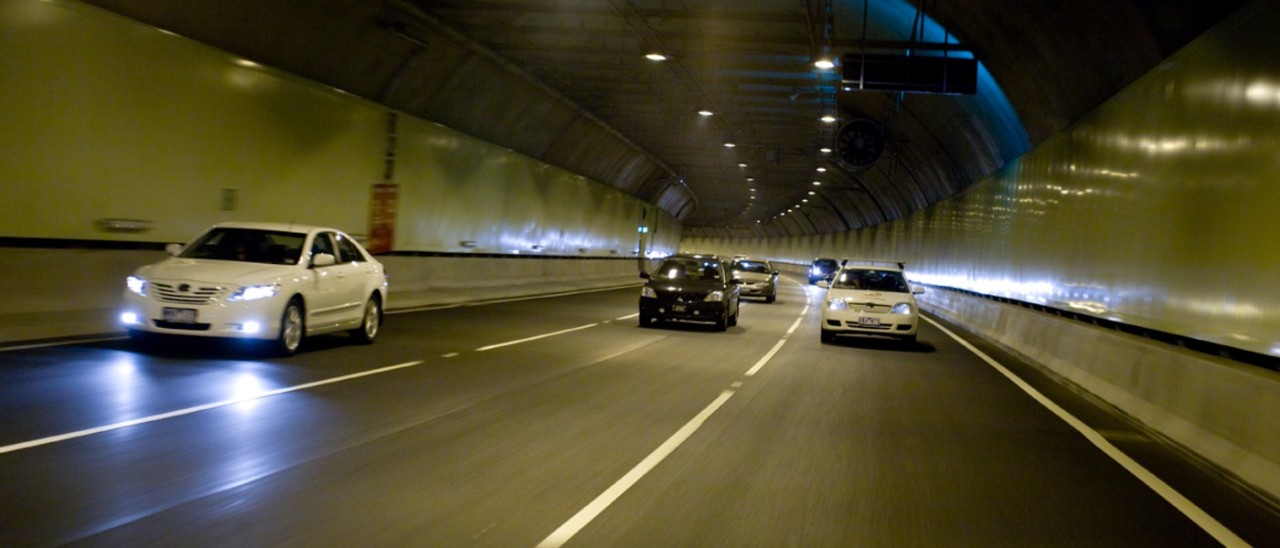
However, tunnels are by their very nature a confined space with reduced visibility and limited airflow. Stringent tunnel safety systems help manage these conditions, while drivers can further reduce risk by adjusting their behaviour by slowing down, increasing following distance, and staying alert.
Do you use tunnels in Melbourne regularly? Here are the road rules about driving in tunnels in Victoria, as well as safety tips and what to do in an emergency.
In this article
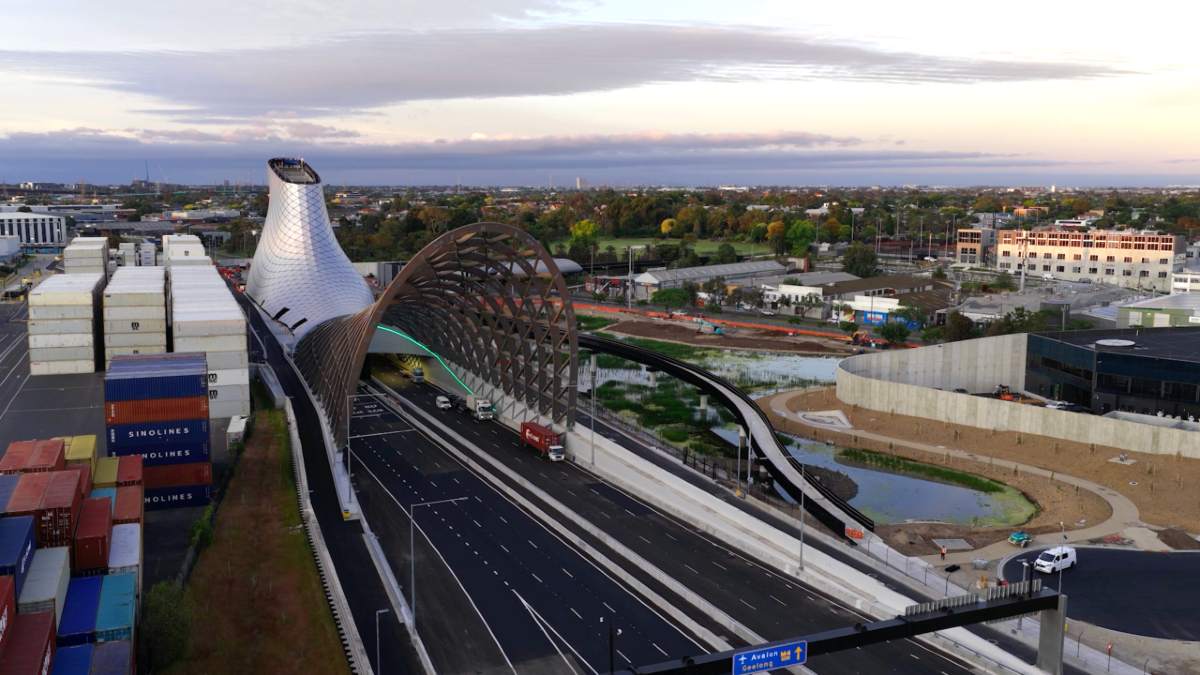
The West Gate Tunnel opened in December 2025 and features twin tunnels named Eureka and Bundawanh. Image: courtesy of Victorian Infrastructure Delivery Authority.
How many road tunnels exist in Victoria?
There are six road tunnels currently in operation in Victoria, ranging from 1.6km to 4km in length. They are:
- Burnley Tunnel (CityLink eastbound)
- Domain Tunnel (CityLink westbound)
- Mullum Mullum Tunnel (EastLink eastbound)
- Melba Tunnel (EastLink westbound)
- Bundawanh Tunnel (West Gate Tunnel eastbound)
- Eureka Tunnel (West Gate Tunnel westbound)
All road tunnels in Victoria exist within greater Melbourne and require a toll to use.
Read more: Everything you need to know about the new West Gate Tunnel.
Are there any tunnels under construction in Melbourne?
The ongoing North East Link project includes the construction of two twin tunnels connecting the M80 Ring Road to the Eastern Freeway. Once completed, these tunnels will be the longest in Victoria at 6.5km in length.
The tunnel boring machines began work for this project in 2024 with the tunnels expected to be finished in 2028.
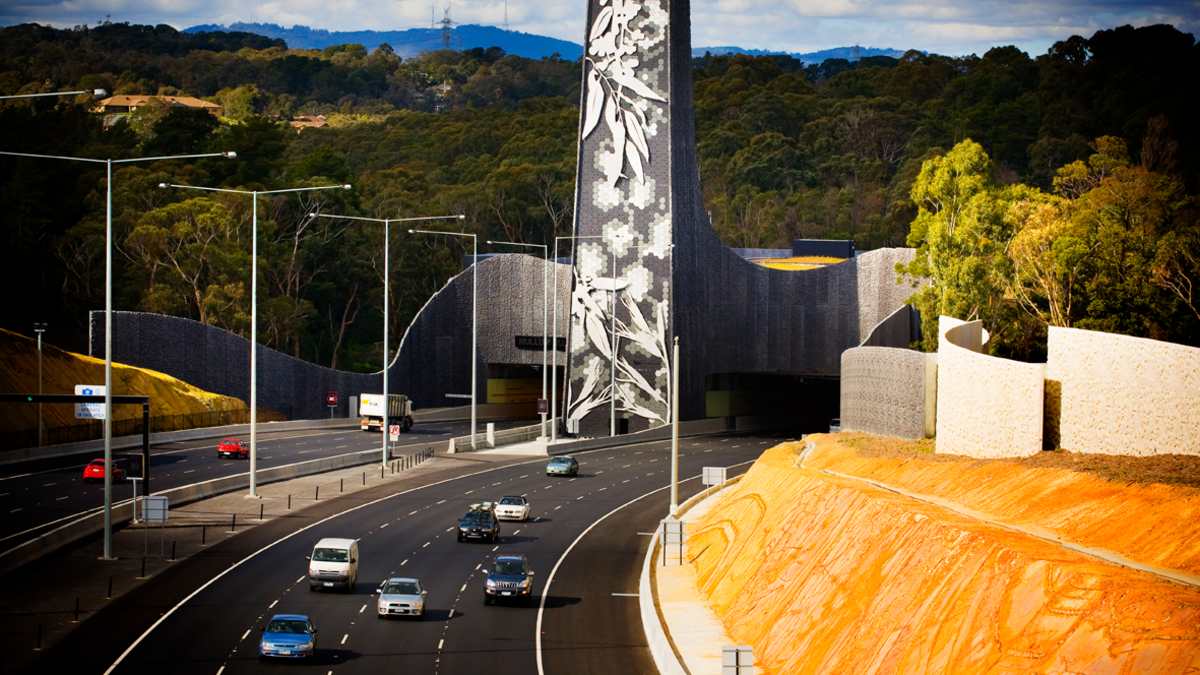
Melbourne is home to six road tunnels currently, with two more under construction as part of the North East Link project. Image: courtesy of EastLink
The road rules for driving in tunnels in Victoria
The same road rules apply when driving on road tunnels as they do for other roads in Victoria.
However, some additional rules and restrictions also apply. These include:
A driver must not stop in a tunnel or underpass unless:
- the road within the tunnel or underpass is at least as wide as the road on each approach; or
- a parking control sign permits stopping at that place.
Essentially this means that motorists are prohibited from stopping in a tunnel or underpass that is narrower than the road they approached on, unless a parking control sign indicates otherwise.
Read more: How to read and understand parking signs in Victoria.
Cyclists and pedestrians cannot travel by road tunnel in Victoria.
Bike riders and pedestrians (as well as e-bike and e-scooter riders) are prohibited from using urban freeways in Victoria, as well as the CityLink, EastLink and West Gate Tunnel toll roads. This effectively bans them from using tunnels.
Read more: The Victorians road rules all pedestrians should know.
Vehicles prohibited from travelling in tunnels in Victoria
For safety reasons, certain types of vehicles are not allowed to use tunnels in Victoria. These include:
- Placarded loads (i.e. vehicles required by law to display a dangerous goods placard)
- Mopeds (i.e. two- or three-wheeled motor vehicles with an engine cylinder capacity of 50cc or less)
- Tractors
- Vehicles or loads above 4.6m in height
- Vehicles carrying commercial quantities of dangerous goods
Can motorcyles use tunnels?
Motorcylists are permitted to use road tunnels in Victoria. A motorcycle is defined by Transport Victoria as "a two wheeled motor vehicle with an engine cylinder capacity exceeding 50ml (50cc) or a maximum speed exceeding 50km/h".
Motorcyclists can benefit from following the general safety advice recommended to motorists using tunnels in Victoria, such as turning on their headlights, keeping a safe following distance and avoiding lane changes. Other motorists should likewise stay alert to motorcyclists, who may not be as visible as other vehicles.
While they are permitted in tunnels, some motorcyclists avoid using tunnels (especially at peak times) due to the increased heat, noise and exhaust they are exposed to more directly than a motorist in an enclosed vehicle.
What do I do if my car breaks down or is involved in a collision in a tunnel?
Breakdowns and collisions are stressful at any time, let alone while driving through a tunnel.
First, don’t panic – all major road tunnels in Victoria have 24/7 monitoring, and incident response teams arrive swiftly, often within minutes of the incident occurring.
Always prioritise your safety and that of your passengers in the event of a breakdown or collision.
Exit the tunnel or pull over safely
Try to drive out of the tunnel. If that’s not possible, pull over in an emergency stopping lane or breakdown bay. As a last resort try to stop in the left or right-hand lane. Turn off your car.
Switch your lights and radio on
Turn on your car’s hazard lights and radio, as the control room can use it to share emergency information with you.
Stay in your vehicle
Remain in your car with your seatbelt on. Chances are that monitoring systems have already logged the incident and help is on the way. Once the car is stationary, you can call for help on 13 33 31 (Citylink and West Gate tunnels) or 03 9955 1550 (EastLink tunnels) from your mobile. There are emergency phones located within the tunnels but your safest option is to remain in your car.
Know when and how to evacuate
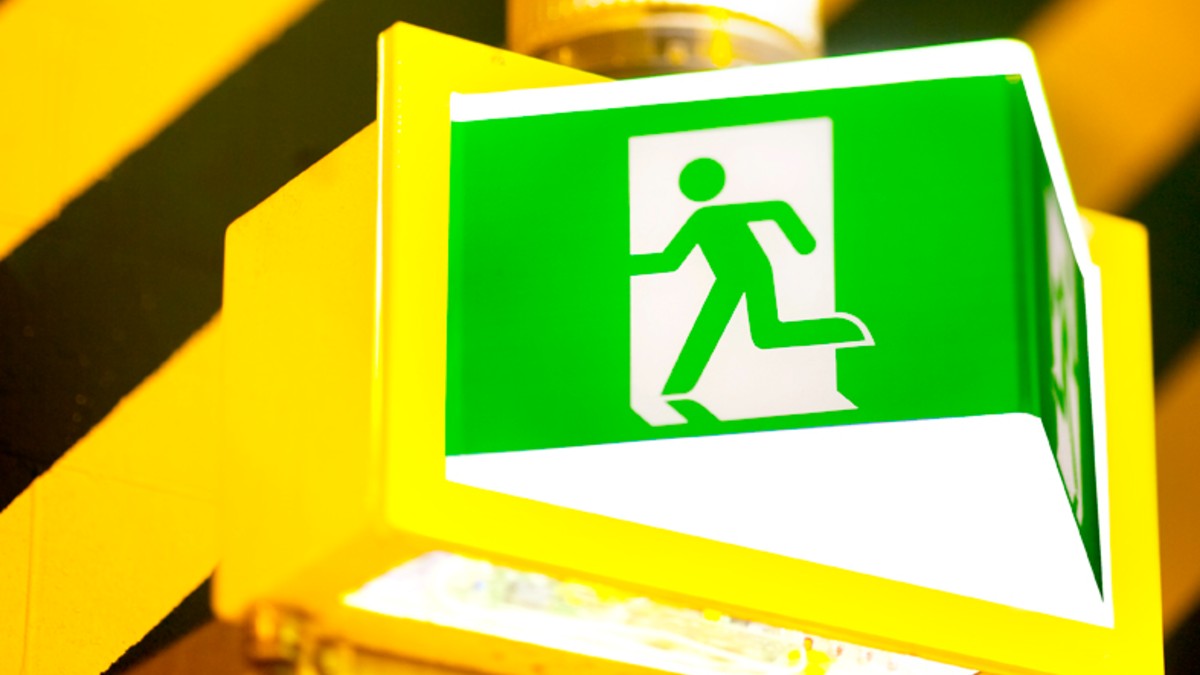
Only exit your vehicle if there’s a fire or the control room tells you to evacuate. When evacuating, exit your car from the doors furthest from traffic. Follow the flashing lights and running man symbols to locate a safe exit point.
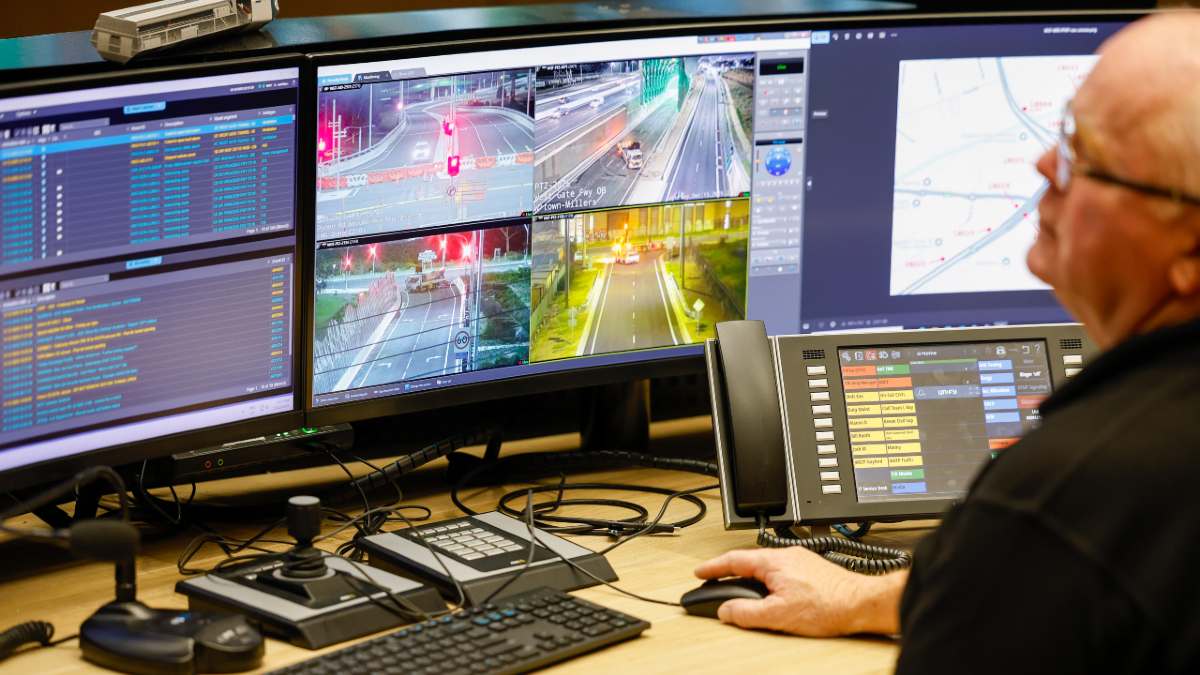
Tunnels are monitored constantly so that incident crews can respond as soon as possible. Image: courtesy of West Gate Tunnel
Fire safety when driving in tunnels
It’s important to know how to respond in case of an emergency in a tunnel, such as if a fire breaks out. Tunnels have fire suppression systems in place to assist fire fighters in extinguishing any fires that may break out.
What to do if a fire starts while you’re driving in a tunnel
If you can, continue driving until you’ve exited the tunnel. If you can’t exit the tunnel, pull over and park in the left-hand lane.
Turn on your hazard lights and turn off your engine.
Exit your vehicle via the doors furthest from oncoming traffic (usually the passenger side).
Call for help using either your mobile (13 33 31 for CityLink/West Gate or 03 9955 1550 for EastLink) or one of the emergency phones located along the tunnel wall.
If you feel unsafe exit the tunnel by following the running man symbols and flashing lights to an emergency exit door.
What to do if you’re told to evacuate
If instructed to evacuate the tunnel due to an emergency, turn off your car’s engine but leave the keys in the ignition (it allows emergency personnel to move the vehicle if need be).
Evacuate by moving away from any smoke or fire and towards the nearest exit or cross passage. Passageways will be illuminated.
Do not remain in your vehicle if told to evacuate. If you need help, turn on your hazard lights and call for assistance.
What to do if you see smoke when approaching a tunnel
Do not enter a tunnel if you see smoke or are otherwise warned of a fire inside the tunnel. In the event of a serious incident or emergency, boom gates may also descend to block vehicles from entering the tunnel.
Turn on your radio. Stop outside the tunnel and obey any instructions from tunnel staff or emergency services. Instructions may also be broadcast via your car radio or a public address system.
Look for illuminated running man signs if told to evacuate from a tunnel, as they indicate an emergency exit. Image: courtesy of EastLink
Safety tips for driving in tunnels
Driving in tunnels is safe. However, motorists can improve their safety by adhering to the following safety tips.
- Turn on your radio
- Turn on your headlights (your low beams, not your high beams)
- Remove non-prescription sunglasses
- Avoid entering tunnels if you're running very low on fuel
- Close your windows and turn on recirculated air
- Avoid changing lanes
- Keep a safe following distance from other vehicles
- Secure any loads before entering the tunnel
- Pay attention to any signs, including variable speed signs, throughout the tunnel
What to do if there is traffic congestion when in a tunnel
Where possible, check for your route for any incidents that could cause congestion prior to starting your journey.
If you end up stuck in traffic in a tunnel, stay calm and be patient. Turn on your radio, close your windows and turn on recirculated air. Stay alert to your surroundings and other vehicles, including any overhead signs displaying traffic instructions. Avoid changing lanes and do not drive in lanes marked by a red cross (even if they seem empty).
Transurban, who operates all of Melbourne’s road tunnels, recommends motorists switch on their regular headlights or low beams when driving through a tunnel to improve visibility. You should avoid using high beams, as they can dazzle other drivers. Many modern cars have light sensors that automatically turn on low beams when entering a tunnel.
You should avoid changing lanes in a tunnel unless necessary.
Find out more about what the law says about merging and overtaking in Victoria.
Tunnels in Victoria do have speed cameras and motorists must obey all speed signs present, including variable speed signs.
The moving lights on the walls in tunnels such as the Burnley Tunnel are called ‘pacing’ or ‘pacemaker’ lights.
These lights exist to help motorists keep a consistent speed in tunnels, especially where a steep incline exists. Transurban reports that trips through the tunnel became 10 per cent faster in the firsts 12 months of the lights being installed in the Burnley Tunnel.
Where pacing lights exists, motorists should maintain speed with them if safe to do so. Stay alert to your surroundings and continue to keep a safe following distance from other vehicles.
For further advice, visit the RACV guide to road rules.
The information provided is general advice only. Before making any decisions please consider your own circumstances and the Product Disclosure Statement and Target Market Determinations. For copies, visit racv.com.au. As distributor, RACV Insurance Services Pty Ltd AFS Licence No. 230039 receives commission for each policy sold or renewed. Product(s) issued by Insurance Manufacturers of Australia Pty Ltd ABN 93 004 208 084 AFS Licence No. 227678.

