We've recently reviewed and updated our Privacy Charter, which describes how we use cookies and other technologies to understand and improve your browsing experience. By using our site, you agree to us collecting this information and to our Privacy Charter.
You’ll be sent the latest news, exclusive offers and competitions to your inbox.
Motoring
Hook turns explained: how to do a hook turn safely in Melbourne
RACV
April 02, 2026
Confused by hook turns? Learn how to do a hook turn safely in Melbourne with step-by-step instructions, rules, tips and common mistakes to avoid.
If you've ever driven through Melbourne's CBD, you've likely encountered one of the city's most distinctive traffic manoeuvres: the hook turn.
If a hook turn is signposted, motorists must perform a hook turn and cannot turn right from the right lane. While it can seem counterintuitive at first, the hook turn is designed to improve traffic flow and reduce conflicts between trams, cars and pedestrians.
Understanding how hook turns work (and when you're required to use them) is essential for safe and confident driving in Victoria. Whether you're a local or visiting Victoria, mastering hook turns will help you navigate Melbourne's streets more safely and efficiently.
It's important to have patience and empathy for others performing a hook turn. An RACV poll found that 44 per cent of Victorian respondents feel hook turns are the most challenging driving practice on Victorian roads.
Learn how to perform a hook turn | RACV
What is a hook turn?
A hook turn is a right-hand turn made from the far-left lane of an intersection, rather than the right lane.
If a hook turn sign is present, instead of turning right immediately when the lights change, drivers must move into the left lane, enter the intersection, and wait until the traffic lights for the street they're turning into turn green. Only then do they complete the turn.
Hook turns are primarily used in Melbourne's inner city to keep right lanes clear for trams and reduce congestion.
Why does Melbourne use hook turns?
Hook turns exist for several practical reasons:
To prioritise trams
Melbourne has the world's largest tram network, and trams often travel along the centre of the road. If cars were allowed to turn right from the right lane, they would block tram lines and disrupt services.
Research from the Public Transport Research Group (PTRG) at Monash University estimates that having hook turns at intersections can save trams 11.25 to 15.64 seconds at each hook turn intersection. Without these time savings, more trams would be needed on the roads - at an estimated cost of between $15 million and $25 million.
To improve traffic flow
By moving turning vehicles out of the right lane, hook turns help keep through traffic moving more efficiently.
To enhance safety
Hook turns reduce the risk of collisions between turning vehicles, oncoming traffic and pedestrians crossing the road.
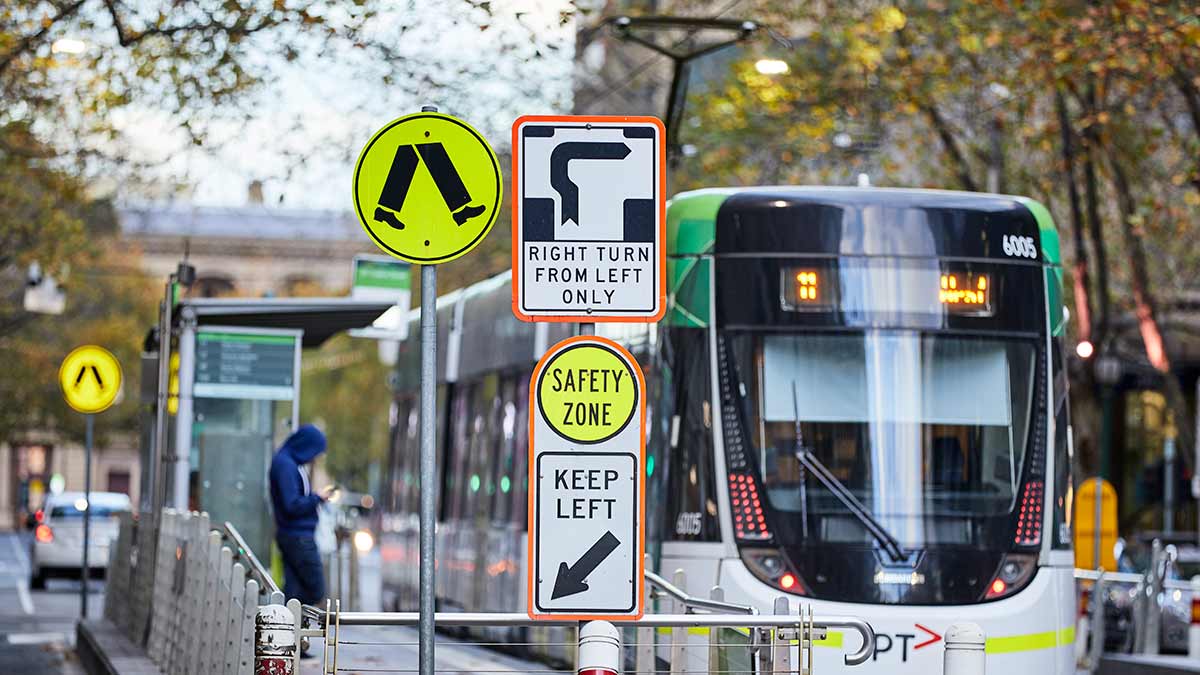
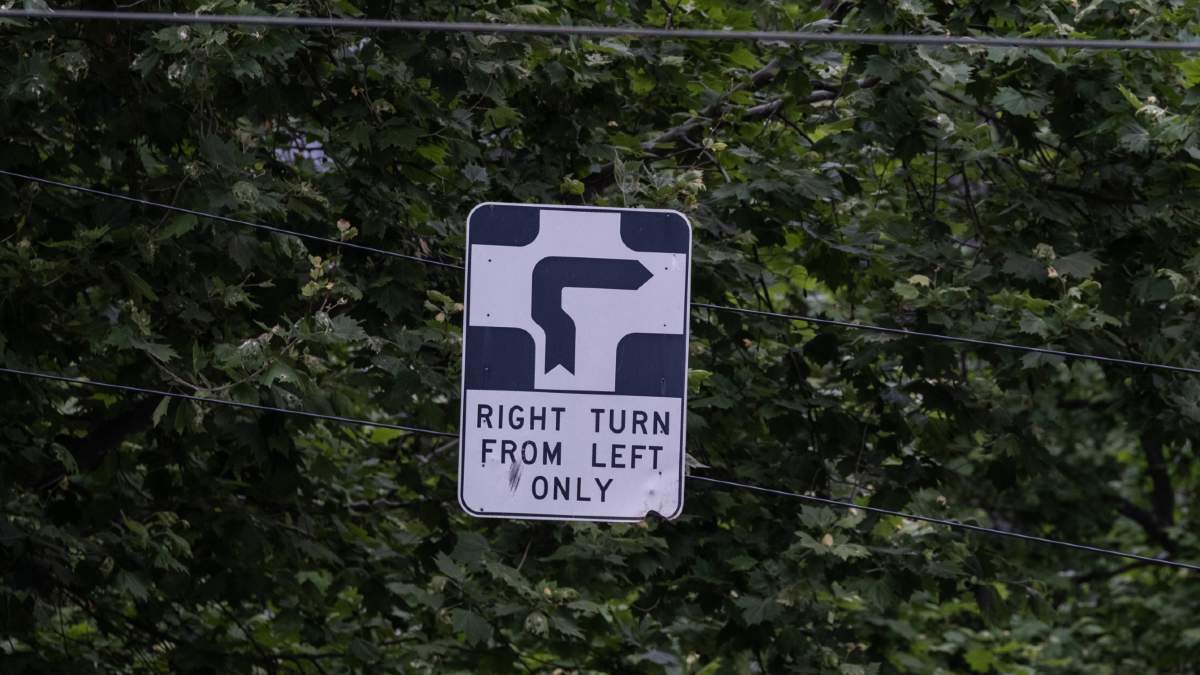
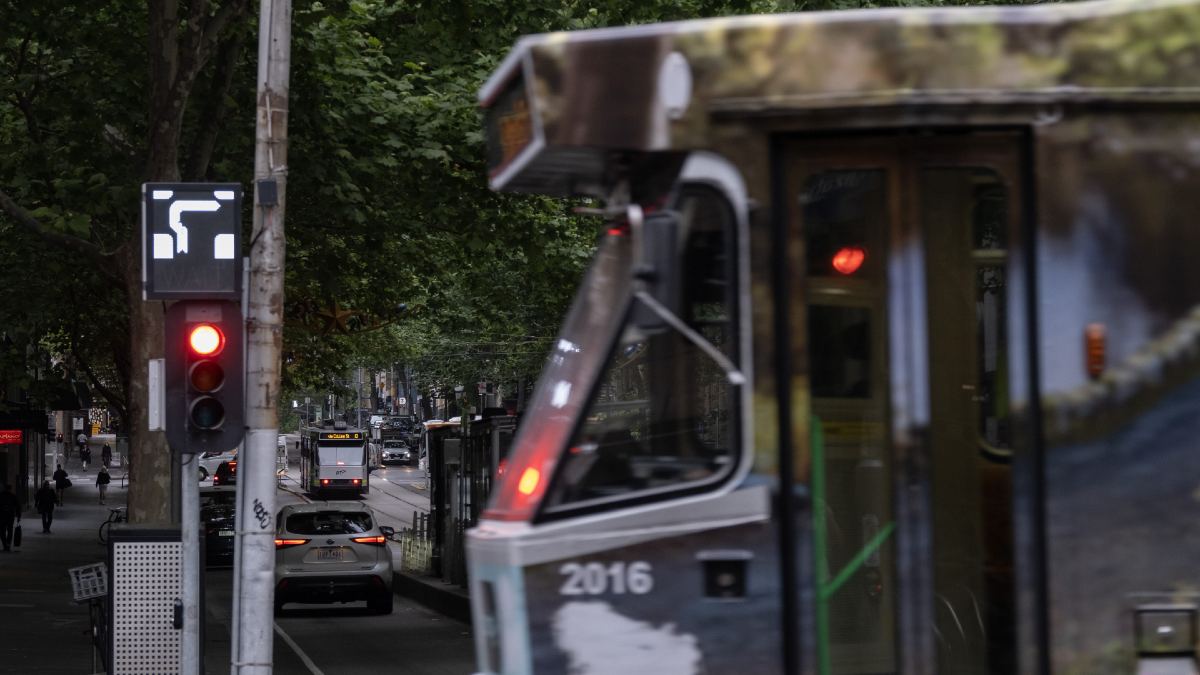
Look out for the distinctive hook turn sign when driving in Melbourne's CBD. Images: Matt Harvey
This sign instructs drivers to make a right turn from the far left-hand lane.
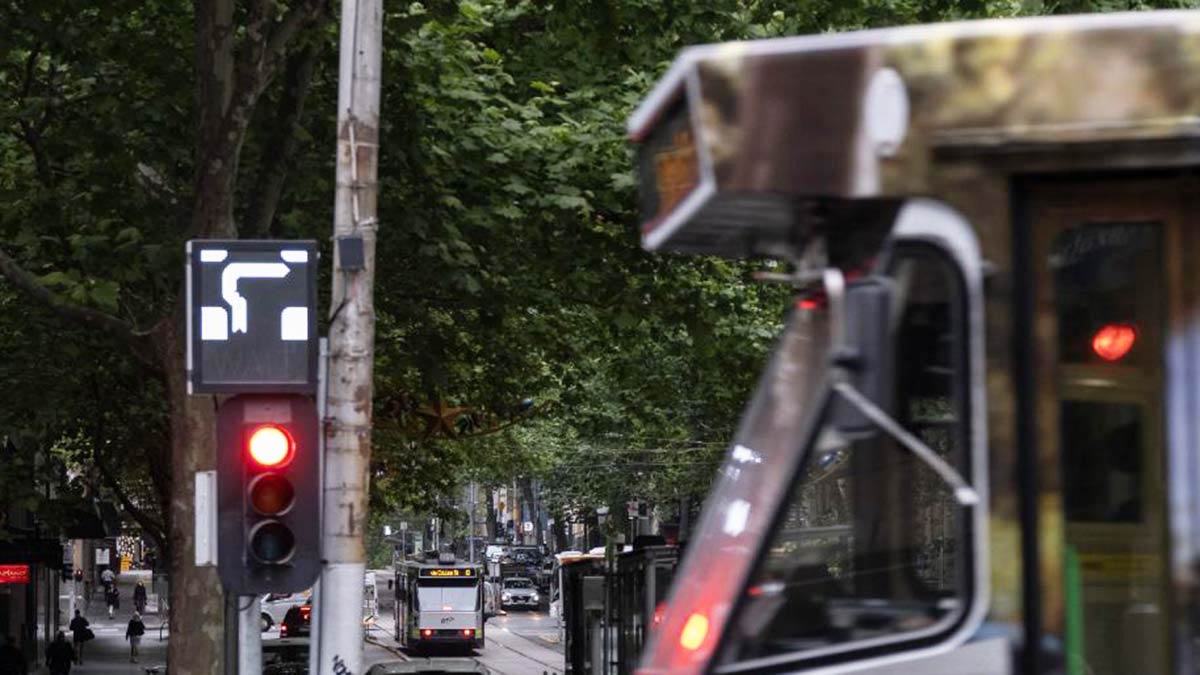
An illuminated traffic sign for a hook turn in Melbourne's CBD.
1 of 3
Are hook turns unique to Melbourne?
Although they're rare to find outside of Melbourne, hook turns used to be standard across Australia.
Up until the 1930s, it was normal to turn right from the left-hand lane in cities including Sydney and Adelaide. The hook turn was slowly phased out in these cities from 1939 onwards, with the unique turn being scrapped in favour of turning from the right lane.
Victoria, of course, didn't remove hook turns entirely when it began to phase them out in the 1950s. The rule to turn right from the left lane remained in place (and remains in place to this day) at intersections where tram lines cross.
Where are hook turns required?
Hook turns are only required at intersections where clearly indicated by signs reading 'right turn from left only'.
These are most commonly found in Melbourne's CBD and inner suburbs, particularly along major tram corridors such as Swanston Street, Collins Street and Bourke Street. There are also three intersections on Grattan Street in Carlton with hook turns introduced in 2024, even though there are no trams there - that's because there is a single lane and a right-turn would block through traffic.
If there is no sign, you should perform a standard right-hand turn.
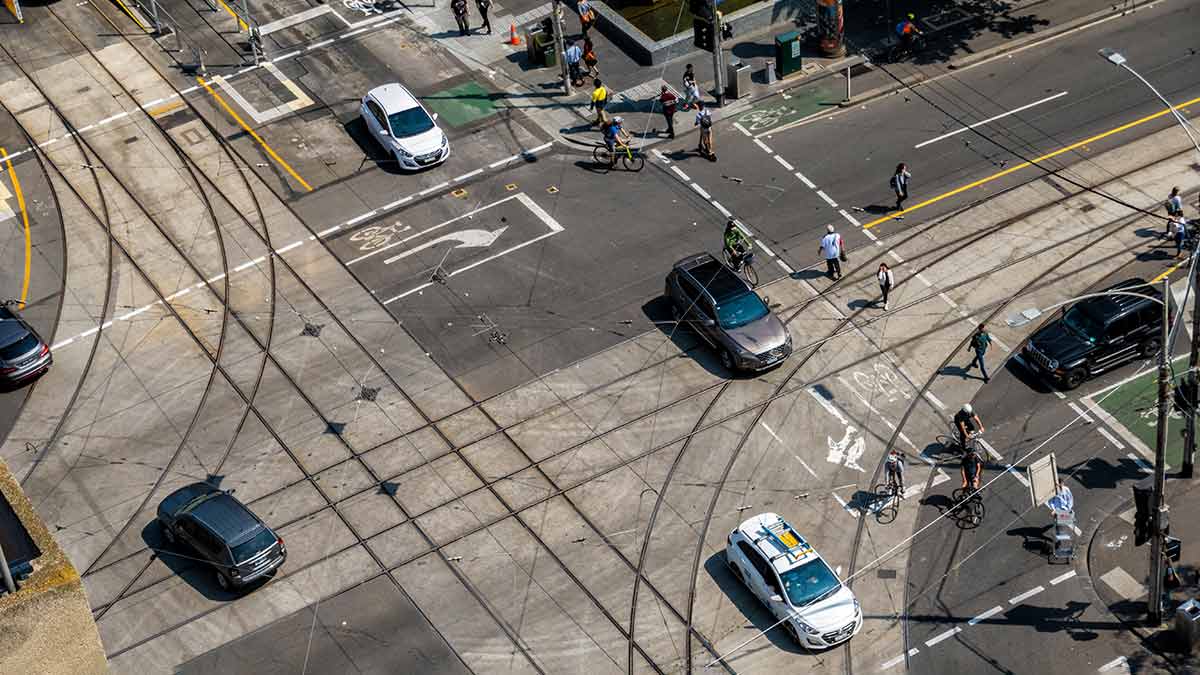
An aerial view of a hook turn road marking beside a bike lane, in the far-left lane of an intersection. Image: Getty
How to do a hook turn: step-by-step
Hook turns might seem intimidating if you've never done one, but they're easier than you might think. Follow these steps:
1. Approach in the left lane
As you near the intersection, move into the far-left lane (unless road markings indicate otherwise). Look for signs showing a hook turn is required.
2. Enter the intersection on a green light
When the traffic light turns green, drive forward into the intersection.
3. Position your car correctly
Move as far left as possible within the intersection, keeping clear of pedestrian crossings.
If hook turn lines are marked, follow them.
If there are no markings, stop near the far side of the intersection, facing straight ahead (not angled).
Watch for bike riders on both sides, including those travelling through or setting up for a hook turn.
4. Wait for the next signal change
Remain stationary while traffic flows around you. Wait for the traffic lights of the street you’re turning into to change.
5. Complete the turn
When the traffic lights of the street you’re turning into change to green, check for pedestrians and other vehicles, then turn right and proceed as normal.
If you’re the second car waiting to hook turn: Wait until the car in front moves off, then complete your turn. Do not turn at the same time as the first car.
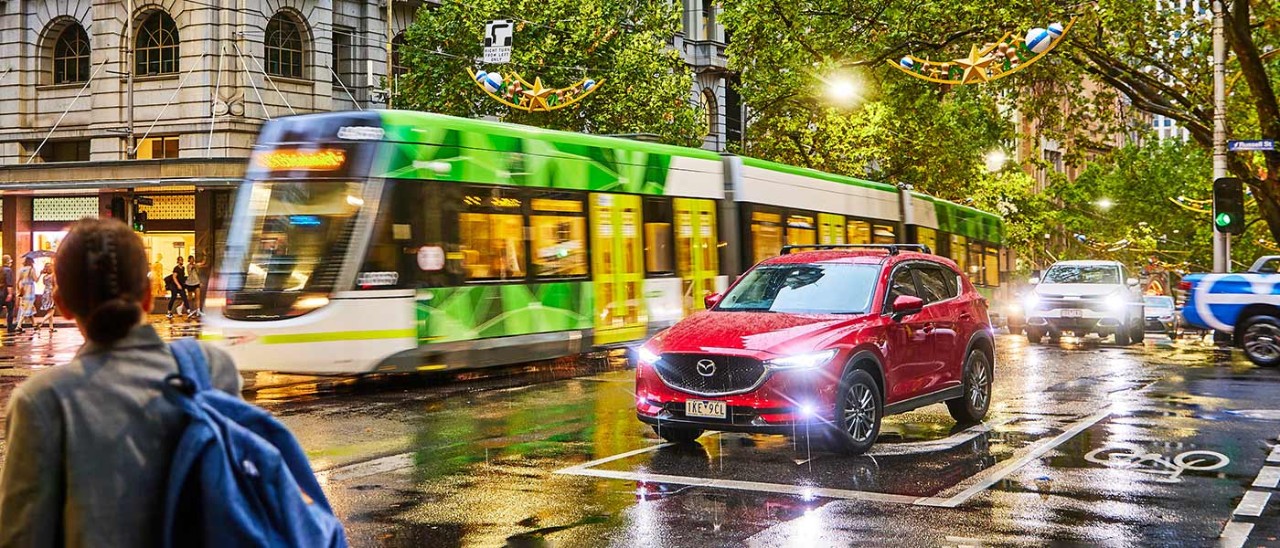
Hook turns can save trams travel time at intersections. Image: Matt Harvey
Common hook turn mistakes to avoid
Even experienced drivers can get hook turns wrong. Here are some frequent errors:
Turning too early
Some drivers mistakenly turn right as soon as they enter the intersection. This defeats the purpose of the hook turn and can cause dangerous conflicts with oncoming traffic.
Positioning incorrectly
Stopping too far into the intersection or at an angle can block traffic or create confusion for other drivers.
Ignoring pedestrians
Failing to give way to pedestrians is both unsafe and illegal. Always check crossings before completing your turn.
Hesitating too long
While caution is important, excessive hesitation can disrupt traffic flow. Be ready to move as soon as the lights change.
When should you avoid a hook turn?
You should not attempt a hook turn if:
there is no sign requiring it
road markings indicate a different turning method
traffic conditions make it unsafe (e.g. a blocked intersection).
In these situations, follow standard turning rules or consider an alternative route.
Can motorcylists use hook turns?
Yes - motorcyclists should use hook turns just like a car would.
Can bike riders use hook turns?
Under the Australian Road Rules, it's legal for bike riders to make a hook turn at any intersection unless otherwise specified. It's often safer for cyclists than merging across multiple lanes of traffic. The process is similar: move into the left side of the intersection, wait, then proceed when the lights change.
The information provided is general advice only. Before making any decisions please consider your own circumstances and the Product Disclosure Statement and Target Market Determinations. For copies, visit racv.com.au. As distributor, RACV Insurance Services Pty Ltd AFS Licence No. 230039 receives commission for each policy sold or renewed. Product issued by Insurance Manufacturers of Australia Pty Ltd ABN 93 004 208 084 AFS Licence No. 227678.
Want more articles like this?
Subscribe to RACV News for advice on cars, safety, home and travel.