
Whether you’re considering a capsule, convertible or booster, these are Australia’s safest and easiest-to-use baby, toddler and child car seats for 2025.
Car Safety
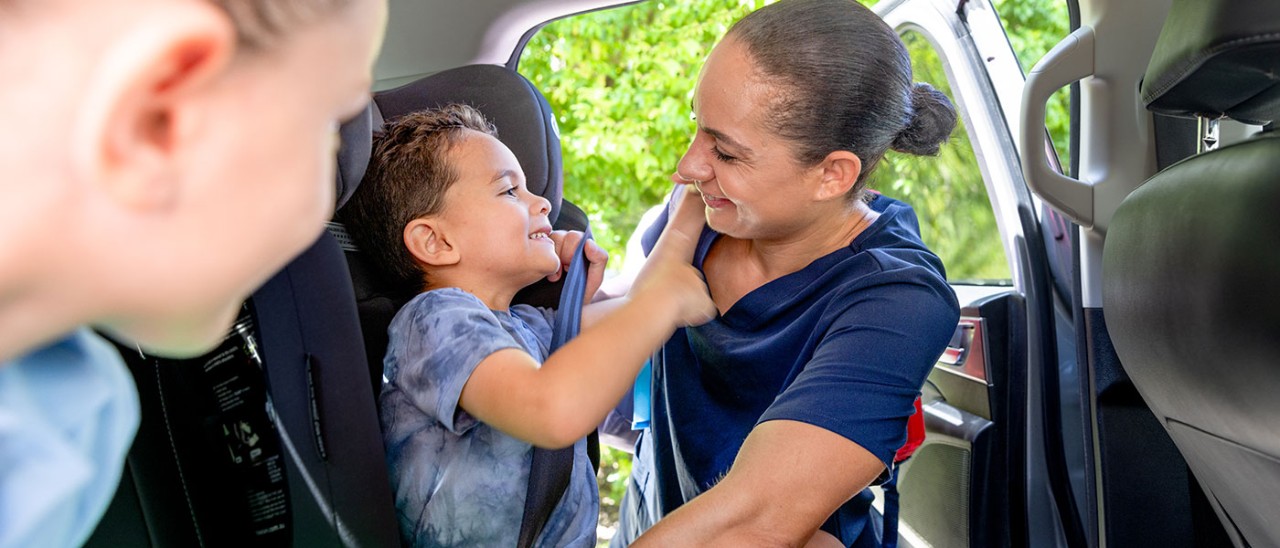
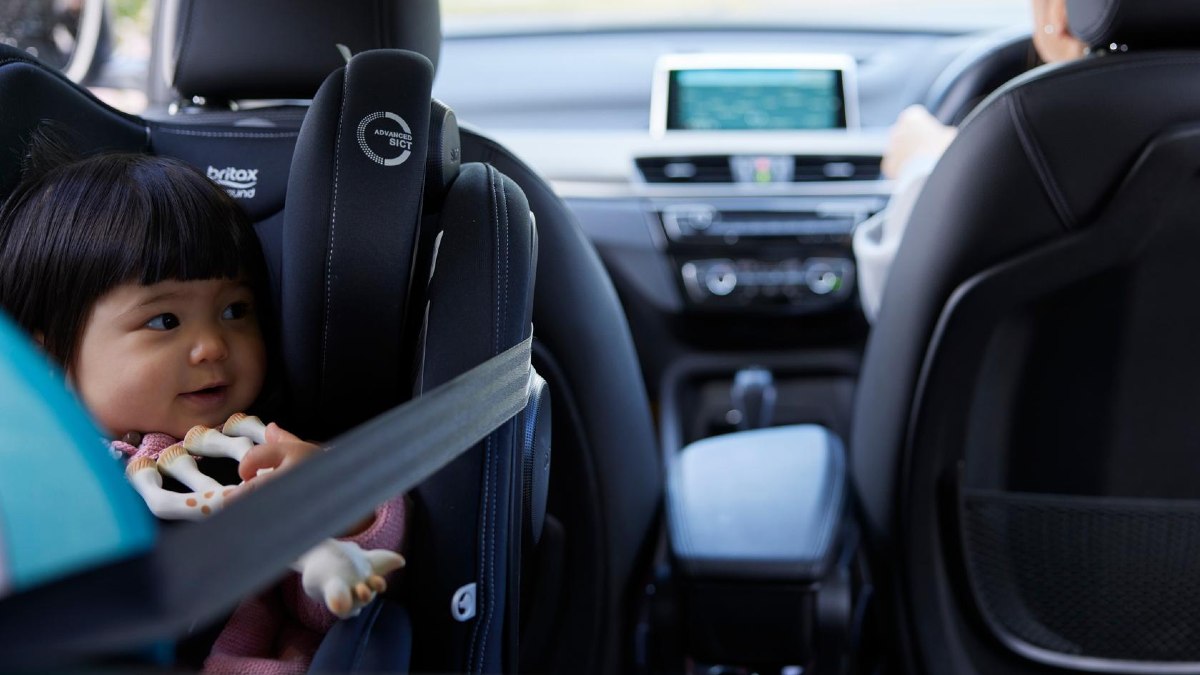
Booster seat laws in Victoria: rules and safety tips
Many children need to use booster seats for longer than you might think. Here’s what Victorian laws say, the best safety practices and how to tell when your child is ready for an adult seatbelt.
Using an appropriate, approved and correctly installed child car restraint is one of the best ways of keeping your children safe in cars.
Most parents and carers don’t think twice about placing their babies, toddlers or preschoolers in a car seat. But when it comes to older children, many may be moved out of their booster seat before it’s safe to do so.
"While legally children can use an adult seatbelt from age seven, the best-practice guidelines recommend they remain in a booster seat until they have outgrown it and can achieve a correct fit in an adult seatbelt,” says RACV Head of Policy James Williams.
"This often doesn't happen until a child is between 10 and 12 years old.”
Guide to booster seats in Victoria
What are the booster seat laws in Victoria?
Children aged four to seven years old must use either an approved booster seat or forward-facing child restraint when travelling in Victoria.
Children using booster seats can be secured either with a child safety harness or the vehicle’s in-built lap-and-sash seatbelt.
Children aged seven to 16 must use either a booster seat or an adult, lap-and-sash seatbelt.
It is recommended that children remain in a child restraint or booster seat until they have outgrown it, regardless of their age. Refer to the Five Step Test below for more information about when a child is ready for an adult seatbelt.
Appropriate child car seats by age
| Child's age | |
|---|---|
|
Birth to six months |
Rearward-facing child car seat |
|
Six months to four years* |
Rearward-facing or forward-facing child car seat |
|
Four to seven years |
Forward-facing child car seat or booster seat |
|
Seven to 16 years |
Booster seat or adult seatbelt |
*Note that while babies can legally use a forward-facing child car restraint from six months, it is safest that they use a rearward-facing restraint for as long as possible.
Rear-facing restraints provide better head, neck and spine support in the event of a crash. Many approved child car seats in Australia enable children to remain rear-facing for two to three years depending on the child’s size.
It's recommend children remain in a rearward-facing child car seat for as long as possible.
Best types of booster seats
Booster seats are available as either a:
- Single-purpose booster seat
- Combination forward-facing restraint and booster seat
Both types are available in models that are safe and comply with the Australian safety standards. For the best protection, choose a booster seat that comes with head and side protection and a top tether.
Ensure you have correctly installed the seat or use a professional child car seat installation service – Kidsafe has previously reported that 9 in 10 child car restraints in Victoria are incorrectly installed or used.
The Child Restraint Evaluation Program (CREP) is an independent body that regularly tests child car seats in Australia. While all child car seats sold commercially in Australia must meet the national safety standards, the CREP ratings can help you further determine the best child car or booster seat, with seats rated on both their safety and ease-of-use factors.
According to CREP, these are the best booster seats in Australia for 2025.
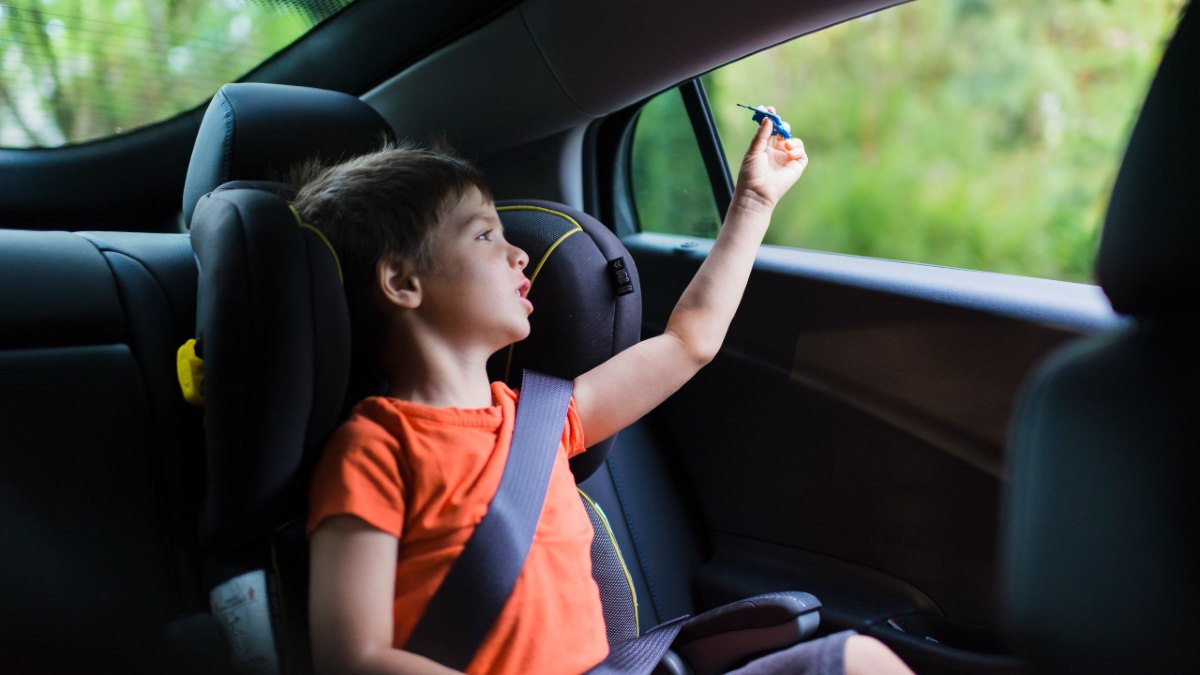
Children aged four and above should use either a forward-facing restraint or booster seat. Image: Getty.
When should a child start using an adult seatbelt
Children cannot use an adult seatbelt without a booster seat until they are at least seven years old.
They should continue using a booster seat until they can pass the Five Step Test. Depending on the size of your child, this might not be until they are 10, 11 or even 12 years old.
The Five Step Test
- Does my child sit with their back flat against the seat?
- Do my child's knees bend comfortably at the edge of the seat?
- Does the belt cross the shoulder properly between the child’s neck and arm?
- Is the lap belt as low as possible and touching my child’s thighs?
- Can my child stay seated comfortably like this for the whole trip?
What are the penalties for not using a booster seat?
Drivers in Victoria must ensure all passengers, including children under 16, are correctly using an appropriate seatbelt, child car restraint or booster seat when travelling in the car.
The penalty for failing to do so is 10 penalty units. For the 2025-2026 financial year, this equates to over $2,000.
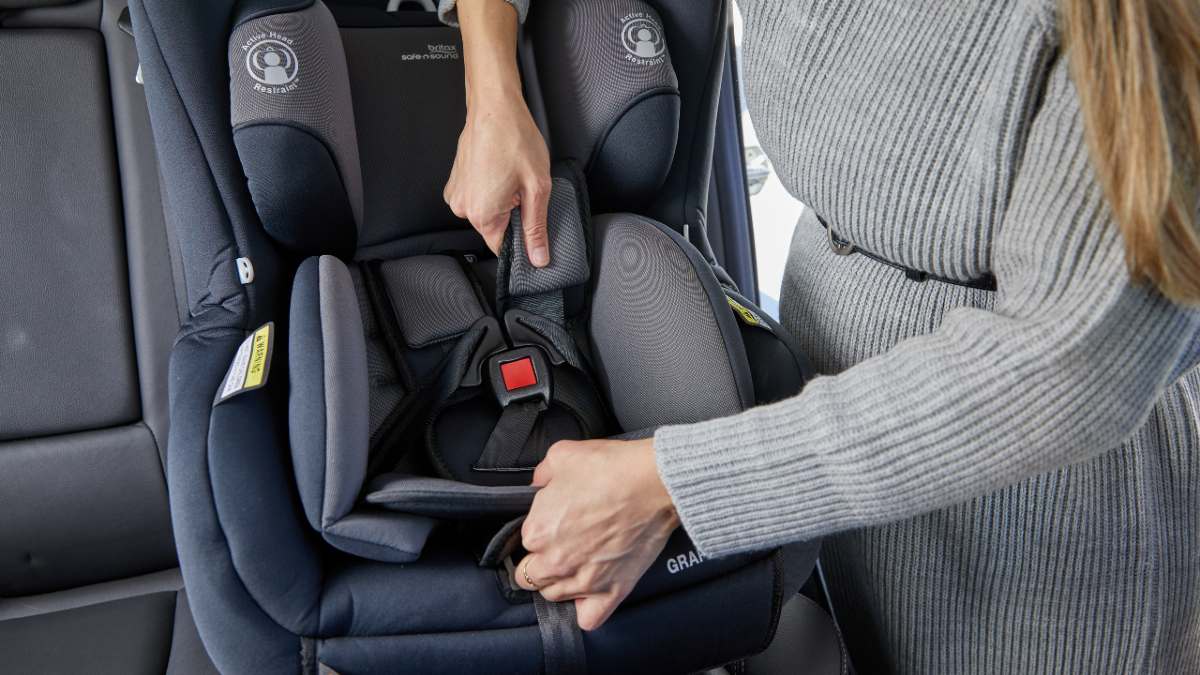
It's vital that child car seats and booster seats are correctly installed and checked regularly for fit. Image: Matt Harvey.
Backless booster seats, which are also called booster cushions, are not legal anywhere in Australia. This is because they don’t provide any side or head protection in the event of a crash.
Integrated booster seats are those that are built into the seats of the car itself. These seats aren’t common in cars sold in Australia, with only a few Volvo models (such as the Volvo XC90) offering the feature.
Integrated booster seats can legally be used in Victoria by children who would otherwise be required to use a standard booster seat.
Children aged seven or older are legally allowed to travel in the front seat in Victoria.
However, Kidsafe reports the injury risk to children aged 12 and under is almost doubled when travelling in the front passenger seat compared to the back seats.
For this reason, it is strongly recommended that children aged 12 and under travel in the rear seats wherever possible.
Where possible it is safest to buy a new booster seat from a reputable Australian retailer. This allows you to be certain about the seat model, quality, safety rating and year of manufacture.
Do not use a second-hand car seat that has wear and tear, has been in a crash or is more than 10 years old (even if you originally bought it new). Make sure you are provided with the seat’s manual and that all buckles and fastenings close securely.
Only child car and booster seats that comply with the national safety standards (Australian and New Zealand Standard AS/NZS 175) can be legally used in Australia.
If you are uncertain your seat complies with this standard then it is best to rent or buy an approved seat on arrival to Australia.

