
The Great Ocean Road is one of Victoria’s best road trips. Here is the best itinerary from Torquay to Warrnambool, complete with amazing scenery and exciting attractions.
Road Trip
Best road trip from Melbourne: to Adelaide or Sydney?
Melbourne to Adelaide or Melbourne to Sydney? Compare two of Australia's best road trips, including drive times, scenic routes, coastal stops, beaches, national parks and towns.
The best road trip from Melbourne depends on the type of holiday you want. Choose the Melbourne to Adelaide drive if you want dramatic coastal scenery, the Great Ocean Road, limestone cliffs and South Australian wine regions. Choose the coastal drive to Sydney if you prefer beaches, national parks, lakes, waterways and relaxed seaside towns.
For travellers short on time, both routes can be driven non-stop in less than 10 hours using major highways. The direct Melbourne to Adelaide drive takes about eight hours, while Melbourne to Sydney via the Hume Highway takes just over nine hours. But the scenic versions of both trips are better enjoyed over several days, with more time for coastal lookouts, regional towns, short walks and overnight stops.
Whichever route you choose, prepare your vehicle before you leave. Complete these essential safety checks, pack a car safety kit and check that your Emergency Roadside Assistance plan is up to date.
Here’s how the two road trips compare.
Melbourne to Adelaide road trip: best for dramatic coastal scenery
The Melbourne to Adelaide road trip is best for travellers who want a scenic coastal drive with famous natural landmarks, surf towns, rainforest, limestone cliffs, caves, wine regions and regional towns. Its biggest advantage is the Great Ocean Road, which turns the journey into one of Australia's classic coastal road trips.
Rather than taking the fastest inland route, head southwest towards Torquay, follow the coast through western Victoria, then continue into South Australia via the Limestone Coast, Fleurieu Peninsula and McLaren Vale before arriving in Adelaide. Give yourself several days to slow down and enjoy the journey, with time for unhurried walks, relaxed meals and overnight stays along the way.
Great Ocean Road: Torquay to Warrnambool
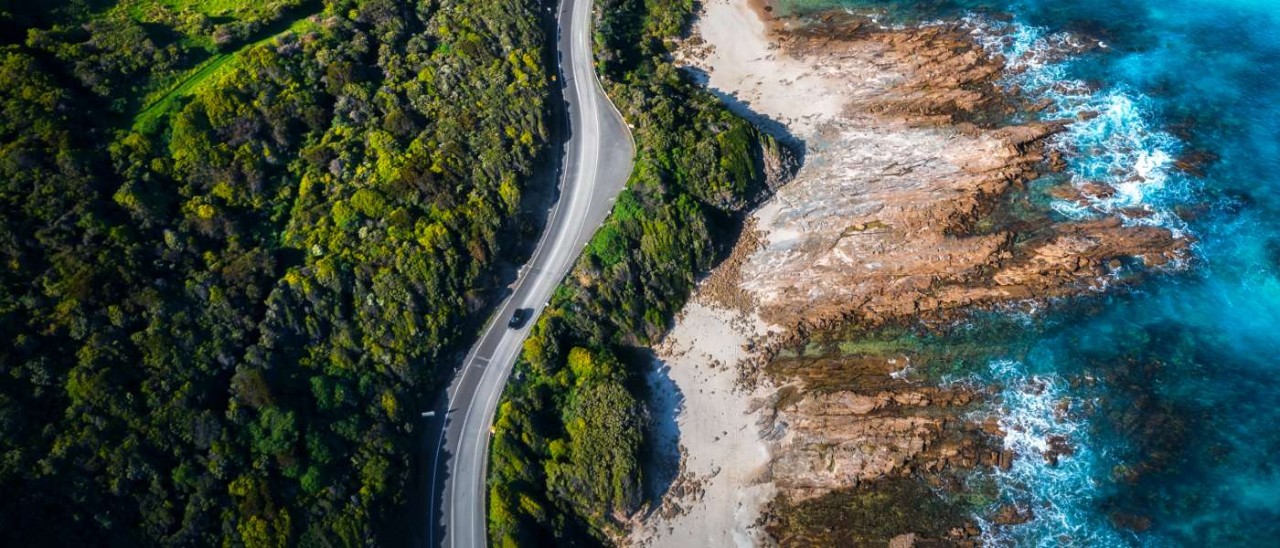
Beginning around Torquay, the Great Ocean Road follows Victoria's south-west coast for 243km to Allansford near Warrnambool. This section is the scenic highlight of the Melbourne to Adelaide drive, with coastal lookouts and easy detours to some of Victoria's most recognisable natural attractions.
Stop in Torquay for surf culture and nearby Bells Beach, then continue towards Lorne and Apollo Bay. Apollo Bay is a convenient overnight base if you want to explore Great Otway National Park, where forest walks and waterfalls add variety to the coastal route.
The Twelve Apostles are a key reason many travellers choose the scenic Melbourne to Adelaide route. Allow extra time around Port Campbell and the Shipwreck Coast for short stops at landmarks such as Loch Ard Gorge, London Bridge and The Grotto.
The Great Ocean Road ends at Allansford, about 12km from Warrnambool, which is a major regional coastal city. Here you can explore the Flagstaff Hill Maritime Village or visit Logans Beach, which is a seasonal nursery ground for female Southern Right whales between June and September. Nearby Port Fairy has historic buildings, a lighthouse walk, and plenty of pubs and cafes for a quick bite or leisurely meal.
Mount Gambier: lakes, caves and sinkholes
Mount Gambier, located halfway between Melbourne and Adelaide, is a treasure trove of natural wonders.
Start with Umpherston Sinkhole/Balumbul, also known as the Sunken Garden, where a collapsed limestone cave has been transformed into a garden of hanging vines and greenery. The Cave Garden/Thugi in the centre of Mount Gambier is another accessible stop, with a waterfall after wet weather.
Other things to do in Mount Gambier include touring Engelbrecht Cave, walking the 3.6km Blue Lake circuit and visiting Centenary Tower for views over the city and surrounding landscape. These stops help make the Adelaide road trip feel more varied, with inland geological attractions between the coastal sections.
Naracoorte Caves: World Heritage fossil site
From Mount Gambier, consider detouring to Naracoorte Caves National Park. South Australia's only World Heritage site has one of Australia's most complete fossil records, making it a worthwhile stop for travellers interested in caves, fossils, geology and natural history.
Victor Harbor: Fleurieu Peninsula beaches and wildlife
Victor Harbor on the Fleurieu Peninsula brings the route back to the coast for ocean views before the final stretch towards Adelaide.
The best-known Victor Harbor experience is the horse-drawn tram to Granite Island, where walking trails skirt Encounter Bay. From May to October, the area is also known for whale watching, while dolphins and seals may be seen around the coast. For a relaxed stop, take a picnic or local fish and chips to The Bluff lookout for broad views over the water.
The Cockle Train is another popular Fleurieu Peninsula experience, running between Victor Harbor, Port Elliot and Goolwa on selected days and more frequently during school holidays. If you prefer to explore under your own steam, hire a bike for the Encounter Bikeway or walk a section of the Heysen Trail.
McLaren Vale: wine country before Adelaide
McLaren Vale is an ideal final stop on a Melbourne to Adelaide road trip. The McLaren Vale wine region has more than 80 cellar doors and is known for shiraz, grenache and cabernet sauvignon. Build in time for a tasting, long lunch or short walk or cycle on the Shiraz Trail. The d'Arenberg Cube is one of the region's most distinctive cellar door experiences, combining wine, art and architecture.
If you arrive on a Saturday morning, Willunga Farmers Market is a useful place to stock up on local fruit, vegetables, flowers, cheeses, chutneys and honey. Red Poles Gallery in McLaren Vale is another worthwhile stop if you're interested in art.
From here, it's an easy 45-minute drive to Adelaide.
More: South Australia’s top five road trip destinations
Melbourne to Sydney road trip: best for beaches and national parks
The Melbourne to Sydney road trip is best for travellers who want beaches, national parks, wildlife, lakes and relaxed coastal towns. The fastest route follows the Hume Highway through Seymour, Benalla, Wangaratta, Albury-Wodonga, Gundagai, Goulburn and Bowral, but the scenic coastal route offers a more memorable holiday.
For a scenic Melbourne to Sydney drive, allow several days and follow the coast through Phillip Island, Inverloch, Wilsons Promontory, the Gippsland Lakes, Mallacoota, Jervis Bay, Wollongong and the Grand Pacific Drive. The coastal route at around 1432km and 20 hours of driving, making it better suited to a multi-day itinerary than a quick point-to-point trip.
Phillip Island and Wilsons Promontory: wildlife and beaches
Start the coastal Melbourne to Sydney road trip with a detour to Phillip Island, a popular stop for beaches, coastal scenery and the Penguin Parade. It adds time to the journey but gives the route an immediate wildlife and seaside focus.
From there, continue through South Gippsland to Wilsons Promontory National Park, one of the strongest reasons to choose the coastal route over the Hume Highway. Highlights include Squeaky Beach, Tidal River, short walks, longer hikes and opportunities to spot native wildlife.
Gippsland Lakes and Lakes Entrance: waterways and koalas
Continue east to the Gippsland Lakes, one of the best places on the route for boating, fishing, kayaking and lakeside walks. Lakes Entrance is a convenient overnight stop, while nearby Paynesville gives travellers access to Raymond Island, where the Koala Trail offers a chance to look for koalas in the trees.
Mallacoota and Croajingolong National Park: Wilderness Coast scenery
Starting at Bemm River, Croajingolong National Park follows the far-east Victorian coast and is known for ancient forests, pristine inlets, giant sand dunes and abundant wildlife. Stay on the Princes Highway but consider a few stops along the way. Refuel or charge your EV at Cann River, then take Tamboon Road south to Tamboon Inlet or Peachtree Creek, where fishing and kayaking are popular.
If you have time for a hike, the trail out to the historic Point Hicks Lightstation gives you access to the dramatic granite headland, while the Thurra Dunes Walk offers towering dunes and coastal heathland.
Close to the New South Wales border, Mallacoota is a popular coastal stop for travellers who want beaches and quieter wilderness scenery before crossing into NSW. Visit the Mallacoota Bunker Museum to learn about the town's World War II history and its role in helping protect Bass Strait and Australian sea lanes.
Jervis Bay: white-sand beaches and Booderee National Park
After crossing into New South Wales, continue through coastal towns such as Eden, Merimbula and Nowra before reaching Jervis Bay. This is one of the best stops between Melbourne and Sydney.
Jervis Bay suits travellers who want to spend time in nature rather than simply pass through. Look for bottlenose dolphins and fur seals in Jervis Bay Marine Park, walk the White Sands Walk and Scribbly Gum Track in Jervis Bay National Park, or visit Booderee Botanic Gardens to learn about bush tucker, medicinal plants and Koori culture.
Hyams Beach is famous for its bright white sand, but it can be very busy during summer and peak holiday periods. For a quieter experience, consider nearby beaches such as Greenfield Beach, Blenheim Beach or Murrays Beach, and always check local conditions before swimming or snorkelling.
Wollongong and the Grand Pacific Drive: Sea Cliff Bridge and coastal views
From Jervis Bay, follow the South Coast north towards Wollongong and join the Grand Pacific Drive, a scenic coastal route known for ocean views, beach towns and the Sea Cliff Bridge.
In Wollongong, visit Nan Tien Temple, explore the waterfront, walk a section of the Blue Mile or spend time at the beach. The city also works well as a final overnight stop before the last stretch into Sydney.
For a more active stop, Wollongong offers tandem hang-gliding, paragliding, skydiving, coastal cycling and rainforest walks around the Illawarra escarpment, including Sublime Point, Mount Keira and Mount Kembla.
From Wollongong, it is just over an hour to Sydney.
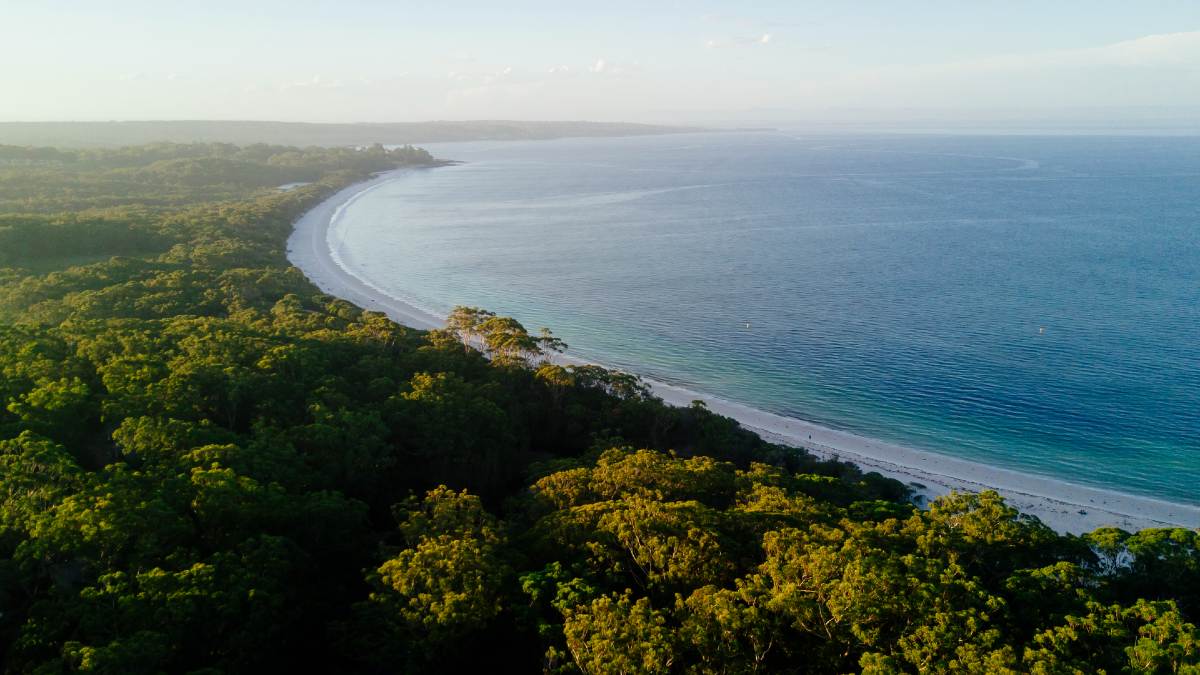
Jervis Bay on the route from Melbourne to Sydney is truly serene. Image: Getty
Melbourne to Adelaide vs Melbourne to Sydney: which road trip should you choose?
If you want the most efficient scenic holiday, Melbourne to Adelaide is usually the better choice. It delivers a strong sense of journey without needing as many days, moving from surf coast to limestone cliffs, regional towns and wine country before reaching a compact capital city.
If you have more time and want a road trip that feels less linear, choose the coastal drive from Melbourne to Sydney. It works best as an unhurried itinerary, with the appeal coming from the changing rhythm of the route: detours, national parks, beach towns, overnight bases and long stretches where the drive becomes part of the destination.

