
The complete and ultimate guide to booking your first cruise for beginners, with everything to know on how to book a cruise.
Cruise

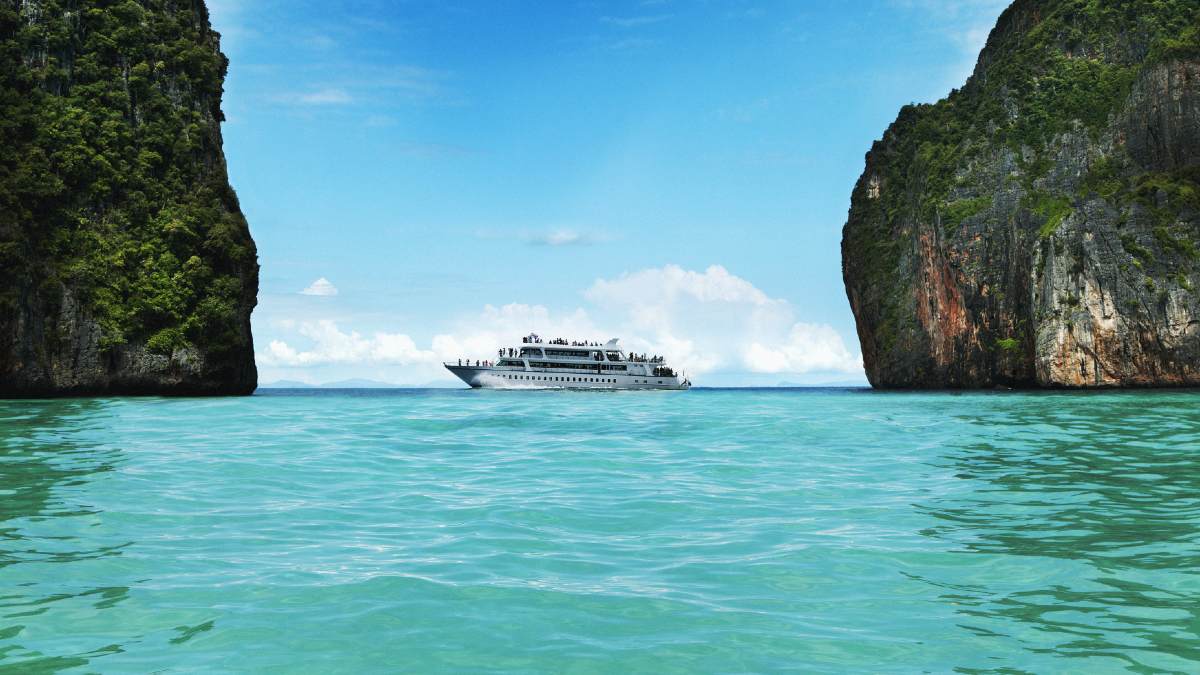

When is the best time to go on a cruise?
Discover the best time to go on a cruise, with booking tips for great deals and ideal seasons in top destinations like the Caribbean and Mediterranean.
Planning a cruise involves more than choosing a ship and itinerary. Timing plays a crucial role in determining cost, weather conditions, crowd levels and the overall experience. Whether you're chasing sunshine in the tropics or hoping to avoid peak-season crowds in Europe, understanding when to book and when to travel can make a significant difference.
Here is the best time to book a cruise, along with the ideal travel windows for major cruise destinations around the world.
When is the best time to book a cruise?
Booking timing can directly affect both price and availability. While there's no one-size-fits-all answer, most travellers fall into two categories: planners and deal-seekers.
Book early for the best choice
If you have specific preferences - such as a particular cabin type, itinerary or departure date - booking early is usually the best strategy. Cruise lines often release itineraries 12 to 24 months in advance, and early bookings come with several advantages.
Booking early gives you access to the widest range of cabins, including highly sought-after balcony rooms and family suites. It also allows you to take advantage of early-bird promotions, which may include onboard credit, beverage packages or discounted fares.
This approach is particularly important during peak travel periods such as school holidays, Christmas and major international events, when cruises can sell out quickly.
Book late for last-minute deals
If you're flexible with your travel dates and destinations, last-minute bookings can offer significant savings. Cruise lines aim to fill every cabin, so unsold inventory is often discounted in the final weeks leading up to departure.
These deals can be appealing, but they come with trade-offs. Cabin choice may be limited, and flights to departure ports can be more expensive or harder to coordinate at short notice.
Shoulder seasons offer the best balance
For many travellers, the ideal booking window sits between these two extremes. Booking around six to nine months in advance can strike a balance between availability and value, particularly for shoulder-season departures.
The time you book your cruise can affect both availability and price. Image: Getty
Understanding cruise seasons
Cruise pricing and availability are influenced by three key travel periods:
- Peak season - this is when demand is highest, often due to favourable weather or school holidays. Expect higher prices and larger crowds.
- Shoulder season - the period just before or after peak season. Conditions are still generally good, but prices are lower and crowds thinner.
- Off-season - also known as low season, this period typically offers the lowest prices but may come with less predictable weather or limited itineraries.
Choosing the right season depends on your priorities, whether that's budget, weather or avoiding crowds.
Best time to cruise by destination
Different regions have distinct cruise seasons shaped by climate, weather patterns and tourism demand. Here's a breakdown of when to go for some of the world's most popular cruise destinations.
Best time to cruise the Caribbean
- Best time to cruise - December to April
- Shoulder season - May and November
- Off-season - June to October (hurricane season)
The Caribbean is one of the most popular cruise destinations, known for its warm weather and clear waters. The peak season runs during the Northern Hemisphere winter, when travellers escape colder climates.
For fewer crowds and better value, consider travelling in May or November. While the off-season coincides with hurricane season, cruises still operate, often at significantly reduced prices, though itineraries may change due to weather.
Best time for a Mediterranean cruise
- Best time to cruise - May to June; September to October
- Peak season - July to August
- Off-season - November to April
The Mediterranean offers rich cultural experiences across countries such as Italy, Greece and Spain. Summer is the busiest period, with high temperatures and crowded ports.
The shoulder seasons of late spring and early autumn are often considered the best times to visit. You'll enjoy pleasant weather, fewer tourists and more comfortable sightseeing conditions.
Best time to cruise Alaska
- Best time to cruise - June to August
- Shoulder season - May and September
- Off-season - October to April (limited or no sailings)
Alaska's cruise season is relatively short due to its cold climate. Summer offers the warmest temperatures, long daylight hours and the best wildlife viewing opportunities.
May and September can offer lower prices and fewer crowds, though temperatures are cooler and there's a higher chance of rain.
Best time to cruise the South Pacific
- Best time to cruise - May to October
- Wet season - November to April
The South Pacific is a favourite for Australian travellers seeking tropical island escapes. The dry season from May to October offers lower humidity, calmer seas and ideal conditions for swimming and snorkelling.
The wet season brings higher temperatures, humidity and the risk of cyclones, although cruises continue to operate with potential itinerary adjustments.
Best time to cruise Northern Europe
- Best time to cruise - May to September
- Peak season - June to August
Northern Europe cruises, including the Baltic and Norwegian fjords, are best experienced during the warmer months. Summer offers mild temperatures and long daylight hours, ideal for sightseeing.
May and September are excellent shoulder-season options, with fewer crowds and slightly lower prices.
Best time to cruise Asia
- Best time to cruise: October to April (varies by region)
- Avoid - Peak monsoon periods
Asia's cruise seasons vary widely depending on the region. Southeast Asia is generally best between November and February, when temperatures are slightly cooler and rainfall is lower.
Japan cruises are particularly popular during cherry blossom season in spring and autumn foliage season. Travellers should be mindful of monsoon seasons and typhoon risks, which can affect itineraries.
Best time to cruise Australia and New Zealand
- Best time to cruise - November to March
- Shoulder season - October and April
Cruising closer to home is especially popular during the Australian summer. Warm weather and calm seas make this an ideal time to explore coastal cities, the Great Barrier Reef and New Zealand's fjords.
Shoulder months such as October and April can offer a good balance of mild weather, fewer crowds and competitive pricing.
Best time for a river cruise in Europe
- Best time to cruise - April to October
- Special experiences - December (Christmas markets)
River cruises offer a different pace of travel, often focusing on cultural immersion and scenic landscapes. Spring and autumn are particularly appealing, with comfortable temperatures and fewer tourists.
December is a unique time for themed cruises centred around European Christmas markets, offering a festive atmosphere and seasonal experiences.
European river cruises are a popular option with travellers. Image: Getty
Tips for choosing the best time to cruise
Selecting the best time to cruise depends on your travel priorities. If weather is your main concern, aim for peak or shoulder seasons in your chosen destination. If you're travelling on a budget, consider off-season sailings or last-minute deals.
It's also worth factoring in school holidays, major events and local festivals, which can influence both pricing and crowd levels.
For many destinations, shoulder seasons provide the ideal balance of good weather, manageable crowds and competitive pricing.
Royal Automobile Club of Victoria (RACV) Limited (ABN 44 004 060 833, AR No. 1243563) (RACV) is an authorised representative of the RACV Travel Insurance insurer Tokio Marine & Nichido Fire Insurance Co., Ltd. (ABN 80 000 438 291 AFSL 246 548) (Tokio Marine). Tokio Marine Management (Australasia) Pty Ltd (ABN 69 001 488 455, AR No. 1313066) is an authorised representative of Tokio Marine, and administers RACV Travel Insurance as the managing agent on behalf of Tokio Marine.
Terms, conditions (including eligibility criteria), exclusions, limits and sub-limits apply. Any advice is general advice only, and does not take into account your specific objectives, financial situation or needs. Before you purchase, please consider the Combined Product Disclosure Statement (PDS) / Financial Services Guide (FSG) and Target Market Determinations (TMDs) available on RACV’s website, or on request from RACV.

