
Learn how to keep your smartphone safe when travelling with practical tips on preventing theft, protecting data and staying secure on public Wi-Fi.
Travel




How to prepare for a long-haul flight
From packing tips to managing jet lag, here's how to prepare for a long-haul flight and arrive ready to enjoy your holiday.
There’s nothing more exciting than booking an international holiday. But while planning a trip overseas sparks joy, getting there is often the most challenging part.
Whether you're a seasoned traveller or preparing for your first big overseas adventure, long-haul flights can take a toll on your body and mind. With Qantas set to launch non-stop Sydney to London services from October 2027, ultra-long-haul travel from Australia is set to become even more direct – making smart preparation more important.
Start by confirming the essentials: passport and visa requirements, flight connections, health advice, luggage rules and whether travel insurance suits your destination, activities and personal circumstances. Sorting these details early can reduce last-minute stress and give the rest of your planning a clearer shape.
For more travel inspiration, destination guides and holiday planning advice, explore the RACV News & Lifestyle travel hub.
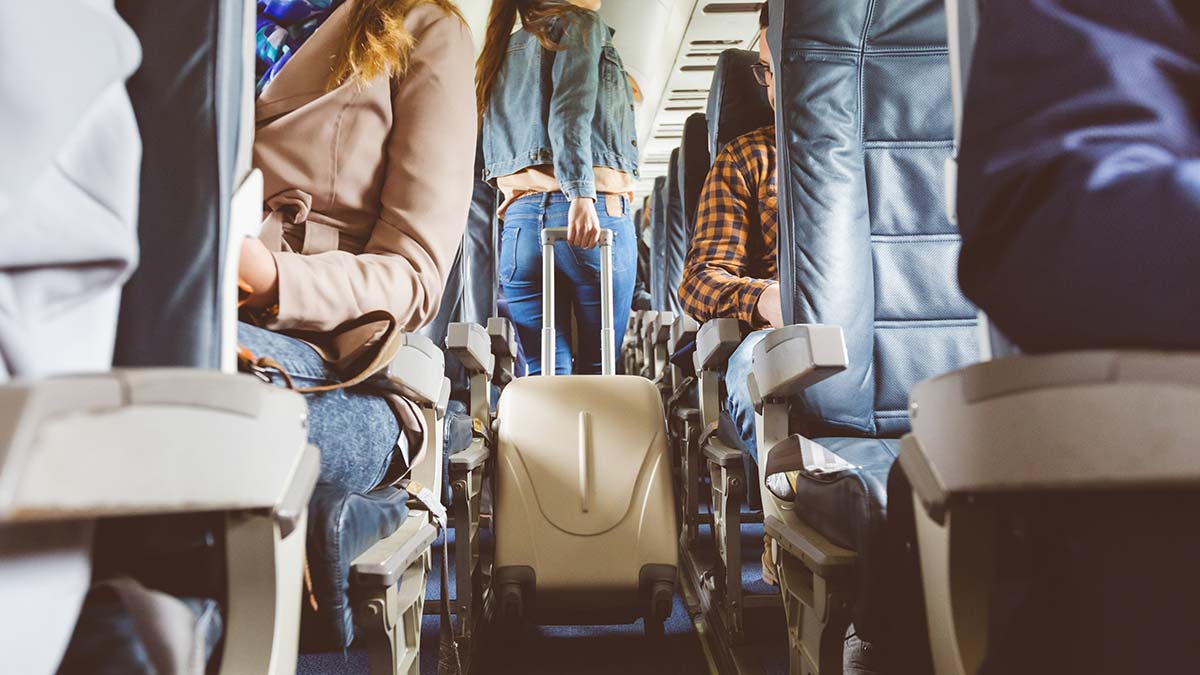
The cramped conditions that come with travelling economy can be challenging on a long-haul flight. Image: Getty
Use this quick guide for an at-a-glance overview, then explore each step below in more detail.
- Check your passport validity and visa requirements.
- Review your itinerary and flight connections.
- Consider whether travel insurance is appropriate for your trip.
- Organise vaccinations, medications and health advice.
- Keep critical items within easy reach.
- Think ahead about comfort, sleep and entertainment on board.
- Plan ahead to minimise jet lag.
More: Overseas travel checklist: All the things to do before you go
In this article
- How to plan a long-haul flight itinerary
- Is a direct flight or stopover better?
- Should I use a travel agent to book a long-haul flight?
- Do I need travel insurance for a long-haul flight?
- Pre-departure checklist for a long-haul flight
- Health tips before a long-haul flight
- What to pack in your carry-on for a long-haul flight
- How to stay comfortable on a long-haul flight
- How to reduce jet lag after arrival
- Frequently asked questions about long-haul flights
Qantas is set to launch non-stop Sydney to London services from October 2027. Image: Getty
A well-planned stopover can turn a demanding long-haul journey into part of the holiday, whether you’re heading to your destination or flying home. Consider breaking up the trip somewhere you would genuinely like to explore, with enough time to leave the airport and rest before continuing. On the return journey, a couple of days on a stopover can also help reduce fatigue before you get home.
If you’re flying from Australia to London or heading home, a stopover in Singapore, Bangkok, Dubai or Doha can break up the long journey and add another destination to your holiday. Depending on your route, you could spend a night or two exploring neighbourhoods, sampling local food or simply enjoying a proper bed before the next leg of your trip.
For journeys to and from North America, Honolulu can offer a restorative break before or after the mainland, while Los Angeles, San Francisco or Vancouver may work as stopovers if you are continuing elsewhere in the US or Canada. Check how each option affects your onward flight, arrival time and overall itinerary before booking.
If you are taking connecting flights rather than a planned stopover, allow enough time to clear customs, collect bags if required and change terminals without rushing. Check whether your luggage will be transferred automatically and whether you need to meet any transit or entry requirements between flights.
As ultra-long-haul routes become more common, including Qantas’ planned non-stop Sydney to London service, travellers have more choice over how they structure the journey. The best option depends on whether you prioritise reaching your destination sooner or breaking up the time spent in the air.
More: The ultimate guide to Hawaii
Singapore is one of the most popular stopovers for Australians travelling to Europe and other parts of Asia. Image: Getty
Is a direct flight or stopover better?
There is no single best option when choosing between a direct long-haul flight and a stopover. A direct flight may suit travellers who want to minimise total travel time, reduce the number of airport transfers or avoid the risk of missed connections. It can also be useful if you have limited annual leave or want to reach your destination as quickly as possible.
A stopover may be worth considering if you find it difficult to sleep on planes, are travelling with children or want to limit the number of consecutive hours spent in the air. It can also create time to explore another destination, provided the additional travel arrangements suit your budget and schedule.
The trade-off is that stopovers can add accommodation, transfer and meal costs, and may extend the trip by a day or more. Weigh up your budget, available time, health needs and travel style before deciding whether the fastest route or a more gradual journey is the better fit.
If you're travelling with family or friends, discuss what everyone hopes to see and do before you leave. If you're travelling solo, share your itinerary with a trusted family member or friend and keep them updated as your plans change.
Travel agents can help you plan the best way to reach your destination.
Should you use a travel agent to book a long-haul flight?
Planning a complex overseas holiday can be time-consuming, particularly if you're visiting multiple destinations or cruising.
A travel agent can help match destinations, flights, accommodation and experiences to your needs and budget. Depending on availability and fare conditions, they may also be able to recommend routes, stopovers and holiday packages that can be difficult to research independently.
Whether you organise the trip yourself or use a travel professional, carefully review all bookings before departure and ensure you understand any inclusions, exclusions and cancellation conditions.
More: Are travel agents worth it? 10 reasons to book with a travel expert
Do you need travel insurance for a long-haul flight?
Even carefully planned holidays can encounter unexpected disruptions, from flight delays to lost luggage or changes in personal circumstances.
If you are considering travel insurance, compare policies and check whether the cover suits your destination, planned activities and personal circumstances. It’s also worth understanding any exclusions, limits and disclosure requirements before deciding what is appropriate for your trip.
Depending on the policy, areas to compare may include:
- Trip cancellations and delays
- Lost, stolen or damaged luggage
- Overseas medical expenses
- Emergency evacuations
- Rental vehicle excess
- Adventure or higher-risk activities
If your itinerary changes after purchasing cover, review your policy information or contact your insurer to check whether it remains suitable.
More: How travel insurance protects you in medical emergencies and natural disasters while overseas
Drink plenty of water on your flight to help reduce the effects of jet lag. Image: Getty
Pre-departure checklist for a long-haul flight
A little preparation before departure can help you avoid unnecessary stress at the airport.
Before your trip, tick off these things below.
- Your passport is valid and meets entry requirements.
- Any required visas have been approved.
- Flights and accommodation are confirmed.
- You understand luggage allowances and restrictions.
- You've checked the latest destination advice on Smartraveller.
- Vaccinations, prescriptions and medications are organised, .
- Special meal requests and seat preferences, if relevant, are confirmed.
- Emergency contact details are saved.
Keep important documents, medications and valuables in your carry-on luggage rather than checked baggage wherever possible.
More: Comprehensive vs medical-only travel insurance: what's the difference?
Pack light to avoid making the already cramped conditions feel worse. Image: Getty
Health tips before a long-haul flight
Long-haul preparation is not only about luggage. In the days before you fly, check any destination health requirements and make sure regular prescriptions are filled, correctly labelled and packed where you can access them easily.
Try to avoid starting the trip overtired or rushed, as this can make the first stage of travel feel harder. Eating lightly before boarding and giving yourself enough time to get through the airport can make the journey feel more manageable from the start.
If you have health concerns, are pregnant, have a medical condition or are worried about swelling or circulation during long periods of sitting, speak to your GP or pharmacist before departure.
What to pack in your carry-on for a long-haul flight
Once the admin is covered, pack for the hours you will actually spend in the air: seated, sleeping, snacking, stretching and passing time between meals.
Your carry-on bag might include:
- Passport and travel documents
- Prescription medications
- Phone charger and power bank
- Headphones
- Sleep mask and earplugs
- Compression socks
- Snacks
- Reusable water bottle
- A lightweight jumper or extra layer
Aircraft cabins can vary significantly in temperature, so dressing in layers can help you stay comfortable throughout the flight.
How to stay comfortable on a long-haul flight
- Stay hydrated - cabin air is typically dry, so sip water regularly rather than waiting until you feel thirsty.
- Dress for comfort - loose-fitting clothing and comfortable shoes will help make long periods of sitting more manageable.
- Move regularly - get up, stretch and walk through the cabin whenever it is safe to do so. This can help reduce stiffness and improve circulation.
- Bring sleep essentials - a quality sleep mask, neck pillow and earplugs can make it much easier to rest during overnight flights.
- Prepare your entertainment - download movies, podcasts, playlists, books or magazines before departure so you are not relying entirely on the in-flight entertainment system.
- Stay connected - check whether your mobile provider offers international roaming and ensure your devices are fully charged before departure.
How to reduce jet lag after arrival
Jet lag is one of the most common challenges after long-haul travel, particularly when crossing multiple time zones. A stopover somewhere such as Singapore or Hawaii can break up the journey, giving you time to rest and adjust along the way.
To help your body adjust:
- Sleep strategically during the flight.
- Spend time outdoors in natural daylight after arrival.
- Transition to local meal and sleep times as quickly as possible.
- Keep drinking water after you land, especially if you have a busy first day.
- Avoid over-scheduling your first day.
If you arrive in the morning, try to stay awake until a normal bedtime. If you arrive late in the day, avoid sleeping too much during the final stage of your journey so you're ready for a full night's sleep.
This is where a lighter first day can pay off: schedule the essentials, leave space for rest and save more demanding activities for when you have adjusted.
More: How long can jet lag last and how to get over it quickly
Confirm your passport, visas, flight details, baggage rules and health requirements. You may also want to consider whether travel insurance is appropriate for your destination, activities and personal circumstances.
Pack items you cannot easily replace or may need during the flight, such as travel documents, essential medications, chargers, headphones, snacks, sleep aids and an extra layer.
Use daylight, local meal times and a realistic first-day schedule to help your body adjust after crossing time zones.
More: How long can jet lag last and how to get over it quickly
While standard over-the-counter 15–20 mmHg graduated compression socks are available at pharmacies, major carriers, such as Qantas, recommend you seek medical advice before using compression socks or travelling if you have specific health conditions.
Long-haul flight preparation: final tip
Preparing for a long-haul flight doesn't need to be complicated. With thoughtful planning, a clear understanding of your travel needs and a few comfort-focused strategies, you can minimise stress and focus on the adventure ahead.

