Looking for a fun day out? Hit the road and escape the city to one of these must-see day trip destinations in Victoria, all close to Melbourne.
Victoria

Healesville: Victoria's gateway to the Yarra Valley

Beautiful country towns to visit in Victoria: Your guide to regional gems
Discover the most charming country towns in Victoria, Australia. Explore local attractions, history, and travel tips for your next getaway.
A weekend reset or longer road trip awaits on your doorstep. Trade the city hum for surf on the Great Ocean Road, fine wine in the Yarra Valley, or panoramic views in the Grampians.
From Port Fairy on Victoria’s south-west coast to Bright in Victoria's High Country, prepare to fall in love with these eight regional gems.
Before you head off, review your road safety checklist, pack your car safety and emergency kit, and check your emergency roadside assistance plan is up to date. Download the VicEmergency app for updates about severe weather events, such as bushfires, storms or flooding events.
If you have an electric vehicle (EV) or plug-in hybrid (PHEV), check EV charging availability in the RACV app.
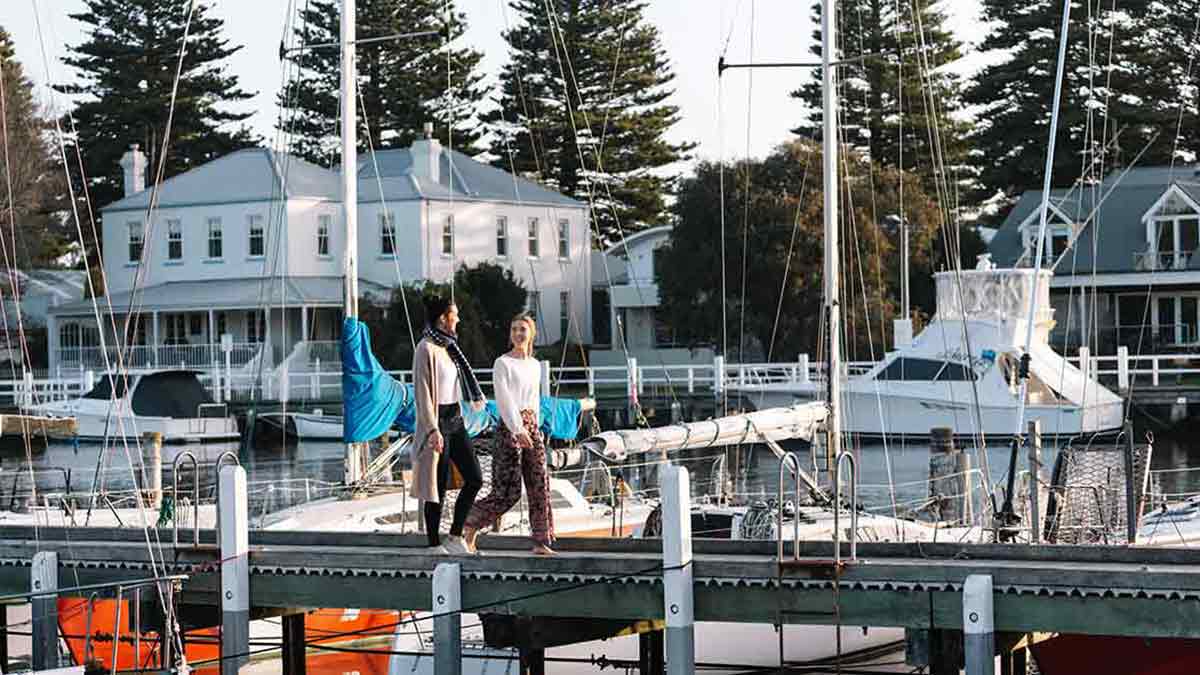
The Moyne River is one of the many attractions in Port Fairy. Image: Visit Victoria
Beautiful country towns to visit in Victoria
Why visit Victoria’s country towns?
Victoria’s country towns offer a wide range of experiences that blend natural beauty, vibrant local culture, and authentic community spirit. These regions are celebrated for their diversity, ranging from coastal gems and historic gold rush towns to lush wine regions and artistic communities.
Port Fairy: coastal charm and festival vibes near the Great Ocean Road
If you’re keen to swap city life for salty air and creative energy, Port Fairy is the perfect escape. This historic fishing village on Victoria’s south-west coast blends laid-back beach days with a buzzing arts scene. It's ideal for Victorians who want a weekend that’s both relaxing and inspiring. It's also famed for its whale trail sightings, nearby volcanoes and annual folk festival.
Best for: Coastal getaways, live music, creative escapes
Top 3 experiences
- Stroll the heritage streets: Wander past whaler's cottages and the old wharf, then grab a coffee at a local café. The town’s history is everywhere—take a self-guided heritage walk .
- Port Fairy Folk Festival: Every March, the town comes alive with music, markets, and street performances. It’s one of Australia’s best-loved festivals. Book early if you want to stay in town.
- Beach and nature: Swim or surf at East Beach, spot seals and birdlife on Griffiths Island, or cycle the Port Fairy–Warrnambool Rail Trail for pastoral views and fresh air.
History
Established in the early 19th century, the town played a vital role in the development of the wider Shipwreck Coast region. Its port was one of the busiest in Australia in the 1850s, with ships heading back to England full of wool, wheat and gold. Across the bridge from the harbour, Battery Hill preserves cannons and fortifications placed in 1887 to protect Port Fairy from the perceived threat of Russian warships.
Many of Port Fairy's buildings have been preserved by the National Trust, providing visitors with a glimpse into the town’s fascinating past. Grab dinner at country pub The Stump, Victoria's oldest continuously licensed pub (since 1844), to tap into the town's heritage.
The Port Fairy Lighthouse (or Griffiths Island Lighthouse) was built in 1859 out of bluestone. It stands near the entrance to the Moyne River and offers panoramic views of the coastline on a 2.9km walk around the Griffiths Island circuit. A known nature reserve, it is home to a colony of shearwaters (mutton birds) and is a popular spot for birdwatching and leisurely scenic walks.
When to go
Summer is perfect for beach days and outdoor dining, while autumn brings festival energy and mild weather. For a quieter experience, visit outside major event weekends.
It's beautiful beaches include the 5.8km-long East Beach and the smaller South Beach - known locally as Pea Soup - which are both popular for swimming, picnics, or simply enjoying the beautiful coastal scenery.
An annual winter festival celebrating community, arts, food, and landscape runs over the King’s Birthday long weekend, and the Port Fairy Spring Music Festival takes place in October.
Getting there
Port Fairy is about 3.5 hours west of Melbourne (290km) via the Princes Highway. If you're travelling via the Great Ocean Road, it's 39km west of where that scenic coastal route concludes at Allansford, but well worth the extra drive.
Local tip: Book festival accommodation months in advance, as it sells out fast. For a peaceful sunrise, walk to Griffiths Island lighthouse before the crowds arrive.
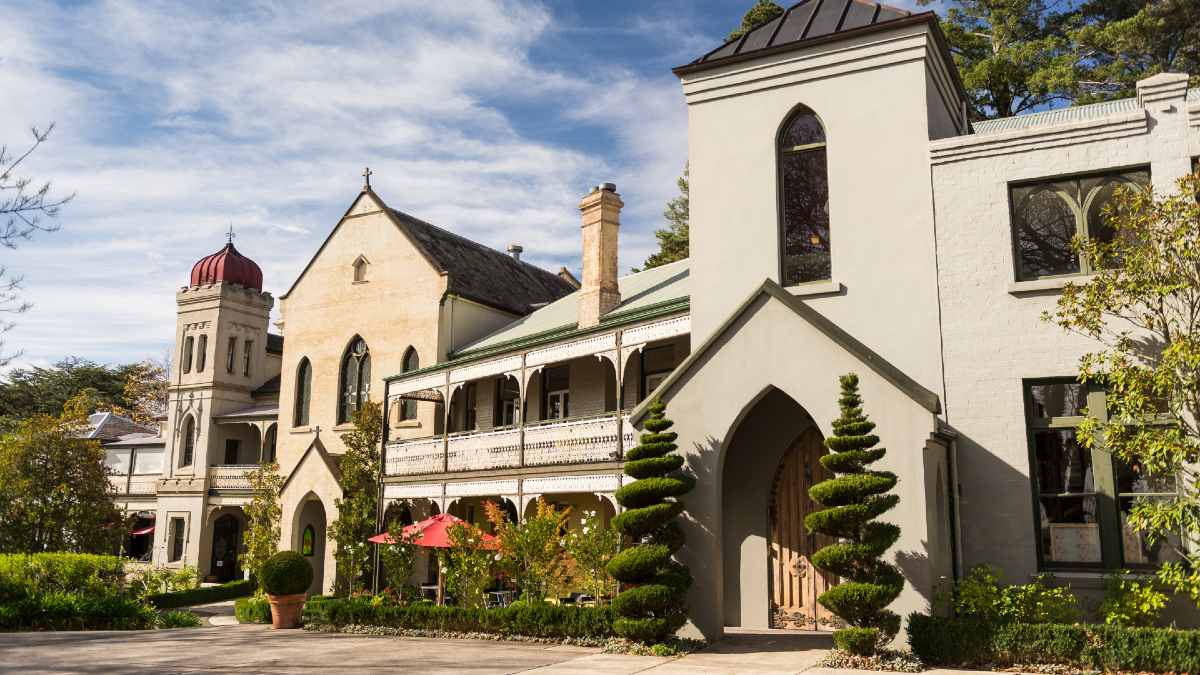
Daylesford has a timeless quality with its natural beauty and historic buildings. Image: Visit Victoria
Daylesford: spa escapes and slow food in the Goldfields region
Looking for a weekend reset that’s close to home? Daylesford is your go-to for spa indulgence, lakeside walks, and a thriving food scene. Nestled amid rolling hills and forests, it is one of the most beautiful towns in Victoria, and only a 25-minute drive from RACV Goldfields Resort. It's perfect for Victorians who want to unwind, recharge, and explore something new.
Art enthusiasts can explore the numerous galleries and art studios that showcase the works of local and international artists, like the famous Convent Gallery. Meanwhile, food lovers can indulge in the area's gourmet delights, with an array of farm-to-table restaurants, wineries and farmers markets to choose from in this beautiful country town.
Best for: Spa escapes, slow food, autumn colour
Top 3 experiences
- Soak in the springs: Book a session at Hepburn Bathhouse & Spa. Midweek is best for a quieter soak. The mineral-rich waters are a local favourite for easing stress and muscle tension.
- Lake Daylesford at sunrise: Start your day with a walk around the lake. Early mornings mean misty views, birdsong, and fewer crowds. Bring a coffee from a local café and take it slow.
- Sunday market & farm-to-table dining: Browse the Daylesford Sunday Market for artisan goods and fresh produce, then settle in for lunch at one of the region’s acclaimed restaurants. Many menus feature local, seasonal ingredients. It's an ideal destination for foodies keen to taste Victoria’s best.
History
For 130 years, the town's natural mineral springs have drawn visitors seeking soothing mineral baths, while in more recent times, pampering spa treatments and luxury wellness experiences have become added drawcards.
When to go
Autumn (late March–May) is magic for golden foliage and crisp air. If you’re after a more peaceful experience, plan a midweek trip. Spa bookings and restaurant tables are more readily available, and the town’s relaxed pace shines.
From January to May, visit Lavandula Swiss Italian Farm to sample blooming lavender.
Getting there
Just 90 minutes northwest of Melbourne (115km), Daylesford is an easy drive for a spontaneous getaway.
Local tip
Book spa treatments in advance, especially on weekends. For the best views, Wombat Hill Botanic Gardens is perched atop an extinct volcano, while a short drive away, Sailors Falls is a spectacular twin waterfall.
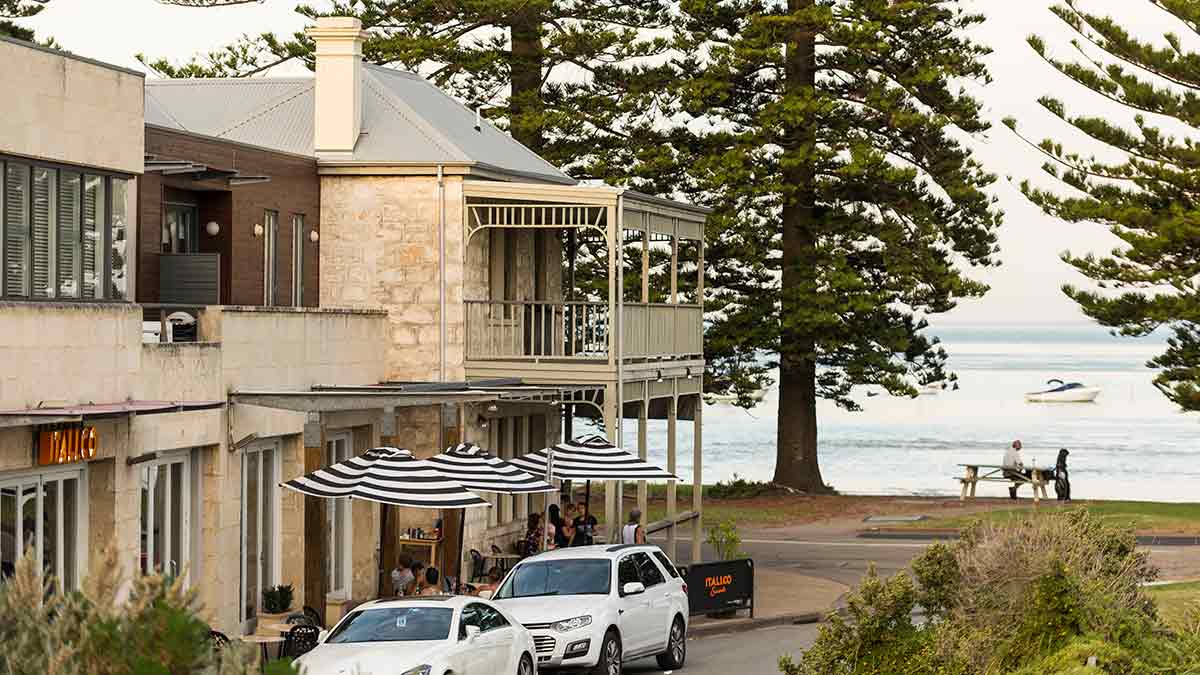
Sorrento's shops, cafes and beach make it a year-round attraction. Image: Visit Victoria
Sorrento: seaside sophistication on the Mornington Peninsula
Sorrento, located on the Mornington Peninsula, has long been a popular Victorian holiday destination. Whether you're seeking relaxation, adventure or beachside vibes, Sorrento has it all. The wider area boasts some of the most beautiful stretches of coastline in Victoria, with clear waters and soft golden sands along 30km between Cape Schanck and Point Nepean.
Best for: Beach days, boutique shopping, food and wine
Top 3 experiences
- Swim and stroll at Sorrento Front Beach: Relax and soak up the sun, snorkel some of the best reefs in Port Phillip Bay, or take a refreshing swim, with the area’s stunning beaches offering the perfect escape in summer. Ready to get out on the water? Join a waterbike tour, hire a sea kayak, snorkel with sea dragons, or embark on a dolphin and seal swim cruise.
- Explore Ocean Beach and Millionaire’s Walk: Take in dramatic clifftop scenery and snap photos along the famous Millionaire’s Walk, which links Sorrento to Portsea. It’s a favourite for locals who love a scenic walk with bay and ocean views.
- Indulge in local flavours: Sorrento’s main street is packed with cafés, wine bars, and restaurants. Try fresh seafood, wood-fired pizza, or a Peninsula pinot at a heritage pub or modern eatery.
History
Explore Port Nepean National Park at the tip of the Mornington Peninsula, full of World War II-era forts, barracks, tunnels and the 1852-built Quarantine Station that isolated infected incoming ship passengers. There are many walks to choose from, including a trail around Fort Nepean, where the first shot of the British Empire in World War I and the first Australian shot in World War II were fired. Cheviot Hill, the park's highest point, overlooks the beach where former Australian Prime Minister Harold Holt disappeared while swimming in 1967.
When to go
Summer is peak for beach weather and lively streets, but spring and autumn offer mild days and fewer crowds.
The hot springs near Sorrento make the Mornington Peninsula a year-round destination. Alba Thermal Springs and Spa offers 22 contemporary geothermal bathing options, while the Peninsula Hot Springs are famous for their bathing and wellness experiences, including private bathing sessions.
Getting there
Sorrento is just 90 minutes south of Melbourne (110km) via the Peninsula Link. EV charging is available in nearby Rye and Blairgowrie.
Local tip
Arrive early on weekends to secure parking near the beach. For a quieter experience, visit midweek or outside school holidays. Don’t miss the sunset from Ocean Beach lookout. It’s a local favourite.
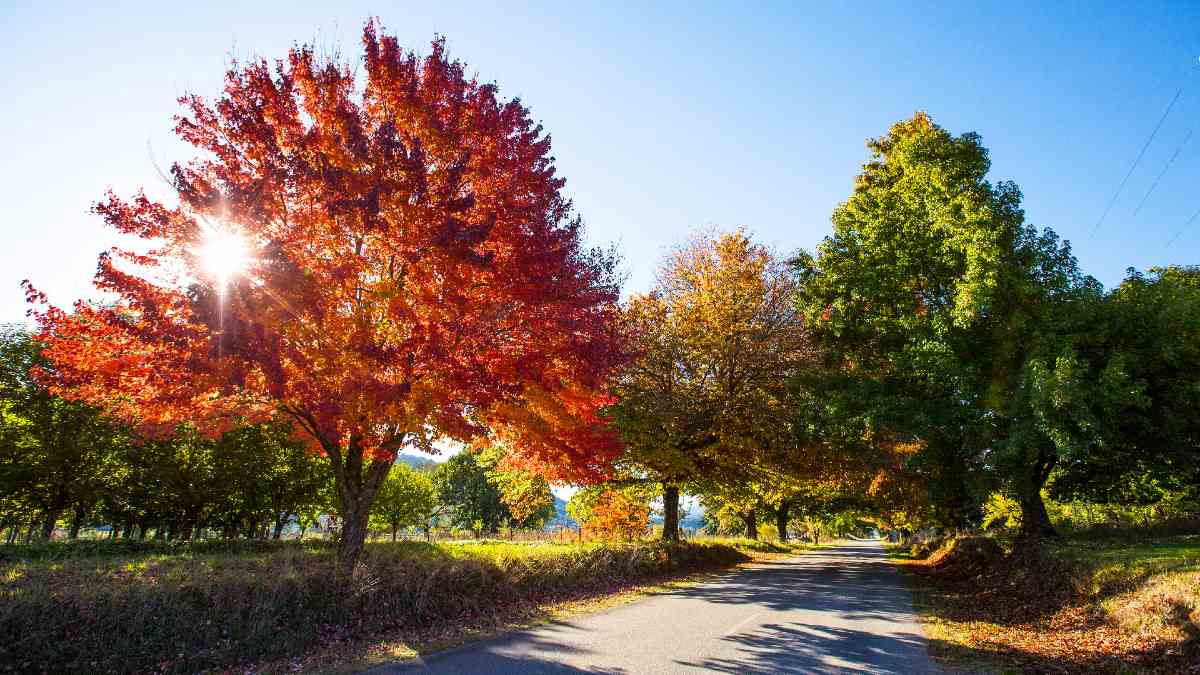
Bright is known for its rustic charm and award-winning eateries. Image: Visit Victoria
Bright: adventure, autumn colour, and local flavour in the High Country
If you’re craving adventure, Bright delivers. This small town, located in the heart of the Victorian Alps, is known for its stunning seasonal beauty, rustic charm and community festivals. Think riverside picnics, cycling trails, and a festival vibe that’s perfect for active Victorians.
Best for: Autumn colour, outdoor adventure, family getaways
Top 3 experiences
- Ovens River & Canyon Walk: Paddle, picnic, or stroll along the river. The Canyon Walk is a scenic 3km return. Go early for golden light and quiet trails.
- Murray to Mountains Rail Trail: Hire a bike and ride through vineyards and farmland, stopping for local produce and coffee along the way. It’s a social, scenic way to explore the region.
- Bright Autumn Festival: Late April to early May brings parades, markets, and live music. It’s a celebration of colour and community. Don’t miss the night-time festivities.
History
Bright originated as Morse's Creek, a gold-mining settlement in the 1850s. Renamed Bright in 1861, the town evolved from its gold rush roots into a railway-linked tourist destination, celebrated for its scenic landscapes such as Mount Buffalo.
When to go
You'll be captivated by the ever-changing seasonal landscape in Bright. Come winter, snow-capped peaks transform the town into a winter wonderland, offering opportunities for skiing, snowboarding and snowshoeing aplenty. Visit during the Darker Days Festival in June for live music and craft beers.
In spring, Bright bursts into a riot of colours as the cherry blossoms and wildflowers bloom, providing a perfect postcard view for nature lovers and beauty seekers alike. Tackle the 120km Murray to Mountains Rail Trail from Bright to Wangaratta across bushland, valleys and country towns or hike around the Alpine National Park.
During the summer months, go mountain biking against the backdrop of Mount Buffalo, cool off in the clear waters of Ovens River or join a tandem paragliding tour to see Bright from the sky. At the lauded Feathertop Winery, enjoy a delectable picnic hamper or go behind the vines on a guided winery tour.
But Bright is most famous for its autumn foliage, when the country town truly comes alive with vibrant hues of red, orange and gold. Walk along the tree-lined streets or enjoy a scenic drive through the surrounding valleys to witness nature's stunning display in this beautiful Victorian town.
Getting there
Bright is 3.5 hours northeast of Melbourne (320km) by car. If you're using public transport, take a V/Line train/coach to Wangaratta, then a connecting V/Line bus to Bright.
Local tip: Start the Canyon Walk before 9am for a peaceful experience. Ireland Street cafés open early. Grab a coffee and fuel up before your adventure.
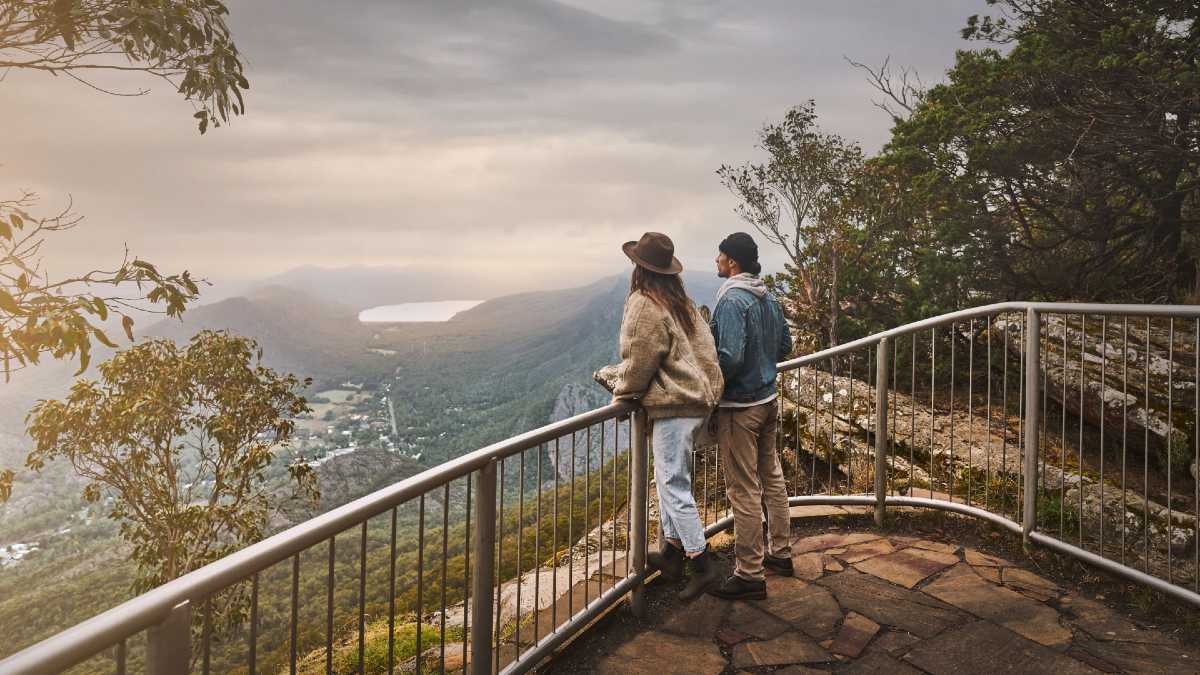
Boroka Lookout provides panoramic views over Halls Gap and the east Grampians. Image: Visit Victoria
Halls Gap: nature abounds in the Grampians
If you’re seeking a nature escape, then Halls Gap is set in the heart of the Grampians National Park. It's known for its dramatic mountain scenery, abundant wildlife, and relaxed country charm. Think panoramic lookouts, bushwalks to waterfalls, and a laid-back vibe that’s perfect for the adventurous.
Best for: Nature lovers, hikers, families, and anyone seeking a peaceful escape.
Top 3 experiences
- Explore Grampians National Park: Discover panoramic lookouts like Boroka Lookout, splash in the Venus Baths rock pools, and hike to the summit of Mount William for breathtaking views. Enjoy a ramble around Mount Rosea to see the Gate of the East Wind rock formation.
- Visit Halls Gap Zoo: Encounter more than 120 animal species from around the world at Victoria’s largest regional zoo.
- Immerse in Indigenous culture at Brambuk Cultural Centre: Learn about the area’s rich Aboriginal heritage through interactive exhibits and cultural experiences.
History
Halls Gap sits on the traditional lands of the Djab Wurrung and Jardwadjali peoples. The region’s Indigenous history is celebrated at the Brambuk Cultural Centre, which shares stories, art, and traditions dating back thousands of years. European settlement began in the mid-19th century, with the town developing as a gateway to the Grampians’ natural wonders.
When to go
Spring is considered a great time to visit Halls Gap. The wildflowers are out, the waterfalls are flowing, and the average temperatures range from about 13°C to 21°C, making it ideal for outdoor activities. While Venus Baths are a drawcard for swimming in summer, early morning hikes are recommended to beat the midday heat. March and October are among the driest months, while July is often the wettest month. Many hikers prefer to explore the region in winter to avoid the crowds and snakes.
Getting there
Halls Gap is about 3.5 hours’ drive from Melbourne. Take the Western Highway towards Ararat, then follow signs to the Grampians and Halls Gap. Alternatively, take a V/Line train to Ararat, then a connecting coach bus through Stawell to Halls Gap,
Local tip: Don't miss country pub classic Halls Gap Hotel. Its verandah is sunny in summer and it has a toasty fireplace in winter. The Halls Gap Bakery is another unmissable country icon.
Healesville is the gateway to Victoria's iconic Yarra Valley. Image: Matt Harvey
Healesville: Victoria's gateway to the Yarra Valley
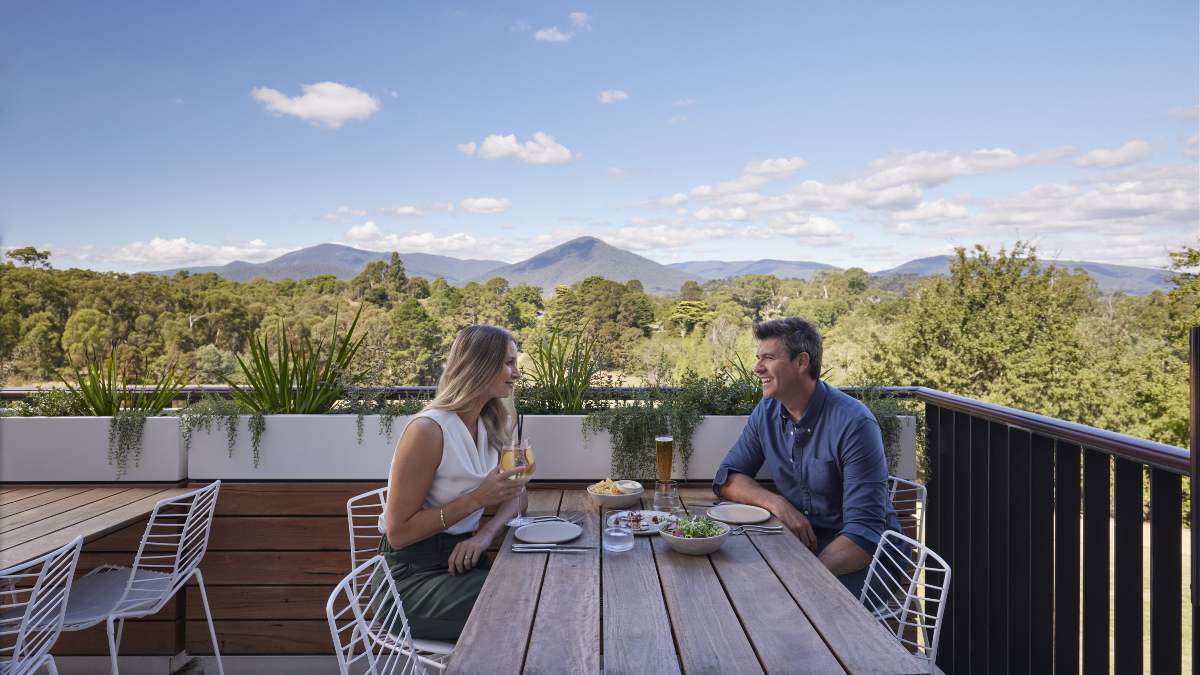
Healesville is a charming country town that welcomes visitors to the iconic Yarra Valley wine region, with plenty of experiences for nature seekers and wine lovers alike. For a unique experience, book a hot air balloon ride over the Yarra Valley at sunrise.
Explore the Yarra Ranges National Park, and walk through fern gullies and mountain ash rainforest at Donnelly's Weir, Badger Weir or Dom Dom Saddle. If you like your rainforest thick and jungly, embark on Tanglefoot Track or the Myrtle Gully Circuit in Toolangi State Forest nearby. If you prefer your nature orderly, visit the Maroondah Reservoir Park to view colourful European-style gardens.
Best for: day trips, weekend getaways, and those keen to explore Victoria’s best cellar doors, wildlife, and scenic drives.
Top 3 experiences
- Healesville Sanctuary: Encounter kangaroos, koalas, and platypuses in a bushland setting, with daily keeper talks and the Spirits of the Sky bird show.
- Wine & gin tasting: Sample world-class wines at Domaine Chandon, Innocent Bystander, and Yering Station, or enjoy a gin flight or a behind-the-scenes tour at Four Pillars Gin.
- Black Spur Drive & TarraWarra Museum of Art: Take the iconic forest drive, then explore contemporary Australian art in a stunning valley setting.
History
Healesville was established in 1864, named after Premier Richard Heales. The town grew as a gateway to the goldfields and later became known for its timber, agriculture, and tourism. It sits on the ancestral land of the Wurundjeri people, with the historic Coranderrk Aboriginal reserve nearby. Today, Healesville blends heritage with vibrant food, wine, and arts culture.
When to go
Healesville hosts festivals year-round, so check for music, food, and wine events. Autumn is considered one of the most spectacular times, with mild weather and golden foliage throughout the Yarra Valley. In winter, seek out cosy boutique wineries and pubs with fireplaces. Or rug up for snow play at nearby Donna Buang and Lake Mountain.
The Yarra Valley Tourist Railway is one tourist attractions that operates all year, offering visitors to Healesville a historic railmotor round trip.
Getting there
Healesville is about 1 hour’s drive (65 km) north-east of Melbourne via the Maroondah Highway.
There is also public transport. Take the train to Lilydale Station, then the 685 bus to Healesville. Private bus tours and shuttles are also available. Once in town, most attractions are walkable.
Local tip: Don't miss the classic Healesville Grand Hotel and Beechworth Bakery Healesville before you go! For golf lovers, there's RACV Healesville Country Club & Resort.
With its coastal walks and surf culture, Torquay is the perfect place for a short stay or longer break.
Torquay: a beachside retreat on the Surf Coast
With its natural beauty, laidback community and lively food scene, Torquay is considered one of the most beautiful towns in the state for a day trip or longer stay. Located on the Surf Coast, Torquay has beaches, coastal scenery and a vibrant surf culture.
Best for: surfing, golf, wellness retreats, food experiences, and beach walks
Top 3 experiences
- Surfing at Bells Beach: Experience the thrill at Australia’s surfing capital, home to the famous Bells Beach and the annual Rip Curl Pro surfing competition.
- Exploring the Surf Coast Walk: Enjoy scenic coastal views along the Surf Coast Walk, stretching from Torquay to Aireys Inlet.
- Visiting the Australian National Surfing Museum: Discover the origins and highlights of surfing in Australia at this unique museum.
History
Torquay’s identity is tied to its surf culture. The town has long been a hub for surfers, with Bells Beach gaining international fame. The Australian National Surfing Museum opened it 1993, thanks to pioneering surfers Peter Troy, Vic Tantau and Alan Reid and their collaboration with Surfing Australia, the Torquay surf industry and Geelong Regional Commission.
Torquay is the official starting point of the Great Ocean Road, one of Australia’s most iconic coastal drives. The Great Ocean Road is also memorial, having been largely built by returned World War I soldiers between 1919 and 1932.
When to go
Torquay is a year-round destination, but the best time to visit is during the warmer months (November to March) for beach activities and outdoor dining. The town offers a choice of bohemian cafes, farmers’ markets, fine dining, international cuisine, and a range of wineries and breweries nearby. Take your pick and enjoy the beautiful ocean views on your visit.
If you’re keen to catch the Rip Curl Pro, plan your trip around Easter when the competition takes place.
Getting there
Torquay is easily accessible by car, with a scenic drive from Melbourne taking about 1.5 hours. If using public transport, take a V/Line train from Southern Cross Station to Marshall Station, then connect to a local bus (Routes 52, 53, or 54) which covers Torquay and Jan Juc.
Local tip
Don’t miss the Point Addis Marine National Park, which features 10km of rugged coastline between Torquay and Anglesea, including Jan Juc Beach, Bells Beach and Addiscot Beach.
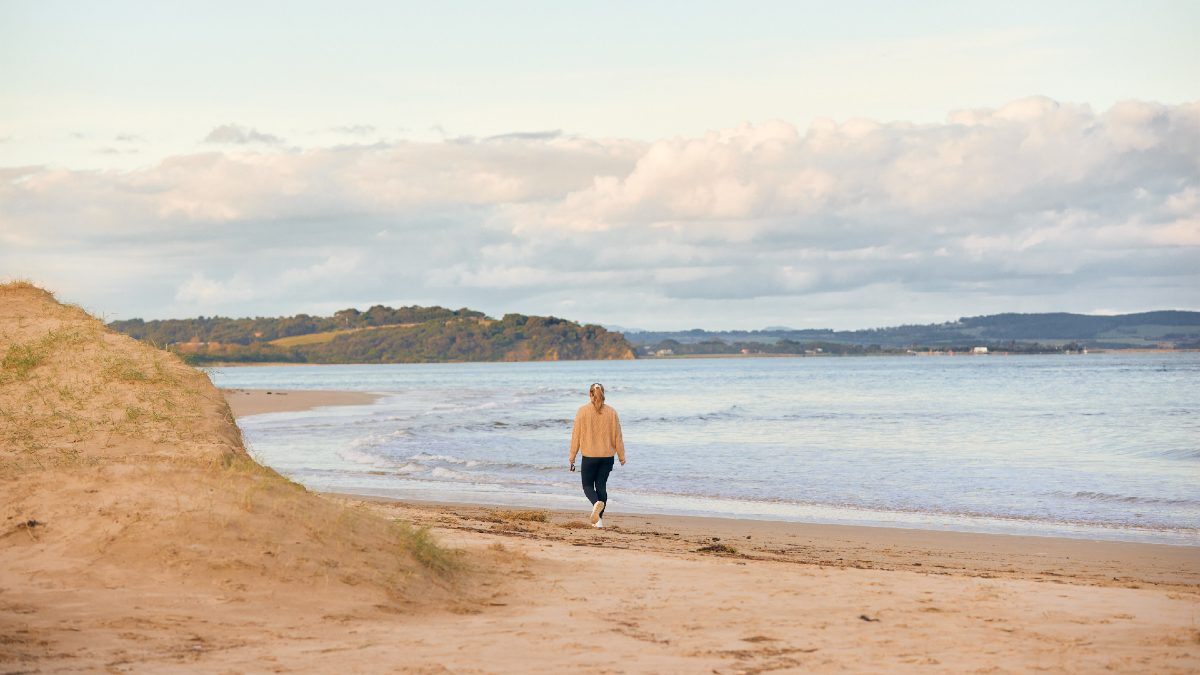
Winter or summer, Inverloch is the perfect place for walks and relaxation. Image: Matt Harvey
Inverloch: coastal serenity in Gippsland
Positioned along the stunning coastline of Bass Coast Shire, Inverloch is renowned for its pristine beaches, making it an ideal destination for sun seekers and watersports enthusiasts (think fishing, kayaking and paddleboarding).
For those seeking a culinary experience, Inverloch boasts charming cafes and restaurants offering fresh catches from local waters, including the fresh produce served at Radius Restaurant at the RACV Inverloch Resort.
Best for: family holidays, fishing, extended breakfasts and long lunches, resort-style accommodation or camping.
Top 3 experiences
- Relaxing at Anderson Inlet: Enjoy the powdery white sands and tranquil waters, perfect for picnics, swimming, and beachcombing.
- Exploring Bunurong Marine National Park: Take in panoramic views on coastal walks, spot seabirds and waders, and look out for seals and dolphins along the Bass Strait coastline.
- Search the dinosaur fossils: Learn about the dinosaurs that once roamed the Bass Coast area. Bunurong Coast Education runs school-holiday activities that include fossil hunting, rockpool rambles, and wildlife spotting at night.
History
Inverloch is the traditional land of the Bunurong (also spelt Boonwurrung) people. The area contains significant middens (discarded feast remains), stone tools, sand ovens, and evidence of ancient shelters. Australia's first dinosaur bone was discovered near Inverloch in 1903, in an area now known as Eagles Nest, a dramatic sandstone sea stack on the Bunurong Coast.
When to go
The best time to visit Inverloch is during the warmer months (November to March), when beach activities and water sports are at their peak. Spring and autumn also offer mild weather, ideal for coastal walks and exploring the town’s galleries and shops.
Getting there
Inverloch is easily accessible by car, with a scenic drive from Melbourne taking about 2 hours. The route passes through the picturesque Bass Coast Shire, and the nearby Bunurong Marine National Park is a highlight along the way. For public transport, catch a V/Line regional buses (Route 515) at Southern Cross Station.
Local tip
The Inverloch Shell Museum (within the Bunurong Environment Centre) contains one of the world’s best displays of shells, with more than 6,000 specimens on display. If you’re looking to extend your adventure, enjoy a day trip to Phillip Island to the see the little penguins or visit the charming town of Loch, one of Victoria's coolest and quirkiest small towns.