
Kangaroo collisions are rising in Victoria. See RACV data on the top suburbs for kangaroo crashes and learn how to avoid hitting kangaroos while driving.
Pets

Travelling with pets: how to plan a pet-friendly road trip
Planning a road trip with your pet? Here are some practical things to consider before taking your dog or other animal companion on your next holiday, from what to pack to where to go.
Australians love their pets, with the nation spending a collective $21.3 billion on pet care every year according to the most recent Pets in Australia survey.
Travel is part of that spending, with 28 per cent of pet owners taking their animals on holidays or road trips, up five per cent on 2022 data.
But before you head off on a road trip with your pet it's important you prepare to ensure everyone has a safe and memorable vacation.
Complete guide to travelling with your pets
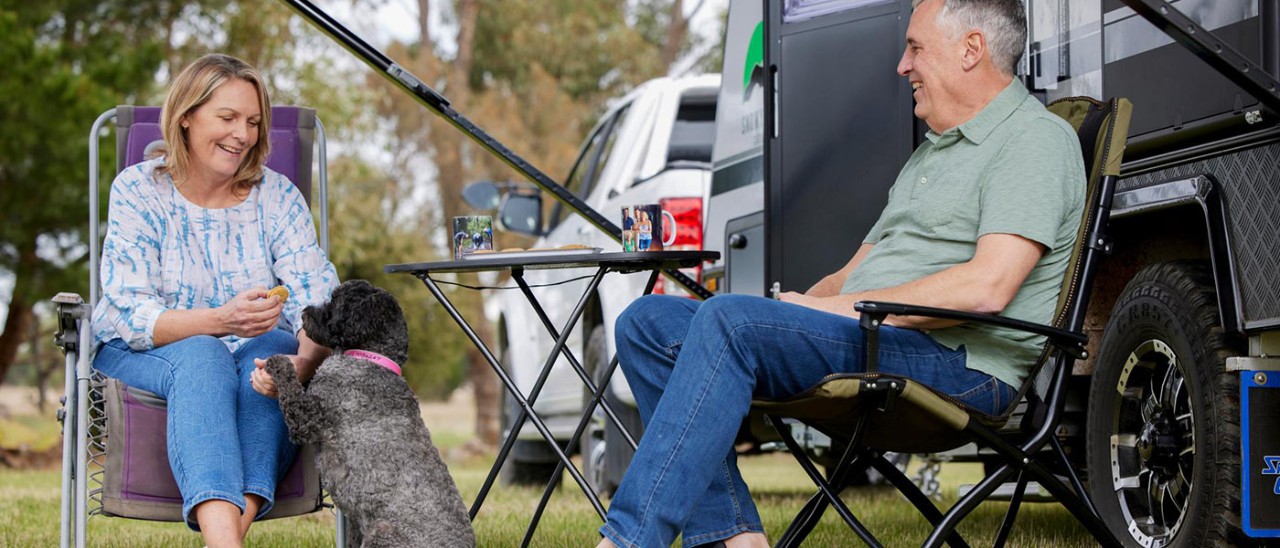
Always check if dogs are permitted at the destinations you plan on travelling to, with dogs prohibited at most national parks. Image: Visit Victoria
Before you book
It can be exciting to head off travelling with your pet. But before you start planning it's important to assess if joining you on holiday is in the best interests of your pet.
Is your pet suitable for travel?
You know your pet best, so consider what their personality is like and whether travelling with you will be an enjoyable experience for them. How is their temperament? Do they like car travel and exploring new places? Do they have any health conditions that could make travelling with them challenging?
Visit the vet
The RSPCA recommends your pet is healthy and up-to-date with vaccinations, worming and flea treatments before you head off on your trip. It can also be worthwhile booking a check-up with their vet before going, to help rule out any surprise ailments while you're travelling.
While there, ask whether your destinations require any additional precautions or preventative medications, such as if you're travelling through areas where paralysis ticks are common. It’s also worth noting the closest vet in each place you plan to visit.
Check your pet's microchip
Microchips are mandatory as a condition of animal registration (complusory in Victoria for animals aged three months or older). These tiny chips contain information about the animal and their owner, and are an effective way of reuniting lost pets with their families.
However, microchips are only as good as the information on them. Before you go, check that your pet’s microchip details are up to date. You can update them through the relevant animal registry. using your pet’s microchip number, which is usually listed on registration or adoption papers or can be checked by a vet.
Get groomed
Dogs with longer hair or that require regular grooming may benefit from getting a haircut a few days prior to going on holiday.
This can help keep them clean and comfortable while away, as well as make it easier for you to check for ticks.
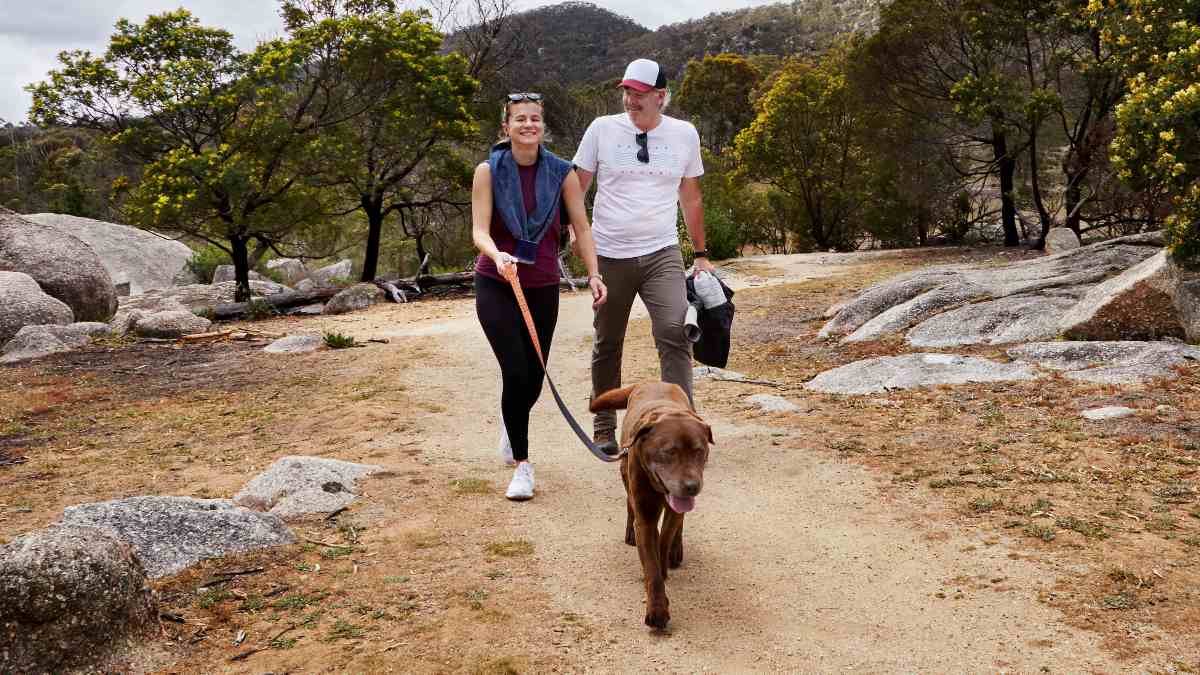
You might be surprised at the number of pet-friendly attractions in Victoria, including the stunning desert gardens at Cactus Country. Image: Visit Victoria
The best pet-friendly destinations in Victoria
There are numerous destinations suitable for pets across Victoria. When deciding on your destination (as well as stop-overs and detours) make sure you confirm if there will be areas you can walk and toilet your dog, as well as if there are any local cafes or pubs that allows pets.
Mornington Peninsula
Enjoy the beach alongside your dog with a holiday to the Mornington Peninsula. The region features multiple on-leash dog-friendly beaches, as well as off-leash beaches (such as Hawker Beach and Royal Beach).
Visiting outside of summer will give you more opportunities to explore, as dogs are banned during most of the day from certain beaches between December and February. You can even bring well-behaved, leashed dogs to certain wineries.
The Murray River
Following the Murray River through towns like Swan Hill, Echuca and Cobram makes for a great pet-friendly inland escape. Off-leash dog parks can be found across the region (including in Echuca, Wodonga and Swan Hill) and your pet can even join you at one of the region's biggest attractions, Cactus Country.
Looking for accommodation? The Murray region is a great location for carvanning and camping, with select caravan sites allowing dogs during certain times of the year.
The Dandenongs and Yarra Valley
Head out to the Dandenongs and Yarra Valley to explore beautiful gardens and indulge at award-winning wineries with your dog in-tow. De Bortoli, Maddens Rise, and Punt Road wineries all allow dogs to visit (check our their websites for further conditions) while one of the the region's most spectacular gardens, the Alfred Nicholas Memorial Gardens, allows dogs to visit on-leash.
You can even book a wine tour specifically designed for pet owners travelling with their dogs.
It's a good idea to check the specifics of pet-friendly accommodation before you book.
How to choose pet-friendly accommodation
Once a novelty, pet-friendly accommodation has become increasingly widespread across Australia. These days it's possible to find holiday houses, hotels and motels, campgrounds, and caravan parks that are willing to accommodate you and your pet. Some accommodation booking websites even feature filters to help you find pet-friendly digs.
Before you book your dog-friendly accommodation, be sure to talk to the host about what that really means, and decide if their place is the right one for you. For example:
- Where exactly is your pet allowed?
- Is there an outside space and is it fully enclosed?
- Where can my dog go to the toilet?
- Are there doggy doors?
- Are there additional charges for your pet?
- Are there stairs that may be hard for an older dog to manage?
Some accommodation providers may restrict particular breeds or sizes, so make sure your pooch is welcome. And if this is your first holiday with your pet in tow, start with a short trip to gauge how well they cope with travel.
Can I take my dog camping?
Many campgrounds and caravan parks welcome pets, but they may not suit every dog. If your dog is anxious, isn’t well socialised, hasn’t been trained or is still settling in with you, alternative accommodation may be a better option. Some campgrounds don’t allow dogs at all, including many within national parks, while others may restrict them at certain times of year.
Interacting with other camp dogs, people and nearby wildlife can be stressful and potentially dangerous to all parties involved. Keep in mind there's also unlikely to be an enclosed area and there’s a risk your dog might not return if they’re off lead.
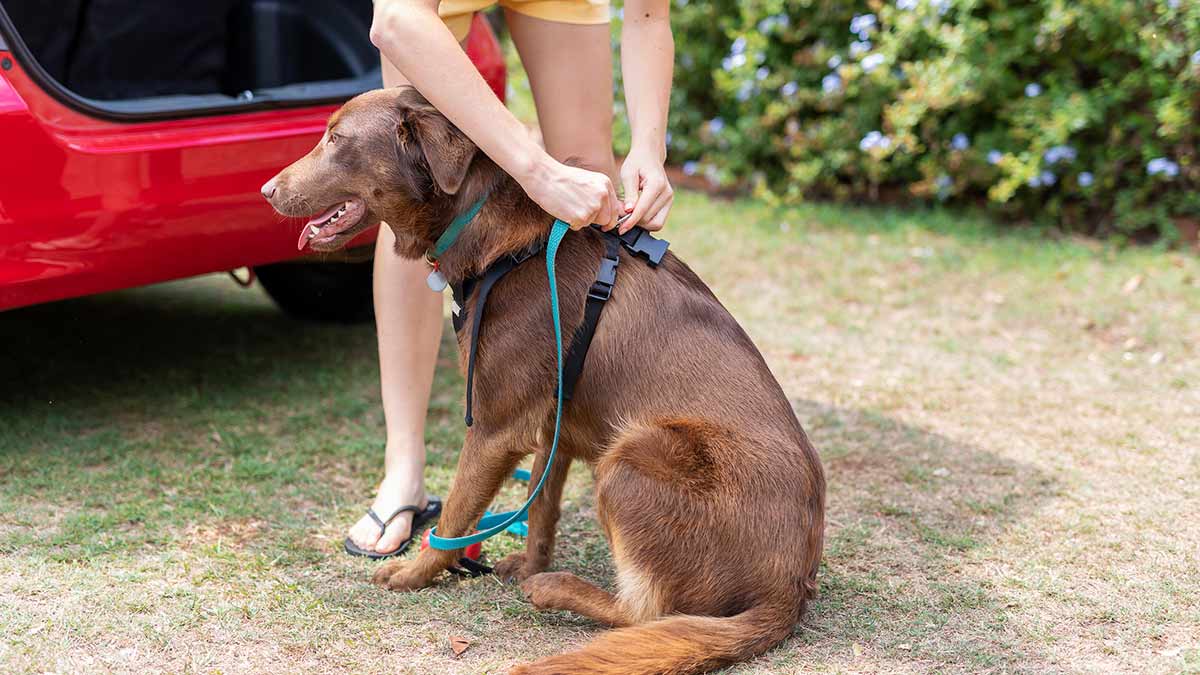
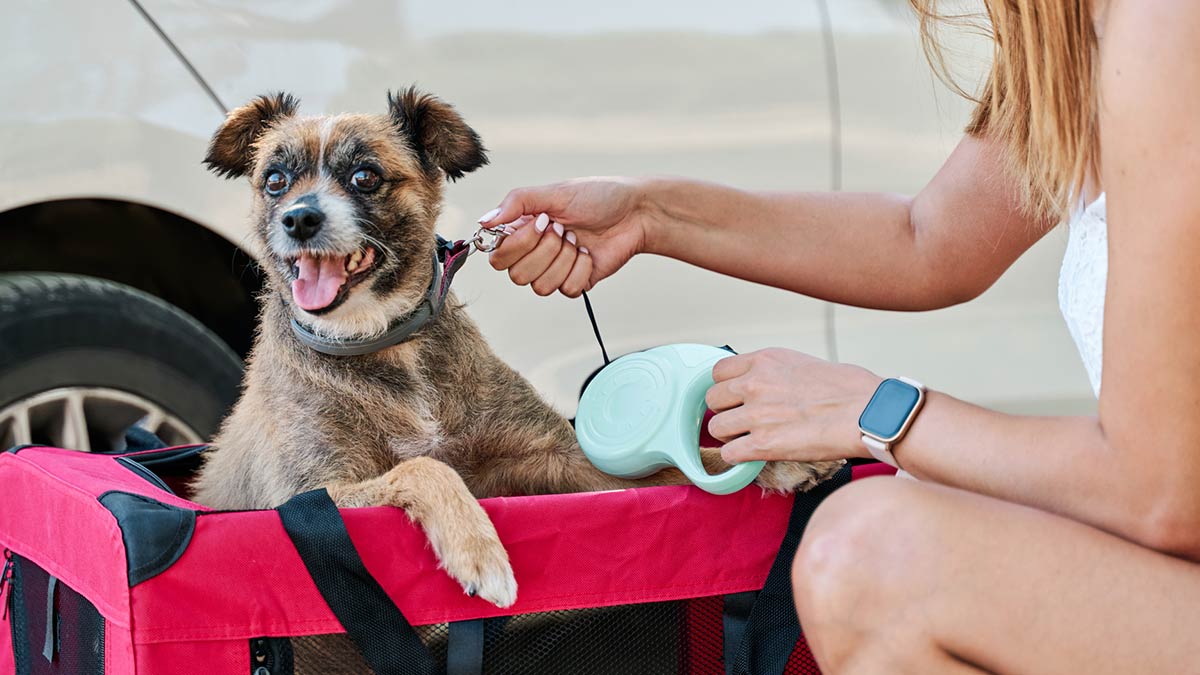
Keeping your dog on lead when getting out of the car and taking rest stops can help keep them safe. Image: Getty
What to pack when taking your pet travelling
When heading to an unfamiliar environment, taking along your pet’s bedding and other familiar items, such as favourite toys and treats, will go a long way to helping them feel settled and happy.
If it’s a long drive to your destination, bring plenty of water and pet food, plus bowls in the car.
More: How to help prevent fatigue while driving.
Packing list
- Food, including enough for the whole holiday if their usual brand may be hard to find while you’re away.
- Bottled water for pit stops
- Bowls (food and water)
- Treats
- Lead
- Collar or harness with identification tags
- Brush
- Bedding
- Favourite toy
- Medication (where required)
- First aid kit (for humans and pets)
It can also be a good idea to bring a hard or digital copy of the following information:
- Microchip details
- Registration details
- Vaccination records
- Emergency vet numbers.
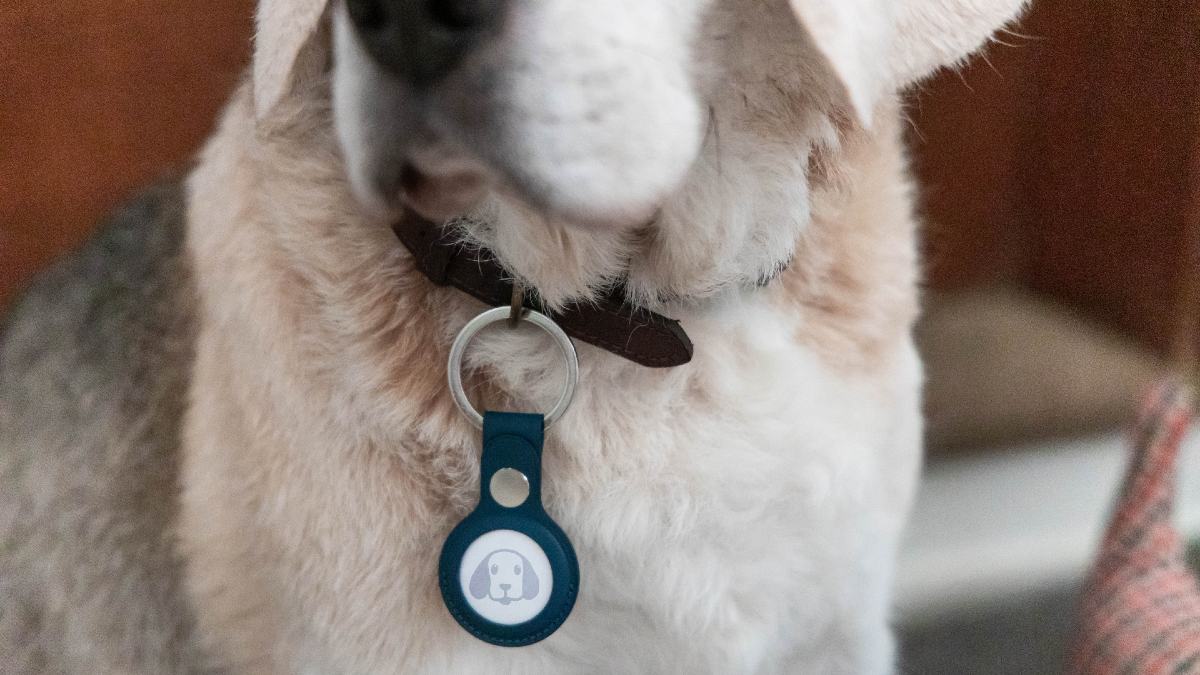
GPS tags for pets are readily available and can offer extra peace of mind in case your dog gets lost in an unfamiliar location. Image: Getty
How to keep your dog safe and secure on holiday
On arrival at your holiday digs, spend some time with your pet introducing them to their new environment. Play with them and give them a pat or a cuddle to reassure them, show them where the grass is for toileting and where their bed, and water and food bowls are.
Being in an unfamiliar environment may make your dog more inclined to try to escape. Make sure they’re supervised at all times, and don’t leave them alone with unfamiliar people.
Consider putting a GPS tracker on their collar. Check in advance where the local vets are for any medical emergency, and the local pound in case your pet gets lost.
How to help prevent snakebites, ticks and heartworm
Snakes
Snakebites are a common hazard in the Australian bush and require immediate medical attention. The RSPCA advises that if you suspect your dog has been bitten:
- Calm your pet
- Apply a pressure bandage to the wound site (if available)
- Immediately go to an emergency vet
Do not attempt to catch the snake, wash the bite wound or apply a tourniquet.
Ticks
Ticks are rare in central Melbourne, but quite common in regional or rural areas (or even outer metropolitan suburbs where there's long grass).
These insects can be extremely dangerous to dogs, causing paralysis or even death. You can help prevent ticks by keeping your pet’s fur short, checking paws (especially between the toes) after walks, and regularly administering an anti-parasitic pill that prevents ticks. A thorough combing within four to six hours of returning from the bush may also stop ticks attaching themselves to your pet.
Due to their small size ticks can be difficult to detect. It’s a good idea to run your fingers through your dog’s fur after they’ve been in the bush to feel for any telltale lumps – especially forward of their front legs. Signs that your dog has a tick vary, but if they have a wobbly walk, a cough, or difficulty eating, breathing or standing, take them to the vet immediately. If you’ve removed the tick, place it in a container so the vet can identify it.
Heartworm
Another serious risk for dogs is heartworm, which is prevalent in New South Wales and Queensland. So make sure their heartworm prevention medication is up to date, particularly if you’re headed to those states.
Watch out for overheating
Dogs can also overheat quickly, so keep a close eye on them when the temperature reaches over 25 degrees. If your dog doesn't have access to a cool inside area, make sure they're provided with plenty of water and shade. Never leave your pet in a car.
Dark-coloured dogs and those with ‘squished’ faces, such as pugs or bulldogs, are particularly sensitive to heat. If you’re worried your animal has heatstroke, cool it down immediately with cold water or wet towels and take it to a vet.
How to drive safely when travelling with pets
No matter how far you’re travelling, your pet should be safely restrained whenever in the car, and never seated on the driver’s lap or the front passenger seat. There are many safe ways your can restrain your dog, including harnesses and seatbelt tethers, crates and carriers.
Break up longer drives with regular stops (at least 15 minutes every two hours) so your pet can exercise, go to the toilet, and have something to eat and drink. Again, never leave them in the car unattended. If you see a dog trapped in a car with no ventilation, call 000.
Read our full guide to driving safely with dogs for more information.
There are many safe methods to restrain your dog while travelling, including seatbelt tethers, carriers and crates. Image: Getty
No, dogs and other domesticated animals are typically not allowed within national parks in Victoria. Exceptions exist for assistance animals, although conditions apply.
Dogs can, however, visit many state and regional parks in Victoria, as well as most state forests.
Always look up the the specific park on the Parks Victoria website (or the relevant state authority for interstate parks) before setting out on your journey.
Take at least a 15-minute break for every two hours of driving. This helps keep your dog healthy and well in addition to helping prevent fatigue as the driver.
Keep your dog on-leash when getting them out of the car before offering them water and the chance to sniff around their new locations. Allow them the opportunity to go to the toilet during these breaks as well.
The RSPCA advises that cats should remain at home when you go on holiday. Cats are creatures of routine and can become very stressed by the changes brought on by travelling.
Where possible, leave your cat at home with a trusted person or professional petsitter responsible for their care. Alternatively, a reputable cat boarding facility can be used.

