
Learn how to keep your home warm this winter while reducing heating costs. Discover energy-saving tips, insulation advice and efficient heating solutions.
Energy Efficiency


Best type of clothes dryer: heat pump vs condenser vs vented
Wondering which clothes dryer is best? Compare heat pump, condenser and vented dryers, including running costs, energy efficiency, and pros and cons to choose the right dryer for your home.
Clothes dryers (also known as tumble dryers) are a major electricity consumer when used regularly, although having solar panels or a solar battery installed can help reduce the cost.
Whether you're replacing an old appliance or buying your first dryer, understanding the differences between heat pump, condenser and vented dryers can help you find the best option for your home and budget.
Each type of dryer has its own advantages, from lower upfront costs to reduced energy consumption. The best clothes dryer for you depends on your household size, available space, how often you do laundry and your electricity costs.
Most modern dryers are simple to install. If you're unsure, it's best to contact a licenced electrician.
How do clothes dryers work?
All clothes dryers remove moisture from wet clothing by circulating warm air through the drum. The main difference between dryer types is how they generate heat and what they do with the moisture extracted from your clothes.
Vented dryers expel hot, moist air outside, while condenser and heat pump dryers collect or recycle that moisture instead. This affects installation requirements, energy efficiency and running costs.
How do condenser dryers work?
A condenser dryer is a tumble dryer that uses high temperatures to dry your clothes. It pushes air over a heating coil, then into the tumble drum that holds your clothes. The hot air extracts moisture from clothes as vapour, which is deposited into a container and condensed into water. The water container is usually connected to plumbing via an outlet hose and automatically emptied, though older models may require manual emptying.
How do heat pump dryers work?
A heat pump dryer also extracts vapour from your clothes, but it uses a coolant on the vapour to remove the condensation and preserve the warm air. This air is reheated and recycled back into the tumble drum, making it the eco-friendlier option. Heat pump dryers cost less to run than other types of dryers, but are more expensive to purchase upfront.
How do vented dryers work?
Similar to a condenser dryer, vented dryers work by using hot air to evaporate the moisture in your clothes. But instead of this moisture then being condensed into water to drain out of the machine, the moisture is vented from the dryer as water vapour. This vapour is either vented directly out of the machine into the laundry room or out a window using a hose. This means that a vented dryer must be placed in a well-ventilated laundry, ideally with an exhaust fan, ducted air or windows, to avoid moisture build-up. Excessive condensation can lead to problems like mould or damage to walls and floors.
Vented dryers usually feature simple designs and are typically the cheapest model of dryer to buy upfront, though they aren't very energy efficient. However, if you only use your dryer sparingly and have a suitable laundry, they may be a good option for you.
More: How to test and improve the indoor air quality in your home
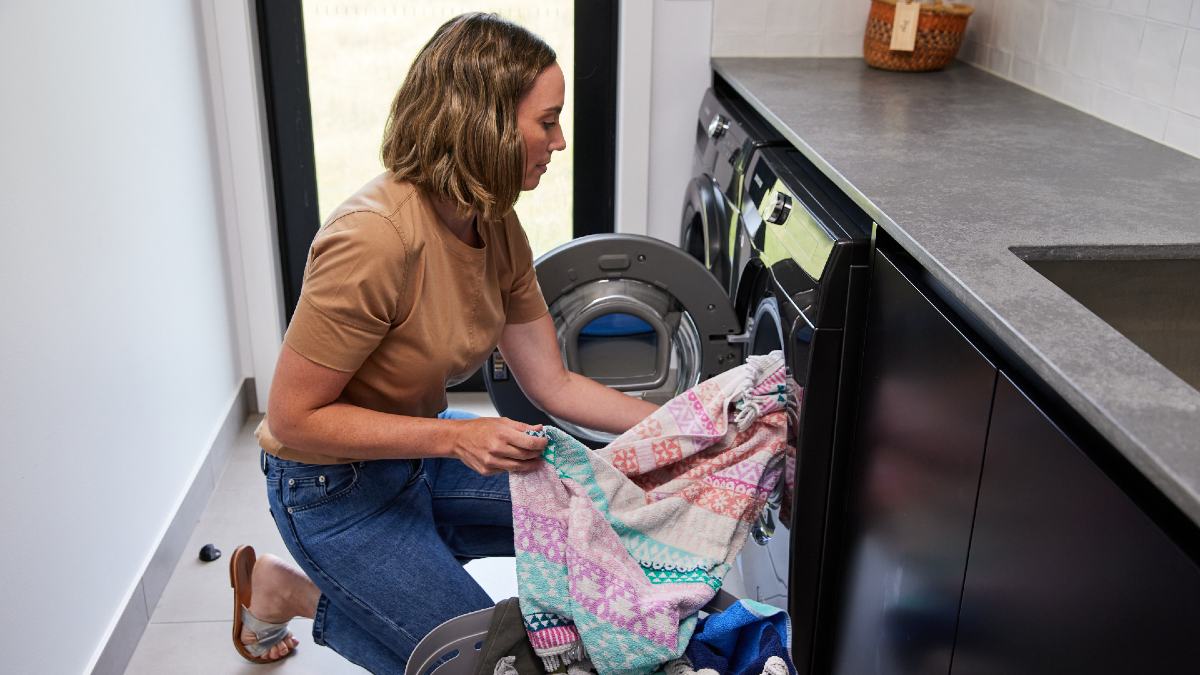
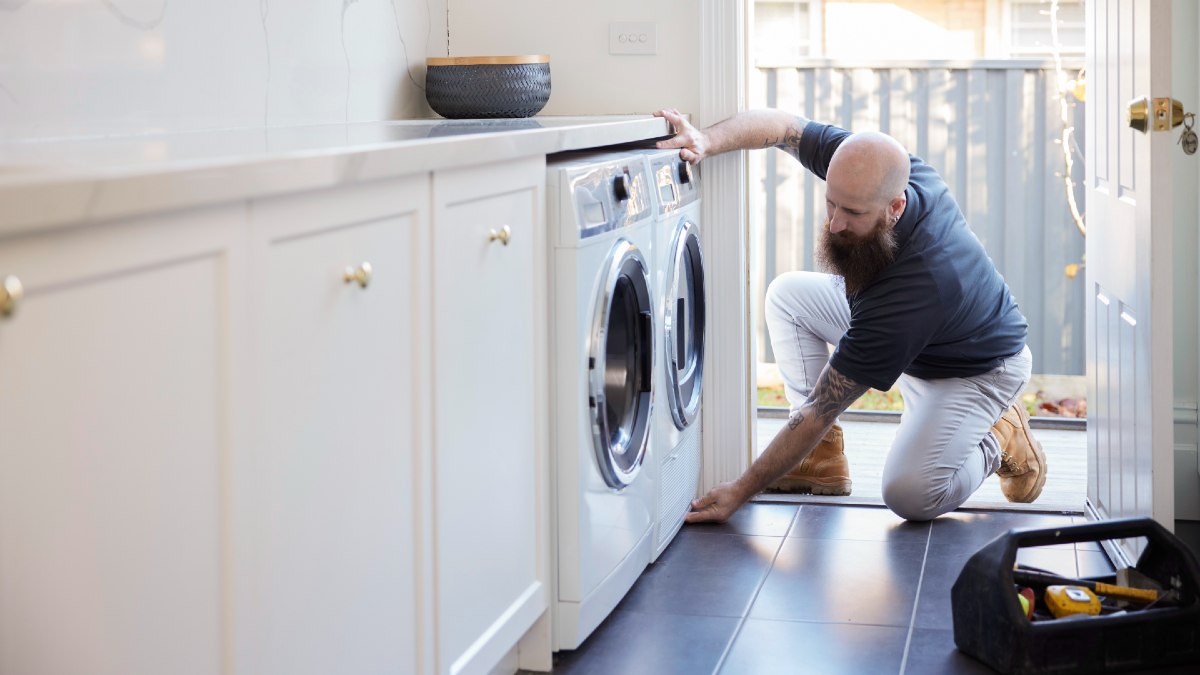
The main types of dryers on the market are heat pump dryers, condenser dryers and vented dryers. Image: Matt Harvey
Vented clothes dryers
Vented dryers are the most traditional and generally the least expensive type of clothes dryer to buy.
They use an electric heating element to produce hot air, which passes through your clothes before the warm, moist air is expelled through a vent or open window. Because they release moisture into the surrounding environment, they work best in well-ventilated areas.
Pros of vented dryers
- Usually the lowest purchase price
- Simple technology that's easy to operate
- Fast drying times for many loads
- Widely available.
Cons of vented dryers
- Higher electricity consumption than other dryer types
- Must be installed in a well-ventilated space
- Can increase humidity inside the home if not properly vented
- Not suitable for small apartments or enclosed laundries.
A vented dryer may suit households looking for an affordable appliance that won't be used every day.
Condenser clothes dryers
Condenser dryers are heavy-duty workhorses that don't require external venting, making them a popular choice for apartments and homes without suitable ventilation.
Instead of releasing moisture into the air, they condense water vapour into liquid, which is collected in a removable water tank or drained directly into a waste pipe.
Pros of condenser dryers
- No external vent required
- Suitable for enclosed laundries and apartments
- Easier installation than vented models
- Generally gentler on clothing
- Can handle last loads and dry clothes fast with minimal noise.
Cons of condenser dryers
- More expensive than vented dryers
- Uses more electricity than heat pump dryers
- Water container needs regular emptying if not plumbed in
- Can produce some heat within the laundry
- More likely to shrink or wear out clothes due to their high drying temperatures
Condenser dryers offer a good balance between convenience and performance, particularly where external venting isn't practical.
Heat pump clothes dryers
Heat pump dryers are the most energy-efficient type of clothes dryer available. Although they generally cost more to purchase, their lower running costs can make them more economical over the life of the appliance.
Instead of creating new heat throughout the drying cycle, they recycle warm air using heat pump technology. This allows them to dry clothes at lower temperatures while using significantly less electricity.
Pros of heat pump dryers
- Excellent energy efficiency
- Lower electricity bills
- Gentle drying helps protect fabrics
- No external vent required
- Produces less heat in the laundry
Cons of heat pump dryers
- Highest upfront purchase price
- Drying cycles are usually longer and louder
- Filters and condenser components require regular cleaning for optimal performance
For households that use a dryer several times each week, a heat pump dryer can offer substantial long-term savings on energy bills.
It's important to consider the location of your dryer before purchasing, as certain types require good ventilation.
Which clothes dryer is cheapest to run?
Heat pump dryers are generally the cheapest clothes dryers to operate because they use considerably less electricity than vented or condenser models. The Federal Government Energy Rating website estimates that an efficient heat pump dryer uses 60 per cent less energy than a conventional dryer.
Some Victorian households may be eligible for a discount of up to $70 on an efficient heat pump dryer, through the Victorian Energy Upgrades program.
While actual running costs vary depending on electricity prices, appliance efficiency and how often you use your dryer, a heat pump model may use around half the electricity (or even less) than a comparable vented dryer.
Although the purchase price is higher, lower energy consumption can help offset the initial investment over time, particularly for larger households with frequent laundry loads.
To find out exactly how much a clothes dryer will cost to run, check its Energy Rating Label. The more star ratings an appliance has, the more energy efficient it is and the less it will cost to run. For example, heat pump dryers are generally rated between 7 and 10 stars for energy efficiency, while vented dryers are rarely rated higher than two or three stars.
More: How to save money on your laundry bills
Which clothes dryer is best for your home?
The right dryer depends on your priorities.
Choose a vented dryer if:
- you want the lowest upfront cost.
- you have a well-ventilated laundry.
- you only use a dryer occasionally.
Choose a condenser dryer if:
- you live in an apartment or townhouse.
- external venting isn't possible.
- you want greater flexibility in where the dryer is installed.
Choose a heat pump dryer if:
- you want the lowest ongoing energy costs.
- you regularly use your dryer.
- you'd like a more environmentally friendly appliance.
- you want gentler drying for delicate clothing.
Is a heat pump dryer worth it?
For many Australian households, the answer is yes.
Although heat pump dryers typically have the highest purchase price, they're often the most economical option over the long term thanks to their superior energy efficiency. They're also gentler on clothing, don't require external venting and work well in apartments or enclosed laundries.
However, if you only use a dryer occasionally, the lower upfront cost of a vented dryer may better suit your needs.
|
Ventilation requirements |
Requires excellent ventilation |
Requires drain hose or manual emptying |
No need for ducted venting |
|---|---|---|---|
|
Cost |
Cheapest to buy |
Cheaper to buy |
Cheapest to run |
|
Benefits |
Easy to use |
Good at handling large loads |
Most energy-efficient |
|
Drying efficiency |
Dries clothes fast |
Dries clothes fast |
Dries clothes more gently |
Tips for using your clothes dryer efficiently
Regardless of which dryer you choose, using it efficiently can reduce electricity use and help your clothes last longer.
When you use your dryer:
- spin-dry clothes thoroughly in the washing machine first to remove as much water as possible
- clean the lint filter after every load to improve airflow and drying performance (and increase fire safety)
- avoid overloading the drum, as clothes need room for warm air to circulate
- clean condenser filters and heat exchangers regularly according to the manufacturer's instructions
- use sensor-dry programs to prevent over-drying (if available on your machine).
Whenever possible, line dry clothes outdoors to reduce energy use. Fresh air and sunlight are great at eliminating dust mites and bacteria: they can even help fade stains and save you money.
More: Clothes cleaning guide
The Victorian Midday Power Saver program also provides three hours of electricity free of charge from 11am-2pm every day from 1 October 2026. To sign up to the Midday Power Saver, you should contact your electricity retailer and check whether the offer is right for your household.
What clothes dryer capacity do you need?
Think about how much laundry you wash (and how often) when deciding on a dryer size or capacity. The kilogram (kg) amount listed as a dryer's capacity refers to the weight of dry clothes that the model can dry in one cycle. A 10kg dryer can therefore dry 10kg worth of dry clothes.
Here is a rough guide to what size dryer you might need:
- 4-6.5kg dryer – dries 4-5 towels or outfits in one cycle: ideal for 1-2 people
- 7-8.5kg dryer – dries 7-8 towels or outfits in one cycle: ideal for 3-4 people
- 9+kg dryer – dries 9+ towels or outfits in one cycle: ideal for 5+ people.
Make sure to measure the space that your dryer must fit into to ensure that you don't purchase a dryer that's too physically large. Remember to leave room for the dryer door to open, for the cables, vents and hose to come out at the back, and a few centimetres around the sides for optimum air circulation.
How do you dispose of a clothes dryer?
Many appliance retailers give you the option of having your old dryer removed and taken away when they install your new one.
Otherwise, clothes dryers are regarded as e-waste, and therefore must be taken to an e-waste drop-off point to be recycled. You can find your nearest e-waste recycling point online.
Some councils also allow e-waste, including whitegoods, to be collected for recycling via their hardwaste collection services.
If you're a renter, does a landlord need to provide a dryer?
In Victoria, rental providers (landlords) are not obligated to provide a clothes dryer in a rental property.
However, as one of 14 categories of minimum standards for rental properties, they must ensure the laundry area is functional with a connected water supply.
If a dryer is included, the landlord is responsible for its repair or replacement.
Using a clothes dryer efficiently can reduce energy bills.
Looking for advice on home appliances?
- How upgrading old household appliances could save you money
- Guide to buying the best dehumidifier
- How to choose the best heating and cooling system
- How to pick the best vacuum cleaner
- Fridge buying guide
- Air fryer guide
Clothes dryer FAQs
Heat pump dryers are generally the most energy-efficient option because they recycle warm air instead of continuously generating new heat. They typically use significantly less electricity than vented or condenser dryers.
Yes, but it should be installed in a well-ventilated area or vented outside. Otherwise, moisture released by the dryer can increase humidity and contribute to condensation or mould.
Generally, yes. Heat pump dryers dry clothes at lower temperatures, so cycles usually take longer. However, they're gentler on fabrics and use much less electricity.
Not necessarily. Most condenser dryers collect water in a removable reservoir that needs emptying after use. Some models also offer the option of connecting directly to a drain.

