
A smelly fridge is more common than you think. Here's how to find the source, banish the odour, and keep your fridge smelling fresh for good - using simple, everyday solutions.
Maintenance
How to get rid of kitchen bin smells
Learn how to clean a smelly kitchen bin, remove bad odours with simple household methods and stop unpleasant bin smells from coming back.
A smelly kitchen bin can quickly make an otherwise clean home feel unpleasant. Food scraps, liquids and bacteria can all create lingering odours, and simply taking out the rubbish may not be enough to get rid of the smell.
Fortunately, regularly cleaning your kitchen bin and changing a few everyday habits can help remove bad smells and mould, and prevent them from returning.
If the odour continues after cleaning your bin and kitchen surfaces, check whether it may be coming from a nearby drain, leaking pipe or appliance connection. Persistent smells, leaks or blocked drains may need prompt attention from an emergency plumber or qualified tradesperson.
Persistent food smells can also attract pests, and unusual odours may indicate rodents or insects around waste areas, cupboards or wall cavities.
Here’s how to clean your kitchen bin, reduce pest risks and spot when a lingering smell could point to a more serious problem.
More: The 10 most common recycling mistakes made in Victoria
Why does my kitchen bin smell?
Kitchen bin smells are usually caused by bacteria breaking down food and other organic waste. Meat scraps, dairy products, seafood, fruit and vegetable peelings can become particularly unpleasant as they decompose.
Liquids leaking from rubbish bags can also collect at the bottom of the bin, while warm conditions can accelerate decomposition and bacterial growth. Even after the rubbish bag has been removed, residue on the inside of the bin can continue to smell.
Separating food scraps from your general rubbish will go a long way to reducing problems. If your council doesn't have a food and garden waste collection, then consider backyard composting.
More: How long does it take for common products to decompose?
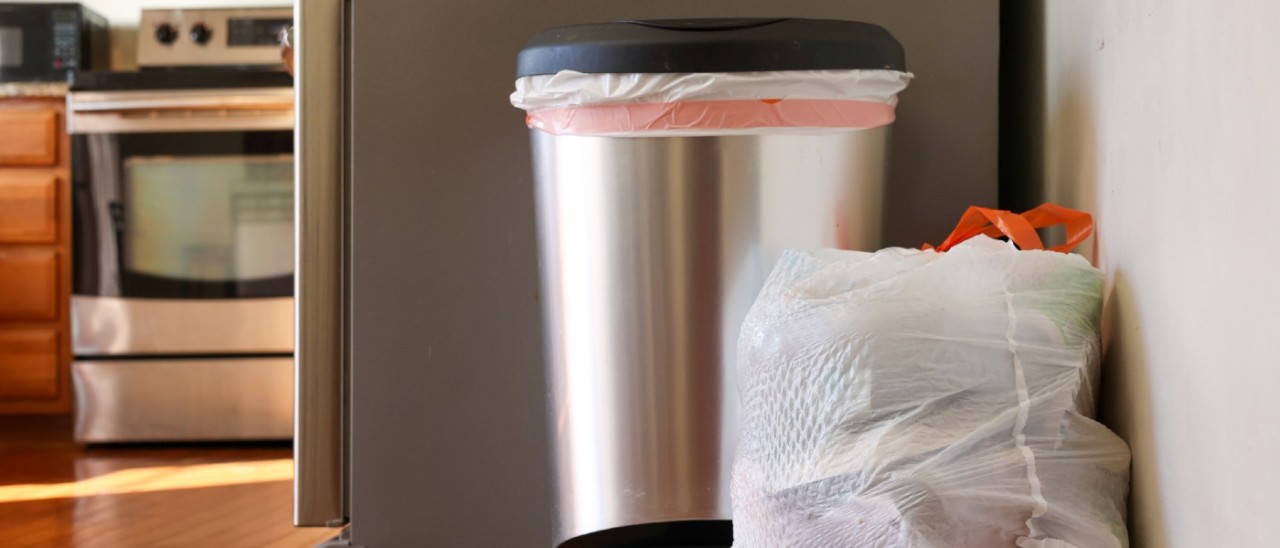
Kitchen bin smells are usually caused by the bacteria breaking down organic waste. Image: Getty
How to clean a smelly kitchen bin
Start by emptying the bin completely and removing any loose rubbish. Check the bottom and sides for spills or food residue that may have escaped the bin liner.
Wash the inside and outside of the bin with warm water and dishwashing liquid or another suitable household cleaning product. Pay particular attention to the lid, rim, handles and any grooves where grime can accumulate.
For stubborn odours, baking soda can help absorb smells. Sprinkle some inside the empty bin, leave it for a while and then wash and rinse thoroughly.
After cleaning, allow the bin to dry completely before inserting a new liner. Leaving moisture inside can encourage bacterial growth and contribute to further odours.
Always follow the instructions on cleaning products and avoid mixing household cleaning chemicals, particularly bleach with ammonia or acidic cleaners.
Can baking soda remove bin smells?
Baking soda, also known as bicarbonate of soda, can be useful for absorbing odours rather than simply covering them with another fragrance.
Once your bin is clean and dry, you can sprinkle a small amount of baking soda across the bottom before adding the liner. Replace it whenever you clean the bin.
If your bin has a removable inner bucket, make sure baking soda or other cleaning substances don't interfere with moving parts or mechanisms.
More: Homemade and eco-friendly cleaning tips for a natural home
How to stop food scraps smelling in the bin
Managing food waste is one of the best ways to prevent kitchen bin odours. If your local council provides a food and garden organics (FOGO) collection, using it correctly can reduce the amount of organic waste sitting in your general rubbish bin.
Mould can grow in kitchen bins when food scraps, moisture and warmth combine, especially if liquids leak from the bin bag or residue is left behind after rubbish is removed.
For particularly smelly scraps that can't be disposed of immediately, keeping them securely contained until collection day may help. Check your council's waste guidelines to understand what can go into each household bin.
More: How to remove mould and prevent it coming back in your home
What if the kitchen bin still smells after cleaning?
If you've thoroughly cleaned and dried your bin but an unpleasant smell remains, inspect hidden areas such as hinges, underneath the rim, pedal mechanisms and the space where the bin is stored.
Sometimes the bin isn't the culprit at all. A “bin smell” that lingers after cleaning may be connected to hidden moisture, mould or rot caused by a leak. Check nearby cupboards, floors and walls for spills, and make sure the smell isn't coming from a drain, dishwasher or other appliance.
Also check for any signs of rodents or insects, such as small droppings, chewed plastic, scattered trash or crawling larvae that could be contributing to the smell.
Regular cleaning, prompt spill removal and good food-waste habits should help keep kitchen bin smells under control – and make your kitchen a much more pleasant place to be.
More: How to keep common pests out of your house: termites, rodents, cockroaches and more
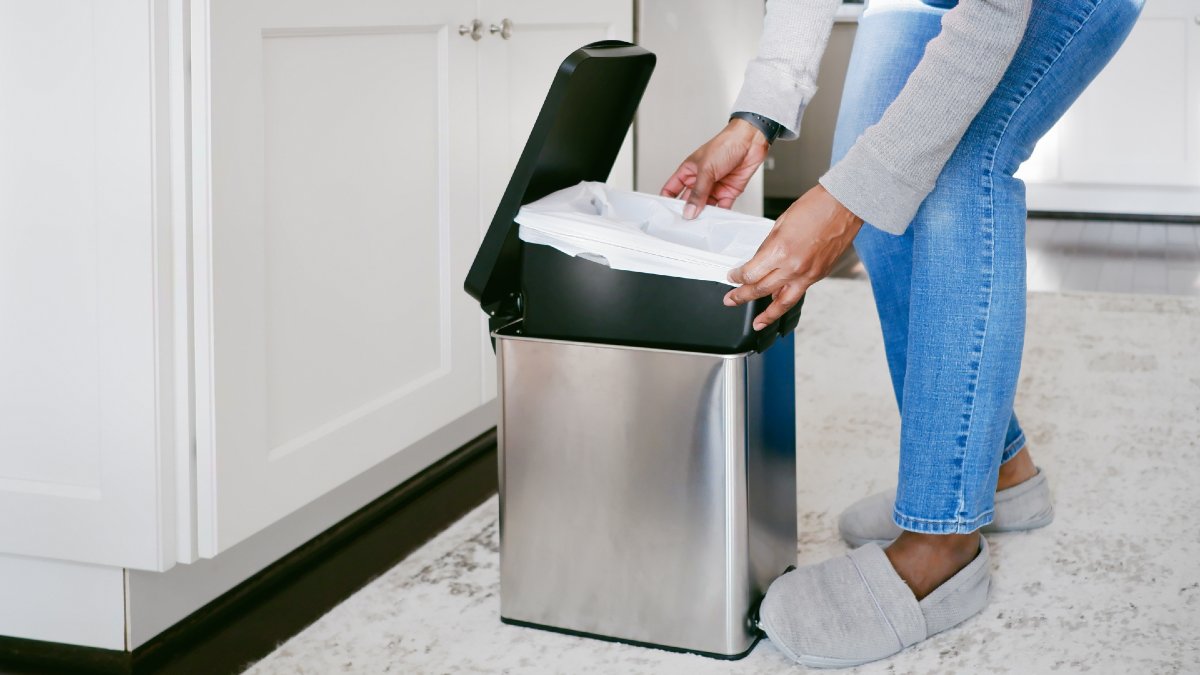
Managing food waste is one of the best ways to prevent kitchen bin odours. Image: Getty
How to stop kitchen bin smells returning
Prevention can make maintaining a fresh-smelling kitchen bin much easier. Try these simple habits:
- Empty the bin regularly - don't wait until the rubbish bag is overflowing, particularly when it contains food waste.
- Use a correctly sized bin liner - a well-fitting liner is less likely to slip down or allow rubbish and liquids to escape.
- Clean spills immediately - if a bag leaks, clean the bin rather than simply replacing the liner.
- Drain wet food waste - removing excess liquid before putting waste into the bin can help reduce leaks and smells.
- Keep the lid and rim clean - these frequently touched areas can collect food residue without being immediately noticeable.
- Wash the bin regularly - periodic cleaning can prevent small spills and residue from becoming bigger odour problems.
- Separate food scraps from general rubbish and put them in a green waste bin collected by the council or set up your own backyard composting.
More: How to get rid of fridge smells (and stop them coming back)
*Subject to the Fair Use Policy. Refer to the RACV Emergency Home Assist Terms and Conditions. (PDF, 3.4 MB) for more details.
RACV Trades is a trading name of RACV's trade partner, Club Home Response Pty Ltd (Victorian registered domestic building practitioner number CDB-U 100178). All works are performed or arranged by Club Home Response Pty Ltd. trading as RACV Trades. See RACV Trades terms and conditions.

