Worn tap washers, ageing pipes, damaged flexible hoses, blocked drains and deteriorated bathroom or kitchen seals.
Maintenance
Plumbing and leaks home maintenance guide for Australian homes
Learn how to detect plumbing leaks early, prevent water damage and reduce repair costs with this practical plumbing guide for Australian homes. Covers emergency response, hidden leaks, mould risk and when to call a plumber.
Most plumbing problems don’t begin with obvious emergencies like flooding or collapsed ceilings. They usually start quietly, such as a tap that never quite stops dripping, a damp smell in the bathroom, or a water bill that rises without explanation.
Between April 2025 and March 2026, RACV Emergency Home Assist attended 17,794 plumbing emergencies across Victoria giving the team deep, front‑line insight into the most common causes of leaks, failures and avoidable water damage in Victorian homes.
According to RACV Emergency Home Assist specialists, plumbing emergencies rarely occur out of the blue. They are typically caused by gradual wear, seasonal pressure changes such as cold winter weather or hidden deterioration that goes unnoticed until visible damage appears. These early warning signs are easy to ignore, but they’re often the point where costly damage can still be prevented.
“Plumbing issues are far easier and cheaper to resolve when caught early,” says Nathan Tayeh, RACV Senior Product Manager of Trades. “Subtle signs such as unexplained moisture or changes in water pressure often point to hidden problems in Australian homes. Engaging a licensed plumbing professional early, and scheduling regular preventative checks, helps reduce the risk of serious water damage and emergency repairs.”
This plumbing and leaks home maintenance guide provides practical, trusted advice for Australian homeowners to help prevent, identify and manage common water‑related issues before they escalate. By understanding what to look for and carrying out regular maintenance, you can reduce future repair costs, protect your home’s structure and lower the risk of secondary problems such as mould growth.
More: How regular house maintenance can help with home insurance claims
Emergency plumbing and leak response checklist
If a plumbing issue occurs, acting quickly can significantly reduce damage.
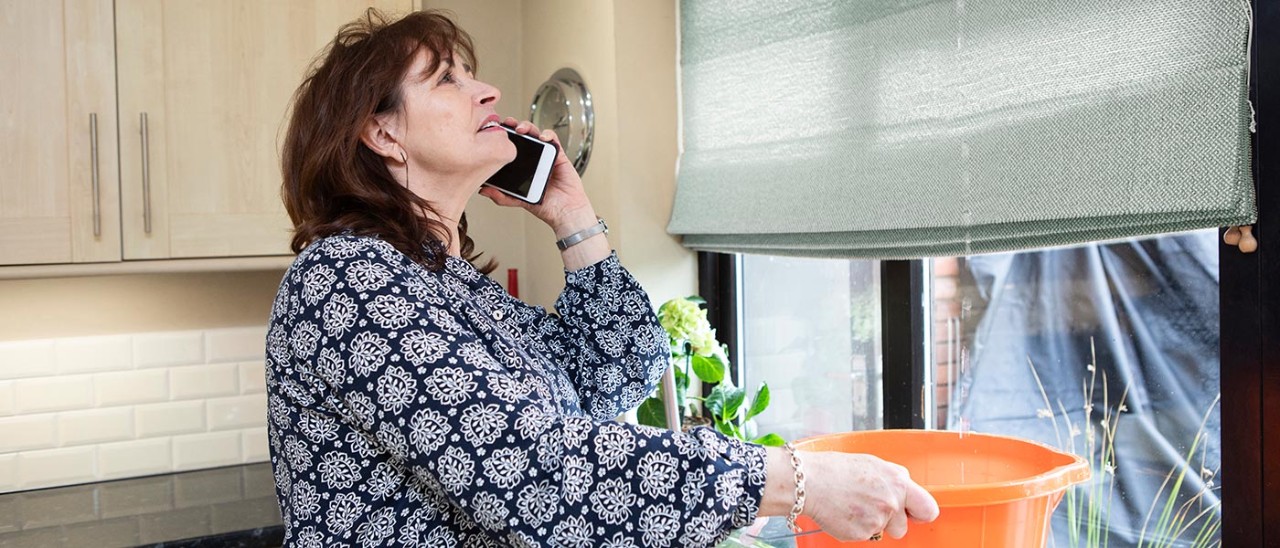
If a pipe bursts or a major leak is detected
- Turn off the main water supply immediately
- Move furniture, personal items and electrical appliances away from affected areas
- Use towels, buckets or containers to limit water spread and protect flooring.
If water is leaking into ceilings, walls or light fittings
- Switch off electricity to affected areas if it is safe to do so
- Avoid using electrical fixtures in wet areas
Once the immediate risk is contained
- Check whether the leak appears isolated or ongoing
- Arrange urgent professional assistance if the source is unclear or damage is increasing
Even short delays can allow water to spread into wall cavities, insulation and flooring, significantly increasing repair costs and mould risk.
More: Regular home safety and maintenance checks to keep your home in top shape
How to identify hidden leaks in your home
Hidden leaks often cause the most damage because they can continue unnoticed for long periods.
Common warning signs of hidden leaks
- Unexplained increases in water bills
- Persistent damp or musty smells
- Discoloured walls or ceilings
- Bubbling or peeling paint
- Warped or swollen flooring
- Moisture in areas without an obvious water source.
Wet areas most at risk
Bathrooms, kitchens and laundries are common locations for concealed leaks. Cracked grout, deteriorating silicone seals and worn connections around sinks, showers and appliances allow moisture to seep beneath surfaces.
More: How to best organise and clean your bathroom
Why hidden leaks escalate quickly
These hidden leaks are often well established by the time visible damage appears, particularly during seasonal changes when pressure and temperature fluctuations place extra stress on pipes, seals and flexible hoses.
More: How to find a water leak in your home in common spots
Blocked sinks, drains and dishwashers
Blocked drains usually develop gradually rather than all at once.
Common causes of blockages
- Grease, fats and oils poured down kitchen sinks
- Food scraps and debris building up in pipework
- Residue accumulating in dishwasher filters
Early warning signs
- Slow‑draining sinks
- Gurgling sounds from pipes
- Standing water in dishwashers after a cycle
Recurring blockages often point to deeper plumbing issues and should be assessed by a licensed plumber.
Dripping taps
A dripping tap is usually caused by worn washers, seals or internal components.
Why small leaks matter
Even a slow drip can waste large amounts of water over time and steadily increase household water bills. Left unresolved, leaks can also damage cabinetry, benchtops and internal structures.
Burst pipes and leaking pipe response
Burst pipes can cause extensive damage in minutes.
Flexible hoses as a common failure point
Flexi hoses connected to washing machines and dishwashers are one of the most frequent causes of burst‑pipe incidents in Australian homes.
Warning signs include:
- Bulging or cracking
- Fraying or rusted fittings
- Visible ageing or stiffness
Proactive replacement of ageing hoses is one of the most effective preventative steps homeowners can take.
More: What to do when a pipe bursts or you have a water leak
Roof leaks
Roof leaks are often linked to blocked gutters, ageing roofing materials or storm damage.
How roof leaks start
When gutters fill with leaves and debris, rainwater cannot drain away properly and may overflow into roof spaces or wall cavities.
Why early detection matters
Ceiling stains, water marks or damp patches should never be ignored. Water entering from above can travel extensively before becoming visible, causing significant internal damage.
More: Guide to house roof leaks, repairs, maintenance and reroofing
Mould risk and bathroom maintenance
Mould thrives in damp, poorly ventilated environments.
Areas most at risk
Bathrooms, laundries and kitchens experience frequent moisture exposure and humidity.
The role of seals and ventilation
Cracked grout and ageing silicone seals allow water to seep beneath tiles and fixtures. Without proper ventilation, moisture becomes trapped, creating ideal conditions for mould growth.
More: How to remove mould and prevent it coming back in your home
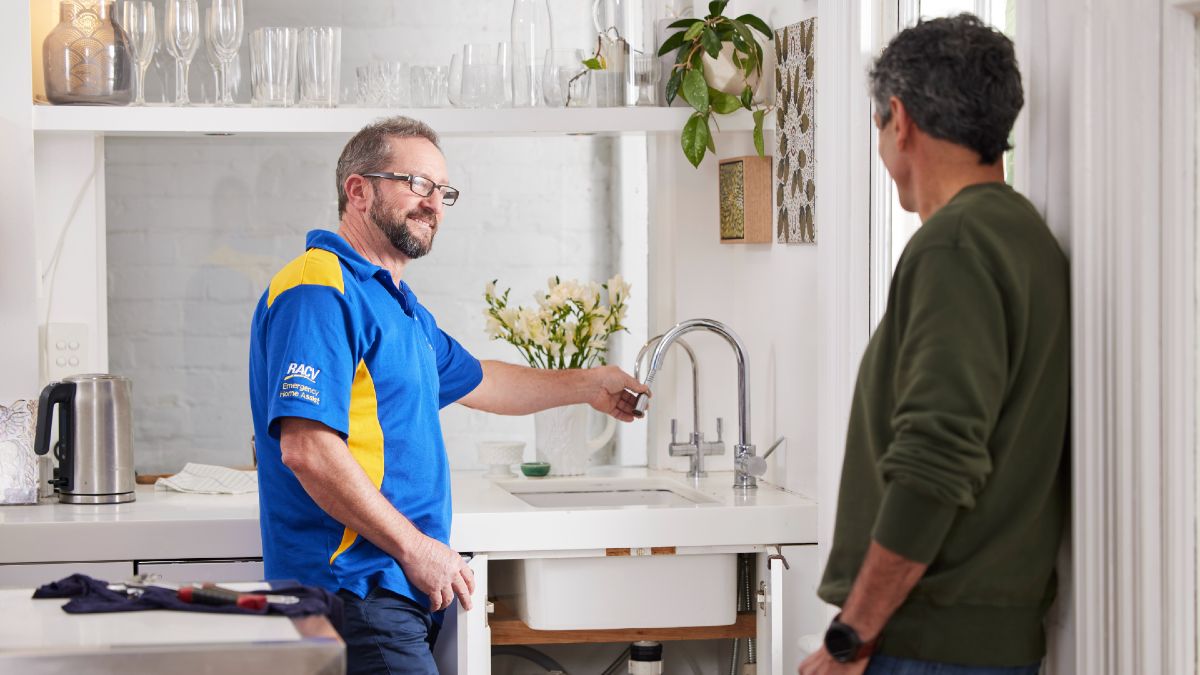
A licensed emergency plumber will be best placed to handle a burst or leaking pipe at your home.
When to call a plumber near me
Some plumbing issues require professional expertise.
Seek professional help if
- Leaks worsen or spread
- The source of water damage is unclear
- Drainage issues persist after maintenance
- Burst pipes, roof leaks or hidden water ingress are suspected
Early professional intervention consistently reduces repair costs and long‑term structural damage.
More: From leaks to blockages: when to call a plumber (and why)
Preventative plumbing maintenance checklist
Regular maintenance helps prevent plumbing emergencies.
Recommended routine checks
- Inspect taps and fixtures for leaks
- Check under sinks for moisture or staining
- Ensure drains flow freely
- Clean gutters seasonally
- Inspect and replace ageing flexible hoses
- Monitor unexpected changes in water pressure or usage
More: How often should you clean gutters? Why gutter cleaning matters
FAQs: Plumbing and leaks home guide
Yes. Even slow drips waste significant water over time.
Turn off the main water supply immediately and arrange urgent repair with a licensed plumber.
Yes. Roof leaks can allow moisture into wall cavities, encouraging mould growth.
Replace hoses showing signs of wear, bulging, cracking or age, even if they haven’t failed yet.


