
A humble mixture of oats, golden syrup, desiccated coconut, sugar, butter and bicarbonate of soda, Anzacs biscuits are great anywhere, anytime.
Food & Wine
Perfectly fluffy scrambled eggs: a step-by-step guide
Learn how to make perfectly fluffy scrambled eggs with a simple low-heat method, plus troubleshooting tips for watery or rubbery eggs.
Want café-style scrambled eggs at home? This guide explains the technique that makes scrambled eggs light, soft and creamy, plus the common mistakes that lead to watery or rubbery results.
Key takeaways
- Use fresh eggs and beat until fully combined (no streaks of white).
- Cook gently over low to medium-low heat for a tender, creamy texture.
- Keep the eggs moving in the pan and take them off the heat while still slightly glossy.
- Add dairy (milk/cream) or cheese for richness, but avoid high heat which can cause splitting and watery eggs.
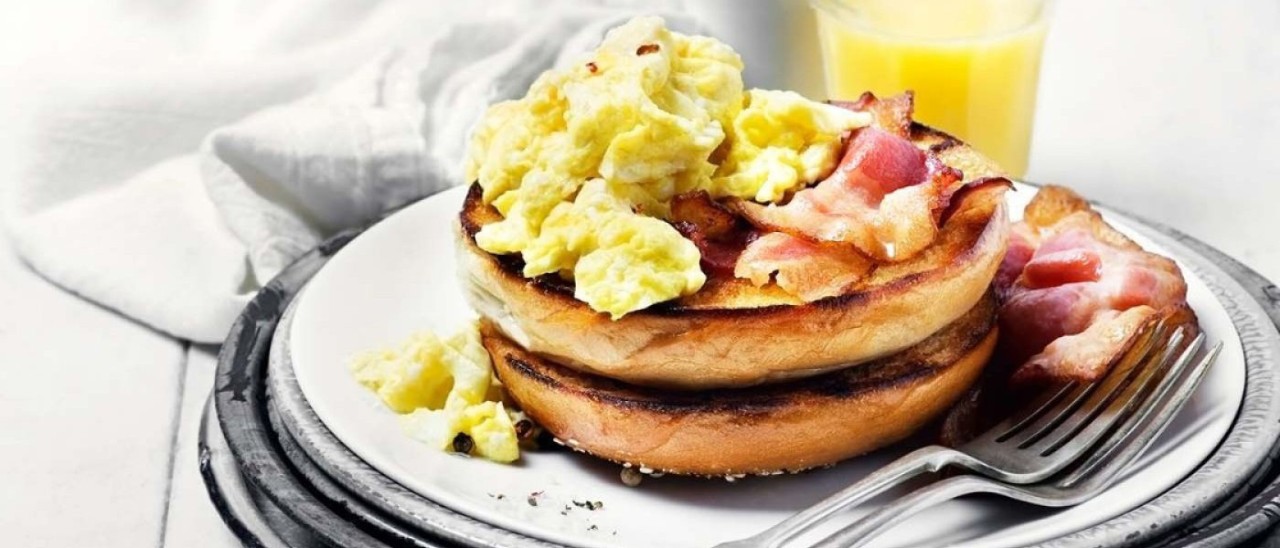
Add Sriracha for spicy scrambled eggs or pesto for a Mediterranean flavour. Image: Getty
Fluffy scrambled eggs
Equipment
- Mixing bowl
- Whisk or fork
- Non-stick frying pan (easiest option) and a silicone spatula
- Plate (warm, low oven about 90°C for 5-10 minutes).
Ingredients
- 2–4 eggs (about 2 eggs per person)
- Salt and pepper
- Butter (for the pan)
- Optional: a small splash of milk or cream
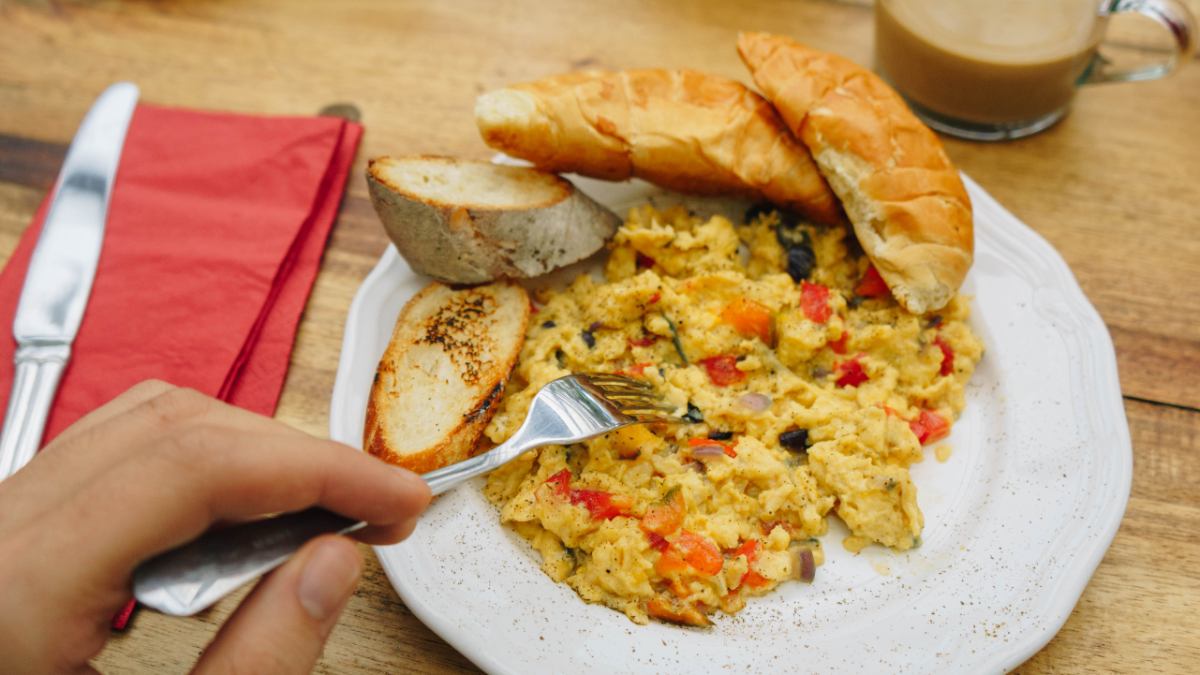
- Optional add-ins: grated cheese (parmesan, goat’s feta), herbs, chilli, pesto, truffle salsa
- Optional on the side: bacon, avocado and toast
Method: how to make fluffy scrambled eggs
- Beat the eggs. Crack eggs into a bowl. Whisk (or beat with a fork) until the mixture is fully combined and an even colour, with no visible streaks of egg white.
- Season and enrich (optional). Add salt and pepper. If you like a richer scramble, whisk in a small splash of milk or cream, or plan to finish with cheese.
- Warm the pan gently. Heat a non-stick pan over medium heat, then reduce to low to medium-low. Add butter and let it melt without browning.
- Add eggs and keep them moving. Pour in the eggs. Use a silicone spatula to push the eggs across the pan in slow, continuous sweeps, lifting and folding as curds form.
- Take them off early. Remove from heat when the eggs are soft-set and still slightly glossy. Residual heat will finish cooking them.
- Serve immediately. Spoon onto toast (and add bacon, herbs or your chosen add-ins).
Troubleshooting: why scrambled eggs go wrong
- My scrambled eggs are watery. This often happens when the pan is too hot—especially if you’ve added milk or cream, which can split. Keep the heat low and cook slowly.
- My scrambled eggs are rubbery or dry. They’re usually overcooked. Reduce the heat and pull the eggs off while they’re still a little glossy.
- The eggs are uneven with bits of white. Whisk longer so the yolks and whites are fully incorporated before cooking.
- The butter browned. The pan is too hot. Start again on lower heat for a sweeter, creamier finish.
Variations and add-ins
- Classic: butter, salt and pepper.
- Cheesy: fold in parmesan or goat’s feta right at the end.
- Spicy: add Sriracha, chilli flakes or fresh chilli.
- Mediterranean: swirl through pesto and finish with herbs.
- Truffle-style: add a small spoon of truffle salsa (a little goes a long way).
- Big breakfast: serve with crispy bacon and toast.
Food safety and leftovers
Scrambled eggs are best eaten straight away. If you do store leftovers, cool promptly and refrigerate in a sealed container, then reheat until hot (they may lose their creamy texture).

