
Learn the best ways to defrost and remove ice from your windscreen quickly and safely. Discover what works, what to avoid, and how to prevent frost in winter.
Car Maintenance

How to maintain your car in winter and cold weather
Learn how to maintain your car in winter and cold weather, with practical tips on batteries, tyres, wipers, visibility and safe winter driving.
Cold weather can be tough on your car. Lower temperatures, wet roads, foggy mornings and shorter daylight hours all place extra strain on your vehicle.
These colder conditions can increase the risk of breakdowns or accidents if your car isn't properly maintained - especially in alpine regions and southern states like Victoria.
The good news is that a few simple maintenance checks can help keep your car reliable, safe and efficient throughout winter. Here's how to prepare your vehicle for cold weather driving.
Do you have RACV Emergency Roadside Assistance? You can request help and track your patrol via the RACV app.
Winter cold weather car maintenance tips
- Check your car battery
- Make sure your lights are working properly
- Monitor engine fluids
- Replace worn windscreen wipers
- Fix windscreen chips and cracks early
- Keep cameras and sensors clean
- Protect your car's exterior
- Inspect your tyres regularly
- Test your heater and demister
- Extra winter maintenance tips for EV owners
- Update your roadside assistance
Check your car battery
Winter is one of the most common times for car batteries to fail. Cold temperatures slow the chemical reactions inside the battery, making it harder for it to produce enough power to start the engine. If your battery is already ageing or weak, colder mornings may push it over the edge.
Make sure you know when your battery is running low. Signs your battery may need attention include:
- slow engine cranking when starting
- dim headlights
- electrical systems struggling to operate
- dashboard battery warning lights
- corroded battery terminals
- loose battery terminal connections.
To help fight the cold, grab a battery blanket and park your car in a garage rather than on the street whenever possible.
Most car batteries last around three to five years. If your battery is nearing the end of its life, consider having it tested before winter fully sets in.
More: Car battery guide: how they work, when to replace them, and how to jump-start
Make sure your lights are working properly
Shorter days and inclement weather mean you're more likely to drive in low-light conditions during winter.
Check all vehicle lights regularly, including:
- headlights
- brake lights
- tail lights
- indicators
- fog lights
- high beams.
Dirty headlights can also reduce visibility, so wipe them down with a chamois or microfibre cloth to maximise brightness.
If your headlights appear cloudy or yellowed, consider restoring them professionally to improve night-time visibility.
Replace blown or dim bulbs as soon as possible.
More: Victorian rules for using fog lights, headlights and driving lights
Winter is one of the most common times for car batteries to fail.
Monitor engine fluids
Cold weather can affect the performance of your car's fluids and systems.
Check the levels and condition of your vehicle's engine oil, coolant, brake fluid, transmission fluid, and power steering fluid.
Check your engine oil
Engine oil plays a critical role in lubricating and protecting your engine, especially during cold starts when engine components experience more strain. Cold weather can cause oil to thicken, making it harder for the engine to circulate properly when you first start the car.
To help your engine perform efficiently during winter:
- check oil levels regularly
- follow your manufacturer's recommended oil grade
- replace old or dirty oil during scheduled servicing
- watch for oil warning lights or unusual engine noises.
If your vehicle is due for a service before winter, changing the oil and oil filter can help improve engine protection and performance in colder conditions.
Check your coolant levels
In winter, coolant prevents the engine from running too cold and helps protect internal components from corrosion. The antifreeze present in coolant prevents the water from freezing and expanding in cold temperatures.
Check coolant levels and condition by using a torch to check the liquid inside the reservoir. Do not mix coolants: check in your handbook for the correct type.
Seek advice from a professional if your coolant is low or needs flushing and replacing (looks brown, sludgy or with visible floating particles).
Consider using fuel injector cleaner
Fuel injector cleaner help removes water and grime build-up to ensure that only clean fuel reaches your engine. This is particularly important in older vehicles, cold weather and stop-start driving.
Using a fuel injector cleaner periodically may help:
- improve fuel efficiency
- reduce rough idling
- improve engine responsiveness
- support smoother cold starts.
Fuel injector cleaner is relatively inexpensive and available at most auto shops. Always use fuel additives according to the manufacturer's instructions and ensure they are suitable for your vehicle type.
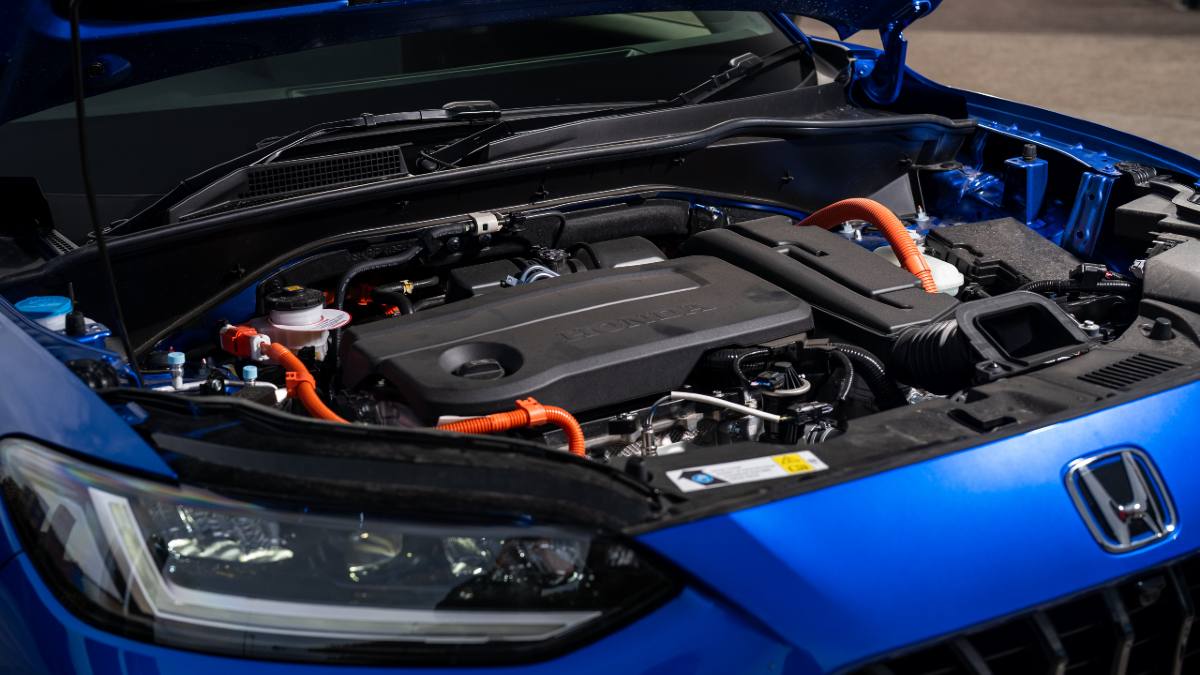
Coolant helps maintain an appropriate engine temperature. Image: Getty
Replace worn windscreen wipers
Winter weather often means rain, mist, mud and road spray - all of which can reduce visibility. Worn windscreen wipers can leave streaks, miss sections of the windscreen, or make it difficult to see during heavy rain.
Replace wiper blades if they:
- squeak
- skip across the windscreen
- leave streaks and smears behind.
Most wiper blades should be replaced every six to 12 months. You can easily buy replacements from auto shops or online stores. Installing wiper blades only takes a minute or two, with no special tools required.
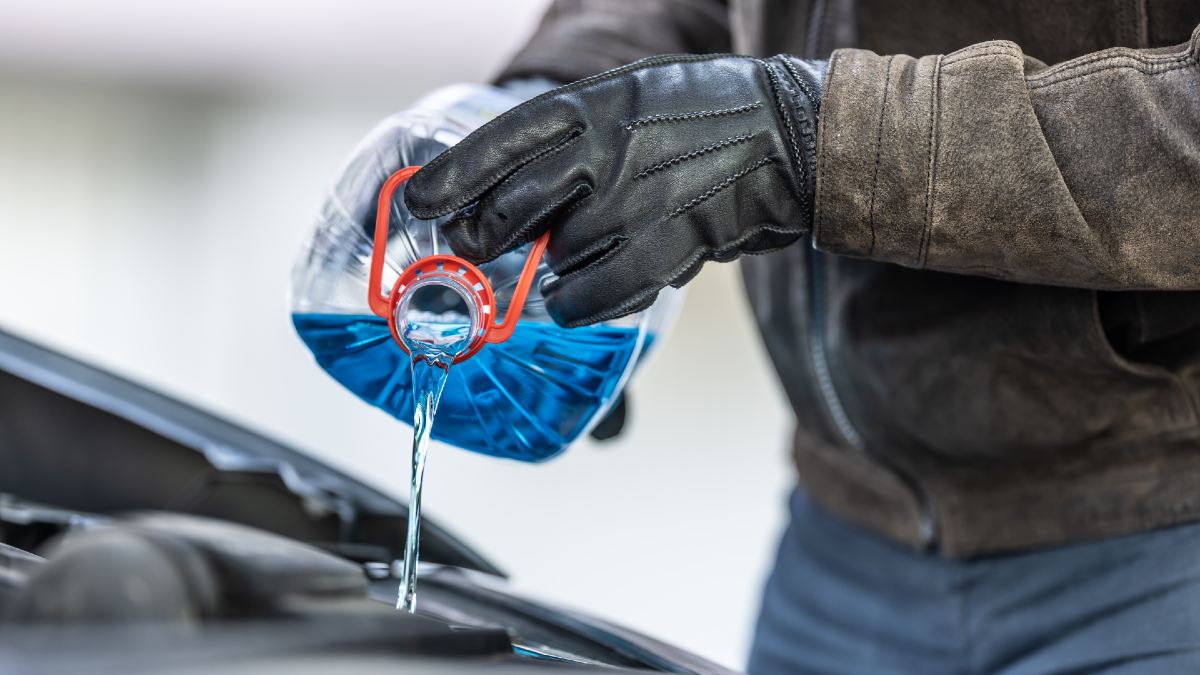
It's also important to top up your windscreen washer fluid regularly. Using a proper washer fluid rather than plain water can help remove dirt, grease and road grime more effectively.
More: Best ways to remove ice from your windscreen
Fix windscreen chips and cracks early
Cold weather can make existing windscreen damage worse. Sudden temperature changes, such as using a hot demister on a freezing windscreen, can cause small chips or cracks to spread quickly.
Even minor damage can affect visibility and, in some vehicles, interfere with safety systems such as lane-keeping assist or automatic emergency braking cameras mounted behind the windscreen.
Have your windscreen inspected or repaired as soon as possible if you notice:
- small stone chips
- cracks spreading across the glass
- distorted visibility
- damage near the driver's line of sight.
Repairing a small chip early is often quicker and less expensive than replacing the entire windscreen later.
More: Should you repair or replace a cracked windscreen?
Keep cameras and sensors clean
Modern vehicles increasingly rely on cameras, radar sensors and parking sensors to operate features like adaptive cruise control, lane departure warnings, blind-spot monitoring, and autonomous emergency braking.
Rain, mud, frost, road grime and fog can obstruct these systems during winter and reduce their effectiveness.
Regularly clean:
- rear-view cameras
- parking sensors
- radar panels
- side mirrors
- windscreens.
Always check your owner's manual to understand where your vehicle's sensors are located and how to maintain them safely.
More: Best car safety features and systems in modern cars
Protect your car's exterior
Winter weather can leave your vehicle exposed to mud, rain, road grime, and - in some areas - salt from coastal air or alpine roads. Regular washing helps protect your car's paint and prevents dirt build-up.
Pay particular attention to:
- wheel arches
- undercarriage
- door seals
- windscreens and mirrors.
Applying wax or paint protection before winter can also help shield the exterior from harsh conditions.
If your car does get any deep scratches, rust may begin to form on your car's body - which can weaken your vehicle in the event of a crash. Make sure you remove scratches from cars before they rust, and to get any rusty scratches fixed by a repair shop as soon as possible.
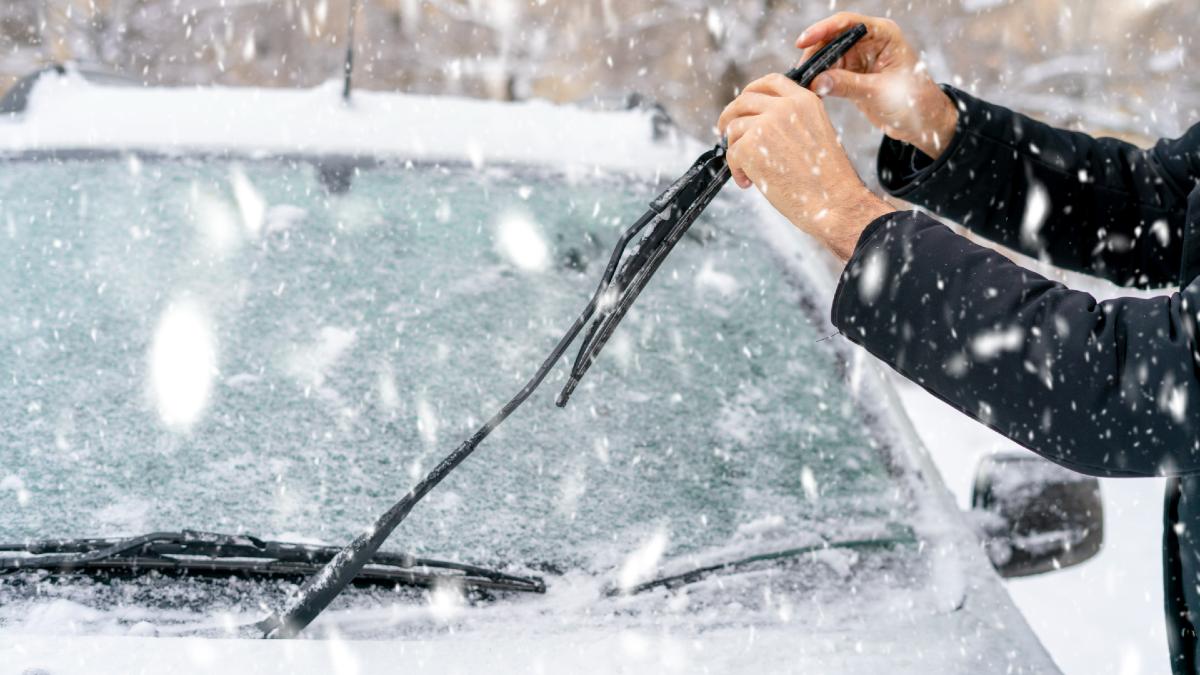
Check your windscreen wipers every winter and replace them when worn. Image: Getty
Inspect your tyres regularly
Tyre pressure
Cold weather can reduce tyre pressure, which wears tyres down faster while weakening their traction and handling.
Underinflated tyres can:
- reduce fuel efficiency
- affect handling
- wear unevenly
- increase the risk of tyre failure.
Next time you stop off at a petrol station, park your car by the air pump and inflate your tyres to manufacturer's recommended level.
Take care not to over-inflate your tyres either, as this can cause less tyre to be in contact with the road.
More: How to check your tyre pressure and recommended inflation
Tyre traction
Better tyre traction equals a safer drive because your car can grip roads better in dangerous conditions. Tyres need extra traction in cold weather, when roads are more likely to be wet and slippery.
You should inspect your tyres for:
- tread depth
- cracks or damage
- uneven wear.
Replace worn-out tyres immediately.
More: Tyre maintenance, roadworthy checks and when to replace them
Snow chains
If you're travelling to alpine regions where snow or ice is possible, check local requirements and follow local signage for snow chains or specialised tyres.
If you're not familiar with snow chains, get instructions from the hire or purchase location and practise putting them on. Always fit and remove the snow chains in an area that is safe and off the main road. If they come loose, check for vehicle damage before refitting.
More: Victorian ski season guide 2025: where to hit the slopes this winter
M+S tyres
When purchasing tyres near winter, you may see tyres marked M+S. This stands for 'mud and snow', indicating that the tyre is designed to perform better in those conditions than standard tyres.
However, these tyres are not subject to regulatory testing and there is no guarantee of specific performance standards on snow or ice.
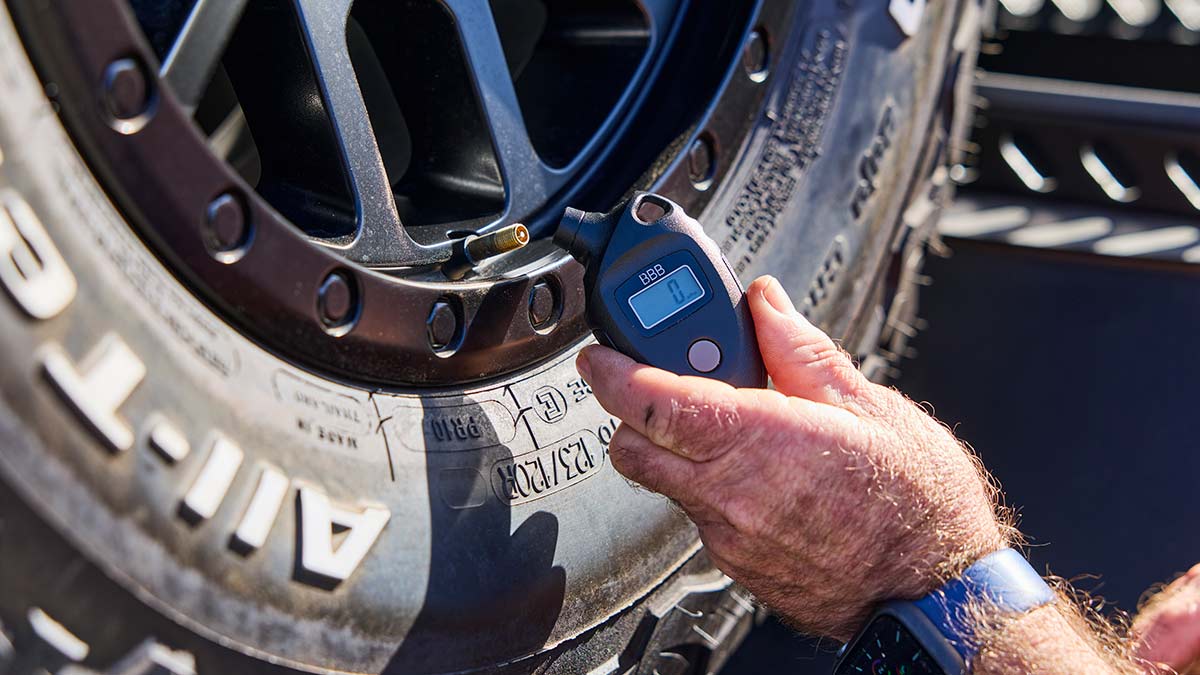
Keep your tyre pressure inflated to their manufacturer's recommended level. Image: Matt Harvey
Test your heater and demister
A functioning heater and demister are essential for comfortable and safe winter driving.
The fastest way to clear a fogged-up windscreen is to turn on the warm air conditioning system, which lowers the humidity. Use the fresh air setting to draw in drier air from outside rather than recycling the damp air inside the car.
If you notice weak airflow, strange smells, or windows taking too long to clear, it may be worth having your ventilation or air conditioning system inspected.
Extra winter maintenance tips for EV owners
Electric vehicles (EVs) can also be affected by colder weather, particularly when it comes to battery efficiency and driving range. Low temperatures can temporarily reduce battery performance, meaning some EVs may experience shorter driving ranges during winter.
To help maximise EV performance in cold weather:
- pre-condition the cabin while the car is charging
- keep the battery charged within recommended levels
- use scheduled charging where available
- check tyre pressures regularly
- avoid aggressive acceleration in slippery conditions.
EV owners travelling to alpine or remote regions should also plan charging stops carefully, as colder weather and steep terrain may increase energy use.
Update your roadside assistance
Check you have the right level of emergency roadside assistance in case of a breakdown, like a flat battery, empty fuel tank, out-of-charge EV, flat tyre, and more common emergencies.
You can now stay updated with patrol van tracking when you request RACV Emergency Roadside Assistance via the RACV App.
RACV Emergency Roadside Assist is a breakdown support service, separate to insurance, that is provided by Royal Automobile Club of Victoria (RACV) Ltd and not RACV Insurance Services Pty Ltd. Emergency Roadside Assistance does not insure you against the costs of a car accident and is not a motor insurance product. Refer to the RACV Emergency Roadside Assistance Terms and Conditions for more details.

