
Underinsuring your home might be one of the biggest and costliest mistakes you could make. Here's how to help avoid underinsuring your home and contents.
Buyer

Missing insulation, water leaks and messy workmanship: the most common issues with new homes
Thinking of joining the thousands of Victorians who choose to build their own home every year? These are the most common issues detected by property inspectors when examining new houses.
Building your own home can be an attractive option for many Victorians — offering custom design and access to financial incentives — but even brand‑new builds often hide unexpected problems.
Senior building and pest inspector Ron Smulders, of Rapid Building Inspections, which is owned by RACV, has inspected more than 4,000 properties in the past five years. He says he’s noticed a general decline in building quality across Melbourne, along with several recurring issues in new homes.
“A lot can go wrong in a new build,” says Smulders. “I’ve found houses where walls are in the wrong position, so the rooms are the incorrect size. I've seen doors in the wrong position or they're swinging the wrong way. I've seen external windows and sliding doors installed incorrectly."
“Generally, a qualified inspector can identify issues long before they become costly mistakes - giving you confidence that your new home is built to standard."
RACV Members save on quality building inspections
Common issues with new house builds in Australia
What type of building inspection is needed for a new home build?
Building inspections vary from new construction stage inspections to pre-purchase building and pest inspections.
With around 50 per cent of his work involving new builds in Melbourne’s booming north and west, Smulders recommends construction stage inspections as the best way to verify quality throughout the building process. These inspections involve checking your new home at key stages of the build, including pre‑pour, frame, lock‑up and handover.
“If you pick up a problem really early it can be easily fixed,” says Smulders. “Ideally the same inspector will do all the inspections, and then you build up a bit of a relationship with the client and the builder.”
What type of building inspection do I need for a recently built (rather than brand new) home?
If you’re purchasing an established property, even if it’s just a year or two old, Smulders recommends a standard pre-purchase building and pest inspection.
Major and safety defects might sound scary, but they can often be rectified - speak to your inspector to get clarification.
The difference between minor and major defects
It’s normal for any building inspection to uncover defects. What really matters is the type and severity.
Minor defects
"I can guarantee you every house will have a list of minor defects,” says Smulders. These are cosmetic or functional issues that look untidy but don’t affect the home’s safety or structural integrity.
Major defects
Major defects are issues that can affect a building’s compliance or cause problems if left unaddressed.
While the term sounds serious, Smulders says it doesn’t always indicate a major structural issue.
"In our reports, major issues highlight areas that haven’t been done correctly and are likely to cause future problems, or indicate an immediate compliance concern," he says.
What are safety defects?
Safety defects are major defects that also pose a health and safety hazard or are not compliant with the relevant trade's industry standards.
Importantly, not all safety hazards are expensive or complicated to fix. For example, a missing visibility decal on a glass door would be a safety defect, but it could also be quickly and easily fixed.
If you're unsure of the defects listed in your inspection, Smulders recommends speaking with your inspector directly for clarification.
| Defect type | |
|---|---|
|
Minor |
Scratches, dents, scuffs, uneven painting, minor plumbing or electrical problems (e.g. a dripping tap or non-functioning light switch). |
|
Major |
Waterproofing faults (e.g. cracked or missing sealant), water leaks, structural cracks or faults, subsidence. |
|
Safety |
Exposed electrical cables, lack of lift-off hinges where required, non-compliant balustrades, window restrictors not installed, blind cord anchors not installed. |
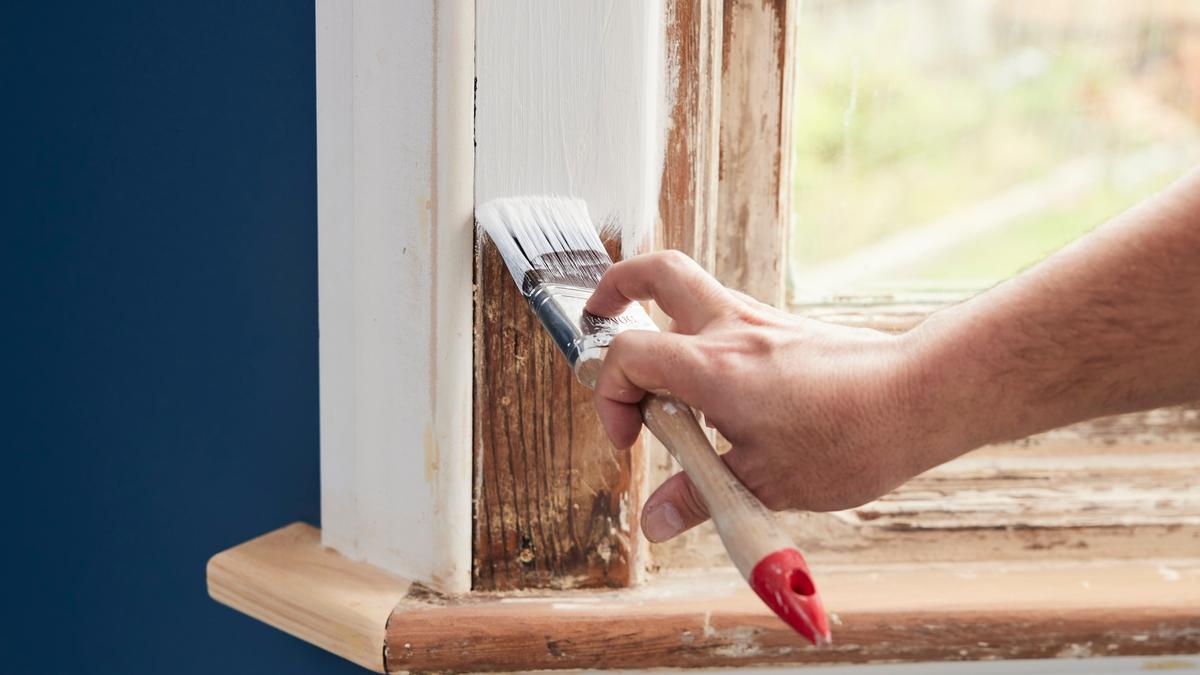
Messy, incomplete, scratched or cracked painting are common defects seen in new housing builds.
The most common building issues to watch out for when buying a new build
Poor painting
The majority of homes that Smulders inspects have issues with the painting or presentation, including incomplete painting, chips, scuffs, scratches, cracks and other defects.
While these errors can be minor, it’s still a good idea to discuss their rectification with the builder prior to settlement. A "finished" home left untidy by the builder may also signal the presence of further defects, Smulders says.
“If you go into a completed new build and it just doesn't look finished – it's dirty, there are doors missing, or there are incomplete works – that's not a good look for the client and the inspection is likely to be far from straightforward."
Wet areas
The presentation and workmanship of wet areas such as bathrooms can often reveal issues, be it poor caulking, messy junctions, leaks or incomplete works in general.
“People concentrate on their bathrooms and kitchens, that's what they gravitate to,” explains Smulders. “And if they're not right, well, they're pretty disappointed.”
These issues aren't always visible to the naked eye, so Ron says Rapid Building Inspections uses moisture meters and thermal imaging cameras to help detect leaks.
Poorly constructed wet areas can also be costly, with undetected water leaks potentially leading to significant structural damage and mould.
Roofing issues
Smulders notes that he commonly finds issues in roof spaces, such as incorrectly installed (or absent) insulation, missing ducting or work that doesn’t meet the Australian standards.
“I know people think, well, you don't look in a roof right, but as part of our inspections we do,’ he says. “It's not uncommon for me to find houses with no insulation in it at all [in the roof].”
"Our inspectors can use drones to help inspect roofs thoroughly, especially on properties with more than one storey."
Read more: Everything you need to know about roof leaks, repairs and maintenance.
External presentation
While not all building contracts will include landscaping services, builders should still leave the external areas of your new home neat and tidy. Left behind building debris and excess materials are “pretty common”, according to Smulders. It’s worth requesting that the external areas are cleaned up by the builder prior to your settlement.
Opting for stage inspections when building your own home can help avoid major headaches.
Do new builds need a pest inspection?
Smulders recommends that even new buildings have a pest inspection. This can help ensure that the termite barrier (where required) has been installed correctly and if there are any conditions that are conducive to a infestation.
"Timber pallets or incorrectly placed gardens can potentially cause a pest infestation even in new builds," Smulders says.
In areas that require it, builders must install a termite barrier as part of the building permit. The building surveyor will then check for a termite protection notice, which many building inspectors will check for as well.
Read more: The most common household pests and how to keep them out of your house.
What to do if your new build has problems
Stage inspections can help pick-up building issues and defects while they’re still small and easier to fix.
If your building inspector flags an issue, follow it up with your builder to fix the defect. Smulders says a reputable building inspector will recheck any previous issues flagged at the re-inspection.
Where issues are detected at the final stage (the handover), you may need to negotiate rectification with your builder. This could include them completing the necessary repairs or reducing the final price.
“If we feel a house is not up to standard, we always recommend a re-inspection prior to settlement,” Smulders says.

