
A roof protects your home against the elements, but it needs to be kept in good condition to help protect your asset. Here’s a guide to roofing materials, common roof issues, dealing with solar panels, and maintenance tips.
Roofing
Drone roof inspections explained
Learn how drone roof inspections work, what issues they can identify, and why they're becoming a popular tool for assessing roof condition.
A drone inspection can help homeowners identify roof damage, assess maintenance needs and investigate potential problems without having to climb onto the roof.
Your roof plays an important role in protecting your home from the elements. However, because much of it is difficult to see from the ground, signs of damage or the need for roof repairs can go unnoticed until bigger problems occur.
Roof inspection with a drone offers a convenient way to inspect hard-to-reach areas. High-resolution cameras capture detailed images of roofing materials, gutters and other roof features.
Here's how drone roof inspections work, what they can reveal and when you might consider booking one.
RACV Members save on quality building inspections Australia-wide, with drone-assisted roof inspections available as an optional add-on.
What is a drone roof inspection?
A drone roof inspection involves using a remotely piloted aircraft equipped with a camera to examine the condition of a property's roof.
Rather than requiring someone to physically access every section of the roof, a trained drone operator can capture aerial photographs from different angles. These images can help identify visible damage, deterioration and maintenance issues that may be difficult to detect from the ground.
Drone roof inspections can be particularly useful for properties with steep, high or complex rooflines, where traditional inspections may involve additional safety equipment.
However, drone inspections don't replace every aspect of a professional roof assessment. Some problems require closer examination or physical testing to confirm their cause.
More: What are the benefits of a property inspection?
How do drone roof inspections work?
A typical drone roof inspection involves several steps.
1. Initial property assessment
The operator assesses the property, roof structure, surrounding obstacles and weather conditions to determine whether a drone inspection can be carried out safely.
2. Drone flight and image capture
The drone flies around and above the property, capturing high-resolution photographs of accessible roof areas, including tiles, metal roofing, gutters, flashing and roof penetrations.
3. Review of roof condition
The captured footage is examined for visible signs of damage, wear or potential maintenance issues.
4. Inspection report
Depending on the service, homeowners may receive photographs, annotated images or a written report highlighting potential problems and recommended next steps.
If significant damage is identified, a qualified roofing professional may need to conduct a closer inspection.
More: Guide to house roof leaks, repairs, maintenance and reroofing
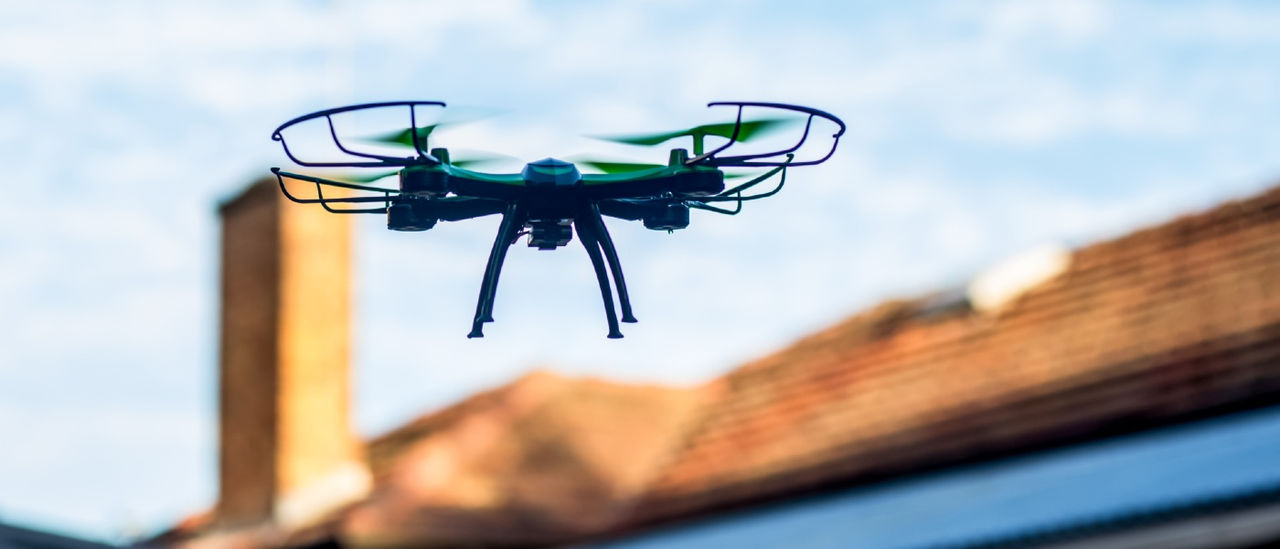
A drone inspection can help assess a roof’s condition remotely.. Image: Getty
What can a drone roof inspection detect?
Drone roof inspections can help identify a range of visible roofing issues, including:
- cracked, broken or missing roof tiles - damaged tiles may allow water to enter the roof space.
- rust or corrosion - metal roofing, gutters and flashing can deteriorate over time.
- blocked or damaged gutters - leaves, debris and damaged guttering may interfere with drainage.
- damaged flashing - flashing around chimneys, vents and roof junctions can become loose or deteriorate.
- storm damage - strong winds, hail and falling branches can damage roofing materials.
- moss and vegetation growth - excessive growth may contribute to moisture retention or indicate areas requiring maintenance.
- loose roofing materials - displaced ridge capping or metal sheets may require professional attention.
- other hard-to-access areas - depending on the provider, a drone inspection may also identify issues with solar panels and upper-level walls and windows.
While drones can reveal visible defects, they generally cannot identify concealed problems such as damaged roof framing, hidden leaks or moisture beneath roofing materials without additional investigation.
RACV offers quality roof repairs and roof restoration in Melbourne and Victoria.
More: How often should you clean gutters?
What are the benefits of using a drone for roof inspections?
Drone roof inspections offer several advantages over traditional visual inspections.
Improved safety
Inspecting a roof can involve working at heights, particularly on steep or multi-storey properties. Drones can reduce the need for inspectors to physically access potentially hazardous roof areas.
More: How to use a ladder safely around the home to prevent falls
Access to difficult areas
Drones can capture images of roof sections that may otherwise require ladders, scaffolding or specialised access equipment.
Detailed photographs
High-resolution imagery allows homeowners and roofing professionals to review the roof's visible condition and compare changes over time.
Potential time and cost savings
Drone inspections may be quicker and less disruptive than some traditional inspections, particularly where extensive access equipment would otherwise be required.
However, the cost and suitability depend on the property and the scope of the inspection.
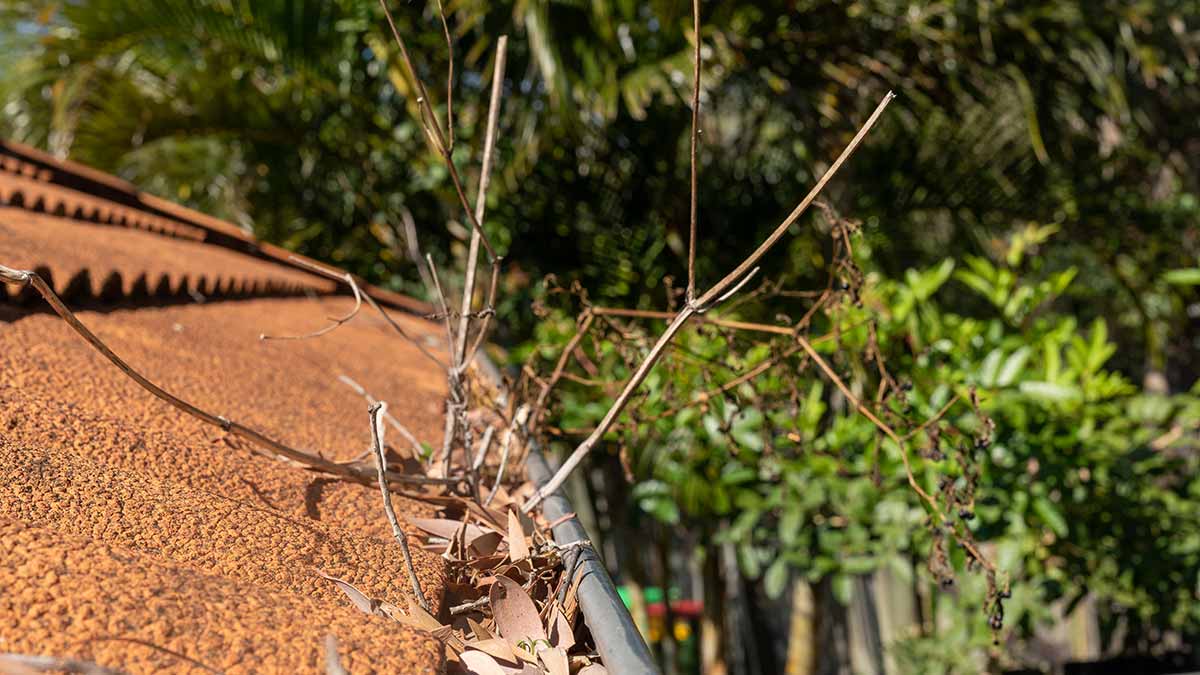
Drone roof inspections can detect things such as blocked roof gutters. Image: Getty
How much does a drone roof inspection cost?
The cost of a drone roof inspection in Australia varies depending on the size and complexity of the roof, property location and level of reporting required.
Factors that may affect the price include roof height, accessibility, the number of images required and whether a detailed condition report is included.
Some providers offer standalone drone inspections, while others include drone photography as part of a broader roof or building assessment.
Before booking, request a written quote outlining what's included and whether further physical inspection may be necessary.
RACV Members save on quality building inspections Australia-wide, with drone-assisted roof inspections available as an optional add-on.
When should you consider a drone roof inspection?
You might consider a drone roof inspection:
- After severe weather, including storms, strong winds or hail.
- If you notice water stains, leaks or other signs of possible roof damage.
- Before buying a property, as an additional assessment alongside a building inspection.
- When planning roof repairs, restoration or maintenance.
- As part of routine property maintenance, particularly for older homes.
If you suspect storm damage, avoid climbing onto the roof yourself. A professional can help determine the safest inspection method.
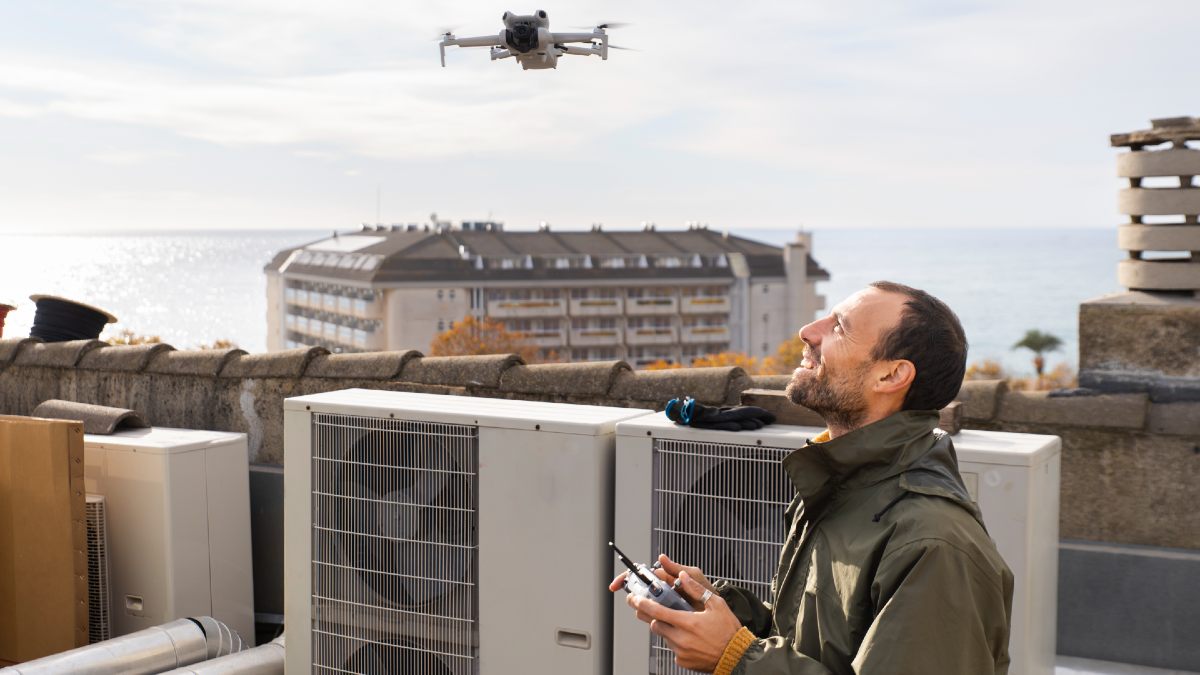
Drones can make roof inspections safer by reducing the need to work at height. Image: Getty
Can a drone roof inspections replace a traditional roof inspection?
Drone inspections are useful, but they have limitations.
Poor weather, strong winds, nearby obstacles and airspace restrictions may prevent or delay flights. Drone operators must also comply with applicable Civil Aviation Safety Authority (CASA) rules.
Importantly, aerial images cannot always confirm whether a roof is watertight or structurally sound. A licensed or appropriately qualified roofing professional may need to investigate further.
More: What property inspections don't cover
How to choose a drone roof inspection provider
Look for a provider with relevant experience, appropriate insurance and an understanding of roof construction - like RACV Property Inspections.
Ask whether the operator complies with CASA requirements, what the inspection report includes and whether a qualified roofing professional will assess the findings.
A drone roof inspection can be a useful first step in understanding your roof's condition. By identifying visible problems early and seeking professional advice where needed, homeowners can make more informed decisions about roof maintenance and repairs.
RACV Property Inspections is a trading name of Rapid Building Inspections Pty Ltd which is an indirect wholly owned subsidiary of RACV. All inspections are performed or arranged by Rapid Building Inspections Pty Ltd trading as RACV Property Inspections).
*Reports sent within 24 hours of inspection completion (excluding weekends and public holidays) for building and pest, building‑only, pest‑only and stage inspections, provided payment is received in full.

