
Incentives exist to encourage off-the-plan purchases in Victoria, but it’s important you understand the risks involved, as well as how you can mitigate them.
Buyer

What property inspections don't cover
Learn what a standard property inspection doesn't cover, common buyer misconceptions, and when specialist inspections may be needed before buying a home.
Buying a home is probably one of the biggest financial decisions you'll make, so it's natural to want as much certainty as possible before signing a contract. A professional property inspection is an important part of the buying process because it can identify significant building defects, safety hazards and maintenance issues that may not be obvious during an open inspection.
"A pre-purchase property inspection is an important due-diligence step before committing to buy a property," says Kieran Davies, Home Trades Hub Australia (HTHA) Head of Inspection Sales & Operations. "The relatively low cost of an inspection compared to the price of a home or even major repairs represents good value in uncovering risk."
However, many buyers mistakenly assume a building inspection is a complete assessment of every aspect of a property. Understanding what an inspection does – and doesn't – cover can help you avoid surprises and know when additional specialist inspections may be worthwhile.
What Australian Standards mean for property inspections
Building inspections are conducted in line with Australian Standards, which set out the scope and limitations of a standard inspection. This means inspectors assess accessible areas and visible defects, but they may not be able to inspect concealed, unsafe or inaccessible parts of the property.
"It's important to understand the limitations inspectors face based on property access, safety and even the Australian Standards they are inspecting to," Davies explains. "The scope and length of an inspection is designed to balance a thorough assessment of risks present in the property while keeping pricing reasonable for customers. Where particular risks are identified, further investigation will be recommended."
What does a standard property inspection cover?
A standard pre-purchase building inspection involves a visual assessment of the property's readily accessible areas. The inspector looks for evidence of significant defects, structural issues, moisture problems, timber pests (if included in the inspection), safety concern and maintenance issues that could affect the property's condition or value.
The report typically comments on visible parts of the:
- roof exterior (where safely accessible)
- gutters and downpipes
- walls, ceilings and floors
- windows and doors
- subfloor areas (where accessible)
- roof space (where accessible)
- exterior structures attached to the home
- site drainage around the building
- signs of movement, cracking or moisture.
The inspector documents what can be readily seen on the day of the inspection and highlights issues that may require repair, monitoring or further investigation.
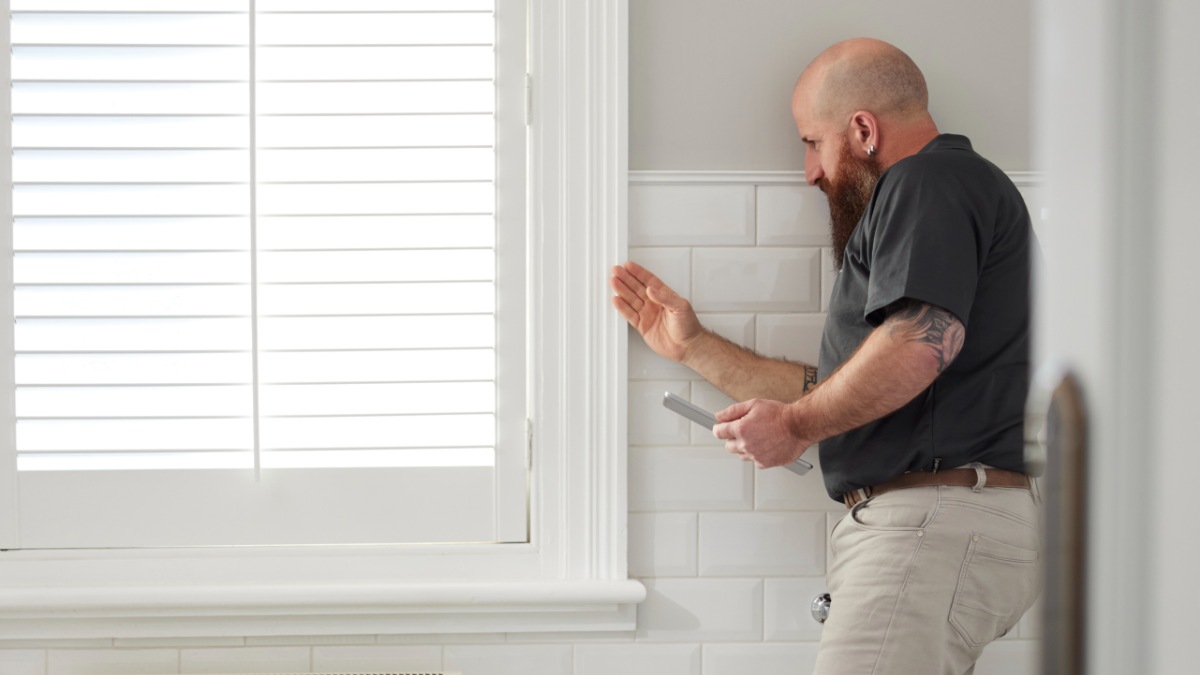
A standard pre-purchase building inspection involves a visual assessment of a property's readily accessible areas.
What property inspections don't cover
Because inspections are visual and non-invasive, there are important limitations buyers should understand.
Hidden defects behind walls, floors and ceilings
Building inspectors don't dismantle parts of the home or perform destructive testing. That means they generally can't inspect what's hidden behind plasterboard, insulation, flooring or built-in cabinetry.
For example, concealed water leaks, damaged framing, poor insulation or hidden mould may not be detectable if there are no visible signs on accessible surfaces.
If the inspector identifies evidence suggesting a concealed issue, they may recommend further investigation by an appropriate specialist.
Plumbing and drainage systems
Inspectors can identify obvious plumbing defects that are visible during the inspection, such as leaking taps, water stains or signs of poor drainage around the property. However, they don't test the condition of underground sewer pipes, water supply lines or stormwater systems. They also don't perform CCTV drain inspections or pressure testing.
If you're purchasing an older home or a property with large established trees, arranging a specialist plumbing inspection may provide additional peace of mind.
Electrical systems
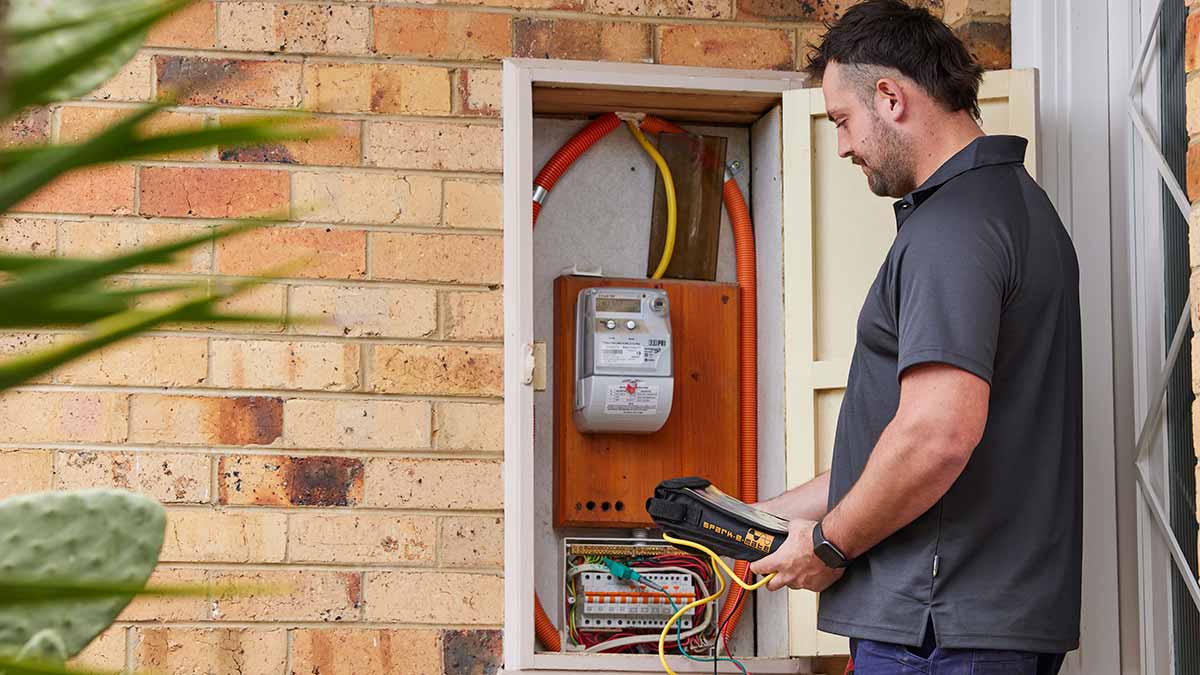
A building inspection isn't an electrical safety inspection. Inspectors may identify visible concerns such as damaged switchboards, exposed wiring or outdated fittings where they are readily visible, but they don't test electrical circuits, wiring integrity or compliance with current electrical standards.
If you have concerns about the property's electrical system, a licensed electrician should carry out a dedicated inspection.
You'll need an electrician to inspect a switchboard to confirm if it complies with electrical safety laws.
Gas appliances and heating systems
Inspectors don't test gas appliances, gas lines or heating systems to confirm they're operating safely or efficiently. Visible defects may be noted, but specialist testing should be undertaken by a licensed gas fitter if required.
Air conditioning and mechanical systems
Split systems, ducted heating, evaporative cooling and other mechanical equipment are generally outside the scope of a standard building inspection. While inspectors may comment if obvious damage or deterioration is visible, they don't assess performance, servicing requirements or remaining lifespan - that requires a heating and cooling specialist.
Areas that may be inaccessible
Not every part of a property can always be inspected. Australian Standards limit inspections to areas that are safe and reasonably accessible.
This means inspectors may be unable to access:
- locked rooms
- roof spaces with restricted entry
- subfloors with insufficient clearance
- areas blocked by stored belongings
- roof areas that are unsafe to walk on and which cannot be viewed from a ladder or available device like a drone
- areas with safety hazards.
The inspection report will usually identify any inaccessible areas and explain how this may affect the assessment.
Swimming pools and spas
Many buyers assume a building inspection includes pools and spas. While inspectors may comment on obvious visible defects if these structures are present, they generally don't inspect pool pumps, filtration equipment, heating systems or pool safety barrier compliance unless specifically requested and qualified to do so.
If the property has a swimming pool or spa, a separate specialist inspection may be appropriate.
Outbuildings and external structures
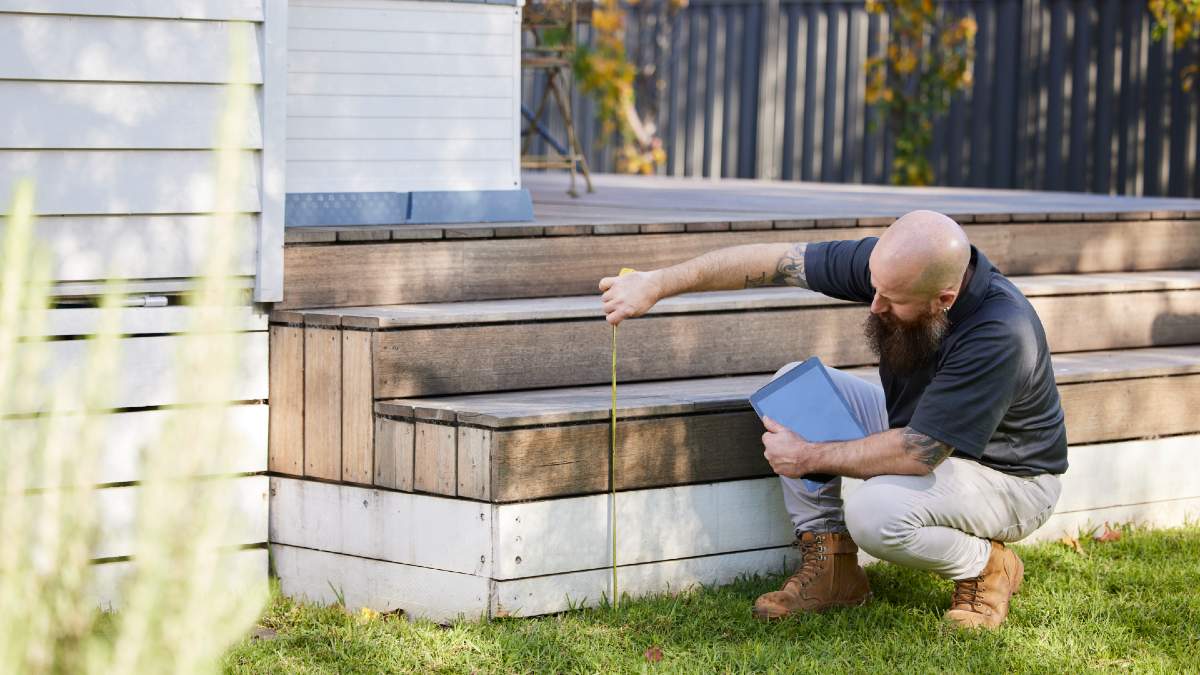
Sheds, retaining walls, fences, pergolas and detached garages aren't always included in a standard inspection if they are more than 30 metres away from the main building.
Some inspectors will comment on readily accessible structures within the agreed scope, while others may exclude them entirely unless specifically requested. It's worth confirming exactly what's included before booking your inspection.
Outbuildings such as sheds may not be included in a standard property inspection.
Appliances and household fixtures
Building inspections don't assess whether household appliances are functioning correctly.
Generally excluded from insection are items such as:
- ovens
- dishwashers
- washing machines
- refrigerators
- televisions
- security systems
- smart home technology.
Similarly, inspectors don't test internet connections, phone lines or home automation systems.
Compliance with building regulations
Another common misconception is that a building inspection confirms every renovation or extension complies with building approvals and planning requirements. This isn't the purpose of a standard building inspection.
If you're buying a home with significant renovations, extensions or additions, you may wish to check permits and approvals with the relevant council or seek legal advice during the conveyancing process.
Cosmetic issues versus significant defects
Professional inspectors focus on significant building defects and conditions that affect the property's structural performance or serviceability.
Minor cosmetic issues such as paint scratches, small dents, worn carpets or everyday wear and tear may not be extensively documented unless they indicate a larger underlying problem.
Additional inspections may be worthwhile before purchasing a property.
When should you arrange specialist inspections?
Depending on the property's age, location and condition, additional inspections may be worthwhile.
You may consider arranging specialist inspections for:
- timber pests (if not included with the building inspection)
- plumbing and sewer drainage
- electrical systems
- gas appliances
- roof condition
- asbestos identification
- swimming pools and spas
- structural engineering concerns (if major movement is identified)
- council and building compliance documents relating to building works and extensions or renovations (these are often be requested via your conveyancer).
Your building inspector may also recommend further assessment if they observe evidence of an issue outside the scope of their inspection.
More: The most common issues with new homes
Property inspections: one piece of the buying puzzle
A professional building inspection provides valuable information about a property's visible condition, but it isn't a guarantee that every defect or future problem will be identified. Understanding the limitations of a standard inspection helps buyers set realistic expectations and decide whether additional specialist advice is appropriate before purchasing.
By combining a professional building inspection with your own due diligence - including reviewing documentation, asking questions and obtaining specialist inspections where recommended - you'll be better equipped to make an informed property purchase.
More: 10 essential questions every first home buyer should ask

