
Water leaks can be tricky to identify and expensive to fix. Here are the common signs of water leaks in your bathroom, kitchen, behind walls and underground.
Plumbing
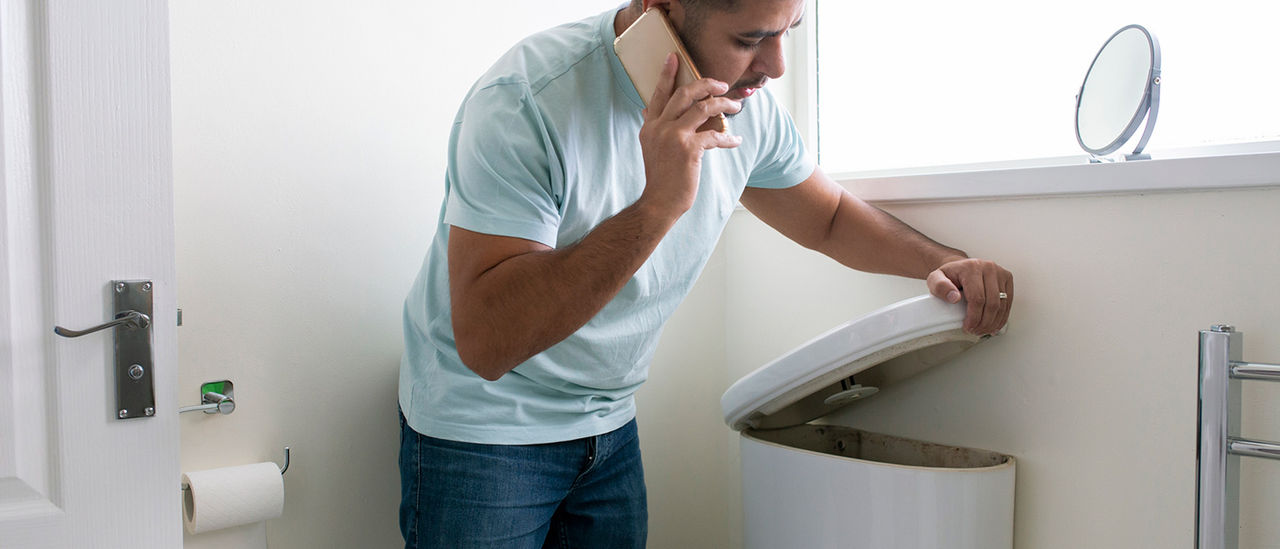

Blocked toilet? What to do first and when to call a plumber
A blocked toilet can be a plumbing emergency, but there’s no need to panic. Here’s how you may be able to clear a blockage yourself, when to call a plumber, and how to help prevent it from happening again.
While no one wants to experience a blocked toilet, it's a common plumbing issue. In the last financial year, RACV Trades responded to 5,228 blocked-toilet callouts, making it the third most common reason for plumbing callouts during that period.
The good news is that you may be able to clear a minor blockage yourself. Here’s how to unblock a toilet, when to call a plumber, and what you can do to help prevent future blockages.
Is a blocked toilet a plumbing emergency?
A blocked toilet may be considered a plumbing emergency if it’s the only toilet in the house, water is overflowing, multiple drains are affected, or sewage is following outside or inside the property.
Immediately call a professional and licensed plumber if you experience any of the above situations. RACV Emergency Home Assist includes unlimited callouts* for blocked toilets.
What should you do first if your toilet is blocked?
Stop flushing the toilet
Repeatedly flushing a blocked toilet can lead to water overflow and is unlikely to fix the blockage.
Assess the water level
How high is the water in the toilet bowl, and is it continuing to rise? This may require more urgent attention than a blockage where the water is still draining slowly.
Turn off the toilet’s water supply
If the water level continues to rise, turn off the toilet’s water supply valve to help prevent an overflow. The valve is usually located on the wall behind or beside the toilet.
Try a plunger
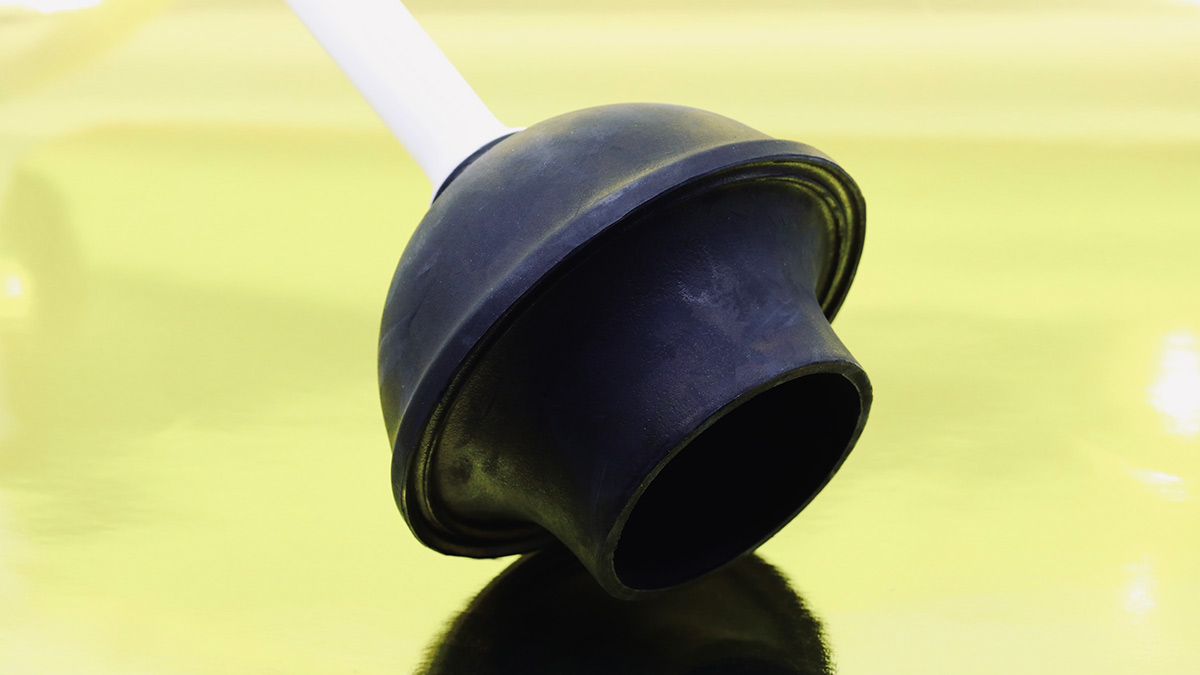
Minor blockages may be addressed with a plunger. You should use a flange plunger, which are specifically designed for use in toilets. Accordion plungers are also suitable for toilets, but they can be trickier to use. Both are available from hardware stores.
Use a flange plunger to unblock a toilet, as a basic cup plunger won’t form the tight seal required. Image: Getty
How to unblock a toilet with a plunger: step-by-step guide
A flange or accordion plunger may help unblock your toilet when used correctly. Avoid using a sink or cup plunger, as it will not form an effective seal and may cause splashing.
How to plunge a toilet
- Put on rubber gloves and lay down old towels in case of spillage.
- Submerge the flange plunger in a bucket of hot water for a few minutes. This will soften the rubber and help create a seal.
- Place the plunger over the toilet outlet, where the waste drains away, and push down to form a tight seal.
- Push and pull the plunger steadily without causing excessive splashing.
- Repeat the plunging motion several times, then check whether the toilet is draining.
- If the toilet is draining, flush it once.
- Clean and sanitise your plunger.
Stop plunging immediately and call a plumber if the toilet overflows or the water level starts rising.
What shouldn’t you do when your toilet is blocked?
Don’t use boiling water
Toilets aren’t designed to withstand boiling water. Pouring it into a blocked toilet is unlikely to clear the blockage and may damage the toilet or pipes.
Don’t use a sink (cup) plunger
Most people are familiar with sink, or cup, plungers. They work well for clearing blockages in bathroom and kitchen sinks, but aren’t suitable for toilets because they can’t form the tight seal needed to generate enough pressure to clear the blockage.
Don’t use harsh chemicals or makeshift tools
Avoid pouring bleach or commercial drain cleaners into a blocked toilet. They’re unlikely to clear the blockage and may make it more hazardous to deal with. Some drain cleaners also generate heat, which can damage the toilet or plumbing.
Don’t use improvised tools to clear the blockage, either. Flange and accordion plungers are designed for toilets, are widely available and cost around $30.
What causes blocked toilets and how to prevent them
Toilets are designed to flush only human waste and toilet paper. Flushing anything else may cause a blockage.
Common objects that cause blockages include:
- tissues
- wet wipes, baby wipes or “flushable” wipes
- excessive amounts of toilet paper
- menstrual products like pads and tampons (and their wrappings)
- nappies
- condoms
- floss
- makeup
- cotton tips, pads or balls
- food
- hair
- cleaning cloths or sponges
Read more: Items you should never flush down the toilet and why.
Blocked toilets can also be caused by ageing or damaged pipes, invasive tree roots, sewer problems, or issues with the toilet’s water flow or flushing mechanism.
While not all toilet blockages are preventable, you can reduce the risk by flushing only human waste and toilet paper, and addressing any plumbing or flushing issues as soon as you notice them.
Tissues might look similar to toilet paper, but flushing them down the toilet can result in blockages. Image: Getty
When to call a plumber for a blocked toilet
While some blocked toilets can be fixed by yourself, others require the help of a licensed plumber. Consider calling a plumber if:
- you can smell sewerage
- plunging doesn’t fix the blockage
- the toilet overflows or looks like it’s going to overflow
- more than one plumbing fixture is affected
- gurgling or backed up water in other drains
- you suspect an object has been dropped in the toilet
- blockages are reoccurring (even if they clear when plunged).
Frequently Asked Questions
Typically, no. A small blockage might slowly resolve over time, but you risk the blockage worsening. It’s best to address plumbing issues as soon as you notice them.
A toilet that keeps getting clogged could be due to a number of reasons including ageing pipes, tree roots or objects that shouldn’t be flushed. It’s best to call in a licensed plumber if you’re experiencing repeated toilet blockages.
No, do not pour drain cleaner into a blocked toilet. This risks further plumbing damage as well as making the blockage more dangerous to manage.
RACV Trades is a trading name of RACV's trade partner, Club Home Response Pty Ltd (Victorian registered domestic building practitioner number CDB-U 100178). All works are performed or arranged by Club Home Response Pty Ltd. trading as RACV Trades. See RACV Trades terms and conditions
*Subject to the Fair Use Policy. Refer to the RACV Emergency Home Assist Terms and Conditions. (PDF, 3.4 MB) for more details. Excludes general maintenance or installing new toilet.

