
Water leaks can be tricky to identify and expensive to fix. Here are the common signs of water leaks in your bathroom, kitchen, behind walls and underground.
Maintenance
From leaks to blockages: when to call a plumber (and why)
A leaking pipe, a blocked drain or a suddenly cold shower can quickly disrupt your day - and, if ignored, can lead to expensive damage.
When you have a home repair or maintenance job, it can be difficult to know whether it warrants a visit from a tradesperson. But when it comes to plumbing, it pays to get a licensed professional to take a look.
Plumbing issues can occur at any time, but especially during holiday periods when homes are unattended. Common high-cost areas include bathroom waterproofing failures and burst pipes, which often result in expensive repairs and lengthy bathroom remodels.
While it can be tempting to try a quick DIY fix, many plumbing problems require professional skills, specialised tools and industry know-how to be properly resolved. In some cases, it can even be illegal to carry out plumbing work yourself.
If you have a waterworks problem, save yourself time, money and stress and get these repairs done by a reliable, licensed plumber.
More: How to prevent water damage in your home
In this article
Reasons you should call a plumber
Burst or leaking pipes
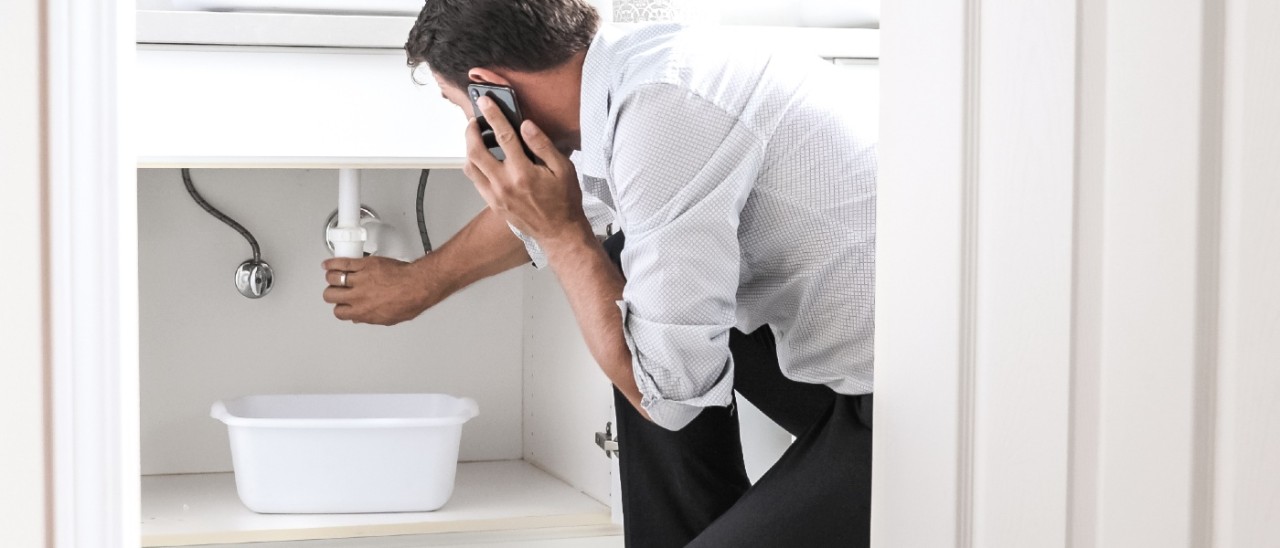
A burst or leaking pipe is one of the most urgent reasons to call a plumber. Even a slow leak can cause mould, rot, wall swelling and structural damage over time. When a pipe bursts, the amount of water released can be significant, quickly flooding rooms and damaging carpets, furniture and electrical systems.
Flexi hoses are a common fixture that can perish and leak, and it's important to check them regularly to help avoid major water damage.
Depending on the location of the burst, you may be able to turn off the water at a shut-off valve, preserving water flow to the rest of your property. If not, stem the flow by turning the water off at the meter before calling for an emergency plumber. They can isolate the affected section, repair or replace the pipe and test the system to ensure the issue doesn't reoccur.
Blocked drains
Blocked drains are a common problem that many people try to fix themselves. During the holiday season, blocked toilets can spike due to heavy use thanks to many guests.
Small jobs like unclogging a dishwasher, toilet or sink might be possible alone - but if simple measures aren't effective, then its time to call in a professional. DIY methods often only address surface-level symptoms, leaving the underlying cause unresolved.
Professional plumbers use high-pressure water jetting, mechanical drain snakes and CCTV drain cameras to investigate and clear blockages thoroughly. These tools allow them to identify whether the problem is due to accumulated debris, grease build-up, tree-root intrusion or damaged pipes. If a sewer line has collapsed or been penetrated by roots, a plumber can advise on repair or replacement options.
You can also help stop blockages in the first place by not flushing things you shouldn't down the toilet or pouring potential hazards down your drains.
Unusually high water bills
Not all leaks can be easily detected. If your water bills are higher than normal without a clear reason, the culprit might be a hidden water leak.
The following can also be signs of a hidden leak:
- wet pipes
- structural damage
- patches of grass that are greener or muddier than the rest of the lawn
- mould
- water stains.
Finding a hidden water leak yourself can be tricky. Calling a plumber can help get it identified faster and repaired. They're trained to locate leaks that may be hidden behind walls, under floors or in ceilings.
No hot water or water that is too hot
Problems with your hot water system can cause you to have little to no hot water. Conversely, it can also cause your water to run too hot, which is a safety issue (especially for children and the elderly).
Whether you rely on an electric, gas, solar or heat-pump hot water system, a plumber is your best resource for diagnosing and repairing hot water problems. Hot water systems are complex and can pose safety risks if handled incorrectly. Professional installation and repairs ensure safe operation and protect your home from potential leaks, electrical faults or gas hazards.
In many cases, repairing or replacing a faulty valve, thermostat or heating element can restore the hot water system's performance.
If the unit has reached the end of its lifespan, the plumber can recommend a suitable replacement, ensuring it's appropriately sized for your household and compliant with local regulations. They can also advise on more energy-efficient systems that may reduce your ongoing utility costs.
Poor water pressure
If you've ever experienced a shower that dribbles instead of flows, you know how frustrating low water pressure can be. Water pressure issues may stem from partially blocked pipes, faulty pressure regulators or issues with the supply network.
Conversely, water pressure that is too high can stress your pipes and fixtures, leading to premature wear or leaks.
Qualified plumbers can assess your water system, identify the cause and restore appropriate pressure levels. They may flush pipes to remove sediment, replace regulators or adjust valves to balance pressure throughout your home.
You're renovating or installing new plumbing fixtures
Renovating your bathroom or kitchen often involves complex plumbing work. Undertaking renovation plumbing without professional certification can lead to costly rework, compliance breaches and long-term performance issues.
Installing appliances connected to your plumbing also requires correct fitting to avoid leaks, water pressure issues and invalidated warranties.
Plumbers ensure your new fixtures are installed correctly, connected to the appropriate supply lines and sealed securely. They can also adjust water pressure, reroute plumbing as needed and ensure the installation meets safety standards, building regulations and local council requirements.
During renovations, plumbers can plan pipe routes, upgrade outdated plumbing, install new drainage and ensure water flow and pressure are balanced. They also provide compliance certificates that are required for many renovation projects and crucial for maintaining insurance coverage.
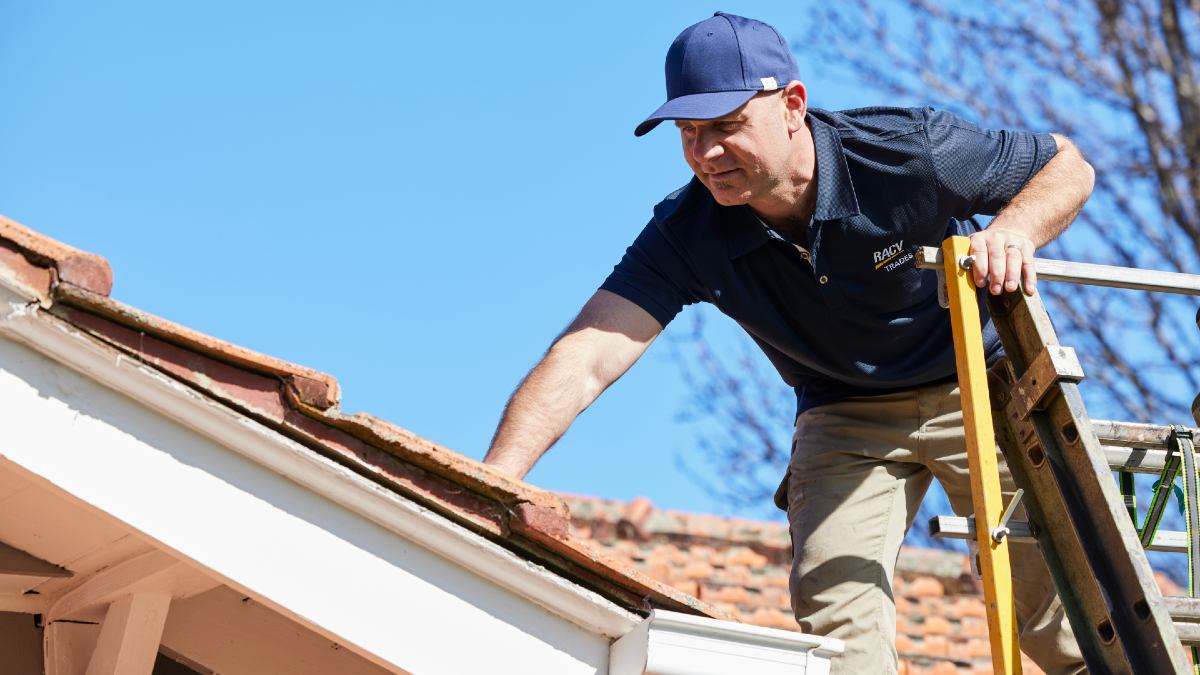
A leaking ceiling or roof requires a plumber who specialises in roof plumbing to ensure the problem is fixed safely.
Roofing and drainage issues
If you notice water leaks outside the bathroom or kitchen, it could be caused by a leak in your roof or gutters. Signs of plumbing problems in your roof include:
- leaks from your ceiling or down your walls
- overflowing gutters
- water pooling around your garden or under paths
Blocked gutters, damaged downpipes or faulty stormwater drains can lead to water pooling around your home’s foundation, contributing to erosion, mould and structural damage.
Plumbers with roof plumbing qualifications can repair or replace damaged gutters, patch leaking roofs and clear stormwater drains. They can also identify issues that may lead to future damage, particularly after heavy storms or during autumn when leaf build-up is common.
Gas plumbing and appliances
When it comes to gas appliances, there is no place for DIY. Incorrectly installed or faulty gas fixtures can lead to fire hazards, carbon monoxide exposure and dangerous pressure build-ups.
Specialist plumbers qualified in gas services are required for any job that involves a gas appliance, such as a hot water system, cooktop, heater or outdoor barbecue.
It's also recommended that gas heaters are serviced every two years, which also includes checking carbon monoxide levels.
Note that a rotten egg smell can be indicative of a gas leak, which is an emergency situation. If you suspect a gas leak, immediately evacuate the area and contact your gas distributor. If safe to do so, open windows to improve ventilation and switch off your gas meter.
RACV Emergency Home Assist is an emergency home service product, separate to insurance, that is provided by Royal Automobile Club of Victoria (RACV) Ltd and not RACV Insurance Services Pty Ltd. It is a fast response service for common plumbing, electrical and locksmith emergencies, all for one annual fee. Up to 1 hour of labour, including minor parts and materials, is used to repair or make your home safe. Emergency Home Assist does not insure you against the costs of a home emergency and is not a home insurance product. Call outs are unlimited, subject to the fair use policy. Refer to the RACV Emergency Home Assist Terms and Conditions for more details.
RACV Trades is a trading name of RACV's trade partner, Club Home Response Pty Ltd (Victorian registered domestic building practitioner number CDB-U 100178). All works are performed or arranged by Club Home Response Pty Ltd. trading as RACV Trades. Read the RACV Trades Terms and Conditions.

